GoFoodservice Blog
Cleaning Tips & TricksInfographicsInformationalInspirationJust for FunKitchen EquipmentRecipesResidentialRestaurant Management
Restaurant Marketing & Advertising
How to Incorporate Liquor Sales Into Your Restaurant
Alcohol sales consistently outperform food on gross margin, and seven in ten alcohol-drinking consumers say availability influences where they choose to eat. This post covers the business case for adding a bar program, what licens...
Read More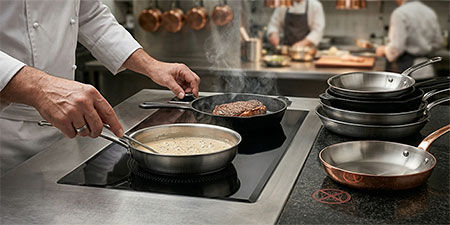
Commercial Induction Ranges in Restaurant Kitchens
Commercial induction cooking is attractive for a reason. It can offer fast response, cleaner cooking surfaces, and a kitchen environment that often feels more controlled than open-flame line cooking. But the right buying decision ...
Read More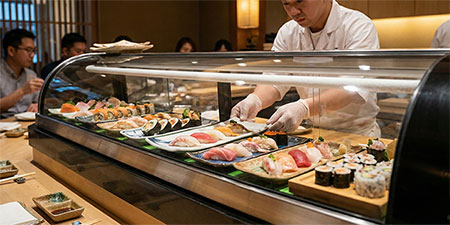
Sushi Display Case Setup and Merchandising
Your sushi case is a sales tool and a cold-holding station at the same time. This post covers day-to-day execution: setup, stocking, rotation, labeling, cleaning, and quick fixes for condensation and drying. The buying decision is...
Read More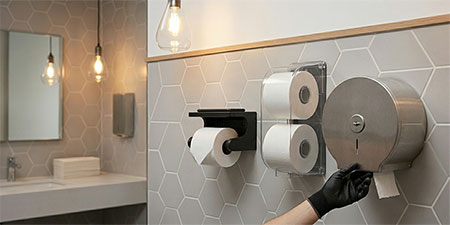
Commercial Toilet Paper Dispensers and Holders
Commercial toilet paper dispensers seem like a small purchasing decision until they start creating daily problems. Then they become a facilities issue fast. A bad fit can mean more frequent refills, more waste, poor roll compatibi...
Read More
How to Design Restaurant Flyers That Actually Get Read
Most restaurant flyers fail before anyone reads a single word - the design kills them in the first three seconds. This post breaks down the practical, visual decisions that separate flyers that get kept from flyers that go straigh...
Read More
Smart Ways to Maintain Your Kitchen Like a Pro
Maintaining a kitchen like a pro is not about making it look polished for one inspection or one busy weekend. It is about building a system that keeps prep moving, protects food safety, reduces preventable breakdowns, and makes th...
Read More
How to Run a Successful Sushi Restaurant
Sushi restaurants occupy a unique position in the foodservice industry. They demand specialized skills, strict food safety protocols, and equipment that most other restaurant concepts never require. The reward for getting it right...
Read More
How to Have Fewer Repairs on Your Commercial Refrigerator
Most commercial refrigerator failures are preventable through strategic equipment selection, proper installation, staff training, and early intervention. This guide covers the root causes of breakdowns and actionable prevention st...
Read More
Best Commercial Blenders for Your Restaurant
The "best" commercial blender is the one that fits your workload - frozen drinks, smoothies, sauces, soups, or prep - without creating downtime, noise problems, or cleaning shortcuts. This post gives a practical checklist of what ...
Read More
How to Create an Unforgettable Restaurant Concept
Restaurant concepts fail less because the idea was boring than because the idea never became specific enough to operate cleanly. A concept can sound exciting in a brainstorm and still fall apart once it has to support a menu, pric...
Read More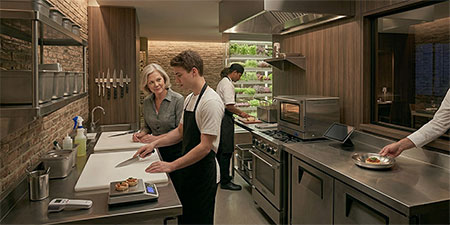
How to Set Up a Small Commercial Kitchen
Setting up a small commercial kitchen is one of those jobs that looks straightforward until everything starts competing for the same few feet of space. Menu ambitions collide with ventilation needs, storage gets squeezed by the co...
Read More
Hiring Older Workers in Restaurants
Restaurants often talk about labor shortages as if the only solution is to compete harder for the same narrow pool of applicants. That mindset can make operators overlook one of the more practical staffing opportunities available ...
Read More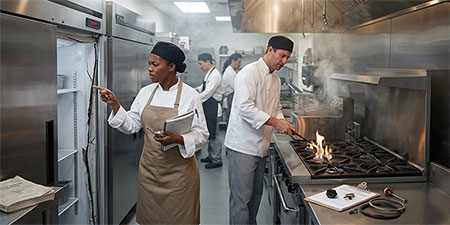
When to Replace Restaurant Kitchen Equipment
Most equipment does not fail in one dramatic moment. It gets noisier, less consistent, harder to clean, more expensive to service, and more disruptive to the shift. By the time operators ask whether it is time to replace a piece o...
Read More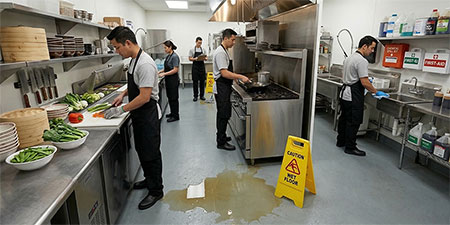
Restaurant Kitchen Hazards and How to Avoid Them
Commercial kitchens move fast, and that speed hides risk well. A slippery floor, a cluttered walkway, a rushed knife task, or a chemical bottle in the wrong place can look minor until someone gets hurt. That is why kitchen safety ...
Read More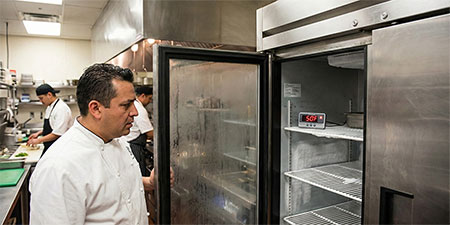
Signs It's Time to Replace Your Commercial Refrigerator
Commercial refrigerators don't last forever, and recognizing replacement signs early prevents costly breakdowns, food loss, and safety violations. This guide covers the warning signs that indicate repair is no longer worth it, fro...
Read More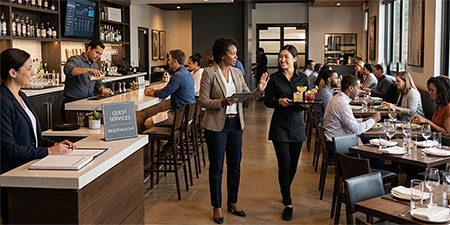
Fundamentals for Managing a Hit Restaurant or Bar
Managing a hit restaurant or bar is not about chasing one great night of sales. It is about building a place that can deliver a strong guest experience repeatedly without the owner or manager having to solve the same crisis every ...
Read More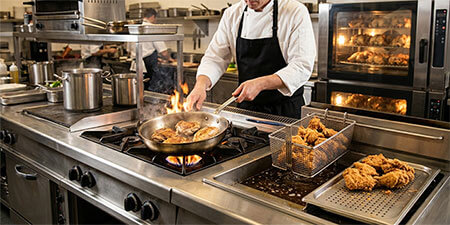
Choosing Cooking Equipment for Poultry Dishes
Poultry is not one cooking problem. Roasted chicken, braised thighs, crispy fried chicken, grilled skewers, and volume-poached or simmered poultry all place different demands on the line. That is why the best cooking equipment for...
Read More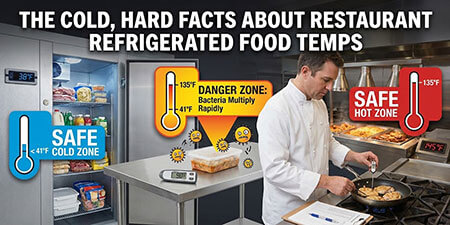
Restaurant Refrigerated Food Temperature Requirements
Temperature abuse causes over 35% of foodborne outbreaks in restaurants. FDA Food Code requires cold holding at 41°F or below and hot holding at 135°F or above, with strict two-step cooling procedures. Proper temperature control p...
Read More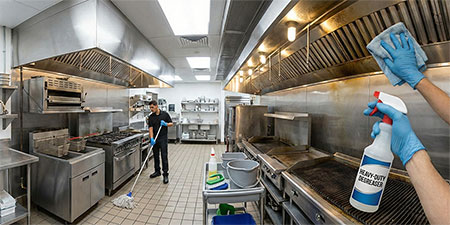
How to Choose the Best Commercial Kitchen Degreaser
"Best" degreaser depends on where you use it. This guide explains the main types of commercial kitchen degreasers, how to match formulas to surfaces, what to look for on labels (including food-area suitability), and the safety pra...
Read More
What’s Trending in Food Service Equipment
Restaurant equipment trends can be expensive to misunderstand. Operators are constantly hearing about "what's next," but not every trend deserves a place on the line, in the budget, or on the menu. The better question is not "What...
Read More