How to Have Fewer Repairs on Your Commercial Refrigerator
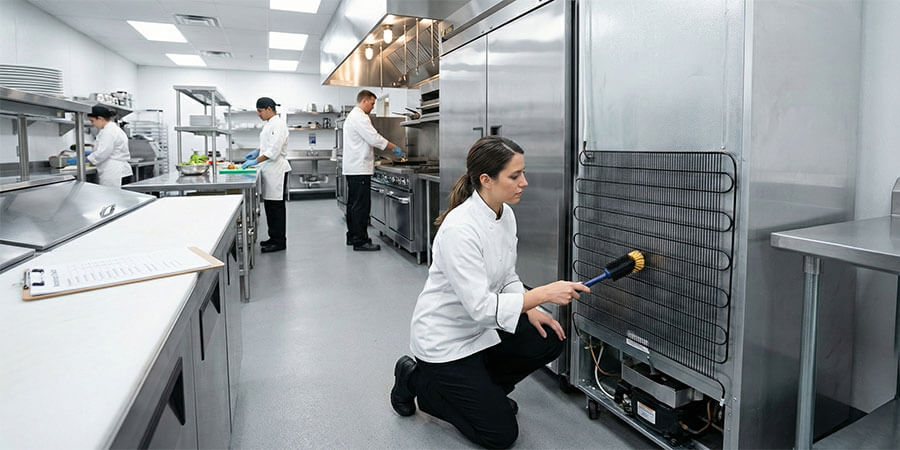
Table of Contents
Prevent Costly Breakdowns with Strategic Equipment Choices, Proper Installation, and Operational Best Practices
Most commercial refrigerator failures are preventable through strategic equipment selection, proper installation, staff training, and early intervention. This guide covers the root causes of breakdowns and actionable prevention strategies that reduce repair frequency and extend equipment lifespan.
Commercial refrigeration accounts for 44% of kitchen electricity use, making it one of the most critical systems in any foodservice operation. When a refrigerator fails, the consequences extend far beyond inconvenience. Restaurants lose an estimated twenty-six thousand dollars annually to food waste, with spoilage from equipment failure as a leading cause. Nearly half of restaurant operators report revenue loss from equipment downtime, and equipment breakdowns are a growing source of restaurant insurance claims.
The good news? Industry experts estimate that the majority of commercial kitchen equipment breakdowns are preventable through proper care and strategic operational practices. This isn't about reactive troubleshooting or following a cleaning checklist. It's about building a prevention-first approach that addresses why refrigerators fail in the first place.
This guide focuses on the strategic and operational factors that reduce repair frequency - choosing equipment that matches your operation, installing it correctly, training staff on proper use, controlling environmental factors, and recognizing warning signs before they escalate into costly repairs.
Understanding Why Commercial Refrigerators Break Down
Before you can prevent failures, you need to understand their root causes. Commercial refrigerators don't break down randomly. They fail because of predictable stressors that accumulate over time.
Thermal overload happens when refrigeration systems work harder than designed. This occurs when equipment is undersized for the space, placed too close to heat sources, or operated in environments with inadequate ventilation. When compressors run continuously without proper rest cycles, components wear out faster.
Mechanical wear from improper use accelerates when staff overload shelves, block airflow vents, or leave doors open during prep. Every time a door stays open for extended periods, the compressor cycles on to compensate. Frequent cycling increases wear on motors, compressors, and electrical components.
Airflow restriction is one of the most common preventable causes. When coils accumulate dust and grease, heat exchange efficiency drops. Dirty coils increase energy consumption by an average of 17% and force compressors to work longer to maintain temperature. Blocked vents inside the unit create similar problems.
Electrical issues often stem from installation shortcuts. Improper voltage, shared circuits with high-draw equipment, or inadequate grounding create stress on electrical components. Power surges and voltage fluctuations damage control boards and compressor motors.
Environmental stress compounds when refrigerators operate in spaces with poor climate control. Ambient temperatures above 75°F force refrigeration systems to work harder. Proximity to ovens, dishwashers, or direct sunlight creates localized hot spots that strain cooling capacity.
Understanding these root causes shifts your approach from reactive repairs to proactive prevention. Each cause has corresponding prevention strategies that address problems before they require service calls.
Choosing the Right Equipment for Your Operation
Prevention starts before you ever plug in a refrigerator. Equipment selection determines whether your refrigeration system will thrive or struggle in your specific operation.
Size and capacity matching is the foundation. Undersized refrigerators run continuously, never achieving proper rest cycles. Oversized units waste energy and create temperature fluctuations. Calculate your actual storage needs based on menu volume, delivery schedules, and peak service periods. Consider whether reach-in refrigerators, undercounter refrigerators, or walk-in coolers best match your workflow and space constraints.
Energy efficiency standards directly impact long-term reliability. Energy Star certified commercial refrigerators are 20% more efficient than standard models, which means less heat generation and reduced compressor runtime. As federal efficiency standards continue to evolve, equipment built to meet or exceed current Energy Star benchmarks typically features better insulation, more efficient compressors, and improved temperature control systems.
Configuration for your space prevents operational stress. Consider door swing clearance, ventilation requirements, and proximity to heat sources during the selection phase. A refrigerator that fits physically but lacks proper clearance for airflow will fail prematurely. Review manufacturer specifications for minimum clearance requirements before committing to a model.
Climate class ratings indicate the ambient temperature range equipment can handle. If your kitchen runs hot or lacks climate control, choose refrigerators rated for higher ambient temperatures. Operating equipment outside its climate class rating accelerates wear and voids warranties.
The Commercial Refrigeration Types Guide provides detailed comparisons of equipment categories and their ideal applications. Investing time in proper selection prevents years of preventable repairs.
Installation Factors That Prevent Future Problems
Even the best refrigerator will fail if installed incorrectly. Proper installation creates the foundation for reliable long-term operation.
Clearance and ventilation are non-negotiable. Most commercial refrigerators require minimum clearances of three to six inches on sides and back for proper airflow. Condenser coils need space to dissipate heat. When refrigerators are pushed flush against walls or wedged into tight spaces, heat builds up and compressors overheat. Check manufacturer specifications and maintain required clearances even when space is tight.
Electrical requirements must match equipment specifications exactly. Commercial refrigerators require dedicated circuits with appropriate amperage. Sharing circuits with other high-draw equipment creates voltage drops that damage compressor motors. Verify that voltage matches equipment requirements. Three-phase equipment on single-phase power, or vice versa, causes immediate damage. Proper grounding protects against electrical surges and reduces fire risk.
Leveling and stability affect both performance and longevity. Unlevel refrigerators prevent doors from sealing properly, allowing cold air to escape and forcing compressors to run longer. Use a level during installation and adjust feet until the unit sits perfectly level front-to-back and side-to-side. This simple step prevents door seal problems and ensures proper refrigerant flow.
Environmental placement requires strategic thinking. Position refrigerators away from ovens, dishwashers, direct sunlight, and exterior doors. Every degree of ambient temperature increase forces the refrigeration system to work harder. If placement near heat sources is unavoidable, consider installing heat shields or improving ventilation in that area.
| Installation Factor: | Requirement: | Consequence of Non-Compliance: |
| Side/back clearance | 3-6 inches minimum | Compressor overheating, reduced lifespan |
| Electrical circuit | Dedicated, proper amperage | Voltage drops, motor damage, fire risk |
| Leveling | Level within 1/4 inch | Door seal failure, increased runtime |
| Ambient temperature | Below 75°F preferred | Thermal overload, continuous cycling |
| Heat source distance | Minimum 3 feet separation | Reduced cooling efficiency, strain on system |
| Ventilation | Unrestricted airflow to coils | Heat buildup, component failure |
Proper installation isn't expensive, but correcting installation mistakes after equipment fails certainly is. Work with qualified installers who understand commercial refrigeration requirements.
Training Staff on Proper Refrigerator Use
Your refrigerator's lifespan depends as much on how staff use it as on the equipment itself. Proper training prevents the daily habits that lead to breakdowns.
Door discipline is the most impactful behavior to teach. Every second a refrigerator door stays open, cold air escapes and warm, humid air enters. Train staff to gather everything they need before opening doors, retrieve items quickly, and close doors completely. Doors left ajar even slightly prevent compressors from cycling off, leading to continuous operation and accelerated wear.
Loading practices directly affect airflow and cooling efficiency. Teach staff to avoid overloading shelves, which blocks air circulation and creates warm spots. Items should never block interior vents or fans. Leave space between items for air to circulate. Avoid placing hot food directly into refrigerators, as this forces the system to work harder to bring temperatures down.
Temperature monitoring should be part of daily routines. Train staff to check and log temperatures at the start of each shift. The FDA requires cold holding at 41°F or below. Catching temperature drift early - before food safety becomes an issue - allows you to address minor problems before they become major repairs. Staff should know what normal operating temperatures look like and when to report deviations. For more on safe temperature ranges and monitoring, see our guide to refrigerated food temperatures.
Reporting unusual behavior prevents small issues from escalating. Train staff to immediately report unusual sounds, temperature fluctuations, frost buildup, water pooling, or doors that don't seal properly. Create a simple reporting system that doesn't require technical knowledge. "The walk-in is making a loud clicking sound" is enough information to prompt investigation.
Understanding consequences motivates compliance. When staff understand that leaving doors open doesn't just waste energy but can lead to equipment failure and food loss worth thousands of dollars, they take prevention seriously. Share the real costs of downtime and spoilage during training.
For comprehensive food safety protocols that complement equipment care, review our guide on food safety tips for commercial kitchens.
Environmental and Operational Factors
The environment surrounding your refrigerator influences how hard it works and how long it lasts. Controlling these factors reduces stress on refrigeration equipment.
Ambient temperature control is critical. Commercial refrigerators are designed to operate in environments below 75°F. When kitchen temperatures exceed this, compressors run longer and work harder. Improve kitchen ventilation, use exhaust hoods effectively, and consider supplemental cooling in hot kitchens. Every degree you reduce ambient temperature extends equipment life.
Kitchen layout optimization prevents unnecessary thermal stress. Position refrigerators away from cooking equipment, dishwashers, and direct sunlight. If your layout forces proximity to heat sources, install heat shields or improve local ventilation. Consider traffic patterns as well. Refrigerators in high-traffic areas experience more door openings, which increases compressor cycling.
Humidity management affects both performance and longevity. High humidity causes excessive frost buildup on evaporator coils, reducing efficiency and forcing more frequent defrost cycles. In humid climates or during summer months, improve kitchen ventilation and consider dehumidification. Excessive moisture also promotes mold growth and corrosion.
Seasonal adjustments may be necessary. Summer heat and humidity stress refrigeration systems more than winter conditions. During hot months, monitor temperatures more frequently, clean coils more often, and be vigilant about door discipline. Some operations adjust thermostat settings seasonally to compensate for ambient temperature changes.
Workflow integration reduces unnecessary door openings. Organize refrigerator contents logically so staff can find items quickly. Label shelves clearly. Use transparent containers when possible. The less time staff spend searching with doors open, the less stress on the refrigeration system.
These environmental and operational factors work together. A refrigerator in a hot, humid kitchen with poor organization will fail faster than identical equipment in a climate-controlled space with optimized workflow.
Recognizing Warning Signs Before They Become Repairs
Early detection is your best defense against costly breakdowns. Most refrigerator failures announce themselves with warning signs days or weeks before complete failure.
Temperature fluctuations are often the first indicator. If temperatures drift above 41°F or vary more than a few degrees throughout the day, something is wrong. This might indicate a failing thermostat, refrigerant leak, or compressor struggling to keep up. Don't wait for food safety issues to develop. Investigate immediately.
Unusual sounds signal mechanical problems. Commercial refrigerators make normal operational sounds, but you should recognize what's normal for your equipment. Loud clicking, grinding, squealing, or rattling indicates problems with compressors, fans, or motors. Hissing sounds may indicate refrigerant leaks. Any new or louder-than-normal sound warrants investigation.
Excessive frost or ice buildup beyond normal accumulation suggests problems with defrost systems, door seals, or humidity infiltration. Frost on evaporator coils reduces cooling efficiency. Ice around door gaskets indicates seal failure. Both force compressors to work harder.
Compressor cycling patterns change when problems develop. Compressors should cycle on and off regularly. Continuous operation without cycling off indicates the system can't reach target temperature. Very short, frequent cycles suggest electrical problems or refrigerant issues. Both patterns accelerate wear.
Water pooling inside or around refrigerators indicates drain line clogs, door seal failure, or condensation problems. Water inside the unit can damage electrical components and promote mold growth. Water outside may indicate more serious problems with the refrigeration cycle.
Door seal integrity degrades over time. Test seals by closing a dollar bill in the door. If you can pull it out easily, the seal isn't tight enough. Failed seals allow cold air to escape continuously, forcing compressors to run longer and wasting energy.
| Warning Sign: | Possible Cause: | Action Required: |
| Temperature above 41°F | Thermostat failure, refrigerant leak, compressor issue | Immediate professional service |
| Continuous compressor operation | Undersized unit, refrigerant leak, dirty coils | Check coils first, then call service |
| Excessive frost buildup | Defrost system failure, door seal problem | Inspect seals, check defrost timer |
| Loud grinding or clicking | Motor or compressor failure imminent | Schedule service immediately |
| Water pooling inside | Clogged drain line, excessive humidity | Clear drain, improve ventilation |
| Short, frequent cycling | Electrical issue, refrigerant problem | Professional diagnosis required |
When you notice warning signs, consult our troubleshooting guide for commercial refrigerator repair issues for diagnostic steps. Early intervention prevents minor issues from becoming major failures.
Building a Prevention-First Culture
Reducing repairs requires more than individual actions. It requires building a culture where prevention is everyone's responsibility.
Documentation systems create accountability. Maintain logs for temperature checks, cleaning schedules, and reported issues. Documentation helps identify patterns. If the same refrigerator requires frequent attention, you can investigate root causes rather than treating symptoms. Logs also provide valuable information for service technicians when repairs are necessary.
Preventive maintenance schedules should be non-negotiable. While this guide focuses on prevention strategies rather than maintenance tasks, the two work together. Establish clear schedules for coil cleaning, gasket inspection, and other routine tasks. For detailed maintenance schedules organized by frequency, see our Commercial Refrigeration Routine Maintenance and Best Practices guide.
Professional relationships matter. Establish relationships with qualified commercial refrigeration technicians before emergencies occur. Annual professional inspections catch problems that daily users might miss. Technicians can identify refrigerant levels, test electrical components, and verify that systems operate within specifications. The cost of annual inspections is minimal compared to emergency repair calls.
Knowing when to call professionals prevents dangerous DIY attempts. Staff can handle simple tasks like cleaning coils and checking door seals, but refrigerant systems, electrical components, and compressor issues require licensed technicians. Attempting repairs without proper training and tools often makes problems worse and may void warranties.
Replacement planning is part of prevention. Even well-maintained refrigerators eventually reach end of life. When repair costs approach 50% of replacement value, or when equipment requires frequent repairs despite proper care, replacement becomes the smarter choice. Our guide on signs it's time to replace your commercial refrigerator helps with these decisions.
Energy efficiency monitoring provides early warning of problems. Track energy consumption monthly. Sudden increases often indicate refrigeration systems working harder due to developing problems. For broader energy efficiency strategies, see our guide on making your commercial kitchen more energy efficient.
Parts inventory for critical components reduces downtime. Keep spare door gaskets, air filters, and other commonly replaced parts on hand. When problems occur, you can address them immediately rather than waiting for parts to arrive. Browse commercial refrigeration parts to identify components worth stocking.
Prevention-first culture means everyone from ownership to line cooks understands their role in equipment longevity. Industry research consistently shows that well-maintained equipment lasts up to 30% longer than neglected units. When prevention becomes habit rather than afterthought, repair frequency drops dramatically.
Frequently Asked Questions
How often should commercial refrigerator coils be cleaned to prevent breakdowns?
Clean condenser coils every one to three months depending on kitchen environment. Kitchens with high grease production or poor ventilation require monthly cleaning. Dirty coils increase energy consumption by an average of 17% and force compressors to work harder, accelerating wear. Regular coil cleaning is one of the most effective prevention strategies available.
Can I reduce repairs by adjusting the thermostat to a warmer setting?
No. The FDA requires cold holding at 41°F or below for food safety. Setting temperatures higher to reduce compressor runtime creates serious food safety risks. If your refrigerator runs continuously even at proper temperatures, the problem is likely dirty coils, poor door seals, inadequate ventilation, or undersized equipment for your needs.
What is the most common preventable cause of commercial refrigerator failure?
Airflow restriction from dirty coils and blocked vents ranks as the most common preventable cause. When coils can't dissipate heat effectively, compressors overheat and fail prematurely. This is entirely preventable through regular cleaning and maintaining proper clearances around equipment.
How much clearance do commercial refrigerators need for proper operation?
Most commercial refrigerators require three to six inches of clearance on sides and back for proper airflow to condenser coils. Check manufacturer specifications for your specific unit. Inadequate clearance causes heat buildup, compressor overheating, and premature failure. Never sacrifice required clearance to fit equipment into tight spaces.
Should I repair or replace a commercial refrigerator that breaks down frequently?
When repair costs approach 50% of replacement value, or when equipment requires multiple repairs within a year despite proper maintenance, replacement typically makes more financial sense. Also consider equipment age. Refrigerators past their expected lifespan may use outdated, less efficient technology. Newer Energy Star certified models can reduce operating costs by 20% while providing more reliable operation.
Does staff training really make a difference in equipment longevity?
Absolutely. Proper door discipline, correct loading practices, and early problem reporting prevent the majority of avoidable breakdowns. Equipment in operations with well-trained staff typically lasts significantly longer than identical equipment in operations without training programs. The investment in training pays for itself many times over through reduced repairs and extended equipment life.
What temperature should I maintain in my kitchen to reduce refrigerator stress?
Keep kitchen ambient temperature below 75°F when possible. Every degree above this forces refrigeration systems to work harder. Improve ventilation, use exhaust hoods effectively, and position refrigerators away from heat sources. In hot climates or during summer, monitor refrigerator performance more closely and consider supplemental cooling for kitchen spaces.
Related Resources
- Commercial Refrigeration Routine Maintenance and Best Practices - Complete maintenance schedule with daily, weekly, monthly, and quarterly tasks
- Troubleshooting Common Commercial Refrigerator Repair Issues - Diagnostic guide for identifying and resolving refrigeration problems
- Signs It's Time to Replace Your Commercial Refrigerator - When repair costs exceed replacement value
- Commercial Refrigeration Types Guide - Comprehensive overview of equipment categories and applications
- Restaurant Equipment Parts Guide - Understanding replacement parts and when to use OEM vs aftermarket
Share This!