Smart Ways to Maintain Your Kitchen Like a Pro
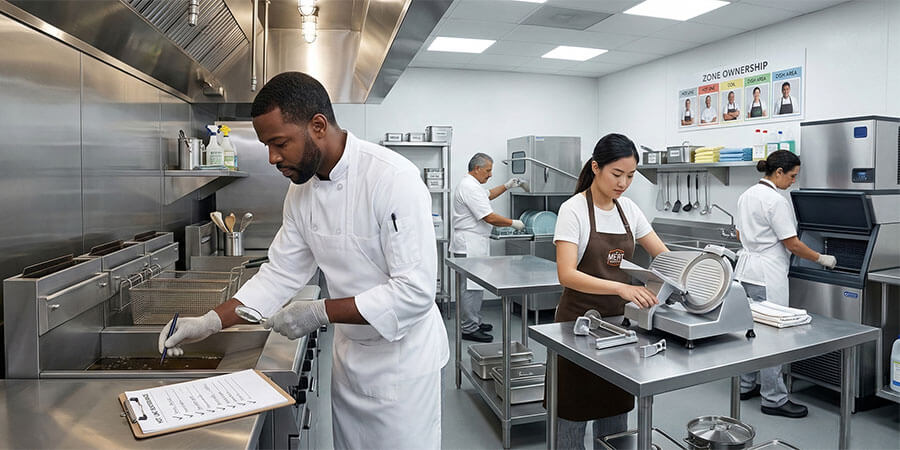
Table of Contents
Maintain Your Commercial Kitchen Like a Pro With Daily Resets, Preventive Checks, And Clear Ownership
Maintaining a kitchen like a pro is not about making it look polished for one inspection or one busy weekend. It is about building a system that keeps prep moving, protects food safety, reduces preventable breakdowns, and makes the next shift easier than the last one.
That matters because maintenance problems rarely show up all at once. They build slowly through grease, scale, clutter, missed checks, loose gaskets, overloaded shelves, unlabeled chemicals, and equipment that keeps working just well enough to avoid attention. By the time the issue feels urgent, the kitchen has usually been paying for it in wasted labor, slower service, rework, and avoidable frustration.
The professional approach is simpler than it sounds: separate daily cleaning from preventive maintenance, assign ownership by area, keep the right supplies within reach, and document enough that the routine survives staff turnover.
Start With A Maintenance Mindset, Not A Deep-Clean Panic
The kitchens that stay in good shape are usually not the ones that clean hardest once in a while. They are the ones that reset constantly.
Treat maintenance as part of operations, not a separate project. Surfaces get wiped before buildup hardens. Small leaks get noticed early. Filters, coils, drains, and seals are checked before they become expensive problems. Staff do not wait for a manager to declare a cleanup day because the routine already tells them what "done" looks like.
The FDA Food Code continues to treat cleanability, sanitation, and safe food-contact conditions as basic operating expectations, not optional extras. In practice, that means a well-maintained kitchen is easier to clean correctly and easier to keep food safe.
Separate Cleaning, Maintenance, And Repair So Nothing Gets Missed
One reason kitchens fall behind is that teams blur three different jobs into one idea.
| Work Type: | What It Covers: | Typical Examples: |
| Cleaning | Removing soil, grease, residue, and clutter | Wiping prep tables, deliming, sweeping, mopping |
| Maintenance | Preventive checks and routine care that protect performance | Inspecting gaskets, clearing spray arms, cleaning coils |
| Repair | Fixing a failure or performance issue | Replacing a broken latch, repairing a leak, restoring heat |
When those three categories stay separate, the kitchen makes better decisions. A dirty range is a cleaning problem. A range with recurring performance drift may be a maintenance problem. A range that no longer recovers or heats reliably is moving toward repair or replacement.
For a clearer baseline on cleaning language, see Cleaning vs Sanitizing vs Disinfecting.
Build A Daily Reset That Protects The Next Shift
Professional kitchen maintenance starts with the close.
Daily reset work should set up a safe, efficient open - not just a less-messy close. That usually includes:
- Wiping and sanitizing food-contact surfaces correctly
- Breaking down and cleaning high-use prep equipment after use
- Emptying scrap trays, strainers, and trap points where residue builds up
- Sweeping and mopping around grease-prone and splash-prone zones
- Returning tools and smallwares to labeled homes
- Restocking the cleaning and paper goods the next shift will need
| Daily Area: | What To Check: | Why It Matters: |
| Prep surfaces | Soil removed, sanitized, air dried | Reduces cross-contact and next-shift confusion |
| Hot line | Grease removed from exposed surfaces and handles | Lowers buildup, fire risk, and harder scrubbing later |
| Refrigeration | Spills, seals, door closure, obvious icing | Prevents temperature drift and avoidable wear |
| Dish area | Screens, scrap traps, chemical levels, drain area | Protects wash quality and keeps odors down |
| Storage | Items returned, labels readable, walk paths open | Keeps the kitchen functional during rush periods |
For a frequency-based kitchen-wide framework, Commercial Kitchen Cleaning Tips for a Spotless Kitchen is the best related read.
Protect High-Stress Equipment Before It Starts Costing You
The most important maintenance habit is not "inspect everything equally." It is knowing which equipment absorbs the most stress.
In many kitchens, that means refrigeration, ice equipment, dishwashing, hot-line cooking equipment, and high-use prep tools. Those categories deserve more attention because their problems quickly affect food safety, service speed, and labor.
Focus on early signs:
- Doors that stop sealing tightly
- Water where water should not be
- Grease or residue building up in the same trouble spots repeatedly
- Temperatures or performance drifting without a full breakdown
- Staff creating workarounds to keep equipment usable
Professional maintenance is partly observational. The log matters, but so does listening to the people using the equipment every shift.
Use Refrigeration Maintenance To Prevent Bigger Problems
Refrigeration failures often start quietly. A dirty condenser area, worn gasket, blocked airflow path, or door habit problem can create unnecessary strain long before the unit fully fails.
Strong maintenance habits include:
- Keeping interiors clean enough to spot spills, spoilage, and airflow blockage quickly
- Checking seals and door closure regularly
- Avoiding storage patterns that block circulation
- Cleaning the areas that collect dust, grease, and debris according to the unit's needs and manual
- Logging temperature problems instead of treating them like one-off annoyances
The same principle applies across walk-ins, reach-ins, and prep refrigeration: when the unit has to work harder than it should, maintenance becomes a performance issue - not just a cleanliness issue.
For a deeper routine, see Commercial Refrigeration Routine Maintenance and Best Practices.
Do Not Let The Hot Line Dictate Your Cleaning Standard
Grease-heavy zones are where kitchens either stay professional or slowly lose control.
Ranges, griddles, fryers, broilers, and nearby surfaces collect buildup fast. Once grease starts accumulating in corners, seams, handles, backsplash areas, and floor edges, the work gets slower and more dangerous. It also becomes harder to tell the difference between ordinary soil and equipment trouble.
Good hot-line maintenance means:
- Cleaning exposed surfaces on a schedule the team can actually repeat
- Watching for performance drift, not just visible dirt
- Keeping nearby walls, shelves, and floor zones from becoming "later" jobs
- Using food-equipment-intended cleaners and following safe handling rules
If your line needs a more specific cleaning rhythm, Commercial Range Cleaning Guide covers one of the most common problem areas in detail.
Organize The Kitchen So Maintenance Gets Easier, Not Harder
Maintenance routines fail when the physical space fights the team.
If shelves are overloaded, cleaning tools do not have a home, backups are shoved wherever there is space, or chemicals live far from the area where they are used, even good staff will start skipping steps. A professional kitchen makes the right action easier.
That usually means:
- Clear storage zones by use
- Labeled homes for tools, towels, and cleaning supplies
- Open walk paths around the areas that need frequent attention
- Defined overflow space so clutter does not become permanent
- Containers and shelving that support rotation, visibility, and wipe-down access
If storage setup is part of the problem, start with Commercial Kitchen Organization Systems. If you need to add capacity, Commercial Restaurant Shelving and Food Storage Containers & Lids are logical next steps.
Assign Ownership By Zone, Not By Vague Team Responsibility
One of the fastest ways to improve maintenance is to stop using phrases like "someone should check that."
Ownership works best when it is tied to zones and moments:
- Opening checks for specific equipment and stations
- Mid-shift resets for the areas that degrade fastest
- Closing tasks tied to each zone, not one giant list
- Weekly checks for the parts of the kitchen that are easiest to ignore
The point is not paperwork for its own sake. It is making it obvious who checks what, when, and how the next person knows it was done.
A short checklist and signoff rhythm often does more for maintenance than a long SOP nobody reads.
Keep Cleaning Supplies, Chemicals, And PPE Ready To Use
Kitchens maintain themselves better when the right supplies are easy to grab.
That includes designated cleaning tools, correctly labeled containers, the right chemistry for the task, and appropriate PPE where the job requires it. OSHA hazard communication expectations and label-following principles matter here for a simple reason: maintenance breaks down quickly when staff are improvising with unknown products or unsafe habits.
Keep the process simple:
- Store chemicals away from food and food-contact items
- Label spray bottles and secondary containers correctly
- Match the cleaner to the soil and the surface
- Make gloves, scrubbers, towels, and brushes easy to find
- Train staff not to mix products or "make them stronger"
For product-side support, start with Cleaning Chemicals and Cleaning Supplies & Tools. If you need heavier soil-removal options, Food Equipment Cleaners, Descalers, and Degreasers is the next stop.
Use Logs To Catch Drift Before It Turns Into Downtime
A kitchen does not need complicated software to maintain itself better. It needs enough written visibility to notice patterns.
Useful items to log include:
- Repeated spills or residue trouble spots
- Equipment that keeps needing the same attention
- Leaks, icing, unusual odors, or temperature drift
- Filter, coil, deliming, or other recurring care tasks
- Supplies that regularly run out at the wrong moment
The value of logging is not bureaucracy. It is pattern recognition. Once the kitchen can see that the same issue keeps coming back, maintenance gets smarter and repair decisions get easier.
That same logic is why Ice Machine Maintenance Checklist works so well as a reference model: schedule, verify, and escalate before performance collapses.
Frequently Asked Questions
What is the smartest way to maintain a commercial kitchen?
Build a repeatable routine that separates cleaning, maintenance, and repair. Focus on daily reset work, weekly preventive checks, clear ownership by zone, and quick escalation when equipment starts drifting instead of waiting for a full failure.
How often should a restaurant kitchen be maintained?
Every shift should include cleaning and reset work, while preventive maintenance tasks should follow a weekly, monthly, and quarterly rhythm based on the equipment and the environment. High-stress categories like refrigeration, dishwashing, and the hot line usually need the closest attention.
What kitchen equipment needs the most maintenance?
In many operations, refrigeration, ice machines, dishwashers, hot-line cooking equipment, and high-use prep tools absorb the most wear. Those areas deserve more observation because their problems quickly affect food safety, service, and labor.
What is the biggest kitchen maintenance mistake?
Treating maintenance like an occasional deep clean instead of an operating system. When tasks are vague, ownership is unclear, and supplies are hard to reach, small problems pile up until they become urgent.
How does organization affect kitchen maintenance?
A more organized kitchen is easier to clean, inspect, and reset. Clear storage zones, labeled homes, and open access around work areas make it easier for staff to maintain standards without slowing service.
When should maintenance turn into repair or replacement?
When the same issue keeps returning, performance drifts, sanitation becomes harder, or staff start building workarounds around the equipment. At that point, the kitchen should stop treating the problem as ordinary upkeep and document it for repair or replacement review.
Related Resources
- Commercial Kitchen Cleaning Tips for a Spotless Kitchen - Build a frequency-based kitchen cleaning routine
- Commercial Refrigeration Routine Maintenance and Best Practices - Prevent common refrigeration performance problems
- Commercial Kitchen Organization Systems - Reduce clutter and make maintenance easier to keep up
- Food Equipment Cleaners, Descalers, and Degreasers - Browse cleaner categories by application
- Cleaning Supplies & Tools - Stock the supplies staff need to maintain standards daily
Share This!