Restaurant Management
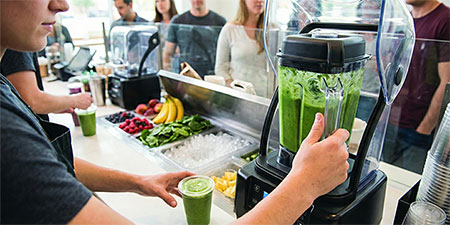
Best Commercial Blenders for Your Restaurant
The "best" commercial blender is the one that fits your workload - frozen drinks, smoothies, sauces, soups, or prep - without creating downtime, noise problems, or cleaning shortcuts. This post gives a practical checklist of what ...
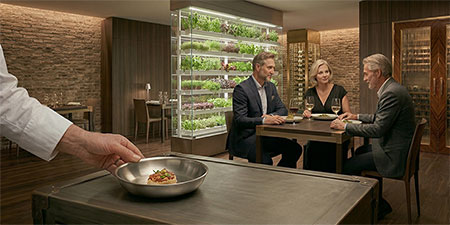
How to Create an Unforgettable Restaurant Concept
Restaurant concepts fail less because the idea was boring than because the idea never became specific enough to operate cleanly. A concept can sound exciting in a brainstorm and still fall apart once it has to support a menu, pric...
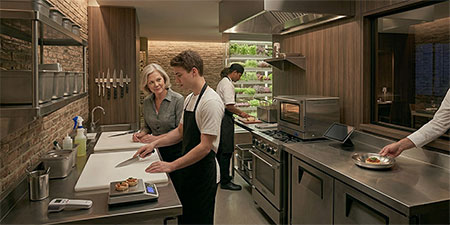
How to Set Up a Small Commercial Kitchen
Setting up a small commercial kitchen is one of those jobs that looks straightforward until everything starts competing for the same few feet of space. Menu ambitions collide with ventilation needs, storage gets squeezed by the co...
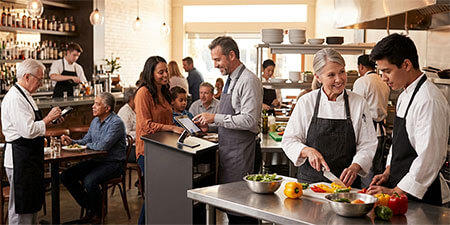
Hiring Older Workers in Restaurants
Restaurants often talk about labor shortages as if the only solution is to compete harder for the same narrow pool of applicants. That mindset can make operators overlook one of the more practical staffing opportunities available ...
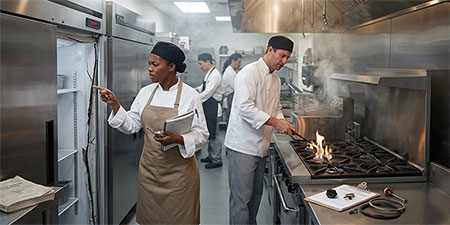
When to Replace Restaurant Kitchen Equipment
Most equipment does not fail in one dramatic moment. It gets noisier, less consistent, harder to clean, more expensive to service, and more disruptive to the shift. By the time operators ask whether it is time to replace a piece o...
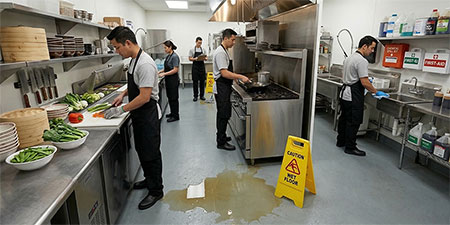
Restaurant Kitchen Hazards and How to Avoid Them
Commercial kitchens move fast, and that speed hides risk well. A slippery floor, a cluttered walkway, a rushed knife task, or a chemical bottle in the wrong place can look minor until someone gets hurt. That is why kitchen safety ...
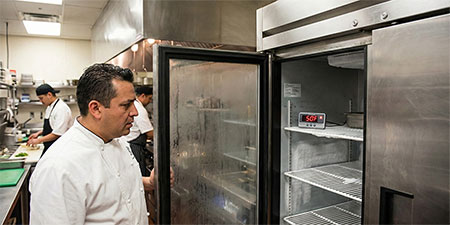
Signs It's Time to Replace Your Commercial Refrigerator
Commercial refrigerators don't last forever, and recognizing replacement signs early prevents costly breakdowns, food loss, and safety violations. This guide covers the warning signs that indicate repair is no longer worth it, fro...
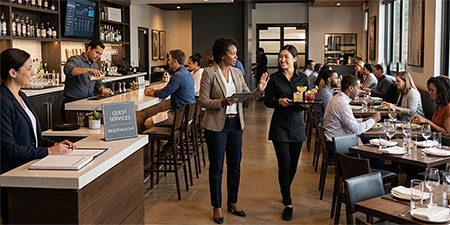
Fundamentals for Managing a Hit Restaurant or Bar
Managing a hit restaurant or bar is not about chasing one great night of sales. It is about building a place that can deliver a strong guest experience repeatedly without the owner or manager having to solve the same crisis every ...
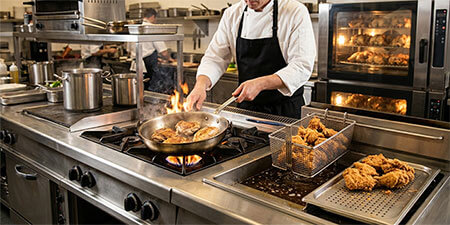
Choosing Cooking Equipment for Poultry Dishes
Poultry is not one cooking problem. Roasted chicken, braised thighs, crispy fried chicken, grilled skewers, and volume-poached or simmered poultry all place different demands on the line. That is why the best cooking equipment for...
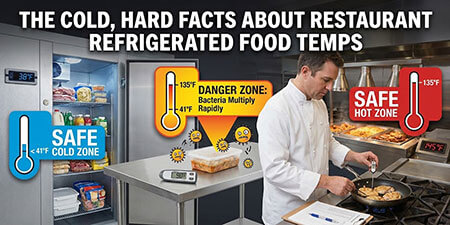
Restaurant Refrigerated Food Temperature Requirements
Temperature abuse causes over 35% of foodborne outbreaks in restaurants. FDA Food Code requires cold holding at 41°F or below and hot holding at 135°F or above, with strict two-step cooling procedures. Proper temperature control p...
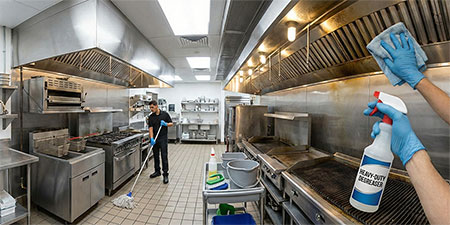
How to Choose the Best Commercial Kitchen Degreaser
"Best" degreaser depends on where you use it. This guide explains the main types of commercial kitchen degreasers, how to match formulas to surfaces, what to look for on labels (including food-area suitability), and the safety pra...
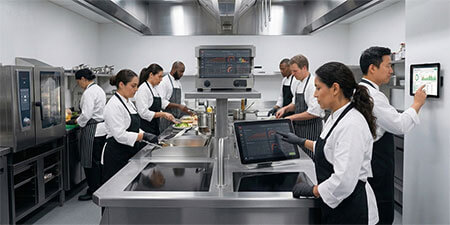
What’s Trending in Food Service Equipment
Restaurant equipment trends can be expensive to misunderstand. Operators are constantly hearing about "what's next," but not every trend deserves a place on the line, in the budget, or on the menu. The better question is not "What...
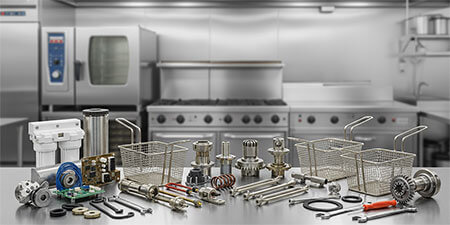
Restaurant Equipment Parts Guide
Restaurant equipment requires regular maintenance and occasional part replacements to maintain optimal performance and extend equipment life. Understanding when to repair versus replace, choosing between OEM and aftermarket parts,...
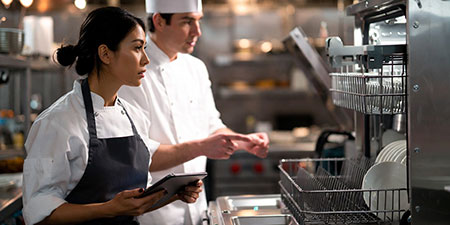
When to Replace Your Commercial Dishwasher
A commercial dishwasher that works properly is invisible - dishes come out clean, the machine runs quietly, and the kitchen keeps moving. When it starts failing, the impact is immediate. Dirty dishes back up, staff rewash loads by...
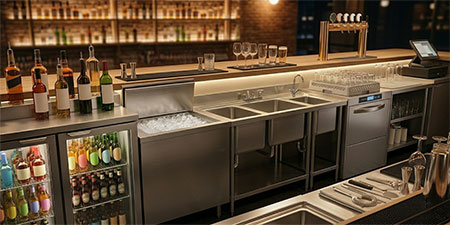
Commercial Bar Equipment Essentials
Bars usually feel simple from the guest side of the counter. From the operator side, they are one of the most system-dependent stations in the building. If refrigeration is poorly placed, the ice machine is undersized, glasswashin...
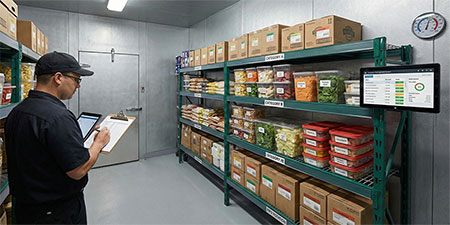
Restaurant Inventory Management Tips That Actually Work
Inventory management is one of the highest-leverage habits in restaurant operations. This post covers the core systems that keep food costs in check: how to count inventory correctly, how to set par levels based on real sales data...
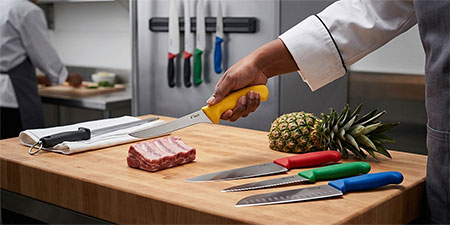
Shop for Knives Like a Pro
Buying knives for a restaurant is not the same as buying knives for a home kitchen. In a commercial setting, the right knife has to do more than feel good for five minutes in a store. It has to stay comfortable through repeated pr...

Americans with Disabilities Act (ADA) Regulations Guide
The ADA requires service counters at 34" maximum height, sales counters at 36" maximum, and dining surfaces between 28-34" with 27" minimum knee clearance. Restaurant operators must provide accessible seating (5% minimum), complia...