Food Truck Equipment Checklist
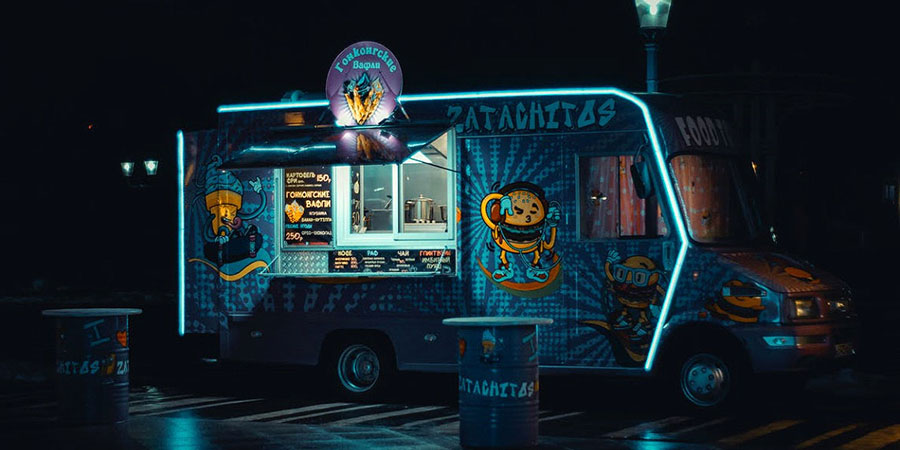
Essential equipment list to outfit your mobile kitchen and pass health inspection on the first attempt
This checklist covers every piece of equipment needed to launch a food truck, from cooking appliances and refrigeration to ventilation and point-of-sale systems. Use it to prioritize purchases and avoid costly oversights during your 8-12 week build-out.
A fully equipped food truck requires careful planning across six core equipment categories. Missing critical items during build-out delays your launch and can cost 2 - 3x more to retrofit later.
The biggest risks operators face:
- Undersized refrigeration that cannot handle peak inventory
- Inadequate ventilation that fails health inspection
- Electrical systems that cannot support equipment loads
- Missing compliance items like hand sinks and fire suppression
This checklist organizes equipment by category and priority level to help you build a functional mobile kitchen that passes inspection on the first attempt.
Equipment Categories
Food truck equipment falls into six core categories. Your specific menu determines which items within each category you need.
Cooking Equipment
The cooking lineup is the heart of your mobile kitchen and must be selected based on your specific menu concept to ensure maximum throughput in a confined space. Choosing inadequate or residential-grade equipment often leads to inconsistent food quality and frequent mechanical failures under the high-heat demands of a professional food truck. It is critical to balance your equipment footprint with your production needs, as every square inch of counter space is a premium asset that must contribute to your bottom line.
When selecting cooking appliances, prioritize multi-functional units that can handle various menu items to save space and reduce utility consumption. Consider the recovery time of fryers and the heat distribution of griddles, as these factors directly impact how quickly you can serve customers during peak rushes. Always verify that your chosen equipment fits within the weight limits of your vehicle and that your propane or electrical systems can handle the total BTU or wattage load without tripping breakers or losing pressure.
| Equipment: | Best For: | Power Requirements: |
| Commercial Griddle | Burgers, breakfast, tacos | Gas: 30,000 - 90,000 BTU |
| Charbroiler | Grilled meats, burgers | Gas: 40,000 - 120,000 BTU |
| Deep Fryer | Fried foods, appetizers | Gas or Electric: 15 - 50 lb capacity |
| Gas Range | Multi-purpose cooking | Gas: 25,000 - 35,000 BTU per burner |
| Convection Oven | Baked goods, roasting | Electric: 208 - 240V |
| Commercial Toaster | Sandwiches, buns | Electric: 120 - 240V |
| Commercial Microwave | Reheating, quick prep | Electric: 1,000 - 2,200 watts |
Refrigeration & Storage
Reliable refrigeration is non-negotiable for food safety and inventory management in the fluctuating temperatures of a mobile environment. Food trucks face unique challenges, such as high ambient heat from cooking equipment and limited airflow, which can cause standard refrigeration units to struggle to maintain safe holding temperatures. Investing in high-quality, commercial-grade refrigeration ensures that your ingredients remain fresh and that you stay in compliance with strict health department regulations, even during the hottest summer months.
Space constraints in a food truck typically favor undercounter or worktop refrigeration units that provide both cold storage and a functional prep surface. When selecting these units, pay close attention to the compressor location and ventilation requirements to prevent overheating in tight quarters. It is also wise to choose units with heavy-duty casters for easier cleaning and maintenance, and always ensure you have a 20% buffer in storage capacity to handle unexpected surges in business without compromising food safety.
| Equipment: | Capacity: | Notes: |
| Undercounter Refrigerator | 6 - 12 cu ft | Primary ingredient storage |
| Undercounter Freezer | 4 - 8 cu ft | Frozen items, ice cream |
| Prep Table with Refrigeration | 6 - 15 cu ft | Combines prep and storage |
| Ice Machine | 50 - 150 lbs/day | Essential for beverages |
Common Mistake: Undersized refrigeration is a leading cause of food safety violations. Always account for peak inventory needs and the high ambient temperatures inside a food truck when selecting your cooling capacity.
Food Holding & Warming
Proper food holding equipment is essential for maintaining the quality and safety of your prepared items during high-volume service windows. In a food truck, where space is limited and customer demand can be unpredictable, having the ability to hold proteins, sauces, and sides at safe temperatures (140°F+) allows for faster assembly and reduced wait times. Without adequate warming solutions, you risk serving cold food or, worse, allowing bacteria to grow in the "danger zone," which can lead to foodborne illness and severe health department penalties.
When choosing holding equipment, consider the specific needs of your menu—steam tables are excellent for moist heat applications like soups and sauces, while heat lamps are better for maintaining the crispness of fried items. Look for units with precise temperature controls and durable construction that can withstand the constant vibrations of a moving vehicle. Additionally, ensure your holding equipment is positioned near the assembly area to minimize movement and maximize efficiency during the busiest parts of your shift.
| Equipment: | Best For: |
| Steam Table | Soups, sauces, proteins |
| Heat Lamps | Plated orders, fried items |
| Hot Holding Cabinet | Bulk prepared food |
Ventilation & Safety
Ventilation is the most critical safety component of your food truck, as it removes heat, smoke, grease, and combustion gases from the confined cooking area. A properly designed exhaust system not only ensures a comfortable working environment for your staff but is also a mandatory requirement for passing fire and health inspections. Failing to invest in a high-quality hood system with integrated fire suppression can lead to catastrophic fires and the immediate closure of your business by local authorities.
Selecting the right ventilation system requires careful calculation of the total BTU output of your cooking equipment to ensure the exhaust fan has sufficient CFM (cubic feet per minute) capacity. You must also consider the placement of makeup air systems to prevent negative pressure, which can cause backdrafting of water heaters or other gas appliances. Always work with a certified professional to install and certify your fire suppression system, and ensure that your hood filters are easily accessible for the daily cleaning required to prevent dangerous grease buildup.
| Equipment: | Requirements: |
| Exhaust Hood | Must cover all cooking equipment |
| Fire Suppression System | Required by code |
| Makeup Air System | Replaces exhausted air |
| Fire Extinguisher (Class K) | Required for grease fires |
Common Mistake: Choosing inadequate ventilation to save money often results in failed health inspections and unsafe working conditions. Your hood must cover all cooking equipment and meet local fire codes.
Food Prep Equipment
Efficient food prep equipment is the key to maintaining consistency and speed in a high-volume mobile kitchen. By automating repetitive tasks like chopping, slicing, and blending, you can significantly reduce labor costs and ensure that every dish meets your quality standards. In the tight quarters of a food truck, choosing compact yet powerful prep tools allows you to maximize your output without overcrowding your limited workspace, enabling your team to focus on assembly and customer service.
When selecting prep equipment, prioritize durability and ease of cleaning, as these items will see heavy use and must be sanitized frequently to prevent cross-contamination. Stainless steel prep tables are the industry standard for a reason—they are non-porous, easy to scrub, and can withstand the rigors of a professional kitchen. Consider the power requirements of blenders and processors to ensure they won't overload your generator, and always look for NSF-certified models that meet the highest standards for food safety and sanitation.
| Equipment: | Best For: |
| Commercial Blender | Smoothies, sauces |
| Food Processor | Chopping, slicing |
| Commercial Mixer | Dough, batters |
| Prep Tables (Stainless) | General prep surface |
Plumbing & Sanitation
A robust plumbing and sanitation system is the foundation of a legal and safe food truck operation, as it provides the necessary tools for handwashing and equipment cleaning. Health departments are extremely strict regarding sink configurations and water temperatures, often requiring a dedicated 3-compartment sink for dishwashing and a separate hand sink for staff. Without a reliable supply of hot and cold water, as well as proper waste disposal, you cannot legally serve food to the public, making this category a top priority for any build-out.
When designing your plumbing layout, ensure that your fresh and waste water tanks are sized appropriately for your daily volume, with the waste tank typically required to be 15% larger than the fresh tank. Choose a high-recovery water heater that can consistently provide the 120°F+ water required for proper sanitization at all times. Additionally, use only food-grade hoses and fittings for your fresh water system to prevent contamination, and ensure all plumbing is properly secured to withstand the constant movement and vibration of the truck during transit.
| Equipment: | Notes: |
| 3-Compartment Sink | Wash, rinse, sanitize |
| Hand Sink | Required at prep stations |
| Fresh Water Tank | 30 - 50 gallon minimum |
| Waste Water Tank | Must be 15% larger than fresh water tank |
| Water Heater | 120°F minimum at hand sinks |
Features & Accessories
Before finalizing any equipment purchase, you must verify specific technical requirements to ensure the units will function correctly within your truck's unique environment. Accessories and consumables are equally important, as missing a single specialized tool can halt your entire production line during a busy shift.
Specifications to Verify:
- Dimensions: Measure the equipment width, depth, and height, including handles and door swings.
- Weight: Confirm the vehicle's suspension and floor can support the total weight of all equipment plus inventory.
- Power Draw: Verify total amperage and voltage requirements (120V vs 208/240V) for every electrical unit.
- BTU Rating: Ensure your propane regulator and piping are sized for the total BTU load of all gas appliances.
- Certifications: Confirm all equipment is NSF-certified and meets local health and fire department codes.
- Clearances: Maintain required distances from combustible surfaces as specified by the manufacturer and fire code.
Essential Accessories & Consumables:
- Utensils: Tongs, spatulas, ladles, and specialized serving tools for every menu item.
- Replacement Parts: Extra hood filters, light bulbs, and common gaskets for refrigeration.
- Cleaning Supplies: Degreasers, sanitizing tablets, scrub brushes, and stainless steel cleaner.
- Food Storage: NSF-certified bins, lids, and labels for organized inventory management.
- Safety Gear: Heat-resistant gloves, aprons, and first-aid kits specifically for kitchen environments.
Priority Checklist
Not all equipment is equal. This tiered checklist helps you allocate your budget effectively.
Must Have (Day 1 Essentials)
These items are required to open. Missing any of them will delay your launch or fail your health inspection.
- Exhaust hood covering all cooking equipment
- Fire suppression system (hood-mounted)
- Class K fire extinguisher
- 3-compartment sink
- Hand washing sink
- Fresh and waste water tanks
- Water heater
- At least one refrigeration unit
- Primary cooking equipment (based on menu)
- Generator (if not using external power)
- Propane system with proper fittings
Common Mistake: Not accounting for propane consumption rates can lead to running out of fuel during a shift. Always calculate your total BTU usage and carry sufficient backup tanks.
Nice to Have (Enhanced Operations)
These items improve efficiency and customer experience but are not required for opening.
- Second refrigeration unit
- Ice machine
- Food warmer or steam table
- Heat lamps
- Commercial blender
- Second prep table
- Dedicated beverage station
- Upgraded POS system
Future Upgrades (Growth Phase)
Consider these items once you have consistent revenue and understand your operational bottlenecks.
- Additional cooking equipment (second griddle, fryer)
- Specialty equipment for menu expansion
- Upgraded ventilation
- Cold plate or soft serve machine
- Larger generator
Equipment by Truck Concept
Different food truck concepts require different equipment combinations. Use this table to identify your core equipment needs.
| Food Truck Concept: | Typical Setup: |
| Taco/Mexican | Griddle, steam table, fryer |
| Burger/Sandwich | Griddle, fryer, refrigerated prep |
| BBQ/Smoked | Smoker, holding cabinets, warming equipment |
| Coffee/Beverage | Espresso machine, blenders, refrigeration |
| Dessert/Ice Cream | Freezers, soft serve, display cases |
| Asian/Stir-Fry | Wok range, fryer, rice cooker |
Generator & Power System
The generator is the lifeblood of your food truck, providing the electricity needed for refrigeration, lighting, POS systems, and specialized cooking equipment. Choosing the wrong size or type of generator is one of the most common and expensive mistakes new operators make, often leading to equipment damage or forced closures during peak hours.
Sizing Your Generator: To determine the correct size, list every electrical item in your truck and record its "starting wattage" (which is often 2 - 3x higher than running wattage for items with motors, like refrigerators). Sum these values and add a 20% safety buffer to account for future equipment additions and to prevent the generator from running at 100% capacity, which shortens its lifespan.
Generator Types:
- 7,000W Units: Suitable for small trailers or trucks with primarily gas equipment and minimal refrigeration.
- 10,000W Units: The industry standard for most full-service food trucks with multiple refrigeration units and electric prep tools.
- 15,000W+ Units: Required for trucks with heavy electric cooking (ovens, fryers) or extensive air conditioning systems.
Common Mistake: Buying your generator after your equipment often leads to discovering it's undersized. Always calculate your total starting wattage requirements before purchasing your power source.
Common Mistakes:
- Buying a Residential Generator: Standard portable generators are often too loud for city ordinances and lack the durability for daily commercial use.
- Inadequate Ventilation: Mounting a generator in a closed compartment without proper exhaust and intake airflow will cause it to overheat and fail within hours.
Vehicle Considerations
Your choice of vehicle dictates your layout, equipment capacity, and long-term maintenance costs. Whether you choose a new custom build or a used conversion, the vehicle must be able to support the weight of your kitchen while meeting all local Department of Transportation (DOT) and health department regulations.
Vehicle Options:
- New Custom Truck: Includes a brand-new chassis and professional kitchen build-out with full warranties. Best for long-term reliability.
- Used Food Truck: A pre-owned vehicle with an existing kitchen. Requires thorough mechanical and health inspections before purchase.
- Step Van Conversion: Buying a used delivery van and hiring a fabricator to build the kitchen. Offers the most customization but takes the longest to complete.
Space & Weight Planning:
- Weight Distribution: Heavy items like refrigeration and water tanks must be balanced across the axles to prevent handling issues and tire blowouts.
- Layout Efficiency: Design your workflow to minimize steps between the fridge, prep area, and cooking line. A "linear" layout is typically most efficient for 2 - 3 person crews.
POS & Technology
Modern food trucks rely on robust technology to process payments, manage orders, and track inventory in real-time. In a fast-paced mobile environment, your POS system must be able to handle contactless payments and operate reliably even with spotty cellular or WiFi connectivity. When the signal drops anyway, a small 2-part carbonless pad at the window keeps orders moving; our guest check guide covers the sizes that fit a truck.
Technology Essentials:
- Mobile POS Systems: Platforms like Square, Toast, or Clover offer specialized food truck features including GPS tracking for customers and offline payment processing.
- Connectivity: Invest in a dedicated industrial-grade cellular router with external antennas to ensure your credit card processing never goes down.
- Digital Signage: High-brightness LED menus are increasingly popular for food trucks, allowing for instant menu updates and "sold out" notifications.
Compliance Requirements
Health Department Requirements
Requirements vary by jurisdiction, but most health departments require:
- Sinks: 3-compartment sink + separate hand sink with soap, towels, and 120°F water
- Refrigeration: Units maintaining 40F or below
- Ventilation: Hood system over all cooking equipment with fire suppression
- Water: Potable water supply and proper waste water disposal
- Surfaces: NSF-certified food contact surfaces
- Documentation: Food handler permits, vehicle registration, commissary agreement
Fire Safety Requirements
- Type I hood with fire suppression over fryers and griddles
- Class K fire extinguisher (for grease fires)
- Proper ventilation to prevent grease buildup
- Propane tank secured and properly vented
Electrical Requirements
- Generator capacity to handle all equipment (typically 7,000-15,000 watts)
- Proper grounding and GFCI protection
- Separate circuits for high-draw equipment
Implementation Timeline
8-Week Build-Out Schedule
| Week: | Tasks: | Equipment Actions: |
| 1-2 | Finalize menu, get permits started | Order custom hood, fire suppression |
| 3-4 | Vehicle prep, electrical install | Order refrigeration, cooking equipment |
| 5-6 | Plumbing, gas lines, hood install | Order smallwares, prep equipment |
| 7 | Equipment installation, testing | Final equipment delivery |
| 8 | Health inspection, final adjustments | Stock supplies, practice runs |
Pre-Launch Checklist
- All equipment tested and operational
- Health department inspection passed
- Fire department inspection passed
- Generator tested under full load
- Propane system tested and certified
- All permits displayed
- Staff trained on equipment operation
- Opening inventory stocked
Maintenance Schedule
Proper maintenance extends equipment life and prevents costly breakdowns during service.
| Task: | Frequency: | Equipment: |
| Clean griddle surface | Daily | Griddle |
| Filter fryer oil | Daily | Fryer |
| Clean hood filters | Weekly | Exhaust hood |
| Check refrigerator temps | Daily | All refrigeration |
| Clean ice machine | Weekly | Ice machine |
| Inspect gas connections | Weekly | All gas equipment |
| Deep clean all equipment | Monthly | Everything |
| Service fire suppression | Annually | Fire suppression system |
| Generator maintenance | Per manufacturer | Generator |
Troubleshooting Highlights
Operating a mobile kitchen means dealing with unique mechanical challenges that don't exist in traditional restaurants. Quick identification and resolution of these common issues can save your service and prevent expensive emergency repairs.
Generator & Power Issues:
- Undersized Generator: If the generator stalls when multiple units kick on, you are likely exceeding its peak wattage. Turn off non-essential equipment and recalculate your load.
- Load Balancing: Uneven distribution of power across circuits can trip breakers even if the generator has capacity. Ensure high-draw items like refrigeration and fryers are on separate circuits.
- Inadequate Grounding: Flickering lights or "shocks" from equipment often indicate a grounding issue. Stop service immediately and check your grounding rod or vehicle bond.
Refrigeration Problems:
- Temperature Fluctuations: During high-volume service, frequent door opening can cause temps to rise. Use strip curtains and ensure the condenser coils are free of grease and dust.
- Compressor Failure: If the unit is running but not cooling, check for adequate airflow around the vents. In tight food truck spaces, heat buildup is the #1 cause of compressor burnout.
Propane System Issues:
- Low Pressure: If burners are weak or yellow, check for leaks using soapy water and ensure your regulator is not frozen or undersized for the total BTU load.
- Pilot Light Failures: Wind or vibration during transit can extinguish pilots. Always check all pilot lights before starting service and ensure thermocouples are clean and properly positioned.
Frequently Asked Questions
What factors affect the cost of equipping a food truck?
Equipment costs vary significantly based on your menu concept, whether you buy new or used, and your specific cooking requirements. A simple beverage or dessert truck needs far less equipment than a full-service kitchen with smokers or specialty cooking equipment. Get quotes from multiple vendors and factor in installation costs.
What is the most important piece of equipment for a food truck?
Your exhaust hood and ventilation system. Without proper ventilation, you cannot legally operate any cooking equipment. Order your hood first because custom hoods have 4 - 8 week lead times and will delay your entire build if not planned properly.
Should I buy new or used food truck equipment?
Buy new for refrigeration, ventilation, and primary cooking equipment where failure costs you entire service days. Used is acceptable for prep tables, smallwares, and non-critical items. Warranties on new equipment typically pay for themselves within the first year by preventing downtime.
What size generator do I need for a food truck?
Most food trucks need 7,000 - 15,000 watts depending on equipment. Calculate total starting wattage of all equipment running simultaneously, then add a 20% buffer. A taco truck with a griddle, fryer, and refrigeration typically needs 10,000 - 12,000 watts.
Do I need a 3-compartment sink in my food truck?
Yes. Nearly all health departments require a 3-compartment sink for wash/rinse/sanitize, plus a separate hand washing sink. Some jurisdictions allow exceptions if you operate exclusively from a licensed commissary, but most require both sinks on the vehicle.
How long does it take to build out a food truck?
Plan for 8 - 12 weeks from empty vehicle to passing health inspection. Custom fabrication, permit processing, and equipment lead times are the biggest delays. Rushing the build-out often results in failed inspections and costly rework.
What permits do I need to operate a food truck?
Requirements vary by location but typically include: business license, food handler permits, vehicle registration, health department permit, fire department permit, and commissary agreement. Some cities require additional mobile vendor permits. Budget 4 - 8 weeks for permit processing.
Can I cook in my food truck without a commercial kitchen?
Most jurisdictions require a commissary agreement. You can cook and serve in your truck, but you need access to a licensed commercial kitchen for bulk prep work, deep cleaning, and greywater disposal. Contact local commissaries for current rental rates.
Shop Food Truck Equipment
- Restaurant Equipment - Full catalog of commercial kitchen equipment
- Grills & Griddles - Flat tops, charbroilers, and combination units
- Commercial Refrigeration - Undercounter and compact refrigerators
- Smallwares - Utensils, pans, and prep tools
Related Guides
- How to Open a Ghost Kitchen - Alternative to food truck with lower equipment costs
- Commercial Range Guide - Detailed range selection for mobile kitchens
- Range Top Configuration Guide - Burner and oven layout options
- Commercial Griddle Guide - Griddle sizing and features
- Ice Machine Guide - Compact ice solutions for mobile operations
Share This!