Commercial Food Processors
Slice, dice, shred, and purée with speed and precision using our commercial food processors!
Brand
Type
Volts
Phase
Speeds
Width
Depth
Height
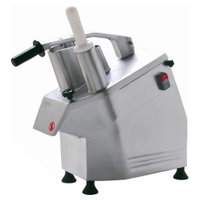
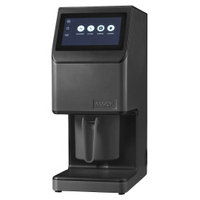
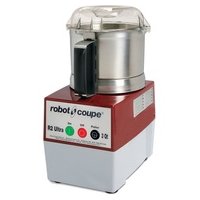
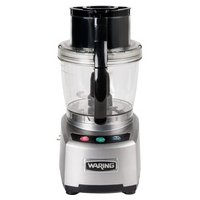
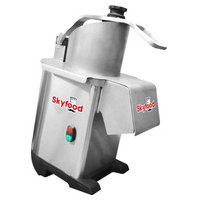
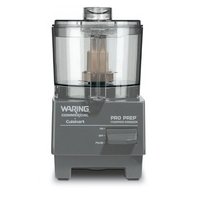
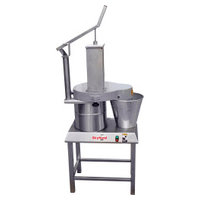
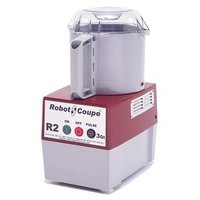
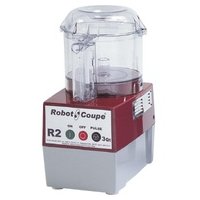
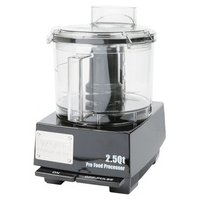
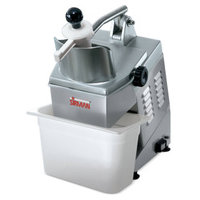
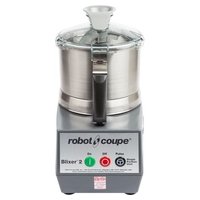
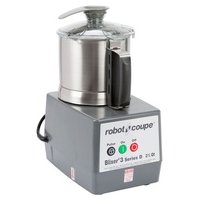
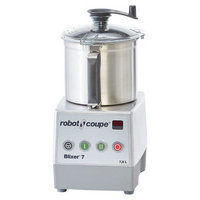
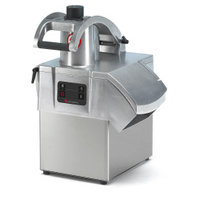
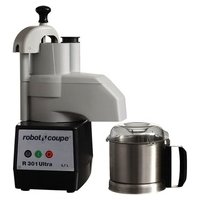
1 1/2 HP Continuous Feed Food Processor, 1,000 lbs/hr, 120v
$2,096.25 /ea
Free Shipping
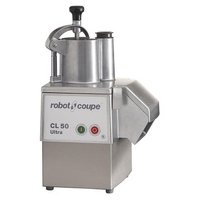
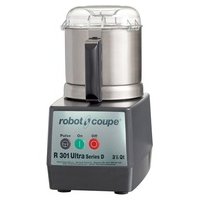
1 1/2 HP Continuous Feed Food Processor, 1,100 Lbs/Hr, 120v
$2,975.00 /ea
Free Shipping
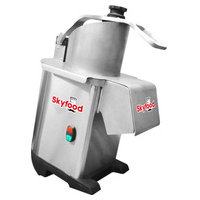
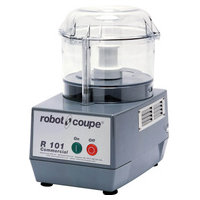
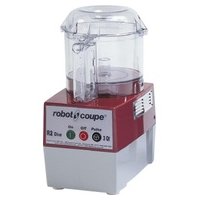
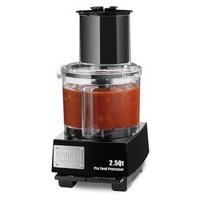
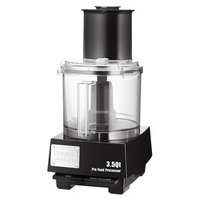
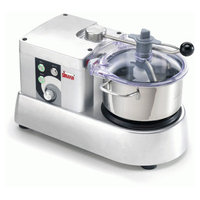
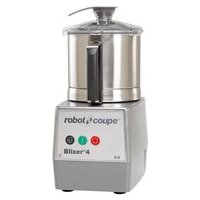
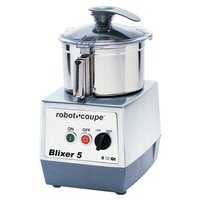
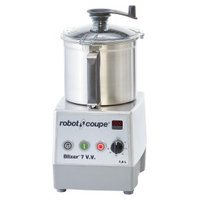
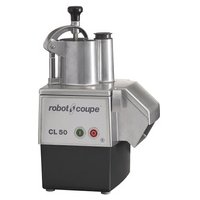
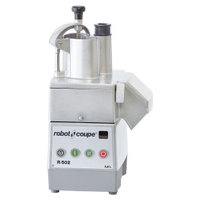
1 1/2 HP Continuous Feed Food Processor, 1,100 Lbs/Hr, 120v
$2,693.00 /ea
Free Shipping
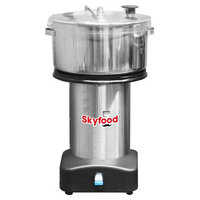
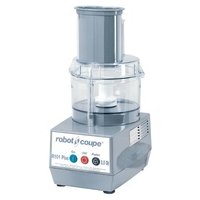
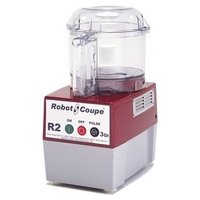
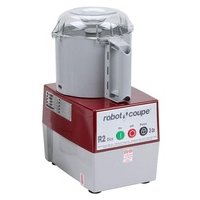
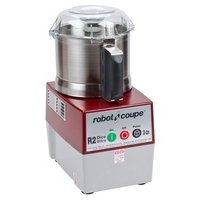
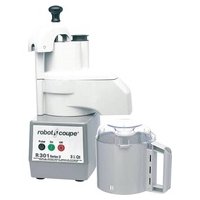
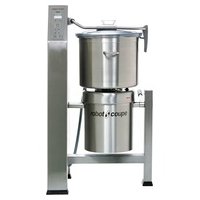
63 1/2 Quart Vertical Cutter / Mixer Food Processor, 208-240v
$32,839.00 /ea
Free Shipping
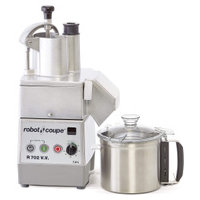
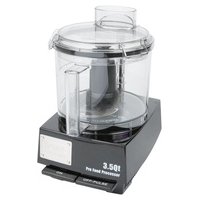
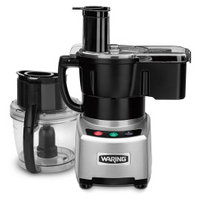
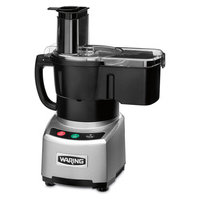
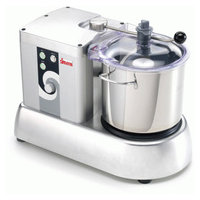
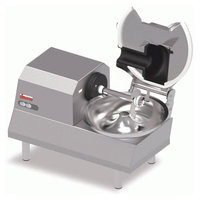
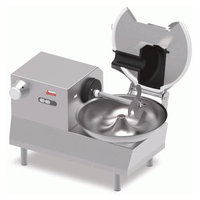
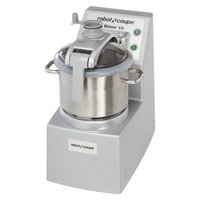
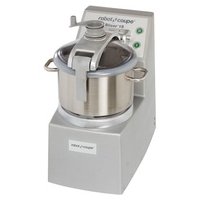
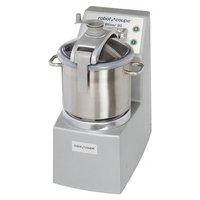
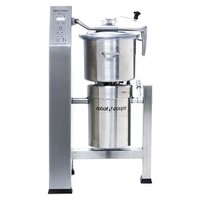
24 Quart Vertical Cutter / Mixer Food Processor, 208-240v
$16,754.00 /ea
Free Shipping
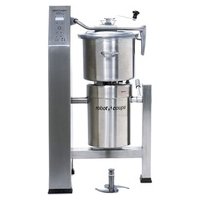
29 1/2 Quart Vertical Cutter / Mixer Food Processor, 208-240v
$20,122.00 /ea
Free Shipping
Best Commercial Food Processors for Professional Kitchens
A commercial food processor turns the longest jobs on the prep list into minutes of machine time. These machines run induction and direct drive motors from a half horsepower up to three horsepower on stainless steel, aluminum, and composite housings that come apart for cleaning.
Three formats cover most kitchens. Batch bowl models work ingredients inside a sealed bowl with an S blade for soups, dressings, purees, and emulsions, in volumes from under a quart to more than sixty quarts on vertical cutter mixers. Continuous feed models pull product through a hopper and drop the cut into a pan below, rated from a few hundred to several thousand pounds per hour. Combination units carry both, so one industrial food processor covers wet mixing and heavy duty bulk work.
We feature top-quality brands such as Robot Coupe, Sammic, Waring, Sirman, and Skyfood, and strive to provide the most competitive prices available.
Benefits of Commercial Food Processors
Speed is the first return. Cases of produce that take hours by hand or with manual produce cutters and slicers clear a feed hopper in minutes, and every slice lands at the same thickness.
Versatility is the second. Changing a disc turns a restaurant food processor from a slicer into a shredder or grater in seconds, while a bowl assembly grinds, kneads, and minces. Heavy dough work still belongs to commercial mixers.
What to Look for in Commercial Food Processors
Match the machine to daily prep volume, typical ingredients, and available electrical service. Disc choice matters as much as the base unit, since slicing, grating, dicing grid, and julienne cuts each need a different disc or blade.
- Processor type: Batch bowl, continuous feed, combination, and vertical cutter mixer.
- Capacity and throughput: Bowl volume in quarts, pounds per hour for continuous feed.
- Motor power and speed: Single, two speed, and variable drives rated by horsepower.
- Electrical service: 110, 115, 120, and 208 to 240 volt models in single or three phase.
- Discs included: Some units ship with slicing and grating discs, others leave the selection open.
- Safety and cleaning: Magnetic interlocks, motor brakes, and dishwasher safe removable parts.
Shop Commercial Food Processors Today
From compact countertop units to floor standing machines clearing thousands of pounds an hour, a commercial food processor pays for itself in labor saved and consistency gained. Pair one with commercial blenders for liquid prep.