Commercial Deli Slicers
Match your meat and cheese prep to a deli slicer with the right feed style and daily capacity
Brand
Type
Usage
Blade Size
HP
Drive Type
Power
Width
Depth
Height
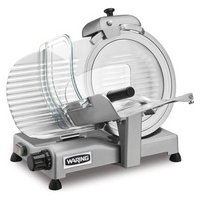
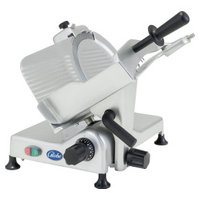
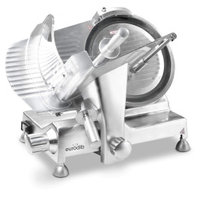
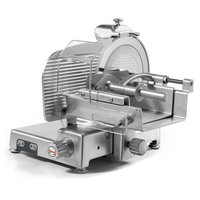
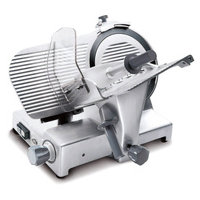
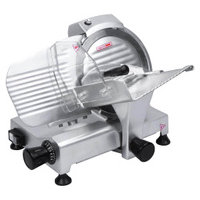
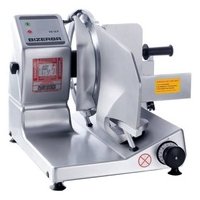
Electric Meat Slicer, 13.75" Blade, Manual Vertical Slicer
$5,844.98 /ea
Free Shipping
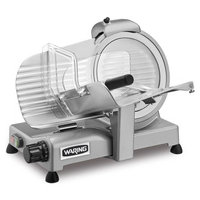
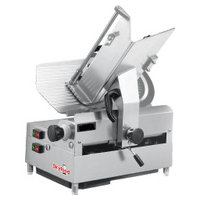
Electric Automatic Meat & Cheese Slicer, 12" Blade, Gravity Feed
$3,756.91 /ea
Free Shipping
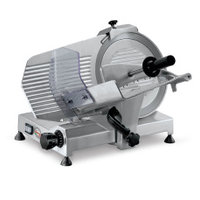
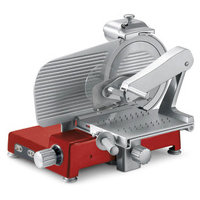
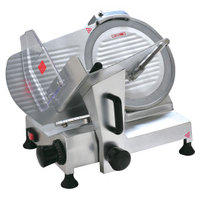
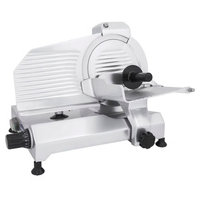
Electric Meat Slicer, 12" Blade, Manual Gravity Feed, Chefmate Series
$1,636.00 /ea
Free Shipping
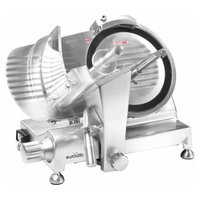
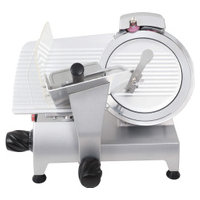
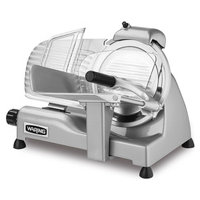
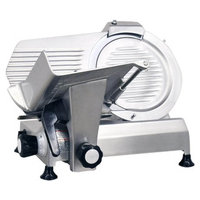
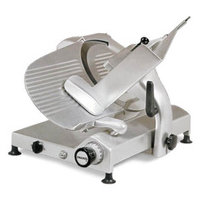
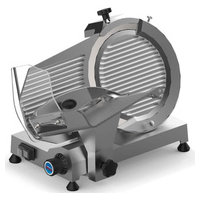
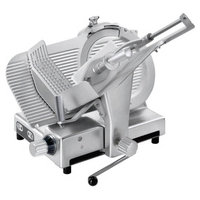
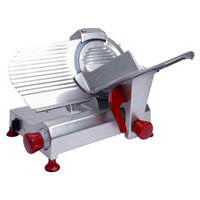
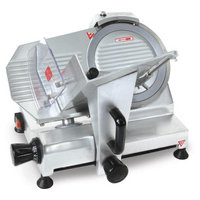
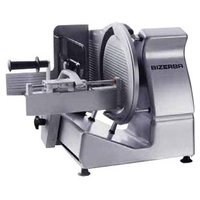
Electric Meat Slicer, 13.8" Blade, Manual Vertical Slicer
$5,844.98 /ea
Free Shipping
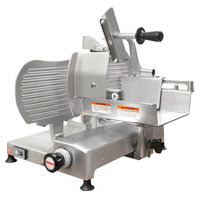
Electric Horizontal Meat & Cheese Slicer, 12-1/4" Blade, Gear Driven
$4,353.07 /ea
Free Shipping
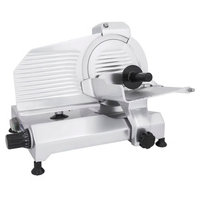
Electric Meat Slicer, 10" Blade, Manual Gravity Feed, Chefmate Series
$1,150.00 /ea
Free Shipping
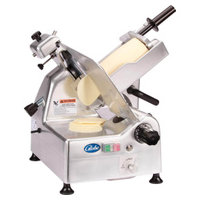
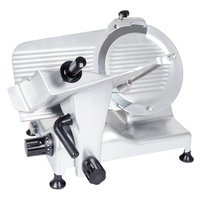
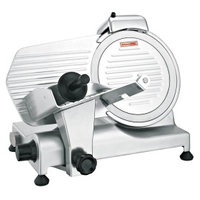
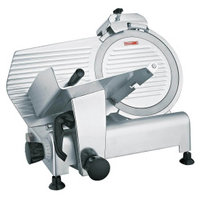
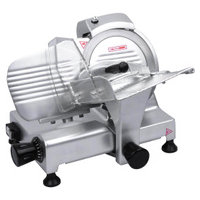
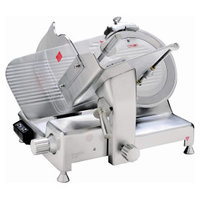
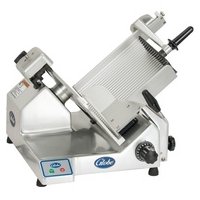
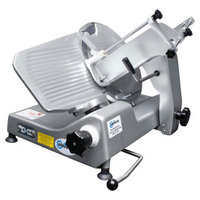
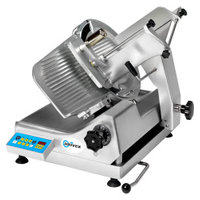
Electric Semi-Automatic Meat & Cheese Slicer, 13" Blade, Gravity Feed
$11,305.20 /ea
Free Shipping
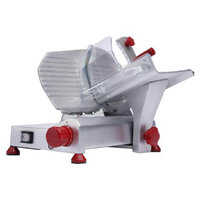
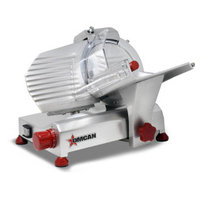
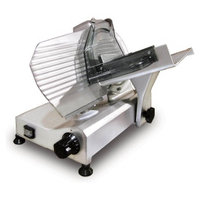
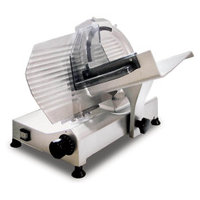
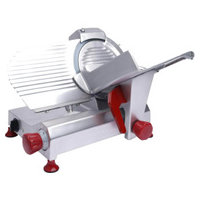
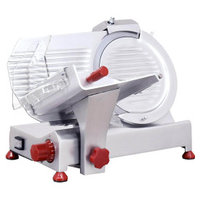
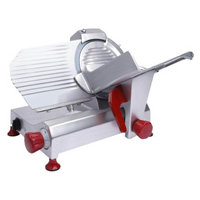
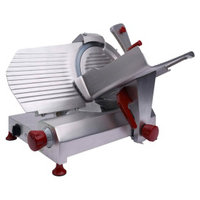
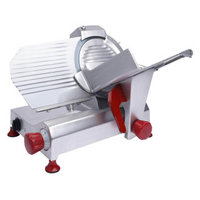
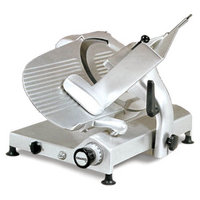
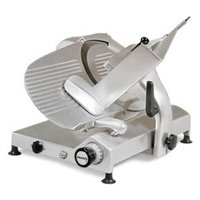
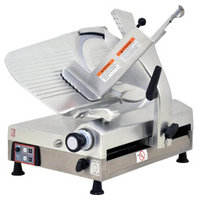
Electric Automatic Meat & Cheese Slicer, 13" Blade, Gear Driven
$10,835.01 /ea
Free Shipping
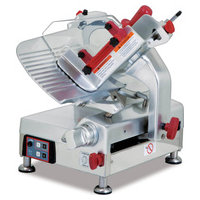
Electric Automatic Meat & Cheese Slicer, 12" Blade, Belt Driven
$7,519.06 /ea
Free Shipping
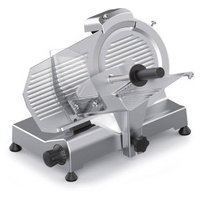
Helpful Resources
Best Commercial Deli Slicers for Professional Kitchens
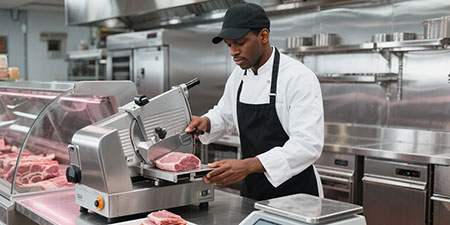
A deli slicer is one of those machines a kitchen buys once and then uses every day for a decade, which is why the wrong one is so annoying. The mistake most people make is shopping by blade size. Blade size tells you how big a roast the machine can take, and almost nothing about whether it will survive your mornings. What matters first is what you slice and for how long: a slicer that handles a few pounds of ham at lunch is a different machine from one that runs cheese for two hours before the doors open, because cheese is dense, sticky and hard on a motor, and manufacturers rate their machines for it separately. Pick the food rating first, then the duty, then the blade.
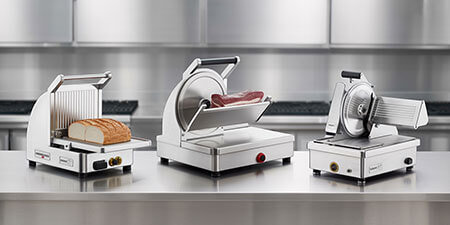
The second thing to sort out is who moves the carriage. On a manual slicer the motor spins the blade and you push the food across it, which is fine for orders as they come. On an automatic slicer the carriage moves itself, so a cook can set a thickness, load a whole roast and turn to something else while it slices a day's worth of sandwiches. Nearly everything here is electric either way. The exception is the flywheel slicer, turned by hand and built to be watched, which is why you see them in delis that slice prosciutto in front of the customer. We feature top-quality brands such as Trento, Globe, Sirman, Skyfood, and Bizerba, and strive to provide the most competitive prices available.
Benefits of Commercial Deli Slicers
The real payoff is consistency. A slicer holds the same thickness across a whole roast, so the hundredth sandwich weighs what the first one did and portion cost stops drifting with whoever is on the line. Turn the dial and the same machine goes from paper-thin for a sub to a thick cut for a platter, no blade change, no guesswork.
The other payoff shows up at close. Meat and cheese leave residue everywhere the blade touches, and a slicer with a removable chute, deflector and knife cover opens up so that cleaning is ten minutes instead of a fight. Since you will do that every night, how the machine comes apart is worth as much attention as how it cuts.
What to Look for in Commercial Deli Slicers
Use the filters to narrow the field, then check the two things the filters cannot tell you: how much counter the carriage needs when it travels, and how big a block the food holder takes.
- Food rating: meat only, or meat and cheese. If cheese is on the menu at all, buy the cheese rating.
- Feed: manual for slicing to order, automatic for batches, flywheel for slicing in view of guests.
- Blade size: 8 to 15 inches across the range. Bigger blades take bigger roasts, not heavier duty.
- Footprint: measure the counter with the carriage at full travel, not at rest, and leave room to work beside it.
- Cleaning access: look for a chute, deflector and cover that come off without tools.
Shop Commercial Deli Slicers Today
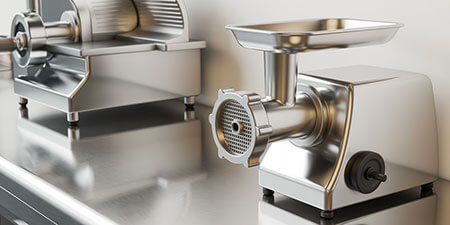
Settle the food rating and the feed, confirm the footprint, then pick the blade. If the same station grinds burger or stuffs sausage, a meat grinder belongs beside it, and bone-in cuts go to a meat and bone saw rather than a slicer.