Commercial Outdoor Kitchen Equipment Guide
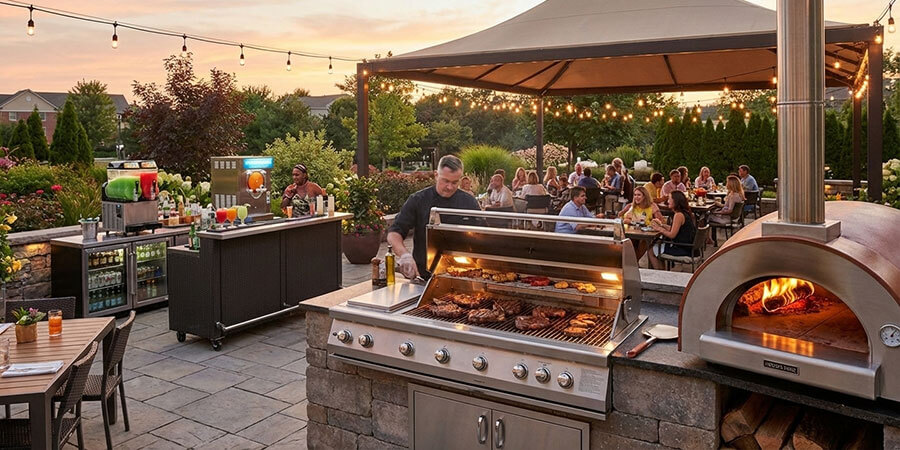
Table of Contents
Commercial outdoor kitchen equipment transforms patios, event spaces, and mobile operations into fully functional foodservice environments. Unlike indoor equipment, outdoor units must withstand weather exposure, temperature fluctuations, and the unique challenges of cooking and serving in open-air settings; from blazing summer heat to unpredictable rain and wind.
A well-planned outdoor kitchen operates in three functional zones:
- Cooking Zone - Grills, pizza ovens, gas burners, and steam tables for food production and holding
- Cold Storage Zone - Outdoor-rated refrigeration and ice machines for ingredients and beverages
- Beverage Zone - Portable bars, frozen drink dispensers, and blending equipment for drink service
Whether you're outfitting a permanent restaurant patio, building a mobile catering operation, or planning equipment for seasonal events, understanding how these zones work together ensures efficient service and satisfied guests.
Types of Commercial Outdoor Kitchen Equipment
Cooking Zone
The cooking zone forms the heart of any outdoor kitchen, providing the heat and cooking surfaces needed to prepare food for outdoor service. Equipment in this zone ranges from stationary grills for permanent patios to towable units for mobile catering.
Outdoor Grills
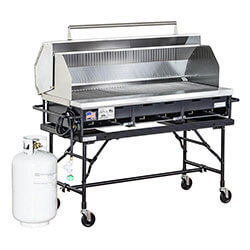
Commercial outdoor grills deliver high-heat grilling for steaks, burgers, chicken, vegetables, and other grilled menu items. Built for weather exposure and heavy use, these units feature stainless steel construction, robust burners, and grates designed for commercial volume.
- Best Uses: Restaurant patios, poolside service, event catering, outdoor dining areas
- Key Features: Stainless steel construction, multiple burner zones, built-in thermometers, grease management systems, weather-resistant components
- Fuel Types: Natural gas (permanent installations), propane (portable setups), pellet grills (wood-fired flavor with temperature control)
- Heat-Up Time: Gas: 10-15 minutes to optimal temperature; charcoal: 20-30 minutes to reach 700°F
- BTU Range: 40,000-150,000+ BTU depending on size and burner count
- Configurations: 2-6 burners, with or without side burners, rotisserie attachments available
Considerations: Permanent installations require gas line connections. Propane models offer flexibility but need tank storage and regular refills during high-volume service.
Towable Grills
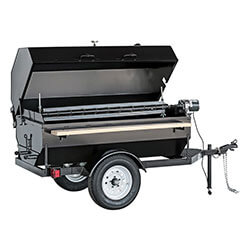
Towable grills mount on trailers with road-worthy wheels and tow hitches, allowing caterers and event operators to bring high-capacity grilling to any location. These mobile units often include multiple cooking surfaces, storage compartments, and serving areas in a single transportable package.
- Best Uses: Off-site catering, festivals, sporting events, tailgating, community gatherings
- Key Features: Trailer-mounted design, tow hitch compatibility, road-worthy wheels, multiple cooking zones, built-in storage, fold-down serving counters
- Fuel Types: Propane (standard for portability)
- BTU Range: 60,000-200,000+ BTU for large event capacity
- Configurations: Single grill to multi-station setups with warming areas
Considerations: Check trailer weight ratings and towing vehicle requirements. Some models include handwashing stations and insulated drink compartments for self-contained event service.
Wood Fired Pizza Ovens
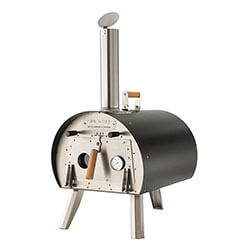
Outdoor wood fired pizza ovens reach extreme temperatures (700-900°F) for authentic Neapolitan-style pizzas with charred crusts and smoky flavor. These specialty units serve as both cooking equipment and visual attractions, drawing customer attention with live-fire cooking.
- Best Uses: Pizzerias with outdoor seating, Italian restaurants, catering operations, food trucks, event venues
- Key Features: Refractory dome construction, high-temperature insulation, removable doors, ash management, chimney/ventilation systems
- Fuel Types: Hardwood, wood pellets (some models support gas backup)
- Temperature Range: 500-900°F+ depending on fuel load and design
- Cooking Time: 60-90 seconds per pizza at optimal temperatures
- Versatility: Beyond pizza; roasted vegetables, slow-cooked meats, fresh bread, casseroles, and other dishes benefit from wood-fired heat
Considerations: Wood fired ovens require seasoning/curing before first use and ongoing ash removal. Consider fuel storage and fire safety requirements for your location.
Outdoor Gas Stoves & Burners
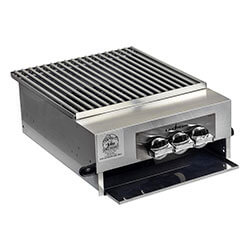
High-BTU outdoor gas stoves and burners provide powerful heat for large-batch cooking; boiling seafood, frying, stock preparation, and any application requiring serious heat output in an outdoor setting.
- Best Uses: Seafood boils, crawfish/shrimp cookouts, large-batch frying, stock production, event cooking
- Key Features: Heavy-duty cast iron or steel construction, high-BTU output, wind guards, adjustable legs, propane or natural gas compatibility
- BTU Range: 50,000-200,000+ BTU per burner
- Configurations: Single, double, or triple burner setups; some with integrated stands
Considerations: High-BTU burners consume fuel quickly. Plan propane supply accordingly for events. Wind guards are essential for consistent heat in outdoor environments.
Portable Gas Stoves
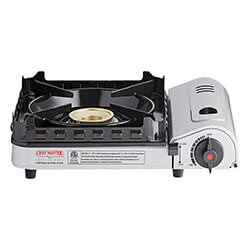
Portable gas stoves (often butane-powered) provide compact, lightweight cooking capability for small-scale outdoor prep, buffet stations, and locations without gas hookups.
- Best Uses: Tableside cooking, buffet warming, small outdoor prep stations, backup cooking, demonstrations
- Key Features: Compact design, butane canister fuel, piezo ignition, adjustable flame control, carrying cases available
- BTU Range: 7,000-15,000 BTU (designed for controlled, precise cooking rather than high-volume)
- Fuel: Butane canisters (typically 8 oz, lasting 1-2 hours at full output)
Considerations: Butane performs poorly in cold temperatures (below 40°F). Not suitable for high-volume production but excellent for finishing, demonstrations, and supplemental heat.
Outdoor Steam Tables
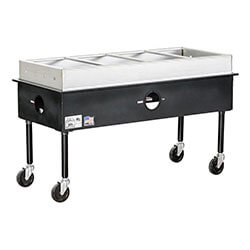
Outdoor steam tables keep prepared food at safe serving temperatures during outdoor events, buffets, and catering service. These units use water baths or dry heat to maintain consistent holding temperatures without overcooking.
- Best Uses: Outdoor buffets, catering events, food stations, patio service holding areas
- Key Features: Stainless steel construction, multiple pan wells, adjustable temperature controls, water pans or dry heat operation, portable or stationary configurations
- Power: Electric (120V or 208/240V) or propane-heated models for locations without electrical access
- Capacity: 2-6 full-size pan wells typical; some models accommodate fractional pans
Considerations: Electric models require access to adequate power. Propane models offer flexibility but need proper ventilation and fuel management.
Wood & Charcoal

Quality fuel ensures consistent heat and flavor for grilling and wood-fired cooking. Commercial operations require reliable supplies of hardwood, lump charcoal, or briquettes matched to their equipment and cooking style.
- Types: Hardwood logs (oak, hickory, apple, cherry), lump charcoal, charcoal briquettes, wood chips/chunks for smoking
- Best Uses: Wood fired pizza ovens, charcoal grills, smokers, adding smoke flavor to gas grills
- Storage: Keep dry and protected from moisture; bulk storage requires covered area
- Consumption: Plan supply based on cooking volume; wood fired ovens consume 20-40 lbs of wood per service
Considerations: Different woods impart different flavors. Oak provides neutral heat; fruitwoods (apple, cherry) add sweetness; hickory and mesquite deliver bold smoke flavor.
Cold Storage Zone
The cold storage zone keeps ingredients fresh, beverages cold, and ice readily available for outdoor service. Equipment in this zone must handle outdoor temperature fluctuations while maintaining food safety standards.
Outdoor Ice Machines
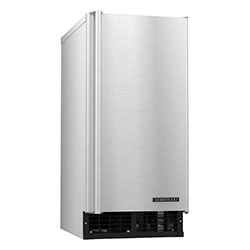
Outdoor-rated ice machines are specifically designed to operate in uncovered or semi-covered outdoor environments, featuring weatherproof construction and components rated for temperature extremes.
- Best Uses: Outdoor bars, patio service, poolside areas, food trucks, seasonal venues
- Key Features: Weather-resistant housing, corrosion-resistant materials, sealed electrical components, enhanced drainage, outdoor temperature ratings
- Production Rates: 50-200 lbs per day for undercounter outdoor models
- Ice Types: Cube, nugget, or flake depending on model
- Temperature Rating: Most outdoor models operate in ambient temperatures from 45°F-100°F
Considerations: Production rates decrease in high ambient temperatures. Plan for higher capacity than indoor installations to compensate. Drainage and water supply must be protected from freezing in cold climates.
Bar Refrigeration

Bar refrigeration units, including back bar coolers and undercounter refrigerators; keep beverages and garnishes cold and accessible for outdoor bar service. While not all models are outdoor-rated, many perform well in covered patio environments.
- Best Uses: Outdoor bars, patio beverage stations, poolside service, covered event areas
- Key Features: Glass or solid doors, adjustable shelving, bottle/can capacity, digital temperature controls, LED interior lighting
- Temperature Range: 33°F-38°F for optimal beverage storage
- Configurations: Single, double, or triple door; slide-top or swing-door styles
Considerations: Place under cover when possible. Direct sun exposure increases energy consumption and may exceed unit cooling capacity. Select models with higher ambient temperature ratings for outdoor use.
Beverage Zone
The beverage zone supports drink service with portable bar stations, frozen beverage equipment, and blending tools. For outdoor operations; especially those serving patios, pools, and events. This zone often generates significant revenue and guest satisfaction.
Portable Bars
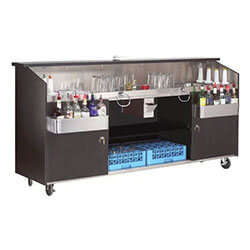
Portable bars provide complete bar service capability in a mobile package; featuring work surfaces, ice bins, speed rails, and storage in units that can be moved and set up wherever needed.
- Best Uses: Event catering, temporary patio service, poolside bars, banquet service, festivals
- Key Features: Stainless steel or laminate work surfaces, built-in ice bins, speed rails for bottles, storage compartments, locking casters, fold-down or removable components
- Configurations: 4-8 foot lengths; some with integrated sinks or refrigeration
- Portability: Casters for rolling; some models fold or disassemble for transport
Considerations: Match bar length to expected drink volume and bartender count. Larger events may need multiple bars positioned strategically. Ensure adequate ice supply; portable bars consume ice quickly in outdoor heat.
Frozen Beverage Dispensers
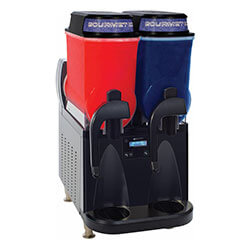
Frozen beverage dispensers (granita/slush machines) produce and serve frozen drinks like margaritas, daiquiris, frozen lemonade, and slushies. Perfect for outdoor bars, patios, and events where cold, refreshing drinks drive sales.
- Best Uses: Outdoor bars, patio restaurants, poolside service, event catering, concessions
- Key Features: Transparent hoppers for visual appeal, consistent freezing/churning, multiple flavor bowls, drip trays, pour spouts or dispensing handles
- Capacity: 1-4 bowls; 2-5 gallons per bowl typical
- Output: Continuous production maintains supply for steady service
Considerations: Frozen beverage machines are high-margin revenue generators for outdoor operations. Position prominently where customers can see the churning product. Clean daily per manufacturer instructions to maintain quality.
Commercial Blenders
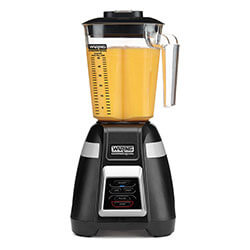
Commercial blenders support frozen drink production, smoothies, and blended cocktails for outdoor beverage service. High-performance models handle ice crushing, frozen fruit, and continuous batch production.
- Best Uses: Frozen cocktails, smoothies, blended coffee drinks, batch drink production
- Key Features: High-powered motors (2+ HP for commercial use), sound enclosures for noise reduction, programmable blend cycles, heavy-duty pitchers, blade assemblies designed for ice
- Capacity: 32-64 oz pitcher capacity typical; some with batch bowls
- Power: 120V standard; ensure adequate electrical supply for multiple units
Considerations: Outdoor bar noise is less concern than indoor, but sound-enclosed models still reduce distraction. Have backup pitchers ready during high-volume service. Position blenders on stable surfaces; vibration can cause movement.
Features & Accessories
Weather Resistance
Outdoor equipment must withstand exposure to elements that indoor equipment never faces.
| Feature: | Why It Matters: |
| Stainless Steel Construction | Resists rust and corrosion from rain, humidity, and salt air |
| Sealed Electrical Components | Prevents moisture damage to controls and ignition systems |
| UV-Resistant Materials | Prevents fading, cracking, and degradation from sun exposure |
| Enhanced Drainage | Removes water from cooking surfaces and storage areas |
| Wind Guards | Maintains consistent heat despite outdoor air movement |
Fuel Types
| Fuel: | Best For: | Pros: | Cons: |
| Natural Gas | Permanent installations | Unlimited supply, lower fuel cost | Requires gas line |
| Propane | Portable/mobile setups | Flexible placement, easy setup | Tank management, refills needed |
| Charcoal | Flavor-focused grilling | Authentic smoke flavor | Longer heat-up, ash management |
| Wood | Pizza ovens, smoking | Distinctive flavor, high heat | Skill required, storage needs |
| Butane | Small portable units | Convenient, compact | Limited heat, cold sensitivity |
| Electric | Where gas isn't available | Clean, consistent | Requires power access |
Portability Options
- Casters/Wheels: Allow movement for storage, cleaning, or repositioning
- Folding/Collapsible: Reduce footprint for transport and storage
- Trailer-Mounted: Enable road transport to event locations
- Modular Components: Mix and match elements for different setups
Covers & Protection
Outdoor equipment requires protection when not in use:
- Fitted Covers: Custom covers for grills, bars, and refrigeration units
- Canopies/Umbrellas: Shade from sun, protection from light rain during service
- Enclosures: Permanent or semi-permanent structures for valuable equipment
- Storage: Indoor or covered storage for portable equipment during off-season
Selecting the Right Outdoor Kitchen Equipment
Operation Type Matching
| Operation Type: | Recommended Equipment Focus: |
| Restaurant Patio | Permanent grills, built-in refrigeration, plumbed bar stations |
| Mobile Catering | Towable grills, portable bars, propane-powered equipment |
| Event/Festival | High-capacity portable units, self-contained setups, generator-compatible |
| Poolside Service | Compact refrigeration, portable bars, frozen beverage equipment |
| Food Truck | Space-efficient equipment, propane/electric flexibility |
Production & Capacity
Match equipment capacity to your expected volume:
- Small Operations (50-100 covers): Single grill, 4-foot portable bar, undercounter refrigeration
- Medium Operations (100-300 covers): Multiple grills or high-capacity unit, 6-8 foot bar, back bar cooler, frozen beverage dispenser
- Large Events (300+ covers): Towable grills, multiple bar stations, dedicated ice production, multiple frozen drink machines
Space & Utilities
Space Considerations:
- Allow adequate clearance around grills (typically 3+ feet from combustibles)
- Plan traffic flow between cooking, prep, and service areas
- Consider guest sightlines; visible cooking adds entertainment value
- Account for storage of propane tanks, fuel, and supplies
Utility Requirements:
- Gas: Natural gas lines for permanent installations; propane storage for portable
- Electric: Adequate amperage for refrigeration, ice machines, blenders (dedicated circuits recommended)
- Water: Supply for ice machines, handwashing, cleaning; drainage for wastewater
- Ventilation: Some jurisdictions require hood ventilation even for outdoor cooking
Budget & Total Cost of Ownership
| Equipment Category: | Entry Level: | Mid-Range: | Premium: |
| Outdoor Grills | $500-$1,500 | $1,500-$4,000 | $4,000-$10,000+ |
| Towable Grills | $2,000-$5,000 | $5,000-$15,000 | $15,000-$40,000+ |
| Wood Fired Pizza Ovens | $1,500-$4,000 | $4,000-$10,000 | $10,000-$25,000+ |
| Outdoor Ice Machines | $1,500-$3,000 | $3,000-$5,000 | $5,000-$8,000+ |
| Portable Bars | $500-$1,500 | $1,500-$4,000 | $4,000-$8,000+ |
| Frozen Beverage Dispensers | $1,000-$2,500 | $2,500-$5,000 | $5,000-$10,000+ |
Operating Costs: Factor in fuel consumption (propane, charcoal, wood), electricity, ice production, and maintenance/replacement of weather-exposed components.
Compliance & Safety
- Fire Codes: Check local requirements for outdoor cooking equipment clearances and suppression
- Health Department: Food handling, temperature holding, and handwashing requirements apply outdoors
- Gas Regulations: Propane storage limits, connection requirements, and inspection schedules
- Electrical Codes: GFCI protection required for outdoor outlets; proper grounding essential
- ADA Compliance: Accessible service areas for outdoor dining
Installation & Maintenance
Installation Checklist
- Verify local permits and code requirements for outdoor cooking/food service
- Confirm utility availability (gas, electric, water) and capacity
- Plan equipment placement with proper clearances and traffic flow
- Install gas lines (by licensed professional) for permanent equipment
- Ensure GFCI-protected electrical outlets for all powered equipment
- Set up proper drainage for ice machines and wastewater
- Test all equipment before opening for service
- Train staff on outdoor-specific safety procedures
Care Schedule
| Task: | Frequency: | Details: |
| Clean cooking surfaces | After each use | Remove grease, food debris; brush grates |
| Wipe down exteriors | Daily | Mild detergent, rinse, dry to prevent spotting |
| Empty grease traps | Daily/weekly | Prevent overflow and fire hazard |
| Check propane levels | Before each service | Ensure adequate fuel supply |
| Sanitize food contact surfaces | Daily | Food-safe sanitizer per health code |
| Clean ice machine | Weekly | Sanitize bin, wipe exterior |
| Deep clean grills | Weekly | Degrease burners, clean interior |
| Inspect gas connections | Monthly | Check for leaks, wear, corrosion |
| Service refrigeration | Quarterly | Clean condenser coils, check seals |
| Season/maintain pizza oven | Seasonally | Remove ash, inspect dome, re-season if needed |
| Winterize equipment | End of season | Drain water lines, protect from freezing, cover or store |
Troubleshooting Highlights
- Grill won't ignite: Check propane level, verify gas valve open, clean igniter, check for clogs
- Uneven grill heat: Clean burner ports, check for blockages, verify all burners functioning
- Ice machine low output: Check water supply, clean condenser, verify ambient temperature in range
- Refrigeration not cooling: Check door seals, clean condenser coils, verify placement allows airflow
- Frozen beverage machine not freezing: Check power, verify product level, clean and inspect auger
Frequently Asked Questions
What's the difference between permanent patio equipment and portable/event equipment?
Permanent equipment connects to fixed utilities (gas lines, plumbing, dedicated electrical) and stays in place year-round, ideal for restaurant patios. Portable equipment runs on propane or standard outlets, includes wheels or transport features, and can move between locations; essential for caterers and event operators.
How do I protect outdoor equipment from weather?
Use fitted covers when equipment isn't in use, position under canopies or permanent cover when possible, and select outdoor-rated models with weather-resistant construction. Store portable equipment indoors during off-season. Regular cleaning prevents moisture and debris damage.
What power do I need for outdoor events without permanent electrical?
Generators are standard for event setups. Calculate total wattage needs (refrigeration, blenders, ice machines, lighting) and select a generator with 20-30% extra capacity. Quiet generators (inverter type) are preferable near guest areas. Always use proper extension cords rated for outdoor use and amperage requirements.
Which fuel type is best for outdoor grilling?
Natural gas offers unlimited supply and lower cost for permanent installations. Propane provides flexibility for portable setups but requires tank management. Charcoal delivers authentic smoke flavor but needs longer heat-up time. Choose based on your installation type, menu requirements, and operational preferences.
Do outdoor ice machines work in all temperatures?
Outdoor-rated ice machines typically operate in ambient temperatures from 45°F-100°F. Production decreases in extreme heat. Below 45°F, water lines and components may freeze. Plan capacity accordingly and protect water supply from freezing in cold climates.
What frozen beverage equipment do I need for outdoor bar service?
Start with a 2-bowl frozen beverage dispenser for variety (e.g., margaritas and daiquiris). Add commercial blenders for custom frozen drinks. High-volume operations may need multiple machines. Position equipment where guests can see the product; visual appeal drives impulse purchases.
How do I size portable bar equipment for events?
Plan approximately 4 feet of bar space per bartender and one bartender per 75-100 guests for standard service (more for cocktail-heavy events). A 6-foot portable bar handles most small-medium events; larger gatherings need multiple bars positioned to reduce wait times.
What ventilation is required for outdoor cooking?
Requirements vary by jurisdiction. Some areas require commercial hoods even for outdoor cooking; others exempt outdoor installations. Check local fire and health codes. At minimum, position grills away from combustible overhangs and ensure smoke disperses away from guest areas.
Can I use standard indoor refrigeration equipment outdoors?
Standard indoor units aren't rated for outdoor temperature fluctuations, humidity, or direct sun. They may fail to maintain temperature in heat or suffer moisture damage. Use outdoor-rated or high-ambient-temperature models for uncovered locations. Indoor units can work in fully covered, climate-controlled patio areas.
How do I store outdoor equipment during off-season?
Clean thoroughly before storage, drain all water lines, disconnect gas and electrical, and cover or store in a dry location. Propane tanks should be stored upright outdoors in ventilated areas, never indoors. Inspect equipment before next season's use and perform maintenance as needed.
Shop Outdoor Kitchen Equipment
Cooking Equipment
- Commercial Outdoor Cooking Equipment - Complete outdoor cooking selection
- Commercial Outdoor Grills - Stationary outdoor grills
- Towable Outdoor Grills - Mobile trailer-mounted grills
- Wood Fired Pizza Ovens - Authentic wood-burning ovens
- Outdoor Gas Stoves & Burners - High-BTU outdoor burners
- Portable Gas Stoves - Butane and portable units
- Outdoor Steam Tables - Food holding for outdoor service
- Wood & Charcoal - Fuel for grilling and wood-fired cooking
Cold Storage
- Outdoor Ice Machines - Outdoor-rated ice production
- Bar Refrigeration - Beverage cooling solutions
- Back Bar Coolers - Display refrigeration for bars
Beverage Equipment
- Portable Bars - Mobile bar stations
- Frozen Beverage Dispensers - Slush and granita machines
- Commercial Blenders - High-performance blending
Related Guides & Resources
- Commercial Cooking Equipment Guide - Overview of all cooking equipment categories
- Commercial Charbroiler Guide - Charbroiler selection and use
- Commercial Slushie Machine Guide - Frozen beverage equipment guide
- Commercial Blender Guide - Blender selection for foodservice
- Undercounter Ice Machine Guide - Ice machine types and selection
Share This!