Ghost Kitchen Business Model Explained
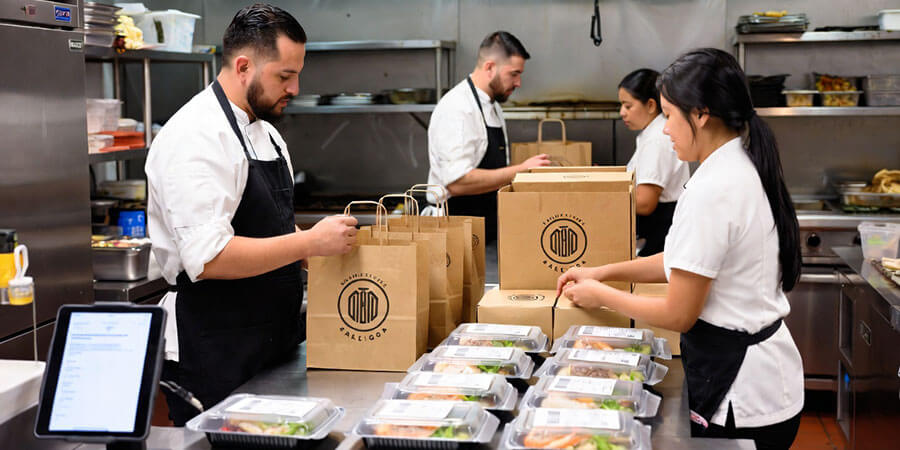
Table of Contents
What ghost kitchens are, how they compare to virtual restaurants, and whether this model fits your foodservice goals
The restaurant industry looks fundamentally different than it did five years ago. Delivery orders now account for a significant share of total restaurant revenue, and that shift has created an entirely new way to run a food business - the ghost kitchen. Whether you have heard the term and wondered what it means, or you are seriously considering launching one, understanding the full picture before investing is critical.
This post covers what a ghost kitchen is, how the business model works across different formats, the real advantages and disadvantages, essential equipment, and how to avoid the mistakes that sink most ghost kitchen ventures.
What Is a Ghost Kitchen
A ghost kitchen - also called a dark kitchen, cloud kitchen, or virtual kitchen - is a foodservice operation built exclusively for delivery and takeout. There is no dining room, no front-of-house staff, and no walk-in customers. Orders come in through third-party delivery platforms or the restaurant's own ordering system, and drivers pick up completed meals for delivery.
From the outside, a ghost kitchen might look like a warehouse or a converted commercial space. From the customer's perspective, it looks like any other restaurant on a delivery app - they browse a menu, place an order, and receive their food without ever visiting the physical kitchen.
The concept gained momentum during the pandemic, but ghost kitchens are not a temporary trend. The delivery-only model solves real structural problems in the restaurant business - high rent, expensive buildouts, and the overhead of managing a full dining operation.
Ghost Kitchens vs Virtual Restaurants
These terms get used interchangeably, but they mean different things.
A ghost kitchen is the physical space - a kitchen facility designed for delivery-only cooking.
A virtual restaurant is the brand - a restaurant concept that exists only on delivery platforms with no physical dining location.
Here is where it gets practical: a single ghost kitchen can house multiple virtual restaurant brands simultaneously - all from the same cooking line, using overlapping ingredients and the same staff. Each brand has its own menu, delivery app listing, and customer base.
| Ghost Kitchen Business Model Explained: | What It Describes: | Physical Space: | Customer-Facing: |
| Ghost kitchen | The physical cooking facility | Yes - kitchen only, no dining room | No - customers never visit |
| Virtual restaurant | The brand and menu concept | No - operates from an existing kitchen | Yes - appears on delivery apps |
| Traditional restaurant | Full-service operation | Yes - kitchen plus dining room | Yes - dine-in and possibly delivery |
| Commissary kitchen | Shared commercial kitchen space | Yes - rented by multiple operators | No - used for food production only |
An existing restaurant can launch a virtual brand from its own kitchen without becoming a ghost kitchen. The distinction is about the facility being delivery-only.
Types of Ghost Kitchen Models
The model you choose affects startup costs, operational control, and growth potential.
Owned and Operated
You lease or purchase a commercial kitchen space and run your own delivery-only operation. You control the menu, equipment, staff, and branding. This requires the most upfront investment but offers the highest margins and most control over quality. It works best for experienced operators who understand food preparation workflows.
Shared or Commissary Kitchen
You rent time or space in a shared commercial kitchen alongside other food businesses. The kitchen owner provides the facility and major equipment - you bring your concept and ingredients. Shared kitchens lower the barrier to entry and are ideal for testing a concept. The tradeoff is less control over your schedule and limitations on customization.
Third-Party Platform Model
Companies that specialize in ghost kitchen infrastructure lease fully equipped kitchen stations to multiple operators under one roof. They handle the facility and equipment while you focus on cooking and managing your brand. This is the fastest way to launch but comes with the highest ongoing fees and least flexibility.
Hybrid Model
An existing restaurant adds a delivery-only brand from its current kitchen during off-peak hours. This leverages existing equipment and staff without a separate facility, turning underutilized capacity into a new revenue stream.
Advantages of the Ghost Kitchen Model
The appeal comes down to economics and flexibility.
Lower startup and operating costs. Without a dining room, you eliminate rent for customer-facing space, furniture, decor, tableware, and front-of-house staff. A ghost kitchen can launch in a space that would be too small or poorly located for a traditional restaurant.
Faster launch timeline. A traditional restaurant buildout takes six months to over a year. A ghost kitchen in a shared or third-party space can launch in weeks.
Location flexibility. Ghost kitchens do not need foot traffic, visibility, or parking. You can operate from an industrial area or secondary commercial zone where rent is substantially lower. What matters is proximity to your delivery radius, not a prime storefront.
Ability to run multiple brands. One kitchen, multiple concepts. Test different cuisines, target different customer segments, and diversify revenue without multiplying overhead. If a brand underperforms, shut it down without closing a restaurant.
Data-driven menu optimization. Delivery platforms provide detailed data on what sells, what gets reordered, and what gets abandoned in the cart. Ghost kitchen operators can adjust menus faster because there are no printed menus, no server retraining, and no branding tied to a single concept.
Lower labor requirements. No servers, hosts, bussers, or bartenders. Ghost kitchens need kitchen staff and a packaging station. In a tight labor market, fewer positions to fill is a real advantage.
Disadvantages and Real Challenges
These are the challenges that catch operators off guard.
Platform dependency and fees. Third-party delivery platforms charge commission fees that cut into margins on every order. Without dine-in revenue to offset those costs, ghost kitchens feel platform fees more acutely than traditional restaurants.
No direct customer relationship. When a customer orders through a delivery app, the platform owns that relationship. You may not get contact information, you cannot control the delivery experience, and a bad driver can ruin a five-star meal. Building brand loyalty is harder when a third party sits between you and your customer.
Quality control in delivery. Food that tastes great plated in a dining room does not always travel well. Ghost kitchen menus must be designed for delivery - items that hold temperature, maintain texture, and arrive looking appetizing. This requires careful packaging strategies using appropriate disposable containers and supplies.
Marketing is entirely on you. A traditional restaurant benefits from foot traffic, signage, and word of mouth. A ghost kitchen has none of that. Every customer must be acquired through digital marketing strategies that require real investment.
Intense competition on platforms. Your listing sits alongside hundreds of other options. Standing out requires strong food photography, competitive pricing, consistent ratings, and fast preparation times.
Regulatory and zoning complexity. Zoning laws, health department requirements, and business licensing for delivery-only operations vary by jurisdiction and are still catching up to the model.
| Factor: | Advantage: | Disadvantage: |
| Startup costs | Significantly lower than traditional restaurant | Still requires equipment and licensing investment |
| Overhead | No dining room, fewer staff | Platform fees reduce margins |
| Customer access | Reach anyone in delivery radius | No walk-in traffic or dine-in upselling |
| Brand building | Test multiple concepts quickly | Harder to build loyalty without physical presence |
| Menu flexibility | Easy to change, data-driven | Must design for delivery travel |
| Location | Low-rent areas work fine | Must be within delivery range of customers |
| Marketing | No prime retail space needed | Must invest heavily in digital channels |
| Quality control | Full control of kitchen operations | No control once food leaves kitchen |
Essential Equipment for a Ghost Kitchen
Ghost kitchens need the same core cooking equipment as any commercial kitchen, but the layout priorities differ. Every square foot must be productive since there is no dining space subsidizing underused area.
Most ghost kitchens need cooking equipment (ranges, ovens, fryers, or griddles matched to the menu), refrigeration, food prep stations with adequate counter space, a dedicated packaging and order staging area, shelving for containers and supplies, a handwashing station and three-compartment sink (or commercial dishwasher depending on local code), and a ventilation hood system.
The packaging station is uniquely important. This is where orders are assembled, verified against tickets, sealed, and staged for driver pickup. In a ghost kitchen, a poorly designed packaging area becomes a critical bottleneck.
Invest in quality restaurant equipment that matches your expected volume. Equipment failures have an outsized impact when delivery is your only revenue channel.
Who Ghost Kitchens Work Best For
Ghost kitchens are not the right fit for every operator. They work best in specific situations.
First-time restaurant entrepreneurs who want to test a concept without the financial risk of a full buildout. A ghost kitchen lets you validate your menu and your market before committing to a brick-and-mortar location.
Existing restaurant operators looking to expand into new cuisines or customer segments without opening additional locations. A virtual brand from your current kitchen is faster and cheaper than a second restaurant.
Catering companies that want to add a consumer delivery revenue stream using kitchen capacity that sits idle between events.
Food entrepreneurs in high-rent markets where the cost of a traditional lease makes the economics nearly impossible for a new concept.
Ghost kitchens are a poor fit if your concept depends on ambiance, tableside service, or menu items that do not travel well - delicate plating, items that must be served immediately, or concepts where presentation is central to the value.
How to Start a Ghost Kitchen
Launching a ghost kitchen follows many of the same steps as opening a traditional restaurant, but with different priorities.
Define your concept around delivery. Start with the menu, not the space. Every item must travel well, hold temperature, and arrive looking like what the customer expected. Test packaging before you finalize the menu.
Choose your model. Decide whether to lease your own space, use a shared kitchen, or join a third-party facility. Each has different cost structures and levels of control.
Secure licensing and permits. Contact your local health department and zoning office early. Requirements for delivery-only kitchens vary by location and the permitting process can take longer than expected.
Set up your technology stack. You need a POS system integrated with delivery platforms, a kitchen display system, and ideally your own online ordering channel. Restaurant technology directly impacts order accuracy and speed.
Build your delivery platform presence. Your listing on delivery apps is your storefront. Invest in professional food photography, clear menu descriptions, and competitive pricing.
Develop a marketing plan. Do not rely solely on delivery app visibility. Build your own channels - social media, email, local partnerships - to drive direct orders. A strong restaurant marketing strategy is essential for long-term viability.
Common Mistakes That Sink Ghost Kitchens
Ignoring packaging. The container your food arrives in is your dining room. Cheap or poorly sealed packaging kills repeat business. Budget for quality packaging and test it with your actual menu items.
Launching on every platform simultaneously. Start with one or two platforms, master the operations, then expand. Spreading too thin too early leads to errors and bad reviews.
Underestimating marketing costs. Ghost kitchens have zero built-in visibility. Successful operators allocate meaningful budget to marketing strategies from day one.
Designing a dine-in menu for delivery. Crispy items get soggy, sauces leak, and elaborate plating falls apart in transit. Build your menu for the container, not the plate.
Neglecting direct ordering channels. Relying exclusively on third-party platforms surrenders your margins and customer data. Even a simple direct ordering option gives you better economics and a relationship you own.
Frequently Asked Questions
What is a ghost kitchen and how does it work?
A ghost kitchen is a commercial cooking facility that prepares food exclusively for delivery and takeout with no dining room or walk-in service. Orders come in through delivery platforms or direct online ordering, kitchen staff prepare the food, and drivers pick it up for delivery.
How is a ghost kitchen different from a virtual restaurant?
A ghost kitchen is the physical space - the delivery-only kitchen facility. A virtual restaurant is the brand - a concept that exists only online with no physical dining location. A single ghost kitchen can operate multiple virtual restaurant brands, each with its own menu and delivery app listing.
Are ghost kitchens profitable?
Ghost kitchens can be profitable, but success depends on controlling food costs, platform commission fees, and order volume. Lower overhead helps, but platform fees reduce per-order margins. Operators who build direct ordering channels and optimize menus for delivery efficiency tend to reach profitability faster.
What equipment do I need to start a ghost kitchen?
Core equipment includes cooking equipment matched to your menu, commercial refrigeration, food prep stations, a ventilation hood system, a three-compartment sink or commercial dishwasher, and a dedicated packaging and order staging area. The specific setup depends on your menu concept and expected volume.
Who should consider opening a ghost kitchen?
Ghost kitchens work best for first-time entrepreneurs testing a concept, existing operators expanding into new brands, catering companies adding consumer delivery, and food entrepreneurs in high-rent markets. They are a poor fit for concepts that depend on ambiance or tableside service.
What are the biggest risks of running a ghost kitchen?
The biggest risks include dependence on third-party delivery platforms and their fees, difficulty building customer loyalty without a physical presence, intense competition on delivery apps, and loss of quality control once food leaves the kitchen. Marketing costs can also be higher than expected.
Can I run a ghost kitchen from my existing restaurant?
Yes. Many restaurants launch virtual brands from their existing kitchen during off-peak hours. This hybrid model uses capacity and staff you are already paying for, making it one of the lowest-risk ways to enter the ghost kitchen space.
Related Resources
- Opening a Restaurant - Prepping for Day 1 - From concept to opening day
- Restaurant Technology Guide - Building the right tech stack for modern operations
- Restaurant Marketing Guide - Strategies for visibility and driving orders
- Impact of Digital Marketing on the Food Service Industry - How digital channels reshape restaurant marketing
Share This!