Restaurant Marketing Guide
Table of Contents
Essential marketing strategies that help new restaurant owners attract customers and build lasting local success
Effective marketing is essential for restaurant success - research shows that 60% of restaurants fail within the first year, often due to insufficient customer awareness rather than food quality alone. This comprehensive pillar guide covers everything restaurant owners need to know about marketing: understanding your target audience, building a memorable brand, mastering digital channels (website, social media, email, SEO, online ordering, local listings), leveraging traditional tactics (print, radio, direct mail, community events), and creating promotions that drive profitable traffic. With links to 11 specialized marketing guides for deeper coverage, this resource serves as your complete roadmap to restaurant marketing success.
Opening a restaurant is an exciting achievement, but serving great food is only part of the equation for success. Without effective marketing, even the best restaurants struggle to attract enough customers to stay in business. The restaurant industry is notoriously competitive - approximately 60% of restaurants fail within their first year, and 80% close within five years. While many factors contribute to these failures, insufficient marketing and customer awareness rank among the most common causes.
The good news is that effective restaurant marketing doesn't require a massive budget or marketing expertise. It requires understanding your customers, communicating what makes your restaurant special, and consistently showing up where your potential customers are looking. With 90% of diners researching restaurants online before visiting and 89% choosing restaurants based on local factors like proximity and community reputation, the opportunities to reach customers have never been greater.
This guide walks you through the fundamentals of restaurant marketing - from understanding who your customers are to building a brand that resonates, from digital strategies to traditional tactics that still work, and from creating a marketing plan to measuring whether it's working. Consider this your roadmap to marketing success as a new restaurant owner.
Why Marketing Matters for New Restaurants
Many new restaurant owners believe that great food will speak for itself - that word will spread naturally and customers will find them. While quality absolutely matters, this "build it and they will come" approach rarely works in today's competitive landscape.
The reality is stark: restaurants that actively market see 20-30% higher customer retention than those that don't. Marketing isn't about tricking people into visiting a mediocre restaurant - it's about ensuring the people who would love your food actually know you exist.
Marketing serves several critical functions for new restaurants:
Building awareness - Before customers can choose you, they need to know you exist. A new restaurant in a competitive market is essentially invisible until it makes itself known. Marketing creates the initial awareness that fills seats during those crucial early months.
Establishing your brand - Every interaction a potential customer has with your restaurant - from seeing your sign to reading a review to visiting your website - shapes their perception of who you are. Strategic marketing ensures you control that narrative rather than leaving it to chance.
Attracting the right customers - Not every diner is your ideal customer. Marketing helps you reach the specific people most likely to love what you offer, leading to better reviews, more repeat visits, and stronger word-of-mouth.
Creating competitive advantage - In a market with many dining options, marketing differentiates you from competitors. It communicates why someone should choose your restaurant over the one down the street.
Building long-term sustainability - Consistent marketing builds a pipeline of new customers while nurturing relationships with existing ones. This creates the stable revenue foundation that allows restaurants to survive slow periods and thrive long-term.
Understanding Your Target Audience
Effective marketing starts with knowing who you're trying to reach. "Everyone who likes to eat" is not a target audience - it's a recipe for unfocused marketing that resonates with no one. The more specifically you understand your ideal customers, the more effectively you can reach them.
Defining Your Target Market
Your target market is the broad group of people most likely to dine at your restaurant. Consider factors like:
Demographics - Age, income level, family status, occupation, and location. A fast-casual lunch spot near office buildings has a different target market than a fine dining establishment in a residential neighborhood.
Dining occasions - What brings people to restaurants like yours? Quick weekday lunches, family dinners, date nights, business meals, celebrations? Understanding the occasions you serve shapes how you market.
Geographic reach - How far will people travel to reach you? For most restaurants, especially newer ones, the primary market is within a 3-5 mile radius. Focus your marketing accordingly.
Psychographics - Values, interests, and lifestyle factors that influence dining choices. Health-conscious diners, adventure seekers trying new cuisines, families prioritizing convenience, foodies seeking unique experiences - understanding what motivates your customers helps you speak their language.
Creating Customer Personas
Customer personas take your target market understanding deeper by creating detailed profiles of your ideal customers. Rather than marketing to a vague group, you're speaking to "Busy Professional Sarah" or "Family-Focused Mike."
A useful customer persona includes:
- Name and basic demographics
- Occupation and income level
- Family situation
- Dining habits and preferences
- What they value in a restaurant experience
- Where they discover new restaurants
- What would make them choose you over competitors
Creating 2-3 detailed personas helps you make marketing decisions. When considering a new promotion or platform, ask: "Would Sarah care about this? Would Mike see this?"
Researching Your Market
Don't guess about your customers - gather real information:
- Observe your current customers if you're already open - who's actually dining with you?
- Study your competition - who are they attracting and how?
- Survey potential customers in your area about dining habits
- Analyze neighborhood demographics using census data and local business resources
- Monitor social media conversations about dining in your area
Building Your Restaurant Brand
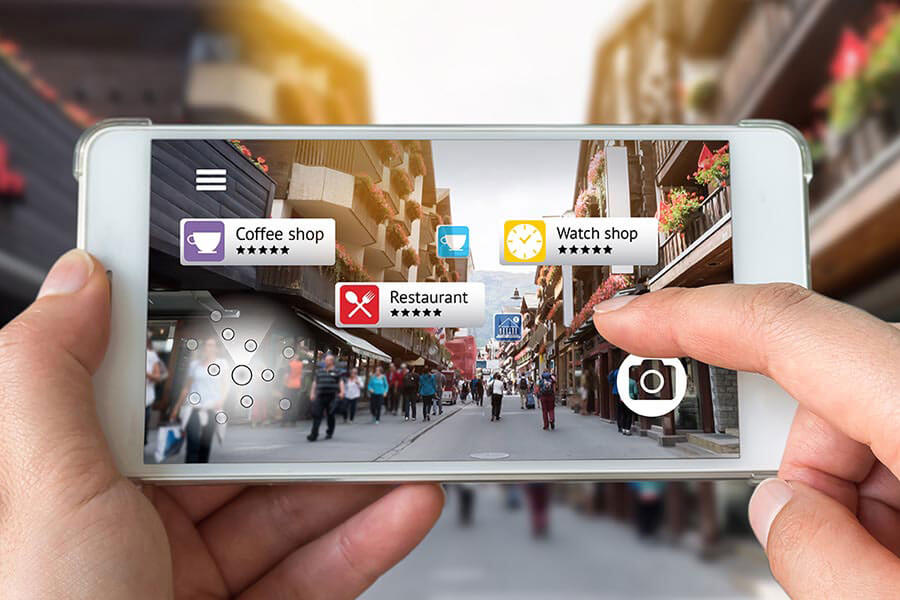
Your brand is more than your logo - it's the complete impression your restaurant makes on customers. A strong brand creates recognition, builds trust, and gives customers a reason to choose you over alternatives.
Brand Identity Elements
Your restaurant's name should be memorable, easy to pronounce, and hint at what you offer. It's often the first brand element customers encounter, so it matters.
Visual identity includes your logo, color palette, typography, and design aesthetic. These elements should appear consistently across your signage, menus, website, social media, and physical space. Consistency builds recognition - customers should recognize your brand whether they see it on a social media post or a delivery bag.
Brand voice is how you communicate - formal or casual, playful or sophisticated, warm or edgy. Your voice should match your concept and resonate with your target customers. A family pizzeria speaks differently than an upscale steakhouse.
Brand story gives customers something to connect with beyond food. Why did you open this restaurant? What makes your approach special? What do you stand for? Stories create emotional connections that price and convenience alone cannot.
Brand Consistency
Every customer touchpoint should reinforce your brand:
- Physical space - decor, music, lighting, staff uniforms
- Menu design - layout, descriptions, pricing presentation
- Website and social media - visual design, tone, content
- Customer service - how staff interact with guests
- Packaging - takeout containers, bags, delivery presentation
- Marketing materials - ads, flyers, email design
For guidance on menu design that reinforces your brand, see our Restaurant Menu Design Guide.
Digital Marketing Channels
Digital marketing has transformed how restaurants reach customers. With 87% of diners searching for restaurants on their smartphones, your digital presence often determines whether someone visits.
Website and Online Presence
Your website is often the first impression potential customers have of your restaurant - and for many, it determines whether they visit at all. A study by SinglePlatform found that restaurants receive more online searches than any other consumer category, making your website one of your most important marketing assets.
Essential Pages Every Restaurant Website Needs:
- Homepage - Clear value proposition, appetizing hero image, immediate access to menu and location
- Menu page - Both downloadable PDF and HTML version with descriptions; include dietary information and allergen notes
- Location and hours - Embedded map, parking information, accessibility details
- About page - Your story, team introductions, sourcing philosophy
- Contact and reservations - Multiple ways to reach you, online booking integration
Mobile Optimization is Non-Negotiable
Over 75% of restaurant searches happen on mobile devices. Your website must load quickly, display properly on small screens, and make key actions - calling, getting directions, viewing the menu - accessible with a single tap. Test your site on multiple devices regularly.
Common Website Mistakes to Avoid:
| Mistake: | Why It Hurts: |
| PDF-only menus | Don't load properly on mobile, can't be indexed by search engines |
| Outdated information | Wrong hours or old menus frustrate customers and damage trust |
| No clear call-to-action | Visitors don't know what to do next |
| Slow load times | 53% of visitors abandon sites that take over 3 seconds to load |
| Missing reservation/ordering | Customers leave to find restaurants that make booking easy |
For complete guidance on building a website that converts visitors into customers, see our Restaurant Website Guide.
Google Business Profile and Local Listings
Your Google Business Profile (formerly Google My Business) may be more important than your website. When someone searches "restaurants near me," your profile determines whether you appear and how compelling you look. But Google isn't the only platform that matters - a comprehensive local listings strategy ensures customers can find you wherever they search.
The Local Listings Ecosystem
Your restaurant should be claimed and optimized across multiple platforms:
- Google Business Profile - The most critical; drives Maps and Search visibility
- Yelp - Still highly influential for restaurant discovery and reviews
- TripAdvisor - Essential if you're in a tourist area or destination dining
- Apple Maps - Often overlooked but used by millions of iPhone users daily
- Facebook - Your business page doubles as a listing with reviews and check-ins
NAP Consistency Matters
NAP stands for Name, Address, and Phone number - and these details must be identical across every platform. Even small variations ("Street" vs "St." or different phone formats) can hurt your local search rankings and confuse customers. Audit your listings quarterly to ensure consistency.
Optimization Checklist
| Element: | Why It Matters: | Why It Matters: |
| Business categories | Determines which searches you appear for | Determines which searches you appear for |
| High-quality photos | Listings with photos get 42% more direction requests | Listings with photos get 42% more direction requests |
| Complete attributes | Outdoor seating, WiFi, wheelchair access, price range | Outdoor seating, WiFi, wheelchair access, price range |
| Regular posts | Shows activity, highlights specials and events | Shows activity, highlights specials and events |
| Q&A section | Proactively answer common questions before customers ask | Proactively answer common questions before customers ask |
| Review responses | Shows engagement and builds trust with potential customers | Shows engagement and builds trust with potential customers |
Pro tip: Set a weekly reminder to post updates and respond to reviews. Consistency signals to Google that your business is active and engaged.
For a complete walkthrough of optimizing all your local listings, see our Google My Business, Yelp & Local Listings Guide.
Social Media Marketing
Social media helps restaurants build relationships with customers, showcase personality, and stay top-of-mind. The key is choosing platforms where your target customers actually spend time.
Instagram excels for visual content - food photography, behind-the-scenes glimpses, and atmosphere shots. It's particularly effective for reaching younger diners and showcasing what makes your restaurant special.
Facebook reaches a broader demographic and works well for events, promotions, and community engagement. Facebook's local features help nearby customers discover you.
TikTok has become increasingly important for restaurant discovery, especially among younger audiences. Short-form video content showing food preparation, restaurant personality, or trending formats can generate significant awareness.
For detailed social media strategies, see our Restaurant Social Media Guide.
Email Marketing
Email marketing delivers remarkable ROI - averaging $42 for every $1 spent across industries. For restaurants, email helps turn one-time visitors into loyal regulars.
Build your email list by offering incentives - a free appetizer for signing up, birthday rewards, or exclusive access to specials. Collect emails at the register, on your website, and through online ordering.
Send emails that provide value:
- New menu items and seasonal specials
- Exclusive offers for subscribers
- Event announcements
- Birthday and anniversary rewards
- Behind-the-scenes content and stories
Avoid bombarding subscribers - one to two emails per week is typically the right frequency. Every email should give recipients a reason to open and engage.
For email marketing best practices, see our Restaurant Email Marketing Guide.
Online Reviews and Reputation
Reviews significantly influence restaurant choice - 94% of diners read online reviews before trying a new restaurant. Managing your online reputation is essential.
Encourage reviews by simply asking satisfied customers to share their experience online. Train staff to mention it naturally: "If you enjoyed your meal, we'd appreciate a review on Google."
Respond to all reviews:
- Thank positive reviewers genuinely
- Address negative reviews professionally - acknowledge the issue, apologize, and offer to make it right
- Never argue with reviewers publicly
- Use feedback to improve operations
Monitor your reputation across Google, Yelp, TripAdvisor, and social platforms. Respond promptly to show you care about customer experience.
Online Ordering and Delivery
Online ordering has fundamentally changed the restaurant industry. What was once a convenience has become an expectation - online ordering now accounts for over 30% of restaurant revenue industry-wide, and customers expect the option even from traditional dine-in establishments.
First-Party vs. Third-Party Ordering
One of the biggest decisions you'll make is how to handle online orders:
| Approach: | Pros: | Cons: |
| First-party (your website/app) | Keep 100% of revenue, own customer data, control experience | Requires marketing to drive traffic, tech setup needed |
| Third-party (DoorDash, Uber Eats, Grubhub) | Built-in customer base, handles delivery logistics | 15-30% commission fees, less brand control |
| Hybrid approach | Capture both audiences, flexibility | More complexity to manage |
Making Online Ordering Profitable
Menu optimization - Your online menu isn't your dine-in menu. Focus on items that travel well, photograph appealingly, and maintain quality after delivery time. Consider creating "delivery-only" items designed specifically for off-premise dining.
Packaging investment - Your packaging IS your brand for off-premise customers. Containers that keep food at proper temperatures, prevent sogginess, and arrive presentable are worth the extra cost. Include branded materials, menus, and bounce-back offers.
Operational integration - Online orders should flow directly into your POS and kitchen display systems. Manual order entry creates errors and bottlenecks during rush periods. Most major online ordering platforms offer POS integrations.
Pickup experience - Dedicated pickup areas with clear signage, organized order staging, and fast handoffs keep customers happy and prevent lobby congestion that impacts dine-in guests.
For complete guidance on building a profitable online ordering program, see our Restaurant Online Ordering Guide.
SEO and Paid Search Advertising
When potential customers search "best tacos near me" or "romantic dinner downtown," will they find you? Search engine optimization (SEO) and paid search advertising determine your visibility in these crucial discovery moments.
Local SEO Fundamentals
Local SEO helps you appear in "near me" searches and Google's local pack - the map results that appear at the top of many restaurant searches. Key ranking factors include:
- Google Business Profile optimization - The foundation of local SEO (covered above)
- NAP consistency - Identical business information across all directories
- Local keywords - Include your neighborhood, city, and cuisine type on your website
- Local backlinks - Links from community organizations, local press, and food bloggers
- Review quantity and quality - More positive reviews signal relevance and quality
Website Content That Ranks
Your website content directly impacts search visibility. Pages about your cuisine style, neighborhood, chef's background, and specialties help search engines understand what you offer and match you with relevant searches. A blog featuring recipes, local food scene commentary, or behind-the-scenes content can attract organic traffic over time.
Paid Search Advertising (Google Ads)
Paid search puts you at the top of results immediately - useful for:
- New restaurant launches needing immediate visibility
- Competitive markets where organic rankings are difficult
- Event promotion for special dinners, holiday menus, or private dining
- Slow period targeting to fill seats during off-peak times
- Specific services like catering, private events, or delivery
Budget Considerations
Start small and scale based on results. Many restaurants see positive ROI with modest budgets by targeting specific, high-intent keywords like "private dining room [city]" rather than broad terms like "restaurant."
For detailed strategies on improving your search visibility, see our Restaurant SEO & Paid Search Guide.
Traditional and Offline Marketing
Digital marketing gets the headlines, but traditional marketing tactics remain highly effective for restaurants - especially for building local awareness and community connections.
Print Advertising
Local print publications still reach engaged community members. Consider:
- Community newspapers and magazines
- Neighborhood newsletters
- Event programs and directories
- Visitor and tourism guides
For newer restaurants, print can build credibility and reach demographics less active online.
Radio Advertising
Radio delivers the highest ROI of any advertising medium - averaging $12 return for every $1 spent. Radio reaches commuters during drive time when they're often thinking about their next meal, making it particularly effective for restaurants.
For complete coverage of print, radio, and TV advertising, see our Restaurant Traditional Media Marketing Guide.
Direct Mail
Direct mail response rates of 5-9% far exceed digital channels like email (1%) and social media ads (less than 1%). New resident mailings are particularly effective - people who recently moved are actively seeking local restaurants.
Include QR codes on mailers to bridge offline and online marketing, making it easy for recipients to view your menu or place an order.
Community Events and Sponsorships
Participating in community events builds awareness while demonstrating genuine local commitment. Unlike advertising that simply promotes your restaurant, community involvement shows you're invested in the neighborhood - creating goodwill that translates into customer loyalty.
Event Participation Opportunities
- Food festivals and taste events - Sample-sized portions introduce your food to hundreds of potential customers in a single day
- Farmers' markets - Regular presence builds familiarity with locals who value locally-sourced food
- Charity fundraisers - Donate a portion of proceeds or host benefit nights for causes your customers care about
- Chamber of Commerce events - Network with other local business owners who become customers and referral sources
- Street fairs and local celebrations - Capitalize on high foot traffic with branded booth presence
Sponsorship Strategies
Local sponsorships put your restaurant name in front of engaged community members repeatedly throughout a season:
| Sponsorship Type: | Best For: | Typical Commitment: | Typical Commitment: |
| Youth sports teams | Family restaurants, casual dining | Jersey sponsorship, post-game meals | Jersey sponsorship, post-game meals |
| Adult recreational leagues | Sports bars, casual dining | Trivia night hosting, team discounts | Trivia night hosting, team discounts |
| School events | Family-friendly concepts | Fundraiser nights, booster club support | Fundraiser nights, booster club support |
| Charity runs/walks | Health-conscious concepts | Water station sponsorship, finish line presence | Water station sponsorship, finish line presence |
| Local podcasts/newsletters | Niche concepts matching audience | Ad reads, featured mentions | Ad reads, featured mentions |
Measuring Sponsorship ROI
Track effectiveness through unique promo codes for sponsored groups, "mention this sponsor" offers, new customer zip code analysis, and social media mentions. The best sponsorships generate ongoing relationships, not just one-time exposure.
For detailed strategies on sports sponsorships and community partnerships, see our Restaurant Sports Sponsorship Guide.
Signage and Outdoor Advertising
Your physical location is marketing real estate. Effective signage captures attention from foot and vehicle traffic:
- Eye-catching storefront signage
- A-frame sidewalk signs with daily specials
- Window displays and graphics
- Banners for special promotions
For comprehensive offline marketing strategies, see our Restaurant Offline Marketing Guide.
Guerrilla Marketing
Creative, unconventional tactics can generate buzz without big budgets. Guerrilla marketing uses surprise and creativity to create memorable impressions and word-of-mouth.
For ideas and inspiration, see our Restaurant Guerrilla Marketing Guide.
Happy Hour and Promotional Strategies
Strategic promotions fill seats during slow periods, attract new customers, and give regulars reasons to visit more often. The key is designing promotions that drive profitable traffic rather than simply discounting your way to lower margins.
Happy Hour Done Right
Happy hour remains one of the most effective promotional tools for restaurants with bar programs. A National Restaurant Association survey found that 43% of respondents view happy hour as a chance to relax, while 38% enjoy meeting friends and 23% appreciate networking with colleagues.
Effective happy hour elements:
- Timing - Typically 3-6 PM to capture the after-work crowd before dinner rush; consider late-night happy hour (after 10 PM) for younger demographics
- Offerings - Discounted drinks, small plates, shareable appetizers that encourage groups
- Atmosphere - Music, lighting, and energy appropriate for socializing
- Upselling opportunities - Happy hour guests who stay for dinner become full-price customers
Note: Some states restrict happy hour advertising or pricing; know your local liquor laws before launching promotions.
Beyond Happy Hour: Promotions That Work
| Promotion Type | Best For | Example |
| Day-of-week specials | Filling slow nights | Taco Tuesday, Wine Wednesday, Fish Friday |
| Seasonal/LTO menus | Creating urgency, media coverage | Summer patio menu, holiday prix fixe |
| Loyalty programs | Increasing visit frequency | Points systems, punch cards, tiered rewards |
| Birthday/anniversary | Building emotional connection | Free dessert, complimentary champagne |
| First-time visitor | Converting trial to regular | Discount or bonus on second visit |
| Referral incentives | Leveraging word-of-mouth | Reward both referrer and new customer |
Measuring Promotion Success
Not all promotions are profitable. Track incremental sales (did it bring NEW business or just discount existing customers?), average check during promotion vs. regular periods, new customer acquisition, and return visit rates.
For complete guidance on creating promotions that drive profitable traffic, see our Restaurant Happy Hour Guide.
Creating a Marketing Plan
Random marketing efforts rarely produce results. A marketing plan provides structure, ensures consistency, and helps you allocate limited resources effectively.
Setting Goals
Define what you want marketing to achieve:
- Awareness goals - reach a certain number of people in your area
- Traffic goals - increase weekly customer count
- Revenue goals - achieve specific sales targets
- Retention goals - increase repeat visit rates
- Acquisition goals - attract a target number of new customers monthly
Make goals specific and measurable. "Get more customers" is a wish; "increase weekday lunch traffic by 20% in Q2" is a goal you can work toward and track.
Budget Allocation
Most restaurants allocate 3-6% of revenue to marketing. New restaurants often need to invest more - 6-10% in the first year - to build initial awareness.
Allocate budget across:
- Digital marketing (website, social media, online ads)
- Traditional advertising (print, radio, direct mail)
- Community involvement (events, sponsorships)
- Materials (signage, menus, promotional items)
Start with channels most likely to reach your target customers, then expand based on results.
Marketing Calendar
Plan marketing activities in advance:
- Seasonal promotions aligned with holidays and events
- Regular content for social media and email
- Event participation scheduled throughout the year
- Advertising campaigns timed strategically
- Menu updates and launches
A calendar prevents last-minute scrambling and ensures consistent presence throughout the year.
Measuring Results
Track marketing performance to understand what's working:
Digital metrics:
- Website traffic and sources
- Social media engagement and follower growth
- Email open rates and click-through rates
- Online order volume by source
Offline metrics:
- Coupon and promotion redemption rates
- "How did you hear about us?" tracking
- Sales during and after campaigns
- New customer counts
Overall metrics:
- Total revenue trends
- Customer count trends
- Average check size
- Repeat visit rates
Review metrics monthly and adjust your approach based on what's working.
Marketing on a Limited Budget
New restaurants often have more ambition than budget. Fortunately, many effective marketing tactics cost little or nothing beyond time and creativity.
High-ROI Tactics for New Restaurants
Optimize your Google Business Profile - Free and potentially the highest-impact thing you can do. Complete profiles with photos and regular updates dramatically increase visibility.
Encourage and respond to reviews - Free and builds credibility. A stream of positive reviews attracts new customers organically.
Email marketing - Low cost with the highest ROI. Email services are inexpensive, and reaching existing customers drives repeat visits.
Social media presence - Free platforms allow direct connection with customers. Consistency matters more than polish.
Community involvement - Often free or low-cost. Local events, charity partnerships, and neighborhood engagement build awareness and goodwill.
Word-of-mouth programs - Referral incentives that reward customers for bringing friends convert your satisfied customers into marketers.
When to Invest More
As your restaurant stabilizes and grows, consider investing in:
- Paid social media advertising for targeted reach
- Professional photography for marketing materials
- Email marketing automation
- Radio or local TV advertising
- Public relations and media outreach
Start with proven, low-cost tactics, then expand into paid channels as budget allows and you understand what works for your specific market.
Frequently Asked Questions
How much should a new restaurant spend on marketing?
Most restaurant marketing guidelines suggest 3-6% of revenue for established restaurants. New restaurants often need to invest more - 6-10% in the first year - to build initial awareness. Start with what you can afford and prioritize high-ROI tactics like Google Business Profile optimization, email marketing, and social media presence before expanding into paid advertising.
What's the most important marketing channel for restaurants?
For most restaurants, Google Business Profile is the highest-priority channel because it directly influences whether you appear when hungry customers search for nearby options. Beyond that, the "most important" channel depends on your target customers - younger audiences may be more active on social media, while older demographics might respond better to direct mail or print advertising.
How long does it take to see results from restaurant marketing?
Some tactics produce quick results - a social media post about a special can drive same-day traffic. Others take time - building a social media following or email list is a long-term investment. Generally, expect 3-6 months of consistent effort before seeing significant changes in customer awareness and traffic patterns. Don't abandon strategies too quickly.
Should I hire a marketing agency or do it myself?
Many new restaurant owners handle marketing themselves, especially initially. Basic tactics like social media posting, email newsletters, and Google Business Profile management are learnable. Consider professional help for complex projects like website development, photography, or paid advertising campaigns. As your restaurant grows and time becomes more valuable, outsourcing some marketing makes increasing sense.
How do I know if my marketing is working?
Track measurable metrics: website traffic, social media engagement, email open rates, and most importantly, customer counts and revenue. Ask new customers how they heard about you. Compare performance during marketing campaigns to baseline periods. The key is consistent tracking over time so you can identify what's actually driving results.
What's the biggest marketing mistake new restaurants make?
Inconsistency. Many restaurants launch with enthusiasm, posting frequently on social media and running promotions, then gradually fade as the demands of daily operations take over. Sporadic marketing is less effective than modest but consistent presence. Set realistic expectations and build sustainable marketing habits rather than unsustainable bursts of activity.
How important is food photography?
Very important. People eat with their eyes first, especially when deciding where to dine. Quality food photos significantly impact social media engagement, website conversions, and overall brand perception. You don't need professional photography for every post, but invest in a set of professional images for your website, Google profile, and key marketing materials.
Should I offer discounts and promotions?
Promotions can drive trial and fill slow periods, but be strategic. Avoid training customers to expect constant discounts. Focus on offers that drive specific behaviors - first-time visit incentives, weekday specials to fill slow periods, loyalty rewards for regulars. Always calculate whether promotions are profitable after accounting for the discount.
How do I get more positive reviews?
Simply ask. Train staff to mention reviews to satisfied customers: "If you enjoyed your meal, we'd appreciate a review on Google." Make it easy by providing links on receipts or table tents. Respond to all reviews - including negative ones - professionally. Never offer incentives for reviews, which violates platform policies and undermines credibility.
What marketing should I do before opening?
Build anticipation before you open: create social media accounts and share construction progress, menu development, and team introductions. Invite local media and influencers to a soft opening. Collect email addresses from interested community members. Ensure your Google Business Profile is ready to go live when you open. Pre-opening marketing can generate day-one buzz that builds momentum.
Related Guides and Resources
For deeper coverage of specific marketing topics, explore these related guides organized by category:
Digital Marketing Guides
- Restaurant Website Guide - Building an effective website that converts visitors into customers
- Restaurant Social Media Guide - Detailed strategies for building and engaging social media audiences
- Restaurant Email Marketing Guide - Building email lists and creating campaigns that drive repeat visits
- Google My Business, Yelp & Local Listings Guide - Optimizing your presence across local search platforms
- Restaurant SEO & Paid Search Guide - Improving search visibility and running effective paid campaigns
- Restaurant Online Ordering Guide - Setting up and optimizing online ordering systems
Traditional and Offline Marketing Guides
- Restaurant Traditional Media Marketing Guide - Print advertising, radio, and television strategies
- Restaurant Offline Marketing Guide - Community events, direct mail, signage, and local partnerships
- Restaurant Guerrilla Marketing Guide - Creative, low-cost tactics that generate buzz
Promotional and Sponsorship Guides
- Restaurant Happy Hour Guide - Creating profitable happy hour and promotional programs
- Restaurant Sports Sponsorship Guide - Leveraging local sports sponsorships for community visibility
Related Operations Guides
- Restaurant Menu Design Guide - Creating menus that sell and reinforce your brand
Share This!