Restaurant Offline Marketing Guide
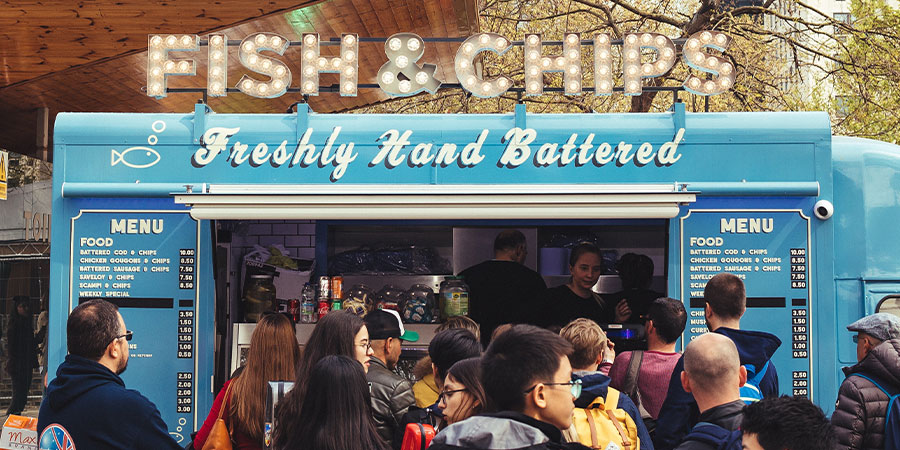
Table of Contents
Proven local marketing tactics that bring neighborhood customers through your doors without relying on algorithms
Offline marketing remains one of the most effective ways for restaurants to attract local customers. Research shows that 57% of diners visit restaurants after walking past the storefront, 38% respond to direct mail, and 37% notice outdoor signage. This guide covers practical offline marketing strategies including sidewalk signage, community events, local partnerships, loyalty programs, and branded packaging - tactics that build lasting relationships with your neighborhood and don't depend on changing social media algorithms.
In an era dominated by digital marketing, offline strategies often get overlooked - yet they remain remarkably effective for restaurants. Unlike online ads that compete with endless scrolling content, offline marketing meets customers in the physical world where dining decisions actually happen.
The most successful restaurant marketing programs combine both online and offline tactics, but many operators underinvest in traditional methods. Research shows that 87% of small businesses plan to increase or maintain their direct mail and print marketing efforts, recognizing that physical marketing cuts through digital noise. This trend reflects growing "digital fatigue" among consumers - people overwhelmed by screens are increasingly receptive to tangible marketing materials.
This guide focuses on practical, implementable offline marketing strategies that restaurants of any size can use to attract local customers, build community relationships, and create memorable impressions that drive repeat visits.
Why Offline Marketing Still Works for Restaurants
Restaurant success depends heavily on local customers - the people who live and work nearby and can become regulars. While digital marketing helps with discovery, offline marketing excels at converting nearby foot traffic and building the community connections that sustain restaurants long-term.
The numbers support offline investment:
- 89% of diners choose restaurants based on local factors - proximity, neighborhood presence, and community reputation
- 84% of marketers agree that direct mail provides the highest ROI of any marketing channel
- Custom signage can increase foot traffic by 50% or more for local businesses
- 92% of diners trust recommendations from family and friends over all other marketing channels
Surprisingly, younger consumers are responding strongly to physical marketing. Research shows that 85% of Gen Z and Millennials engage with direct mail - a generation often assumed to be digital-only. This shift reflects broader digital fatigue: consumers overwhelmed by online ads are more receptive to tangible materials that feel personal rather than algorithmic.
Unlike digital ads that disappear after scrolling, physical marketing materials persist. A well-placed sidewalk sign works all day. A flyer on a community bulletin board stays visible for weeks. A positive experience at a local festival creates lasting memories. These touchpoints accumulate over time, building familiarity and trust with potential customers.
Offline marketing also offers something digital channels struggle to provide: tangible presence in your community. When your restaurant sponsors a little league team, participates in a charity fundraiser, or shows up at the farmers' market, you become part of the neighborhood fabric - not just another business competing for attention online.
Sidewalk Signage and Outdoor Displays
Your restaurant's exterior is prime marketing real estate. Every person walking or driving past represents a potential customer, and outdoor signage is your opportunity to capture their attention and communicate what makes your restaurant worth visiting.
A-frame sidewalk signs are among the most cost-effective marketing tools available. Positioned on the sidewalk outside your entrance, these portable signs can highlight daily specials, happy hour times, new menu items, or simply a welcoming message that invites passersby to step inside. The key is keeping messages fresh - update your sidewalk sign content regularly so repeat foot traffic sees something new.
Window displays and graphics transform your storefront into a 24/7 advertisement. Consider seasonal decorations, menu highlights, or graphics that communicate your restaurant's personality. Keep windows clean and well-lit so the interior looks inviting from outside.
Banners and flags create visibility from a distance, particularly useful for restaurants set back from the street or in shopping centers with significant foot traffic. Motion from flags catches the eye and draws attention.
Best practices for outdoor signage:
- Keep text large and readable from a distance
- Use high-contrast colors that stand out
- Update content regularly to maintain interest
- Ensure signs are well-maintained and weather-appropriate
- Check local regulations for sign placement and permits
Community Events and Local Festivals
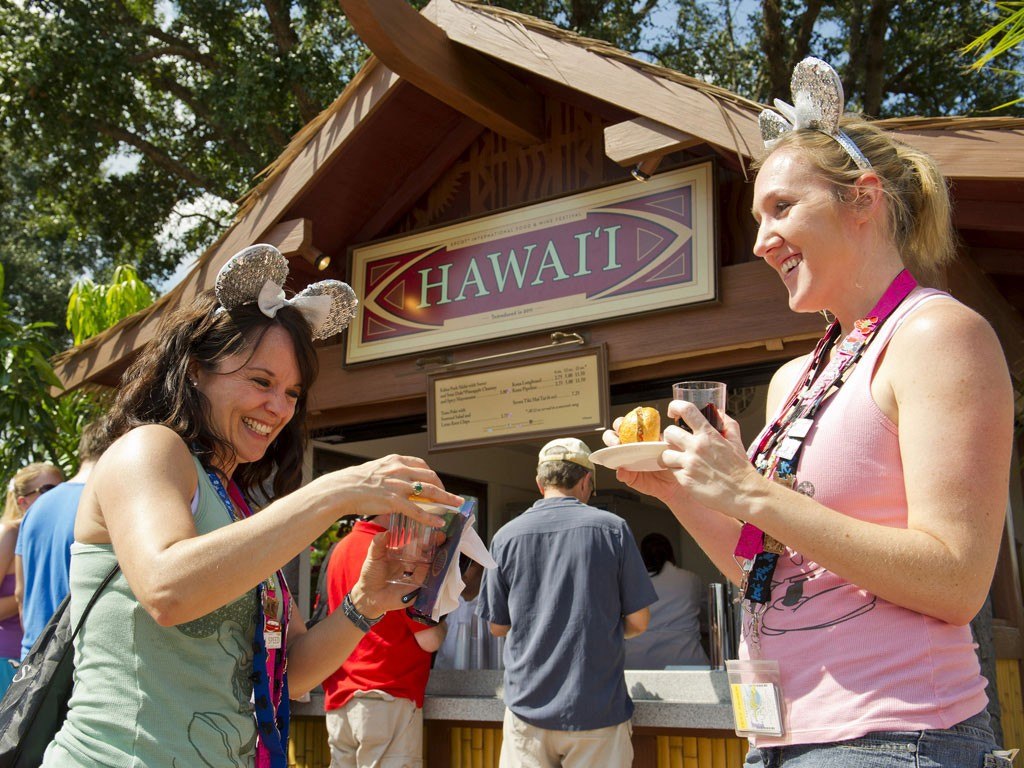
Participating in community events puts your restaurant in front of large, engaged audiences who are already in a spending mindset. Food festivals, farmers' markets, and local celebrations offer opportunities to showcase your cuisine to potential customers who might never otherwise discover you.
Food festivals and taste events allow restaurants to serve sample portions of signature dishes to festival attendees. These events typically draw hundreds or thousands of visitors actively looking to discover new restaurants. The exposure goes beyond the event itself - attendees who enjoy your food become advocates who recommend you to friends and family.
Farmers' markets are excellent venues for restaurants that emphasize fresh, local ingredients. Beyond selling prepared foods, your presence at the market reinforces your commitment to quality sourcing. Check with market organizers about requirements for restaurant vendors - many welcome local foodservice businesses.
Community celebrations like holiday parades, heritage festivals, and neighborhood block parties often seek food vendors. These events connect your restaurant with specific communities and demographics, allowing targeted exposure to your ideal customer base.
Making the most of event participation:
- Choose events where your target customers will be present
- Prepare dishes that travel well and represent your menu's best offerings
- Bring adequate catering equipment and supplies for the expected crowd
- Collect contact information for follow-up marketing
- Display your branding prominently and have business cards or menus available
- Train staff to be enthusiastic ambassadors for your restaurant
Direct Mail and Flyer Campaigns
Direct mail is experiencing a resurgence as digital channels become increasingly crowded. The numbers are compelling: direct mail response rates range from 5-9% for targeted lists, compared to just 1% for email and less than 1% for social media ads. Flyers achieve response rates of 2.7-4.4% - significantly higher than most digital channels.
Targeted direct mail allows you to reach specific neighborhoods, demographics, or even individual households. New resident mailings are particularly effective - people who recently moved to your area are actively looking for local restaurants and haven't yet established dining habits. Research shows that 79% of consumers hold onto, pass on, or look at flyers they receive - giving your message extended life beyond the initial delivery.
Door hangers and flyers offer a low-cost alternative to mailed pieces. Distribute them in nearby neighborhoods, apartment complexes, and office buildings. Include a compelling offer - a discount, free appetizer, or other incentive - to encourage recipients to take action. Printed flyers achieve open rates of 57-85%, three to four times better than email marketing.
Menu distribution remains effective, particularly for restaurants offering delivery or takeout. Ensure your menu design is clear, appealing, and includes all ordering information.
Adding QR codes to printed materials bridges offline and online marketing. A QR code on a flyer can link directly to your online menu, reservation system, or a special offer landing page - making it easy for recipients to take immediate action while tracking which materials drive response.
Direct mail best practices:
- Include a clear call-to-action and compelling offer
- Set an expiration date to create urgency
- Track redemption rates to measure effectiveness
- Test different offers and messages to optimize results
- Target geographic areas where your customers live and work
- Add QR codes to connect print materials to digital actions
Local Business Partnerships
Cross-promotion with complementary local businesses expands your reach without requiring additional marketing budget. Partnerships create mutual benefit - both businesses gain exposure to each other's customer base.
Neighboring businesses offer natural partnership opportunities. A restaurant near a movie theater might offer pre-show dinner specials. A lunch spot near office buildings might partner with those companies for catering or employee discounts. Look at the businesses around you and consider how you might create value for each other's customers.
Complementary service providers like hotels, event venues, and entertainment businesses frequently need restaurant recommendations for their customers. Build relationships with local hotel concierges and front desk staff - they field restaurant questions daily and appreciate having reliable recommendations.
Local suppliers are often willing to promote restaurants that feature their products. If you source ingredients from local farms or producers, they may mention your restaurant to their customers. These partnerships reinforce your commitment to the local economy.
Partnership ideas to explore:
- Leave menus or business cards at partner locations
- Offer exclusive discounts for partner business customers
- Cross-promote on bulletin boards and through staff recommendations
- Create joint promotions for special events or holidays
- Feature partner businesses in your restaurant when appropriate
Sponsorships and Community Involvement
Sponsoring local organizations and events builds goodwill while generating visibility. Community members notice and appreciate businesses that invest in local causes - and they reward that investment with their patronage.
Youth sports sponsorships put your restaurant name on team uniforms, banners at fields, and in program materials that parents see week after week throughout the season. These sponsorships reach families - often your most valuable repeat customers.
School partnerships might include sponsoring events, providing food for fundraisers, or participating in educational programs. These relationships connect you with families and often generate word-of-mouth recommendations among parent networks.
Charity events and fundraisers demonstrate community commitment while reaching audiences who share values aligned with the cause. Consider hosting fundraiser nights where a portion of proceeds goes to a local nonprofit - participants dine with you specifically to support the cause.
Local organizations like chambers of commerce, business improvement districts, and neighborhood associations offer visibility through membership directories, events, and networking opportunities. Active participation in these groups builds relationships with other business owners who become customers and referral sources.
Loyalty Programs and Referral Incentives
Loyalty programs have become essential for restaurant profitability. Research shows that 81% of consumers would join a restaurant loyalty program if offered, yet many restaurants still don't have optimized systems in place. The math is compelling: acquiring a new customer costs five times more than retaining an existing one, making loyalty investment one of the highest-ROI decisions a restaurant can make.
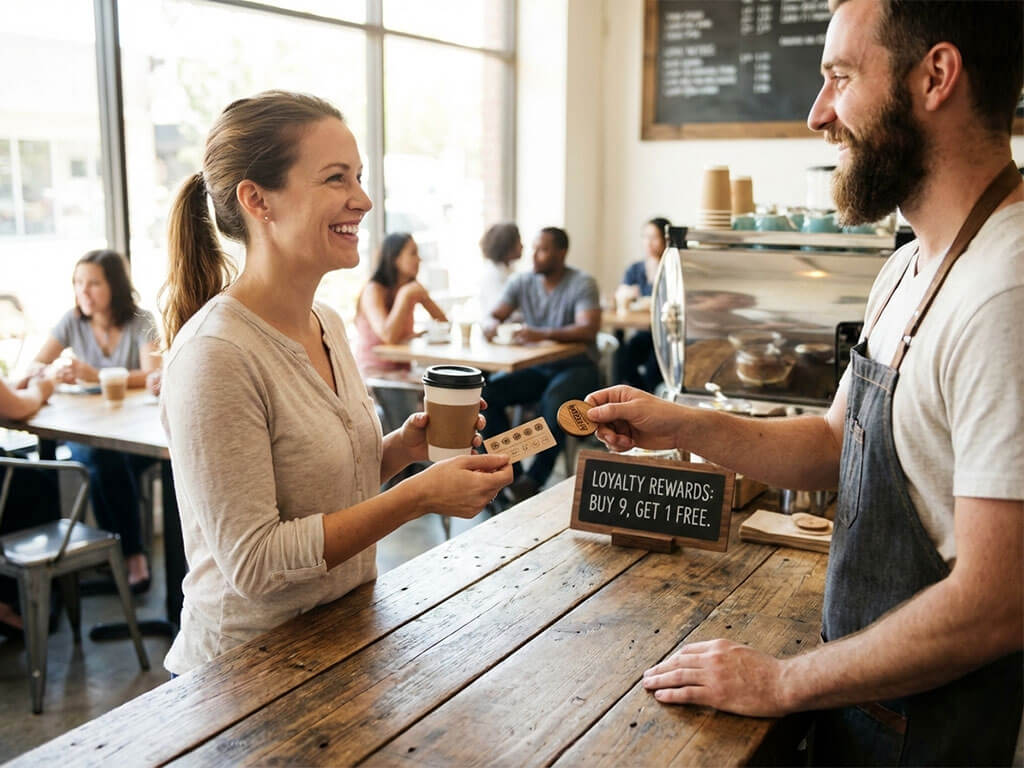
Punch cards offer straightforward value - buy a certain number of items, get one free. Keep the reward achievable (not too many purchases required) and the value meaningful enough to motivate behavior. Physical cards stay in wallets as constant reminders of your restaurant. While digital loyalty apps are growing, traditional punch cards remain effective for customers who prefer simplicity and don't want another app on their phone.
VIP cards and membership programs make customers feel special and appreciated. Exclusive benefits might include priority seating, member-only specials, or early access to new menu items. The exclusivity creates emotional connection beyond simple discounts. Studies show that 96% of loyalty program members feel they get better value, creating positive associations with your brand.
Referral programs leverage your existing customers to bring in new ones. Offer incentives for customers who bring friends or family - perhaps a discount for both the referring customer and the new guest. With 92% of diners trusting recommendations from friends and family over all other marketing channels, referral programs formalize and incentivize your most powerful marketing asset: satisfied customers.
Loyalty program considerations:
- Keep mechanics simple and easy to understand
- Make rewards achievable within a reasonable timeframe
- Train staff to mention and encourage program participation
- Track participation to understand program effectiveness
- Consider tiered rewards that increase with customer frequency
- Remember that 51% of U.S. adults already participate in restaurant loyalty programs - they expect the option
Branded Packaging and Takeout Marketing
Every to-go order that leaves your restaurant is a mobile advertisement traveling through your community. Branded packaging transforms takeout and delivery into marketing opportunities that extend your reach beyond your four walls.
Branded containers and bags display your restaurant name and logo to everyone who sees the customer carrying their order. Quality food containers and packaging that look professional and keep food properly contained reinforce positive impressions of your brand.
Bag stuffers and inserts turn every to-go order into a marketing opportunity. Include menus, catering information, upcoming event announcements, or loyalty program details. These materials reach customers at home where they may be shared with family members or kept for future reference.
Delivery vehicle visibility - if you operate your own delivery service, consider vehicle signage that advertises your restaurant throughout the neighborhood. Delivery drivers become mobile billboards, generating impressions with every trip.
Packaging considerations:
- Invest in quality to-go containers that represent your brand well
- Include restaurant contact information and ordering details on packaging
- Use insulated delivery bags that keep food at proper temperatures
- Add marketing materials that encourage repeat orders
- Ensure packaging is functional - food that arrives poorly contained damages your reputation
In-Store Marketing and Table Displays
Once customers are inside your restaurant, you have their undivided attention. In-store marketing reinforces your brand, promotes specific items, and encourages behaviors that increase sales and customer satisfaction.
Menu boards and displays shape ordering decisions and can highlight high-margin items, daily specials, or new offerings. Strategic menu board placement near the entrance and at the point of order captures attention during key decision moments.
Table tents and displays promote add-ons, desserts, drinks, or upcoming events to seated customers. Menu table tents work while staff are busy elsewhere, generating incremental sales without requiring additional labor.
Point-of-sale displays near the register encourage last-minute additions like bottled beverages, packaged goods, or gift cards. These displays capture impulse purchases that customers might not have considered otherwise.
Signage and décor communicate your restaurant's personality and values. Whether it's chalkboard menus that emphasize freshness, framed photos of local suppliers, or displays highlighting your restaurant's history - the environment tells your story to every customer.
Print Advertising
Local print publications remain effective for reaching community members who engage with local news and information. While circulation has declined, the readers who remain tend to be highly engaged with local businesses.
Community newspapers reach residents interested in neighborhood news - often your most valuable potential customers. Advertising rates are typically affordable, and editorial opportunities like restaurant reviews or features provide added exposure.
Local magazines may offer longer shelf life and more upscale presentation. Regional lifestyle magazines, visitor guides, and special interest publications can reach targeted demographics effectively.
Community newsletters and bulletins from churches, civic organizations, and neighborhood associations reach specific communities with shared characteristics. Advertising in these publications often includes implicit endorsement from the issuing organization.
Print advertising tips:
- Negotiate rates, especially for ongoing commitments
- Track response by using unique offers or mention codes
- Consider both advertising and editorial opportunities
- Focus on publications that reach your target customer base
- Time advertising around relevant seasons or events
Sampling and Tastings
Free samples remove the risk of trying something new. When customers taste your food without commitment, they can experience quality firsthand - and positive experiences drive visits.
In-store sampling during slower periods can introduce customers to menu items they might not otherwise order. Staff offering bite-sized portions of a new dish or signature item creates interaction and generates interest.
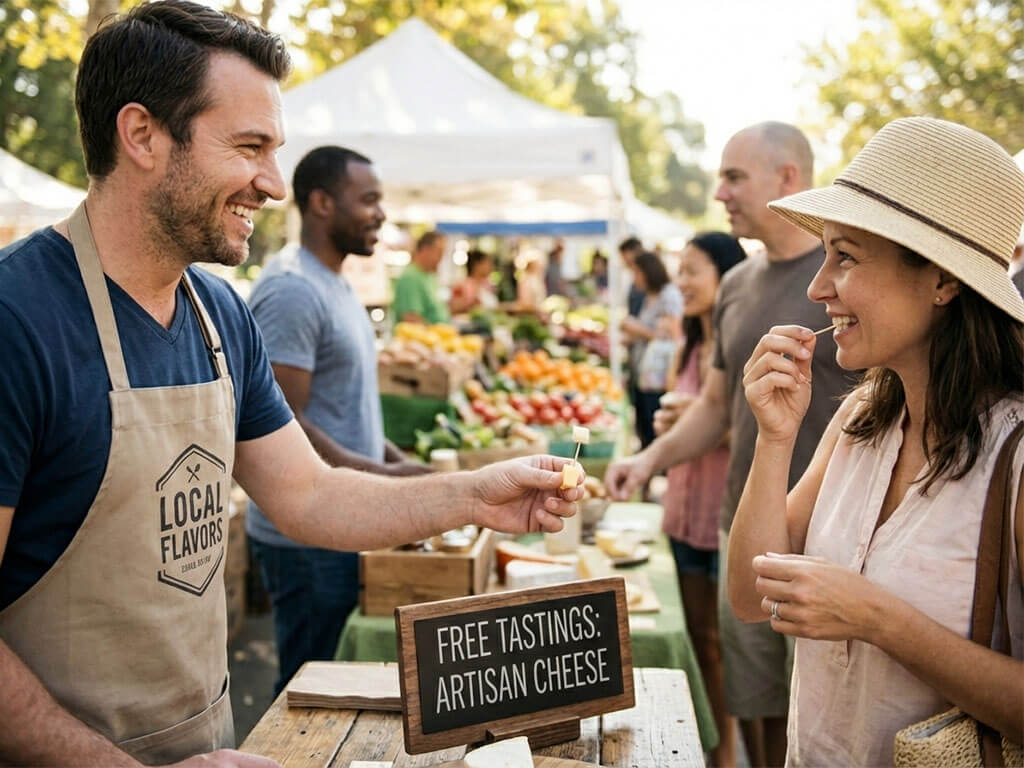
Community sampling at events, farmers' markets, or in high-traffic areas brings your food to potential customers who haven't yet visited your restaurant. Follow local regulations regarding food sampling in public spaces.
Partnered tastings with complementary businesses - like wine shops, breweries, or specialty food stores - reach engaged audiences interested in food and beverage experiences. These events position your restaurant as a quality-focused establishment.
Sampling best practices:
- Choose items that represent your restaurant well and travel/sample easily
- Prepare professional presentations even for small samples
- Have staff available to answer questions and invite customers to visit
- Provide printed materials with restaurant information
- Track sampling events to measure impact on subsequent visits
Frequently Asked Questions
How much should I budget for offline marketing?
Most restaurants allocate 3-6% of revenue to total marketing, with offline tactics representing a portion of that spend. Start with lower-cost options like sidewalk signage and community partnerships, then expand to paid tactics like direct mail and print advertising based on results. Track what works for your specific location and customer base.
How do I measure offline marketing effectiveness?
Use tracking mechanisms where possible: unique discount codes for direct mail, asking customers how they heard about you, tracking redemptions of specific offers, and comparing sales during campaign periods to baseline. While offline is harder to measure precisely than digital, these methods provide directional guidance.
Which offline tactics work best for new restaurants?
New restaurants should prioritize high-visibility tactics: sidewalk signage, grand opening events, new resident mailings, and partnerships with nearby businesses. Sampling and community event participation help potential customers experience your food without the commitment of a full visit.
How often should I update my sidewalk signage?
Update A-frame signs at least weekly - more often if you have changing daily specials. Regular foot traffic will stop noticing signs that never change. Rotate messages between specials, seasonal promotions, and general branding to maintain interest.
Is direct mail worth the cost?
For restaurants targeting specific geographic areas, direct mail consistently delivers positive ROI. Response rates of 5-9% for targeted lists far exceed digital channels like email (1%) or social media ads (less than 1%). New resident mailings are particularly effective. Start with a small test campaign, track redemption rates, and expand if results justify the investment. The 84% of marketers who say direct mail provides their highest ROI aren't wrong.
How do I choose which community events to participate in?
Select events where your target customers will be present. Family restaurants should consider school and community festivals. Bars and nightlife-oriented establishments might focus on music festivals and adult-oriented events. Consider the cost of participation, expected attendance, and fit with your brand.
Should I offer discounts in my offline marketing?
Offers with clear value drive response, but don't train customers to expect discounts for every visit. Consider offers for first-time customers, off-peak periods, or specific items rather than blanket discounts. Track redemption to understand which offers generate profitable customers versus discount-seekers.
How can small restaurants compete with chains' marketing budgets?
Focus on advantages chains can't replicate: local ownership, community connections, personal relationships, and authentic neighborhood presence. Chains may outspend you on mass advertising, but they can't match genuine community involvement and the credibility that comes from being a true local business.
Related Resources
- Restaurant Menu Design Guide - Create menus that sell and represent your brand
- Restaurant Guerilla Marketing Guide - Creative, unconventional marketing tactics
- Restaurant Email Marketing Guide - Build your digital marketing alongside offline efforts
- Restaurant Marketing for New Owners - Foundational marketing strategies for new operators
Share This!