How to Run a Successful Sushi Restaurant
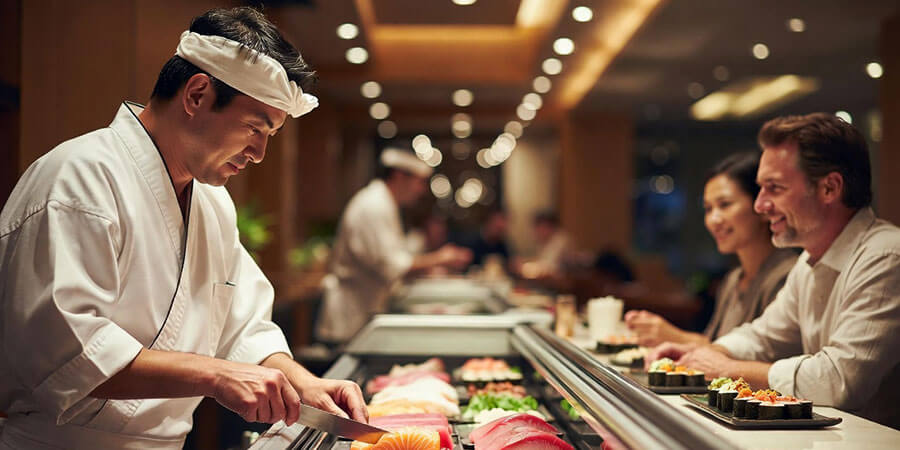
Table of Contents
A practical guide to opening and operating a sushi restaurant, from fish sourcing and menu design to staffing and growth
Sushi restaurants occupy a unique position in the foodservice industry. They demand specialized skills, strict food safety protocols, and equipment that most other restaurant concepts never require. The reward for getting it right is significant - sushi consistently ranks among the highest-margin concepts in full-service dining, and consumer demand continues to climb.
The National Restaurant Association's 2025 State of the Restaurant Industry report shows Japanese cuisine remains one of the fastest-growing segments, driven by consumer interest in fresh, health-conscious dining. But the gap between a thriving sushi operation and one that struggles often comes down to decisions made before the first piece of fish is ever sliced.
What Makes Sushi Restaurants Different From Other Concepts
Sushi restaurants are not simply seafood restaurants with a different menu. The entire operational model is built around a set of challenges that other concepts rarely face.
Ingredient perishability - Sushi-grade fish often needs to be used within 24 to 48 hours of delivery, and some items like uni have even tighter windows. This compresses your purchasing cycle and demands precise forecasting that most other protein-based concepts never deal with.
Skilled labor dependency - A sushi chef (itamae) is not interchangeable with a general line cook. The knife skills, rice preparation techniques, and fish-cutting precision required take years to develop, making staffing one of the biggest challenges in any sushi operation.
Visual presentation standards - In sushi, presentation is inseparable from quality perception. The visual precision of every cut, every roll, and every plate directly affects how customers evaluate their experience and whether they return.
Food safety requirements - FDA guidelines require specific freezing protocols for most fish served raw to eliminate parasites. Understanding and documenting these protocols is essential for both customer safety and health department compliance.
Essential Equipment for a Sushi Restaurant
The equipment needs for a sushi operation go beyond a standard commercial kitchen. The sushi bar itself functions as both a preparation area and a customer-facing stage, which requires purpose-built equipment that supports both performance and presentation.
| Equipment Category: | Purpose: | Why It Matters: |
| Refrigerated sushi display cases | Maintain fish at safe temperatures while displaying it to guests | The centerpiece of the sushi bar - keeps product visible, fresh, and at proper holding temperatures |
| Reach-in refrigerators and freezers | Store fish inventory, backup prep, and frozen items | Proper cold chain management is non-negotiable with raw proteins |
| Rice cookers and warmers | Prepare and hold sushi rice at consistent quality | Sushi rice is the foundation of every piece - inconsistent rice ruins even the best fish |
| Food preparation equipment | Slicing, dicing, and prep work for vegetables, proteins, and garnishes | Speed and precision during prep directly affects service quality and ticket times |
| Seafood preparation tools | Specialized knives, cutting boards, and fish-scaling tools | Sushi knives (yanagiba, deba, usuba) are precision instruments essential to proper technique |
| Cold prep tables and lowboy refrigerators | Keep ingredients at arm's reach during service at proper temperatures | The sushi bar needs immediate access to refrigerated ingredients without breaking workflow |
Refrigerated sushi display cases are the single most important equipment investment. They maintain safe holding temperatures for raw fish while creating the visual display that communicates freshness - a well-stocked case signals quality before a customer even orders.
You also need reliable reach-in refrigeration for fish storage and overnight holding, plus efficient food preparation equipment to support the high-volume slicing and prep work that sushi service demands.
Sourcing Fish and Managing Your Supply Chain
Fish sourcing is where sushi restaurants succeed or fail financially. The quality of your fish determines your reputation, and how you manage purchasing determines your margins.
Finding Reliable Suppliers
Most successful sushi restaurants work with specialized seafood distributors rather than broad-line suppliers. Key factors when evaluating them:
- Delivery frequency - Ideally three or more deliveries per week to maintain freshness without over-ordering
- Sushi-grade certification - Confirm that fish has been frozen to FDA-required temperatures (minus 4 degrees Fahrenheit for seven days, or minus 31 degrees Fahrenheit for 15 hours) to eliminate parasites
- Traceability - Know where your fish comes from, how it was caught or farmed, and the chain of custody from water to your kitchen
- Consistency - A supplier who delivers excellent tuna one week and mediocre product the next is worse than one who delivers consistently good product every time
Controlling Fish Costs
Fish cost is typically the largest variable expense in a sushi restaurant. Industry benchmarks suggest that well-managed sushi operations target a food cost percentage between 28 and 35 percent, though premium omakase concepts may run higher because of the quality expectations involved.
| Cost Control Strategy: | How It Works: |
| Daily inventory counts on high-cost proteins | Catch waste, theft, and over-portioning before they compound |
| Par-level ordering based on sales forecasts | Order what you will sell, not what you might sell |
| Cross-utilization of trim and off-cuts | Use tuna trim for spicy tuna rolls, salmon trim for poke bowls |
| Seasonal menu adjustments | Feature fish that is abundant and well-priced, reduce items that are scarce and expensive |
| Omakase or chef's choice options | Allow the chef to use the best available product, reducing dependence on specific items |
Building a Menu That Balances Quality and Profitability
A sushi restaurant menu needs to satisfy purists who want pristine nigiri and casual diners who want familiar rolls - while maintaining margins across both groups.
Menu Structure
The most profitable sushi menus are organized into tiers that naturally guide customers across a range of price points:
- Nigiri and sashimi - High-skill, high-margin items that showcase fish quality and chef technique
- Signature rolls - Creative, visually appealing rolls unique to your restaurant that justify premium pricing
- Classic rolls - California, spicy tuna, salmon avocado - high-volume, lower-margin items that drive traffic and comfort hesitant diners
- Hot kitchen items - Tempura, teriyaki, ramen, or other cooked dishes that broaden your customer base and use lower-cost ingredients
- Appetizers and sides - Edamame, miso soup, gyoza, and seaweed salad round out the check and carry strong margins
A menu that leans too heavily on expensive nigiri limits your customer base. One that relies entirely on rolls compresses margins and commoditizes your concept. The balance between the two is what separates profitable sushi operations from ones that struggle.
Menu Engineering Principles
Track popularity and profitability of every item monthly. High-sellers with strong margins are your stars - promote them. Low-sellers with thin margins should be cut. High-sellers with thin margins (often classic rolls) need portion adjustments rather than removal, since they drive traffic.
Hiring and Retaining Sushi Chefs
Staffing is the most persistent challenge in the sushi restaurant business. Skilled sushi chefs are in high demand and short supply, and losing a good one can visibly affect food quality overnight.
What to look for when hiring:
- Knife skills and fish-cutting technique - Have candidates demonstrate basic cuts during a working interview
- Rice preparation ability - Sushi rice preparation (seasoning, temperature, texture) is a fundamental skill that separates trained sushi chefs from cooks who have learned a few rolls
- Speed under pressure - A sushi bar during a Friday night rush requires calm precision at high speed
- Presentation standards - Observe how candidates plate and present during a trial shift
Retention strategies that work:
- Competitive compensation - sushi chefs command higher wages than most line positions, and underpaying guarantees turnover
- Creative input on menu development - chefs who feel ownership over the menu stay longer
- Continued skill development and training opportunities
- Quality equipment and a well-organized workspace
For broader guidance on building your restaurant team, this guide to properly staffing your restaurant covers hiring frameworks, scheduling, and retention across all positions.
Restaurant Layout and Design
The sushi bar is the centerpiece of your restaurant, and its placement and design affect everything from customer experience to operational efficiency.
Sushi bar positioning - The bar should be visible from the entrance. It is your most powerful visual asset - watching a skilled chef work is part of the experience that customers pay a premium for. Position it where arriving guests immediately see the activity, the display case, and the chef's precision.
Seating balance - Most sushi restaurants perform best with a mix of sushi bar seats (typically 8 to 14), standard dining tables, and a few semi-private booths or tatami-inspired areas. Bar seats carry higher per-person spending because guests interact directly with the chef and order more adventurously.
Kitchen flow - The prep area behind the sushi bar needs to connect efficiently to the walk-in cooler and dry storage. During service, the chef should be able to reach every ingredient, tool, and piece of seafood preparation equipment without leaving the bar. The right commercial furniture arrangement in the dining room supports smooth server flow and comfortable guest spacing.
Marketing Your Sushi Restaurant
Sushi restaurants have natural marketing advantages that other concepts lack - the food is inherently visual, the preparation is theatrical, and the dining experience is shareable.
Social media and visual content - Sushi is one of the most photographed food categories on social media. High-quality photos and short videos of knife work, plating, and finished dishes generate organic engagement without paid promotion.
Omakase and chef's table experiences - A premium, limited-seat omakase option creates exclusivity, generates word-of-mouth, and carries the highest per-guest revenue in your operation.
Local partnerships - Build relationships with nearby businesses, hotels, and event venues. Sushi catering for corporate events and private parties can become a significant secondary revenue stream.
Online reputation management - Reviews matter more for sushi restaurants than most concepts because customers are trusting you with raw fish. Maintain a strong review profile and respond to every review promptly.
The Restaurant Marketing Guide covers digital strategies and customer retention tactics that apply directly to sushi operations, and this post on marketing strategies for restaurant owners covers practical tools worth evaluating.
Financial Considerations and Business Planning
Opening a sushi restaurant requires significant upfront investment, but the operational model can deliver strong returns when managed well.
Startup cost factors unique to sushi include specialized refrigeration (sushi cases, reach-ins, freezers rated for parasite-kill protocols), higher initial fish inventory costs, sushi bar construction, and specialized smallwares like professional-grade knives, bamboo rolling mats, and serving ware.
Ongoing financial benchmarks - Target food cost between 28 and 35 percent with tighter control on high-cost proteins. Labor cost typically runs 30 to 35 percent of revenue due to skilled sushi chef wages. The higher average check per person at sushi restaurants helps offset these elevated variable costs.
A strong sushi restaurant business plan should account for these costs while emphasizing the higher revenue per seat that premium positioning supports. If you are still in the planning stages, the guide to opening a restaurant covers the full checklist from concept through opening day.
Frequently Asked Questions
How long does it take to learn to be a sushi chef?
Traditional training in Japan takes seven to ten years. In the United States, many working sushi chefs have three to five years of focused training or culinary school combined with hands-on apprenticeship. The core skills - rice preparation, knife work, fish identification, and presentation - require significant repetition to master.
What licenses do I need to open a sushi restaurant?
Beyond standard restaurant permits (business license, food service license, health department permit, liquor license if applicable), sushi restaurants must comply with FDA guidelines for serving raw fish. This includes specific freezing protocols and HACCP (Hazard Analysis Critical Control Points) documentation. Requirements vary by state, so consult your local health department early.
What is the most important piece of equipment in a sushi restaurant?
The refrigerated sushi display case. It maintains safe holding temperatures for raw fish, creates the visual display that communicates freshness to customers, and serves as the operational center of the sushi bar. Reliable reach-in refrigeration for proper fish storage is equally essential.
How do you keep fish fresh in a sushi restaurant?
Start with suppliers who deliver three or more times per week with proper cold chain documentation. In-house, use FIFO (first in, first out) rotation, conduct daily quality inspections, maintain consistent refrigeration temperatures, and track par levels to avoid over-ordering. Cross-utilize trim in rolls and cooked preparations to minimize waste.
What food cost percentage should a sushi restaurant target?
Between 28 and 35 percent for most operations. Premium omakase concepts may run slightly higher. The key is tight inventory control, menu engineering that balances high-cost nigiri with higher-margin rolls and cooked items, and minimizing waste through cross-utilization.
Can a sushi restaurant be profitable without a sushi bar?
Yes, but the bar is a significant revenue driver. Bar seats generate higher per-person spending because guests interact directly with the chef and order more adventurously. Even a small four-to-six seat bar adds meaningful revenue and atmosphere compared to a table-only layout.
How do I differentiate my sushi restaurant from competitors?
Focus on three areas - fish quality and sourcing transparency, chef skill and creativity, and the overall dining experience. Develop signature rolls unique to your restaurant, build direct supplier relationships for access to premium products, and create an atmosphere that feels distinct. Omakase offerings, seasonal specials, and a strong social media presence all help.
Related Resources
- Opening a Restaurant - Prepping for Day 1 - Complete checklist for launching a new restaurant from concept through opening
- Restaurant Marketing Guide - Digital and local marketing strategies for restaurant operators
- Refrigerated Sushi Cases - Display cases designed for sushi bar operations
- How to Properly Staff Your Restaurant - Hiring frameworks and retention strategies for restaurant teams
- Seafood Preparation Tools - Knives, cutting boards, and tools for fish preparation
Share This!