How Technology Is Changing the Restaurant Industry
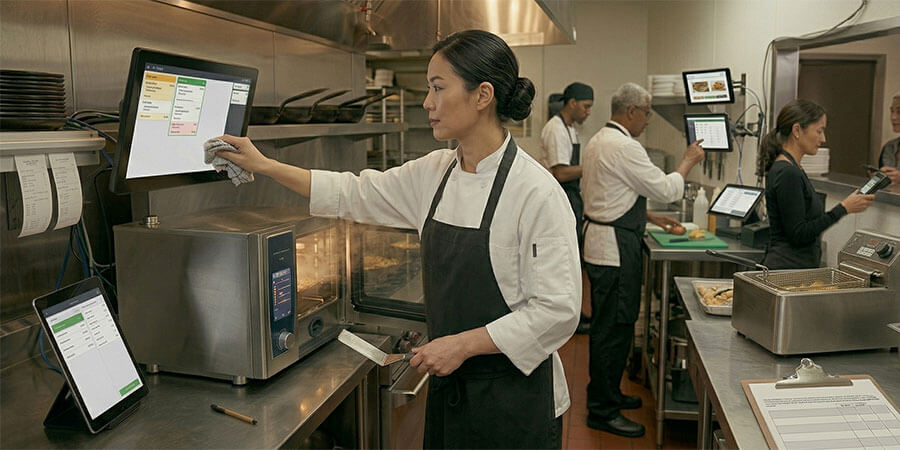
Table of Contents
From online ordering and kitchen automation to inventory systems, technology is reshaping how restaurants operate daily
Restaurant technology has moved far beyond basic point-of-sale terminals. Today, operators are using integrated systems that connect the front of house to the back of house, automate repetitive tasks, and provide real-time data that drives better decisions. The National Restaurant Association's 2025 State of the Restaurant Industry report found that a growing majority of operators consider technology essential to staying competitive - not just for efficiency, but for meeting customer expectations that have permanently shifted.
The challenge for most restaurant owners is not whether to adopt technology. It is figuring out which technologies actually deliver a return on investment and which ones are expensive distractions. This guide breaks down the technologies that are making the biggest difference in restaurant operations right now, what they actually do in practice, and how to evaluate whether they make sense for your operation.
Online Ordering and Digital Sales Channels
Online ordering was already growing before 2020, but the pandemic compressed years of adoption into months. What started as a temporary necessity has become a permanent revenue channel. According to the National Restaurant Association, off-premise dining (takeout, delivery, and drive-through) now represents a significant and growing share of total restaurant revenue across every segment.
What has changed for operators:
- First-party ordering platforms let restaurants accept orders through their own website or app, avoiding the high commission fees charged by third-party delivery services. The tradeoff is that you need to drive traffic yourself.
- Third-party marketplaces provide visibility and new customer acquisition but take a substantial cut of each order. Most operators use them strategically for discovery while pushing repeat customers to direct channels.
- Kitchen integration is the real operational challenge. When orders come in from multiple channels - dine-in POS, website, third-party apps - they need to flow into a single kitchen display system. Without integration, the kitchen juggles multiple tablets and screens, which creates errors and slows production.
The operators getting the most from online ordering are treating it as a distinct revenue stream with its own menu engineering, packaging considerations, and staffing model - not just an add-on to their dine-in operation.
For a deeper look at building your digital presence, the Restaurant Marketing Guide covers how to drive traffic to your own ordering channels.
Kitchen Display Systems and Order Management
Paper ticket rails are still common, but kitchen display systems (KDS) are replacing them in operations that prioritize speed, accuracy, and data.
| Feature: | Paper Tickets: | Kitchen Display System: |
| Order routing | Manual - expo sorts and calls | Automatic - routes to correct station |
| Ticket timing | Estimated by feel | Tracked to the second |
| Rush management | Relies on expo judgment | Color-coded priority alerts |
| Multi-channel orders | Separate tablets per source | Unified display from all channels |
| Data and reporting | None | Cook times, bottleneck analysis, peak hour patterns |
| Readability | Handwriting or small print | Clear, backlit screen |
| Cost | Near zero | Monthly software fee plus hardware |
A KDS does not make a bad kitchen good. But in a kitchen that already runs well, it provides the kind of data that helps you make incremental improvements - identifying which stations consistently lag, which menu items slow the line, and where your peak-hour bottlenecks actually occur.
The operational principles in How to Keep Your Kitchen Running Smoothly apply regardless of whether you use paper or digital - technology supports good systems but does not replace them.
Inventory Management and Food Cost Control
Food cost is one of the largest controllable expenses in a restaurant, and technology is making it significantly easier to manage. Manual inventory counting and spreadsheet-based tracking still work, but they are slow, error-prone, and provide information that is already outdated by the time you act on it.
What modern inventory systems do:
- Real-time tracking connects your POS sales data to your inventory. When a menu item sells, the system automatically deducts the ingredients based on your recipes. You can see actual versus theoretical food cost without waiting for a manual count.
- Automated ordering generates purchase orders when inventory drops below thresholds you set. This reduces both stockouts and over-ordering.
- Waste tracking lets you log and categorize waste (prep waste, spoilage, mistakes, comps) so you can identify patterns and address the root causes.
- Recipe costing calculates the exact cost of every menu item based on current ingredient prices. When a supplier raises prices, you see the margin impact immediately.
| Inventory approach: | Labor hours per week: | Data accuracy: | Actionability: |
| Manual counts and spreadsheets | 4-8 hours | Moderate (human error, stale data) | Low - information is days old |
| POS-integrated inventory system | 1-2 hours | High (real-time deductions) | High - alerts and auto-ordering |
| Full supply chain integration | Under 1 hour | Very high (supplier data syncs) | Very high - predictive ordering |
The restaurants seeing the biggest gains from inventory technology are the ones that actually use the data - reviewing food cost reports weekly, investigating variances, and adjusting purchasing and prep levels based on what the system tells them.
Automation in the Kitchen
Kitchen automation is not about replacing cooks. It is about handling repetitive, labor-intensive tasks consistently so your team can focus on the work that requires skill and judgment.
Where automation is making a real difference:
- Combi ovens with programmable cooking cycles allow you to load product, select a program, and walk away. The oven manages temperature, humidity, and timing automatically. This is especially valuable for high-volume operations that need consistent results across shifts, regardless of who is working.
- Automated fryers monitor oil temperature, manage cook times, and in some cases filter oil automatically. This extends oil life, improves food consistency, and reduces the skill required for frying.
- Programmable holding equipment maintains food at precise temperatures with humidity control, reducing waste from overcooked or dried-out product during service.
- Automated beverage systems dispense consistent portions for draft beer, cocktails, and fountain drinks, reducing pour cost and speeding service.
The common thread is consistency. Technology removes the variability that comes from different cooks on different shifts making the same items in slightly different ways. That consistency translates directly to better food quality, lower waste, and more predictable food costs.
Investing in the right restaurant equipment with built-in programmability and automation features costs more upfront but typically pays for itself through labor savings, reduced waste, and energy efficiency.
Data and Analytics for Better Decisions
The most underappreciated restaurant technology is not a device or a piece of equipment - it is data. Modern POS systems, inventory platforms, and reservation tools generate enormous amounts of data that most operators barely use.
Data that drives real operational improvements:
- Sales mix analysis tells you which menu items sell, which are profitable, and which are taking up menu space without earning their keep. This drives menu engineering decisions.
- Labor cost by daypart shows you exactly where you are overstaffed or understaffed, based on actual sales per labor hour rather than gut feeling.
- Customer behavior patterns reveal ordering trends, peak times, average check size, and return frequency. This informs everything from marketing to staffing.
- Speed of service metrics from KDS and POS data show where service slows down and whether the problem is the kitchen, the server, or the system.
The key is not collecting more data - most restaurants already have more than they use. The key is building a habit of reviewing the right reports on a consistent schedule and actually making changes based on what you find.
For strategies on using digital tools to reach more customers, Best Marketing Strategies and Tools for Restaurant Owners covers the marketing technology side of the equation.
Contactless and Self-Service Technology
Customer expectations around ordering and payment have shifted permanently. QR code menus, mobile ordering at the table, and contactless payment are no longer pandemic-era workarounds - they are baseline expectations in many segments.
What is working in practice:
- QR code ordering reduces server touches per table, which means servers can handle more tables. In fast casual and counter service, it eliminates the ordering bottleneck entirely.
- Tableside payment speeds table turns and reduces walkouts. Customers pay when they are ready rather than waiting for the check, the card run, and the receipt.
- Self-service kiosks in quick service and fast casual restaurants increase average check size by 15-30% in many deployments, largely through consistent upselling that human cashiers skip during rush.
- Digital waitlists and reservations reduce no-shows and give operators better data for staffing decisions.
Not every concept needs every tool. A fine dining restaurant does not need kiosks, and a quick service operation does not need tableside payment. The technology should match the service model and the customer expectation for that segment.
Energy Management and Sustainability
Rising energy costs are pushing more operators to look at technology as a way to reduce utility bills. Smart kitchen equipment and energy management systems can make a meaningful difference.
- Energy Star certified equipment uses significantly less energy and water than standard models. The upfront cost difference is typically recovered within one to three years through utility savings.
- Smart HVAC and lighting controls adjust automatically based on occupancy, time of day, and outdoor conditions.
- Equipment scheduling systems ensure that ovens, fryers, and other high-draw equipment are not running at full power during idle periods.
The overlap between energy efficiency and equipment quality is significant. Well-maintained, modern equipment runs more efficiently and produces better results. The strategies in Energy Conservation Tips for Restaurants cover specific equipment choices that reduce energy costs without sacrificing performance.
How to Evaluate Technology for Your Restaurant
Not every technology makes sense for every operation. Before investing, ask these questions:
| Question: | Why It Matters: |
| What specific problem does this solve? | Technology without a clear problem to solve is a cost, not an investment |
| How does it integrate with what I already have? | Standalone systems that do not talk to your POS or inventory create more work, not less |
| What is the total cost (hardware, software, training, ongoing fees)? | Monthly subscription fees add up quickly across multiple platforms |
| How long until it pays for itself? | Most restaurant technology should show ROI within 6-18 months |
| What happens if the vendor shuts down or changes pricing? | Vendor lock-in is a real risk with cloud-based systems |
| Can my staff actually use it? | The best system in the world fails if your team will not adopt it |
Start with the technology that addresses your biggest pain point. If labor cost is your problem, look at scheduling and automation. If food cost is out of control, start with inventory management. If you are losing customers to competitors with better online presence, invest in digital ordering and marketing tools first.
For a comprehensive overview of the technology landscape for restaurants, the Restaurant Technology Guide covers POS systems, kitchen technology, and operational software in detail.
Frequently Asked Questions
What is the most important technology for a new restaurant?
A reliable POS system is the foundation. Everything else - online ordering, inventory management, kitchen displays, analytics - connects to or depends on your POS. Choose one that integrates well with the tools you plan to add over time.
How much should a restaurant spend on technology?
Technology spending varies widely by concept and size, but most operators allocate between 2-5% of revenue to technology costs including POS, online ordering platforms, and operational software. Start with the tools that address your biggest operational pain point and add from there.
Can small restaurants benefit from kitchen automation?
Yes. Programmable combi ovens, automated fryers, and timed holding equipment are not just for large operations. A single combi oven that handles roasting, steaming, and baking with programmed cycles can replace multiple pieces of equipment and reduce the skill level required for consistent execution.
Is it worth switching from paper tickets to a kitchen display system?
For restaurants doing more than 100 covers per day across multiple stations, a KDS typically pays for itself through reduced errors and faster ticket times. For smaller, single-station operations, paper tickets may still be sufficient.
How do I get staff to actually use new technology?
Training and patience. Introduce one system at a time, provide hands-on training during slower shifts, and identify one or two tech-comfortable team members as internal champions. Avoid launching multiple new systems simultaneously.
What restaurant technology has the fastest ROI?
Online ordering (first-party) and inventory management systems typically show the fastest return. Online ordering opens a new revenue channel immediately, and inventory management reduces food waste and over-ordering from the first week of use.
Will AI replace restaurant workers?
AI is augmenting restaurant operations - handling tasks like phone answering, reservation management, and demand forecasting - but it is not replacing the human elements that define hospitality. The restaurants that use AI well are freeing their staff to focus on guest experience rather than administrative tasks.
Related Resources
- Restaurant Technology Guide - Comprehensive overview of POS, kitchen tech, and operational software
- Best Marketing Strategies for Restaurant Owners - Digital and traditional marketing tools that drive revenue
- Impact of Digital Marketing on Foodservice - How digital channels are reshaping restaurant marketing
- Restaurant Equipment - Commercial kitchen equipment with modern automation features
Share This!