Why Fast Casual Dining Is So Popular
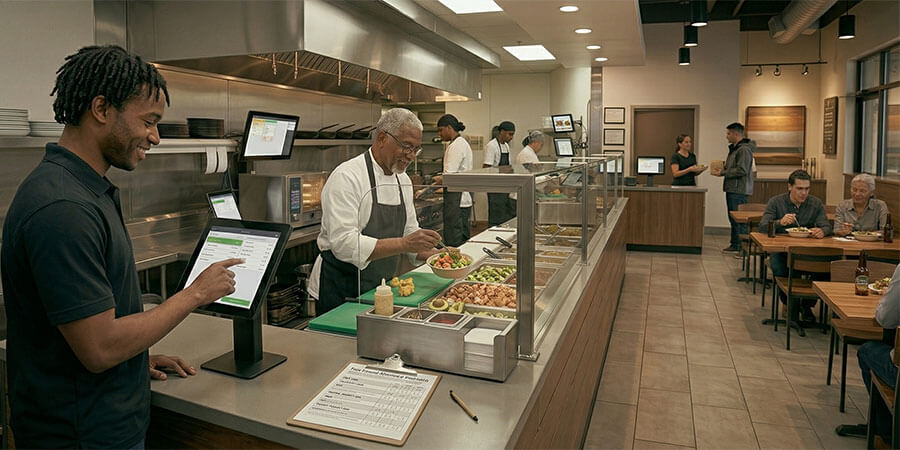
Table of Contents
What fast casual means, how it compares to fast food and casual dining, and why this segment keeps growing year over year
Fast casual dining has grown from a niche concept into one of the most dominant segments in the restaurant industry. What started in the late 1990s as a handful of restaurants offering better food quality than fast food with faster service than sit-down dining has become a category that consistently outpaces other restaurant segments in growth.
The National Restaurant Association's 2025 industry data shows that fast casual continues to gain market share as consumer preferences shift toward higher-quality food, customization, and convenience - without the time commitment of a full-service meal. For restaurant operators, understanding what makes fast casual work is not just academic. It is a blueprint for what today's customers expect from dining out, regardless of which segment you operate in.
What Does Fast Casual Mean?
Fast casual is a restaurant segment that sits between fast food (quick service) and casual dining (full service) in terms of food quality, price point, atmosphere, and service model. The term was first used in the late 1990s to describe a new type of restaurant that did not fit neatly into existing categories.
| Characteristic: | Fast Food (Quick Service): | Fast Casual: | Casual Dining (Full Service): |
| Average check per person | Under $10 | $10 - $18 | $15 - $30+ |
| Order format | Counter or drive-through | Counter or kiosk, food brought to table | Server takes order at table |
| Food preparation | Pre-assembled, held in warmers | Made to order, often visible kitchen | Made to order in back kitchen |
| Ingredient quality | Standard, cost-optimized | Higher quality, often fresh and locally sourced | Varies widely by concept |
| Dining atmosphere | Functional, designed for speed | Inviting, designed for lingering | Comfortable, designed for extended visits |
| Average visit duration | 10 - 20 minutes | 20 - 40 minutes | 45 - 90 minutes |
| Table service | No | Limited or hybrid | Full table service |
| Alcohol | Rarely | Sometimes (beer and wine common) | Yes |
| Tipping expectation | No | Optional (increasingly prompted) | Expected (15 - 20%) |
The key distinction is that fast casual offers a noticeably better dining experience than fast food - fresher ingredients, more attractive spaces, and more customization - while keeping the speed and affordability that make fast food convenient. It is the middle ground that a large and growing portion of consumers prefer.
Why Fast Casual Keeps Growing
The fast casual segment has outpaced both fast food and casual dining in growth for more than a decade. Understanding why requires looking at how consumer preferences have shifted and how the fast casual model is uniquely positioned to meet them.
Consumers Want Better Food Without the Wait
The single biggest driver of fast casual growth is food quality. Consumers increasingly want meals made with fresh, recognizable ingredients - not reheated, pre-assembled items from a warming drawer. Fast casual restaurants deliver on this by preparing food to order, often in open or visible kitchens where customers can watch the process.
This matters more now than ever. Consumer research consistently shows that food quality and freshness are the top factors influencing where people choose to eat, ahead of price and convenience. Fast casual restaurants are built around this expectation from the ground up.
The Price-Value Equation Works
Fast casual is not cheap, but it delivers strong perceived value. Customers pay more than they would at a fast food restaurant, but the food quality, portion size, and dining experience justify the premium. The average fast casual check runs between $10 and $18 per person - meaningfully less than casual dining and fine dining, but enough to support higher-quality ingredients and better presentation.
For operators, this price point also supports healthier margins than fast food, where the race to the bottom on price compresses margins and requires massive volume to be profitable.
Customization Is the Default
Fast casual menus are built around customization. Bowls, burritos, salads, sandwiches, and grain bowls all follow a build-your-own format where customers choose proteins, toppings, sauces, and sides. This assembly-line model does three things simultaneously:
- Satisfies individual preferences - Every customer gets exactly what they want, accommodating dietary restrictions and personal taste without special requests
- Speeds throughput - The assembly-line format moves efficiently, even during peak hours
- Reduces food waste - Ingredients are portioned per order rather than pre-assembled in batches that may go unsold
The Atmosphere Encourages Repeat Visits
Fast food environments are designed to move people through quickly. Fast casual spaces are designed to make people want to stay - or at least feel good about the time they spend there. Warm lighting, real materials (wood, metal, tile rather than molded plastic), and thoughtful design create an experience that feels worth the price premium.
This matters for repeat business. Customers who enjoy the environment come back more often and are more likely to recommend the restaurant. Quality commercial furniture plays a direct role in creating the kind of atmosphere that drives fast casual loyalty.
Fast Casual vs Fast Food: Key Differences
The line between fast casual and fast food has blurred in recent years as fast food restaurants upgrade their interiors and ingredient quality. But fundamental differences remain.
| Factor: | Fast Food: | Fast Casual: |
| Primary appeal | Speed and low price | Food quality and experience |
| Menu approach | Fixed menu with limited customization | Build-your-own with extensive options |
| Kitchen model | Batch cooking, holding equipment, heat-and-serve | Made-to-order, often with visible prep |
| Ingredient sourcing | Cost-optimized, often processed | Higher quality, often fresh daily |
| Dining environment | Functional, high turnover | Inviting, encourages moderate dwell time |
| Drive-through | Common (major revenue channel) | Rare (some newer concepts adding it) |
| Technology adoption | Drive-through, mobile apps, kiosks | Kiosks, online ordering, POS integration |
| Average check | $7 - $10 | $10 - $18 |
Fast food competes primarily on price and speed. Fast casual competes on quality, experience, and perceived value. Both models work, but they attract different customer mindsets - even when the same person chooses fast food for lunch on Monday and fast casual on Friday.
Fast Casual vs Casual Dining: Why Diners Are Shifting
Casual dining has faced sustained pressure over the past decade, and fast casual is a significant reason why. Many consumers who used to default to full-service casual dining restaurants have shifted to fast casual because the food quality is comparable, the speed is better, and the total cost is lower.
Where casual dining still wins:
- Special occasions and celebrations that call for table service
- Alcohol-driven experiences (cocktail programs, wine lists)
- Multi-course meals where pacing and service matter
- Business dinners and dates where the atmosphere is part of the purpose
Where fast casual wins:
- Weeknight dinners where families want good food without a long commitment
- Lunch breaks with limited time
- Group dining where different dietary preferences need accommodation
- Everyday meals where speed and quality matter more than ambiance
The restaurants in the casual dining space that are thriving have leaned into what makes them different - experiences, hospitality, and occasions that fast casual cannot replicate. The ones that are struggling are the ones that offered a fast-casual-quality experience at full-service prices.
Equipment and Operations Behind Fast Casual
The fast casual model demands specific equipment and kitchen design choices that differ from both fast food and full-service restaurants. The visible kitchen, the assembly-line flow, and the made-to-order format all require equipment that supports speed without sacrificing quality.
Common fast casual kitchen equipment:
- High-speed ovens - Cook or reheat items in a fraction of the time of conventional ovens, essential for maintaining speed during rush
- Panini and sandwich grills - High-volume pressing and toasting for sandwich-centric concepts
- Commercial toasters - Conveyor models handle consistent, high-volume toasting for bread-based menus
- Food preparation equipment - Slicers, processors, and prep tools that keep the assembly line stocked with fresh ingredients throughout service
The assembly-line model also requires smart kitchen layout. Ingredients need to be within arm's reach of the build station, cold wells need to maintain temperature throughout a four-hour lunch rush, and the flow needs to move customers from ordering to pickup without bottlenecks.
For a broader look at how technology supports fast casual operations, the Restaurant Technology Guide covers POS integration, kitchen display systems, and online ordering platforms that are particularly relevant to this segment.
Fast Casual Trends Shaping the Segment
The fast casual segment is still evolving. Several trends are reshaping what the category looks like and how operators compete within it.
Digital ordering and loyalty programs - Mobile ordering, app-based loyalty rewards, and digital-first customer acquisition are becoming table stakes. The restaurants investing in their own digital channels (rather than relying solely on third-party platforms) are building stronger customer relationships and retaining more margin.
Breakfast expansion - More fast casual restaurants are adding breakfast dayparts to capture morning traffic that was traditionally dominated by fast food and coffee shops. The NRA's industry data shows that morning meal visits continue to grow as a percentage of total restaurant traffic.
Health-conscious and dietary-inclusive menus - Plant-based options, allergen transparency, calorie information, and build-your-own formats that accommodate keto, gluten-free, and other dietary preferences are no longer differentiators - they are expectations.
Smaller footprints with digital-heavy models - Some newer fast casual concepts are designed with smaller dining rooms (or no dining room at all) and built around pickup and delivery. This reduces real estate costs and focuses the operation on throughput.
Sustainability and transparency - Customers increasingly want to know where ingredients come from and how the restaurant operates. Visible kitchens, sourcing transparency, and sustainability commitments resonate particularly well with the demographic most likely to choose fast casual.
For operators looking to market their fast casual concept effectively, the Restaurant Marketing Guide covers digital and local strategies that align well with the fast casual customer profile.
Frequently Asked Questions
What is a fast casual restaurant?
A fast casual restaurant is a dining concept that sits between fast food and casual dining. It offers higher-quality food than fast food, often made to order with fresh ingredients, in an inviting atmosphere - but without the full table service and longer wait times of casual dining. Customers typically order at a counter or kiosk, and food is brought to the table or picked up at a designated area.
What is the difference between fast food and fast casual?
Fast food prioritizes speed and low price with pre-assembled or batch-cooked food in a functional environment. Fast casual prioritizes food quality and experience with made-to-order items, better ingredients, and a more inviting atmosphere. The average check at fast casual ($10-$18) is higher than fast food ($7-$10), but the food quality and dining experience are notably better.
Why is fast casual growing faster than other restaurant segments?
Fast casual aligns with several major consumer trends simultaneously: demand for higher-quality ingredients, preference for customization, desire for faster service than full-service restaurants, and willingness to pay a moderate premium for a better experience. It occupies the sweet spot between fast food convenience and casual dining quality.
Is fast casual dining more expensive than fast food?
Yes, typically by $3-$8 per person. The average fast casual check ranges from $10 to $18, compared to under $10 at most fast food restaurants. However, the higher price reflects better ingredient quality, larger portions, more customization options, and a more comfortable dining environment.
What types of food do fast casual restaurants serve?
Fast casual menus vary widely but commonly feature bowls, burritos, sandwiches, salads, pizzas, grain bowls, and Asian-inspired dishes. The common thread is a build-your-own format that allows customization. Many fast casual restaurants focus on a single cuisine or format and execute it at a high level.
Is fast casual a good restaurant concept to open?
Fast casual offers strong growth potential and favorable unit economics compared to full-service restaurants (lower labor costs due to limited table service, smaller footprints, and higher throughput). However, the segment is increasingly competitive, and success depends on a differentiated concept, strong location, and excellent execution. The lower barrier to entry compared to fine dining means more competition.
Are fast casual restaurants replacing casual dining?
Fast casual is taking market share from casual dining, particularly for everyday meals, weeknight family dinners, and lunch occasions. However, casual dining still serves a distinct purpose for special occasions, alcohol-driven experiences, and multi-course meals where pacing and full table service matter.
Related Resources
- Restaurant Technology Guide - POS systems, kitchen tech, and operational software for modern restaurant concepts
- Restaurant Marketing Guide - Digital and local marketing strategies for restaurants
- High-Speed Ovens - Rapid cook ovens for fast casual and quick service operations
- Commercial Furniture - Tables, chairs, booths, and seating for restaurant dining areas
Share This!