Adding BBQ to Your Restaurant Menu
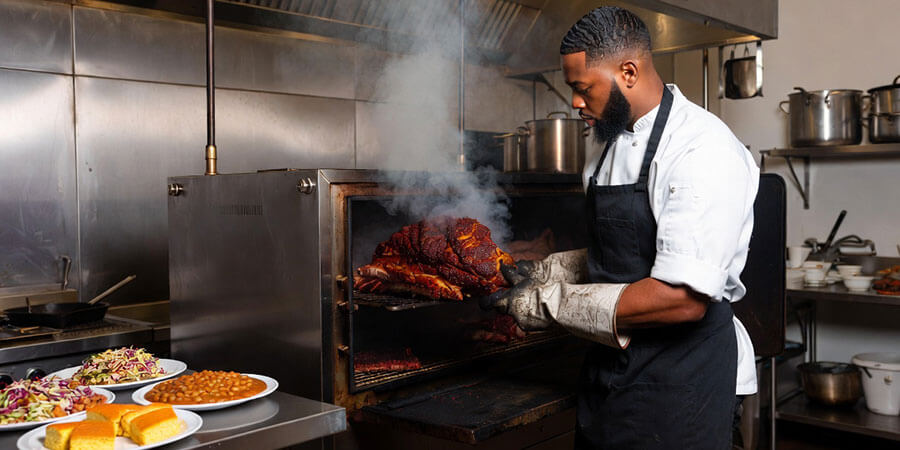
Table of Contents
A practical guide covering regional BBQ styles, essential equipment, menu development, operations, and marketing strategies
Barbecue is one of the most consistently popular food categories in the United States. The National Restaurant Association has repeatedly identified BBQ as a top menu trend, and consumer demand for smoked and slow-cooked meats continues to grow across every segment from fast casual to full service. For restaurant operators already running a kitchen, adding BBQ to the menu is a realistic way to increase check averages, attract new customers, and create signature items that set your restaurant apart.
But adding a BBQ program is not as simple as buying a smoker and throwing brisket on the menu. It requires understanding regional styles, investing in the right equipment, developing a menu that matches your kitchen's capacity, and training your team to execute consistently. This guide walks through every step, from choosing a style to marketing your new offerings.
The Business Case for BBQ
Restaurant operators who add BBQ tap into a category with strong consumer demand and attractive economics.
Higher check averages. BBQ platters, combo plates, and smoked meat sandwiches command higher prices than many standard menu items. Customers expect to pay more for low-and-slow cooking and perceive it as a premium experience.
Takeout and catering strength. Smoked meats hold temperature and quality during transport better than many other proteins, making BBQ a natural fit for catering events, family meal packages, and takeout orders.
Customer loyalty and differentiation. BBQ inspires passionate loyalty. Diners who find a restaurant with great smoked meats become regulars and vocal advocates. In markets where few restaurants offer genuine BBQ, adding it creates an immediate competitive advantage.
Menu flexibility. You can launch with two or three smoked items alongside your existing menu and expand based on demand. Sides like coleslaw, baked beans, cornbread, and mac and cheese are inexpensive to produce and pair naturally with any BBQ offering.
Year-round appeal. While BBQ peaks in summer, it performs well all year. Hearty smoked meats are comfort food in colder months, and BBQ platters are a staple at holiday gatherings, game day parties, and corporate events.
Regional BBQ Styles Explained
Understanding regional BBQ styles helps you decide which direction to take your menu. Each style has a distinct flavor profile, signature meats, and cooking method. You do not need to commit to a single style - many successful restaurants blend elements - but knowing the traditions helps you make intentional decisions.
| Style: | Region: | Signature Meats: | Sauce Profile: | Cooking Method: |
| Texas | Central and South Texas | Beef brisket, beef ribs, sausage links | Minimal sauce - emphasis on rub and smoke flavor | Post oak wood, offset smoker, low and slow |
| Kansas City | Kansas City, MO | Burnt ends, ribs, pulled pork, brisket | Thick, sweet, tomato-and-molasses-based | Hickory or fruit wood, heavy smoke |
| Carolina (Eastern) | Eastern North Carolina | Whole hog | Thin, vinegar-based with pepper flakes | Whole hog over hardwood coals |
| Carolina (Western/Lexington) | Piedmont, NC | Pork shoulder | Vinegar base with tomato addition (Lexington dip) | Hardwood coals, shoulder cuts |
| Memphis | Memphis, TN | Pork ribs (dry and wet), pulled pork | Dry rubs or thin tomato-based sauce | Hickory, charcoal |
| St. Louis | St. Louis, MO | Pork steaks, spare ribs (St. Louis cut) | Sweet, sticky, tomato-heavy sauce | Indirect grilling, sometimes smoked |
| Alabama | Northern Alabama | Smoked chicken | White sauce (mayonnaise, vinegar, pepper) | Hickory, pecan wood |
Choosing your approach. Consider your existing menu identity, your local market, and your kitchen's capacity. A steakhouse might lean toward Texas-style brisket. A Southern comfort restaurant fits naturally with Carolina or Memphis pork. A casual American concept can blend styles and create its own signature. The key is to pick a lane - or a deliberate fusion - and execute it well rather than attempting every style at once.
Essential Equipment for a BBQ Program
Adding BBQ to your kitchen requires specific equipment beyond what a standard restaurant line provides. The good news is that you do not need to outfit a full BBQ pit operation from day one. Start with core equipment and scale up as your program grows.
| Equipment Category: | Purpose: | Key Considerations: |
| Smoker ovens | Low-and-slow cooking of brisket, ribs, pork shoulder, chicken | Size based on projected volume; consider electric vs. wood vs. gas |
| Commercial outdoor grills | Direct-heat grilling for steaks, chicken, sausage, finishing smoked items | BTU output, grate size, fuel type |
| Holding and proofing cabinets | Maintaining temperature and moisture in finished meats during service | Humidity control is critical for BBQ - dry holding ruins texture |
| Cutting boards | Dedicated boards for slicing brisket, pulling pork, portioning ribs | Large, thick boards that can handle heavy use and hot proteins |
| Kitchen tongs | Handling meats on the smoker, grill, and during plating | Heavy-duty, heat-resistant, long-handled for reaching into smokers |
| Spatulas and turners | Flipping and moving proteins, serving | Wide, sturdy construction for heavy meats |
| Food prep brushes | Applying mops, glazes, and sauces during cooking | Heat-safe bristles, dedicated brushes for BBQ vs. other prep |
Ventilation is critical. Commercial smokers produce significant smoke, even indoor electric models. Consult your HVAC contractor and local fire marshal before installation. Adequate ventilation prevents smoke from entering the dining room and keeps you compliant with fire codes.
Start lean. A single commercial smoker and a holding cabinet are enough to launch with two to three menu items. Add grills and specialized tools as demand proves out. Overinvesting before validating customer interest is one of the most common mistakes operators make.
Menu Development and Planning
Building a BBQ menu that works within your existing operation requires balancing ambition with reality. The best BBQ menus are focused, executable, and designed around your kitchen's capacity.
Start with anchor items. Pick two to three smoked proteins as your core BBQ offerings. Brisket and pulled pork are the most universally popular, but smoked chicken, ribs, and sausage all have strong followings. Your anchor items should be meats that your kitchen can produce consistently and that hold well during service.
Choose cuts strategically. Not every cut works for every operation. Brisket requires long cook times and significant skill to execute well. Pulled pork is more forgiving and produces high volume from a single cook. Ribs are visually impressive but require precise timing. Match your cuts to your team's skill level and your kitchen's schedule.
Sides make the meal. BBQ sides are inexpensive to produce, easy to batch, and a major part of the customer experience. Classic options include coleslaw, baked beans, cornbread, mac and cheese, collard greens, potato salad, and pickles. Most of these can be prepped ahead and held without quality loss.
Sauce strategy. Offer a house sauce that fits your chosen style, and consider one or two additional options for variety. Many restaurants offer a mild and a hot version, or a vinegar-based and a tomato-based option. Making sauces in-house from scratch creates a signature element that cannot be replicated by competitors and adds perceived value.
Menu format options:
- Add-on approach - Add a "From the Smoker" section to your existing menu with two to three proteins available as plates, sandwiches, or by weight
- Combo plates - Offer two-meat and three-meat combo plates with a choice of sides, which drives higher check averages
- Family and group meals - Package smoked meats with sides for four to six people, ideal for takeout and catering
- Limited availability - Offer BBQ only on specific days (weekend smoke specials) to create urgency and manage production
Operational Considerations
BBQ introduces operational challenges that differ from standard restaurant cooking. Planning for these before launch prevents costly mistakes.
Cook times are long. A full packer brisket takes 12 to 18 hours to smoke properly. Pork shoulders run 10 to 14 hours. Ribs need four to six hours. These timelines mean your BBQ production cannot happen during a normal prep shift. You need to plan overnight cooks or early morning starts, which affects staffing schedules and labor costs.
Prep scheduling. Build a production calendar based on your projected sales. Smoke meats on a consistent schedule - for example, start briskets at midnight for next-day lunch and dinner service. Track actual consumption against projections weekly and adjust production quantities to minimize waste.
Smoke management. Even with proper ventilation, neighbors, landlords, and local ordinances may have concerns about smoke output. Communicate proactively with surrounding businesses and residents, especially during early morning cooks.
Food safety for BBQ. Low-and-slow cooking creates extended time in temperature zones that require careful monitoring. Internal meat temperatures must reach safe minimums - 165 degrees Fahrenheit for poultry, 145 degrees for whole cuts of pork and beef. Use probe thermometers and log temperatures throughout the cook.
Holding and resting. Smoked meats need a resting period after cooking and then holding at proper temperatures for service. Quality food preparation equipment and holding cabinets with humidity control are essential - dry holding desiccates brisket and dries out pulled pork.
Waste management. BBQ generates higher waste than many cooking methods. Trimmings, rendered fat, and bone waste need proper disposal. Factor grease trap cleaning and waste hauling into your operational budget.
Staffing and Training
BBQ is a skill that takes time to develop. Your existing line cooks may be excellent at saute and grill work but have no experience with smokers, rub application, or reading meat doneness by feel.
Designate a pitmaster. Assign one experienced cook to lead your BBQ program. This person owns the smoking schedule, develops and maintains consistency in rubs and sauces, and trains other team members. If no one on your current team has BBQ experience, invest in training before launching.
Training priorities:
- Smoker operation - How to load, light, maintain temperature, manage airflow, and add wood at proper intervals
- Meat preparation - Trimming, seasoning, rub application, and proper loading techniques
- Temperature monitoring - Using probe thermometers, understanding stalls, and knowing when meat is done by both temperature and feel
- Slicing and portioning - Brisket slicing against the grain at proper thickness, pulling pork to the right texture, cutting ribs consistently
- Holding protocols - Proper wrapping, resting times, and holding cabinet settings for each protein
Cross-training is essential. Do not let your BBQ program depend on a single person. If your pitmaster calls in sick on a Friday, you need at least one other team member who can manage the smoker and maintain quality. Cross-train at minimum two people on every aspect of your BBQ operation.
Marketing Your New BBQ Offerings
Launching BBQ is an event worth marketing aggressively. Smoked meats are inherently visual, shareable, and buzz-worthy - use that to your advantage.
Build anticipation before launch. Tease your BBQ program on social media two to three weeks before the official launch. Share behind-the-scenes content of smoker installation, test batches, and your team learning the craft.
Leverage your existing customer base. Announce the new menu through email, table tents, server mentions, and in-restaurant signage. Consider a soft launch for regulars before the public announcement.
Social media is your best channel. BBQ content is some of the most shareable food content online. Smoke rings, bark, the brisket slice - these images and videos generate strong engagement. Post consistently and encourage guests to tag your restaurant.
Local marketing tactics:
- Partner with local breweries for BBQ and beer pairing events
- Offer catering packages for local businesses, sports teams, and community events
- Enter local BBQ competitions or host your own cookoff event
- Connect with food bloggers and local media for coverage of your launch
For more restaurant marketing strategies, the Restaurant Marketing Guide covers comprehensive approaches to building your brand and driving traffic. You can also find actionable tips in marketing strategies and tools for restaurant owners.
Common Mistakes to Avoid
Operators who add BBQ to their menu often make predictable mistakes. Learning from others saves time, money, and reputation.
Launching too big. Starting with eight smoked proteins, five sauces, and a full BBQ menu on day one overwhelms your kitchen and increases waste. Start with two to three items, prove demand, and expand based on actual sales data.
Underestimating cook times. BBQ does not conform to standard kitchen timing. If your brisket is not ready for lunch service, you cannot speed it up. Build buffer time into every production schedule and have a backup plan for sold-out scenarios.
Skipping the resting period. Cutting into meat immediately after it comes off the smoker releases moisture and produces dry, tough results. Brisket needs at least 30 to 60 minutes of rest. Many pitmasters rest brisket for two to four hours in a holding cabinet for optimal results.
Ignoring ventilation. Inadequate smoke extraction leads to health code violations, neighbor complaints, and an unpleasant dining room. Address ventilation before you light the first fire, not after.
Inconsistency. BBQ customers are passionate and notice inconsistency immediately. Develop detailed cook logs, standardize your rubs and sauces by weight measurement, and hold your team to specific temperature and visual standards for every protein.
Neglecting sides. Great smoked meat with mediocre sides disappoints customers. Invest the same care in your coleslaw, beans, and cornbread as you do in your brisket. Sides are where many restaurants differentiate themselves in a competitive BBQ market.
Frequently Asked Questions
How long does it take to add BBQ to an existing restaurant menu?
Plan for six to eight weeks from decision to launch. This covers equipment selection, installation, menu development, recipe testing, staff training, and marketing preparation. Use the first two weeks for planning and procurement, the middle weeks for recipe development and training, and the final weeks for soft launch testing.
Can I add BBQ without a dedicated smoker?
You can start with a combination oven that has a smoke function or use indirect heat techniques on a grill. These alternatives produce acceptable smoked flavor for pulled pork and chicken. However, competition-quality brisket typically requires a proper smoker. Consider starting with a smaller unit to test demand before investing in a larger one.
What are the best BBQ items to start with for a new program?
Pulled pork and smoked chicken are the most forgiving starting points. Pulled pork is difficult to overcook, produces high volume per cook, and works across sandwiches, plates, and tacos. Smoked chicken cooks faster and has broad appeal. Add brisket once your team has developed confidence with the smoker.
How do I handle sold-out situations with BBQ items?
Selling out is better than leftover smoked meat. Communicate early through social media, server mentions, and signage. Frame it as a positive - "smoked fresh daily, limited quantities." Track sold-out times weekly and adjust future production quantities accordingly.
What wood should I use for smoking?
Hickory is the most versatile, producing a strong classic smoke flavor. Oak delivers medium smoke that works well with beef. Fruit woods like apple and cherry provide milder, slightly sweet smoke ideal for poultry and pork. Mesquite burns hot with intense flavor best suited for grilling rather than long smokes. Avoid softwoods like pine, which produce resinous, unpleasant smoke.
How do I calculate food costs for BBQ menu items?
Run test cooks to calculate actual yield from each raw protein. Brisket loses 30 to 40 percent of its raw weight during cooking, and pork shoulders lose 35 to 45 percent. Calculate your cost per cooked pound, apply your target food cost percentage, and factor in wood, rub, sauce, and side costs for complete plate pricing.
Do I need health department approval to add a smoker?
In most jurisdictions, yes. Adding a commercial smoker typically requires notification of your local health department and fire marshal. You may need an updated ventilation plan, modified fire suppression system, and revised kitchen layout approval. Contact your local authorities before purchasing equipment.
Related Resources
- Restaurant Marketing Guide - Comprehensive marketing strategies for building your restaurant brand and driving traffic
- Smoker Ovens - Commercial smokers for restaurant BBQ programs
- Commercial Outdoor Grills - Outdoor grilling equipment for direct-heat cooking
- Holding and Proofing Cabinets - Temperature and humidity-controlled holding for smoked meats
- Best BBQ in Every State - GoFoodservice's interactive guide to BBQ across America
Share This!