Traditional Hanukkah Recipes
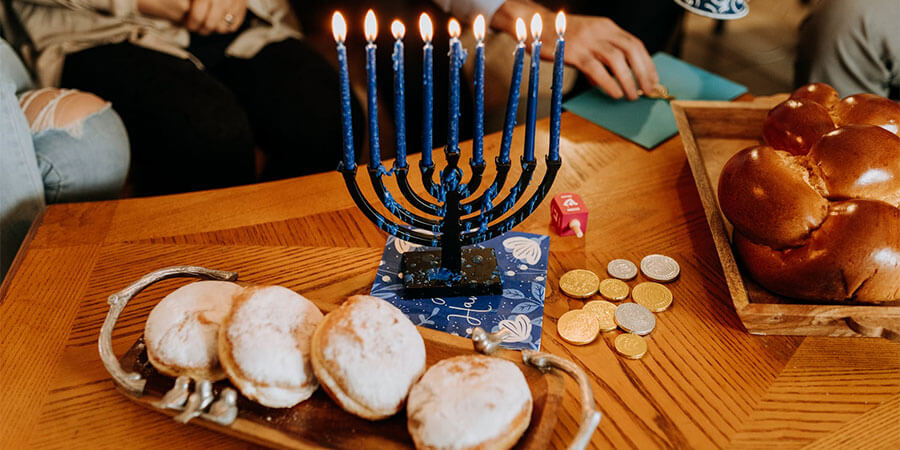
Table of Contents
Five classic dishes that honor the Festival of Lights with rich flavors, deep-rooted traditions, and festive warmth
Hanukkah is one of the most beloved celebrations in the Jewish calendar - eight nights of candle lighting, family gatherings, and food that carries centuries of meaning in every bite. The dishes served during Hanukkah are not random comfort foods. Each one connects to the holiday's central story: the miracle of oil that burned for eight nights in the rededicated Second Temple in Jerusalem.
That connection to oil is why fried foods take center stage at the Hanukkah table. Crispy potato latkes, golden sufganiyot stuffed with jam, and other oil-rich dishes serve as edible reminders of the miracle. But Hanukkah cuisine extends beyond fried foods. Slow-braised brisket, rich noodle kugel, and freshly baked challah round out the holiday spread with warmth and substance.
Whether you are preparing your first Hanukkah dinner or continuing a family tradition that spans generations, these five recipes represent the heart of the holiday table. Each dish brings its own story, flavor, and place in the celebration.
The History and Meaning Behind Hanukkah Food Traditions
The foods served during Hanukkah carry deep religious and historical significance that goes far beyond simple holiday cooking. Understanding these traditions adds meaning to every dish on the table.
The Miracle of Oil - The central story of Hanukkah dates back to 165 BCE, when the Maccabees reclaimed the Second Temple in Jerusalem from the Seleucid Empire. When they went to rededicate the Temple and relight the menorah, they found only enough consecrated olive oil to last one night. Miraculously, the oil burned for eight nights - long enough for new oil to be prepared. This is why Hanukkah lasts eight nights and why foods fried in oil hold such an important place at the holiday table. Every bite of a crispy latke or a warm sufganiyot is a reminder of that miracle.
The Story of Judith and Dairy Traditions - A lesser-known but equally important tradition involves dairy foods during Hanukkah. The story of Judith (Yehudit) tells of a brave Jewish woman who saved her town from an Assyrian siege by feeding the enemy general salty cheese, which made him thirsty enough to drink excessive wine and fall asleep. Her courage is honored through the tradition of eating dairy dishes during the holiday. This is why cheese-filled foods, dairy-based kugels, and cream-topped dishes sometimes appear alongside the fried foods.
Regional Traditions - Hanukkah food traditions vary across Jewish communities worldwide. Ashkenazi families (those with Eastern European roots) tend to favor potato latkes, brisket, and noodle kugel. Sephardic families (with roots in Spain, the Middle East, and North Africa) often feature loukoumades (fried honey puffs), bimuelos, and dishes seasoned with cumin, saffron, and cinnamon. Both traditions share the common thread of oil-fried foods honoring the miracle.
| Tradition: | Origin: | Signature Foods: | Connection to Hanukkah: |
| Oil-fried foods | Temple rededication (165 BCE) | Latkes, sufganiyot, fritters | Miracle of oil lasting eight nights |
| Dairy dishes | Story of Judith | Cheese pancakes, kugel, blintzes | Honors Judith's bravery |
| Ashkenazi customs | Eastern Europe | Brisket, potato latkes, kugel | Family comfort food traditions |
| Sephardic customs | Mediterranean and Middle East | Loukoumades, bimuelos, spiced dishes | Regional interpretations of oil tradition |
| Challah | Widespread Jewish tradition | Braided egg bread | Shabbat and holiday celebration |
Hanukkah Brisket with Carrots
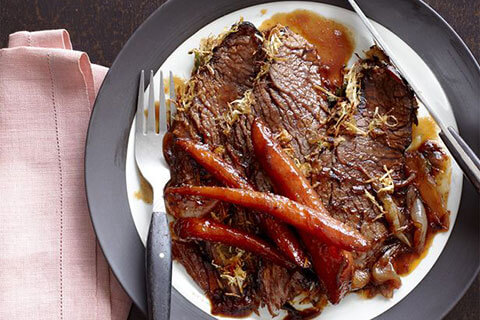
Brisket is the undisputed centerpiece of most Ashkenazi Hanukkah tables - a slow-braised cut of beef that transforms hours of patient cooking into something impossibly tender and deeply flavorful. The tradition of serving brisket during Hanukkah dates back to Eastern European Jewish communities where tough, affordable cuts of meat were turned into celebratory meals through long, slow cooking.
What makes Hanukkah brisket special is the braising method. The meat cooks low and slow in a mixture of onions, carrots, garlic, and a rich liquid base that can include tomatoes, wine, or broth. Over several hours, the tough connective tissue in the brisket breaks down completely, creating meat that falls apart at the touch of a fork. The carrots cook alongside the beef, absorbing all of those savory juices and becoming sweet, tender, and caramelized.
The flavor profile is warm and deeply savory - a combination of caramelized onions, roasted garlic, sweet carrots, and richly seasoned beef. Many families add their own signature touches, from a splash of pomegranate juice to a spoonful of brown sugar that caramelizes into the braising liquid.
This is a beginner-friendly dish that is hard to overcook. The key is patience - plan for at least three to four hours of braising time in a commercial-grade oven or heavy Dutch oven. The reward is a dish that feeds a crowd and tastes even better the next day.
Noodle Kugel
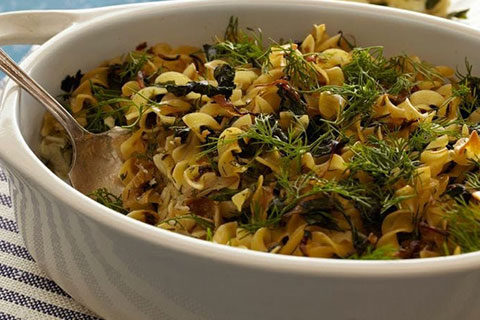
Noodle kugel is one of those dishes that blurs the line between side dish and dessert - a baked casserole of egg noodles bound together with eggs, butter, and either sour cream or cottage cheese, often sweetened with sugar and warm spices like cinnamon and vanilla. The top bakes into a golden, slightly crispy crust while the interior stays creamy and soft. It is pure comfort food with deep roots in Ashkenazi Jewish cooking.
The word "kugel" comes from the German word for "sphere" or "globe," a reference to the dish's original round shape when it was baked in clay pots centuries ago. Over time, kugel evolved from a simple bread pudding into the noodle-based casserole most families know today. It became a staple of Shabbat and holiday meals, and its presence at the Hanukkah table connects to the dairy tradition honoring the story of Judith.
Kugel works beautifully as part of a Hanukkah spread because it can be assembled hours ahead of time and baked while other dishes finish cooking. The flavor is warm and custard-like - rich from the eggs and dairy, lightly sweet from the sugar, and grounded by the satisfying chew of the noodles. Some versions add raisins, dried cranberries, or a streusel topping for extra texture.
This is a straightforward recipe that even novice cooks can handle confidently. A large mixing bowl for combining the noodle mixture and a sturdy baking dish are the only essential tools. The result is a dish that disappears fast and gets requested every year.
Potato Latkes
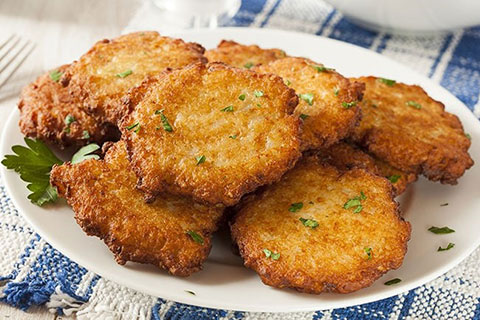
If there is one dish that defines Hanukkah more than any other, it is the potato latke. These crispy, golden pancakes made from shredded potatoes and onions are the most direct edible connection to the miracle of oil. Fried in a generous amount of oil until the edges shatter and the centers stay tender, latkes are the heart and soul of Hanukkah cooking.
The history of latkes stretches back centuries, though the original versions were not made with potatoes at all. Early latkes in Italy and Eastern Europe were cheese pancakes - another connection to the Judith tradition. When potatoes became widely available and affordable in Eastern Europe during the 1800s, they quickly replaced cheese as the primary ingredient, and the potato latke as we know it was born.
The key to a great latke is texture. The potatoes need to be shredded finely enough to hold together but coarsely enough to create those signature crispy edges. Squeezing out as much moisture as possible before frying is the most important step - excess water is the enemy of crispiness. The frying itself requires enough oil to come about halfway up the sides of each latke, creating a deep golden crust that stays crunchy even after they cool slightly.
Latkes are traditionally served with applesauce or sour cream - and the choice between the two is a debate that has divided families for generations. The correct answer, of course, is both. For anyone frying large batches, a quality deep fryer maintains consistent oil temperature and produces evenly golden results every time.
Sufganiyot (Jelly Doughnuts)
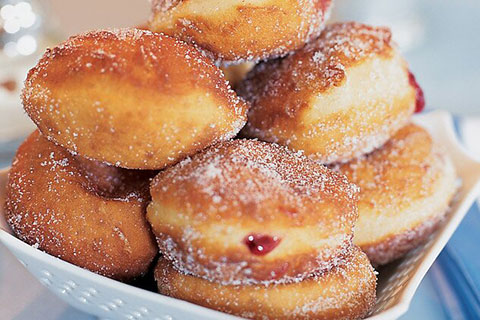
Sufganiyot are the sweet side of the Hanukkah oil tradition - round, pillowy doughnuts deep-fried until golden and filled with strawberry jam, raspberry preserves, or dulce de leche, then dusted generously with powdered sugar. They are the most popular Hanukkah treat in Israel, where bakeries produce millions of them each holiday season in an ever-expanding variety of flavors and fillings.
The tradition of eating sufganiyot during Hanukkah gained widespread popularity in Israel during the 1920s, when the Histadrut (the General Organization of Workers) promoted them as a holiday food that required skilled labor to produce, thus supporting local bakers and their workers. The connection to Hanukkah is the same as latkes - foods fried in oil commemorating the miracle of the Temple oil.
What sets a great sufganiyot apart from an ordinary jelly doughnut is the dough itself. It is enriched with eggs, butter, and sometimes a touch of citrus zest, creating a tender, brioche-like interior that contrasts beautifully with the thin, crispy outer shell. The filling-to-dough ratio matters too - a generous amount of jam that bursts with each bite without overwhelming the dough.
Sufganiyot require more skill than latkes but are absolutely achievable for home cooks willing to work with yeast dough and hot oil. The dough needs time to rise, and the frying requires attention to oil temperature - too hot and the outside burns before the inside cooks through, too cool and the dough absorbs excess oil and becomes heavy. Proper food preparation equipment and a reliable thermometer make the process much smoother.
Challah Bread
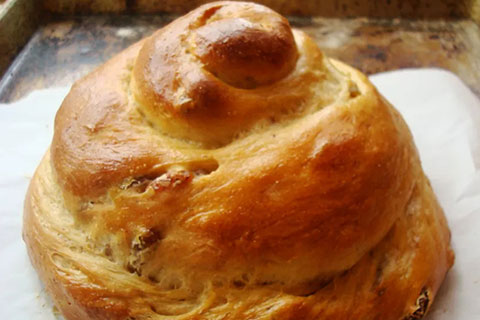
Challah is the golden, braided egg bread that graces Jewish tables for Shabbat, holidays, and celebrations throughout the year - and it holds a special place at the Hanukkah table. Rich with eggs, lightly sweetened with honey, and brushed with an egg wash that bakes into a glossy, deep amber crust, challah is as beautiful as it is delicious.
The tradition of challah dates back to the biblical commandment to separate a portion of dough as an offering. Over the centuries, the bread evolved into the braided loaves we recognize today, with the braids themselves carrying symbolic meaning - three-strand braids for Shabbat and six-strand braids for special holidays. During Hanukkah, some families shape their challah into round loaves symbolizing the continuity of life and the cyclical nature of the holiday.
The flavor of a well-made challah is subtly sweet and rich without being heavy. The crumb is soft, pillowy, and slightly yellow from the egg yolks, with a texture that tears into long, tender strands. It is equally at home as a dinner bread alongside brisket and latkes or as the base for next-day French toast - arguably one of the best uses of leftover challah.
Challah does require comfort with yeast baking and some patience for the rising process, but the actual hands-on work is minimal. The braiding looks impressive but becomes intuitive with practice. A quality cutting board provides a clean surface for kneading and braiding, and the aroma of challah baking in the oven is reason enough to make it from scratch.
Recipe Overview Table
| Recipe: | Category: | Tradition Connection: | Difficulty: | Estimated Prep Time: | Best Served With: |
| Hanukkah Brisket | Main course | Ashkenazi holiday centerpiece | Beginner | 30 min prep + 3-4 hrs braising | Roasted vegetables, challah |
| Noodle Kugel | Side dish / dessert | Dairy tradition (Story of Judith) | Beginner | 20 min prep + 45 min baking | Brisket, latkes, applesauce |
| Potato Latkes | Appetizer / side | Miracle of oil (fried in oil) | Intermediate | 30 min prep + 20 min frying | Applesauce, sour cream |
| Sufganiyot | Dessert | Miracle of oil (deep-fried) | Intermediate | 45 min prep + 2 hrs rising + frying | Powdered sugar, coffee, tea |
| Challah Bread | Bread / side | Biblical tradition, holiday celebration | Intermediate | 30 min prep + 2 hrs rising + 30 min baking | Brisket, soups, any main dish |
Planning a Hanukkah Dinner Menu
Putting together a complete Hanukkah dinner is easier than it might seem because these five dishes work together naturally - each one filling a different role on the table without competing for attention.
Start with timing. Brisket is the dish that needs the most lead time, so get it into the oven first. While it braises for three to four hours, you have plenty of time to prepare the kugel, mix the latke batter, and let the challah and sufganiyot dough rise. The kugel can go into the oven during the last hour of the brisket's cooking time, and latkes should be fried last so they are served hot and crispy.
Build the table around the brisket. Slice the brisket and arrange it on a large serving platter with the braised carrots alongside. Set out the kugel in its baking dish, stack the latkes on a warm plate with small bowls of applesauce and sour cream, tear the challah into a bread basket, and pile the sufganiyot on a serving platter dusted with powdered sugar.
Think about balance. The brisket brings rich, savory depth. The latkes add crispy, salty satisfaction. The kugel provides creamy, lightly sweet comfort. The challah offers soft, pillowy bread for soaking up braising juices. And the sufganiyot close the meal with sweet, indulgent warmth. Together, they cover every flavor and texture a holiday meal needs.
Serving for a crowd. Hanukkah is a holiday built around gathering - families, friends, and community coming together over eight nights. For larger groups, the brisket and kugel scale up easily by using larger baking dishes. Latkes can be fried in batches and kept warm in a low oven on a wire rack. Setting up a simple buffet with tabletop serving pieces keeps everything accessible and lets guests serve themselves at their own pace.
Leftovers are part of the plan. One of the best things about Hanukkah cooking is that nearly every dish tastes as good or better the next day. Brisket reheats beautifully, kugel warms up in the oven, and leftover challah makes extraordinary French toast. Plan to make a little extra - you will be glad you did across eight nights of celebration.
Tips for Preparing Hanukkah Foods
A few practical tips help everything come together smoothly, especially if you are preparing multiple dishes at once.
- Prep ingredients the day before. Shred potatoes, dice onions, and measure spices ahead of time. Store shredded potatoes in cold water to prevent browning and drain thoroughly before frying.
- Use the right oil. Traditional latkes and sufganiyot are fried in neutral oils with high smoke points - vegetable oil, canola oil, or peanut oil work well. Olive oil is historically significant but has a lower smoke point, so save it for drizzling rather than deep frying.
- Control frying temperature. Keep oil between 350 and 375 degrees Fahrenheit for latkes and sufganiyot. A clip-on thermometer takes the guesswork out of frying.
- Drain fried foods properly. Set a wire cooling rack over a sheet pan lined with paper towels. This keeps fried foods crispy by allowing air to circulate underneath rather than trapping steam.
- Season generously. Brisket and latkes both benefit from bold seasoning. Taste as you go and adjust salt before serving.
- Set up your workspace. Having clean cutting boards, mixing bowls, and basic smallwares organized before you start cooking makes the process calmer and more enjoyable.
Frequently Asked Questions
What is traditional Hanukkah food?
Traditional Hanukkah food centers around dishes fried in oil, which commemorates the miracle of the Temple oil that burned for eight nights. The most iconic foods are potato latkes (fried potato pancakes) and sufganiyot (jelly-filled doughnuts). Beyond fried foods, Hanukkah tables typically feature slow-braised brisket, noodle kugel, and challah bread. Dairy dishes like cheese pancakes and blintzes also have a place in the tradition, honoring the story of Judith. The specific dishes vary by family and cultural background, with Ashkenazi and Sephardic communities each bringing their own regional specialties to the celebration.
Why are foods fried for Hanukkah?
Foods are fried during Hanukkah to honor the miracle of oil that is central to the holiday story. When the Maccabees rededicated the Second Temple in Jerusalem around 165 BCE, they found only enough consecrated olive oil to keep the menorah burning for one night. Miraculously, the oil lasted for eight nights. Eating foods fried in oil - like latkes and sufganiyot - serves as a delicious reminder of that miracle and is one of the most widely observed food traditions across all Jewish communities during the holiday.
What do you eat on each night of Hanukkah?
There are no strict rules about which foods must be eaten on specific nights of Hanukkah. Families typically enjoy fried foods like latkes and sufganiyot throughout the eight nights, with larger festive meals featuring brisket, kugel, and challah on the first night, the last night, or whenever family and friends gather. Many families establish their own traditions - some make latkes every night while saving brisket for the weekend gathering, while others rotate dishes throughout the celebration. The flexibility is part of the holiday's warmth.
Can Hanukkah foods be made ahead of time?
Most Hanukkah dishes are excellent candidates for advance preparation. Brisket actually tastes better when made a day ahead and reheated, as the flavors deepen overnight. Noodle kugel can be assembled the day before and baked just before serving. Challah dough can be prepared and shaped, then refrigerated overnight for a slow rise and baked fresh the next day. Sufganiyot dough can also be refrigerated overnight. The main exception is latkes - they are best fried and served immediately for maximum crispiness, though they can be reheated in a hot oven on a wire rack in a pinch.
What is the difference between latkes and hash browns?
While both are made from shredded potatoes, latkes and hash browns differ in several important ways. Latkes include eggs and sometimes flour or matzo meal as binders, which hold the shredded potatoes into a cohesive pancake shape. They also include grated onion, which adds sweetness and flavor depth. Latkes are fried in a generous amount of oil - enough to create a deep golden crust on both sides - and are traditionally served as a celebratory dish with applesauce or sour cream. Hash browns are typically seasoned simply with salt and pepper and cooked on a flat griddle with less oil.
Are there dairy-free Hanukkah recipes?
Yes, many traditional Hanukkah foods are naturally dairy-free. Potato latkes, brisket, challah (most recipes use oil rather than butter), and many sufganiyot recipes are made without dairy. This is especially important for families observing kosher dietary laws, which prohibit mixing meat and dairy in the same meal. If brisket is the main course, all accompanying dishes need to be dairy-free or pareve (neutral). Noodle kugel is the most common dish that contains dairy, but there are pareve versions made with oil instead of butter and non-dairy alternatives instead of sour cream or cottage cheese.
What are traditional Sephardic Hanukkah foods?
Sephardic Hanukkah traditions feature their own distinctive fried foods and flavors. Popular dishes include loukoumades (small fried dough balls drizzled with honey syrup), bimuelos (fried dough fritters common in Turkish and Greek Jewish communities), and sfenj (Moroccan doughnuts). Sephardic families also serve savory fried foods like keftes de prasa (leek fritters) and bourekas (filled pastries). The spice profiles tend to be warmer and more aromatic than Ashkenazi dishes, featuring cumin, cinnamon, saffron, and rose water. The unifying element across all traditions remains the use of oil in cooking to honor the Hanukkah miracle.
Related Resources
- Commercial Deep Fryers - Equipment for consistent frying temperature and even results
- Food Preparation Equipment - Tools for mixing, shredding, and prepping holiday ingredients
- Commercial Ovens - Reliable ovens for braising brisket and baking kugel and challah
- Disposables - Convenient serving and cleanup supplies for large holiday gatherings
Share This!