Top 10 Best Donuts in America
Table of Contents
Coast-to-coast donut discoveries that prove America's best shops are turning simple fried dough into edible art forms
Americans eat more than 10 billion donuts every year. That is not a typo. The humble donut - a ring of fried dough that technically qualifies as breakfast - has become one of the country's most obsessed-over foods, inspiring road trips, hour-long lines, and the kind of heated debates usually reserved for barbecue and pizza.
But the donut landscape has changed dramatically over the past two decades. The old guard of neighborhood shops with their glass cases of glazed and chocolate-frosted classics now shares shelf space with a new wave of artisan operations. These shops treat donuts the way craft breweries treat beer - with obsessive attention to ingredients, technique, and flavor combinations that would make a pastry chef raise an eyebrow.
This list covers 10 donuts from 10 different shops across the country. Some are old-school legends. Some are modern creations that push the boundaries of what a donut can be. All of them are worth rearranging travel plans for. Whether you are a bakery operator hunting for creative inspiration or just someone who takes fried dough very seriously, these are the ones that belong on your radar.
The Full Lineup - All 10 Donuts at a Glance
Before diving into each shop and its signature creation, here is the complete list with locations and what makes each one stand out.
| # | Donut: | Shop: | City, State: | Standout Feature: |
| 1 | Ice Cream Donut | Peter Pan Donuts | Brooklyn, NY | Warm donut split and stuffed with cold ice cream |
| 2 | Feather Boa | Top Pot Doughnuts | Seattle, WA | Old-fashioned cake donut with signature glaze and texture |
| 3 | Pinup Girl | Glam Doll Donuts | Minneapolis, MN | Over-the-top toppings with a retro burlesque theme |
| 4 | Nutella Donut | Donut Bar | San Diego, CA | Massive brioche donut loaded with Nutella and hazelnuts |
| 5 | Berry Best | The Donut Snob | Los Angeles, CA | Fresh berry compote on a perfectly balanced raised donut |
| 6 | Cookies and Cream | The Doughnut Vault | Chicago, IL | Rich chocolate cookie crumble on a dense, small-batch donut |
| 7 | Chocolate Ganache | Blue Star Donuts | Portland, OR | European-style brioche dough with high-cacao ganache |
| 8 | Nut Persian | Bill's Donut Shop | Centerville, OH | Giant cinnamon-nut pastry unique to the Midwest |
| 9 | Big Honey Dip | Congdon's Doughnuts | Wells, ME | Oversized honey-glazed classic from a 1955 family operation |
| 10 | Creme Horn | The Donut Stop | St. Louis, MO | Flaky horn-shaped pastry filled with fresh custard cream |
Peter Pan Donuts' Ice Cream Donut - Brooklyn, New York
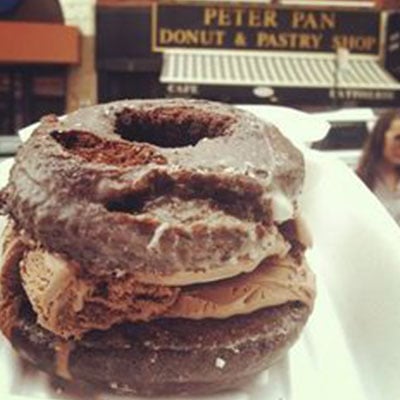
Peter Pan Donuts has been operating out of the same Greenpoint, Brooklyn storefront since 1953. The mint-green facade and neon sign are as much a neighborhood landmark as any building in the borough, and the shop has survived every wave of gentrification, rent increases, and food trends that Brooklyn has thrown at it. The reason is simple - the donuts are that good.
The Ice Cream Donut takes an already excellent warm donut and splits it open like a sandwich, stuffing the center with a generous scoop of cold ice cream. The temperature contrast is the whole experience - warm, slightly crispy fried dough meeting cold, creamy ice cream in every bite. The dough softens just slightly where it touches the ice cream, creating a texture that sits somewhere between a donut and a warm cookie sundae.
What makes this work is the quality of the base donut. Peter Pan's dough recipe has not changed in decades. It is light, airy, and carries just enough sweetness that it does not compete with whatever ice cream flavor you choose. The shop keeps it simple - no elaborate toppings, no Instagram-bait drizzles. Just a perfect donut and a scoop of ice cream, served in wax paper by people who have been making the same thing since your grandparents were dating. Lines form early on summer weekends, and they are worth every minute.
Top Pot Doughnuts' Feather Boa - Seattle, Washington
Top Pot Doughnuts opened in 2002 in a converted auto showroom with floor-to-ceiling windows, and the Seattle shop quickly became as associated with the city as coffee and rain. The space looks more like a library than a bakery - dark wood shelves lined with books, vintage signage, and the kind of atmosphere that makes you want to sit down with a newspaper and stay for three hours.
The Feather Boa is their signature old-fashioned cake donut, and it earns its spot on this list through sheer execution rather than novelty. This is a dense, craggy-surfaced cake donut with a crackled glaze that shatters slightly when you bite through it. The interior is tender and moist with a subtle buttermilk tang. The edges and ridges - those signature old-fashioned cracks and folds - catch pools of glaze, giving every bite a different ratio of sweet coating to cake.
Old-fashioned cake donuts are deceptively difficult to get right. The batter needs the correct ratio of leavening to fat, and the frying temperature has to be precise - too hot and the outside burns before the center cooks, too cool and the donut absorbs oil and turns greasy. Top Pot nails the balance every time. The Feather Boa is proof that sometimes the best donut is not the one with the wildest toppings. It is the one where the fundamentals are so dialed in that a simple glaze is all it needs.
Glam Doll Donuts' Pinup Girl - Minneapolis, Minnesota
Glam Doll Donuts leans hard into its burlesque-inspired aesthetic - the shop interior features vintage pinup art, bold colors, and a general vibe that says "we take donuts seriously but not ourselves." The Minneapolis location has been a staple of the Eat Street dining corridor since 2013, and the rotating menu keeps regulars coming back to see what outrageous creation appears next.
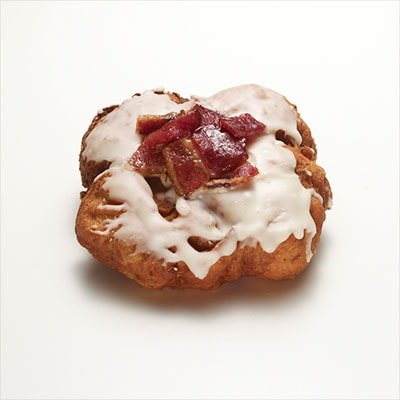
The Pinup Girl is a raised donut that gets the full glam treatment. Think rich frosting, layered toppings, and flavor combinations that sound excessive on paper but somehow work in practice. The base donut is soft and pillowy - a well-made yeast dough that provides the structural foundation for everything piled on top. The toppings change seasonally, but the approach stays consistent - bold, unapologetic, and built to make you feel like you are eating something special rather than grabbing a quick breakfast.
What sets Glam Doll apart from other "creative topping" shops is restraint where it counts. The dough is never an afterthought. Too many artisan donut shops pour their energy into elaborate toppings while neglecting the donut itself, producing glorified cupcake platforms. Glam Doll gets the foundation right first, then builds upward. The Pinup Girl works because the donut underneath all that decoration is genuinely excellent - pull off every topping, and you still have a donut worth eating on its own.
Donut Bar's Nutella Donut - San Diego, California
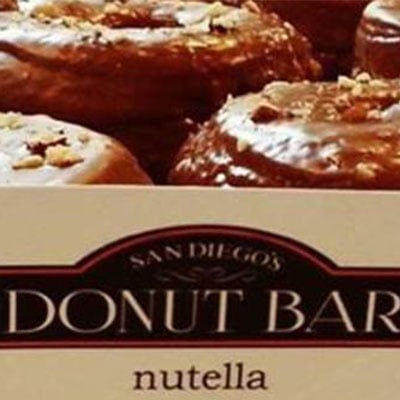
Donut Bar in downtown San Diego is known for two things - the size of their donuts and the lines that form before the doors open. The shop operates on a "when they're gone, they're gone" model, which means early mornings are the only reliable strategy. The display case looks like a pastry version of a jewelry store - each donut sits in its own space, and the variety rotates daily.
The Nutella Donut is the showstopper. This is not a standard donut with a thin smear of hazelnut spread. It is a massive brioche-style donut - easily twice the size of a typical shop donut - generously filled and topped with real Nutella, scattered with crushed hazelnuts, and finished with a precision that suggests someone with pastry training is running the operation. The brioche dough is rich, buttery, and eggy, giving the donut a bread-like quality that stands up to the weight of the toppings without collapsing into a soggy mess.
The flavor hits in layers. The first bite is all chocolate-hazelnut sweetness from the Nutella. Then the buttery richness of the brioche comes through. The crushed hazelnuts add crunch and a slightly bitter, roasted note that keeps the whole thing from tipping into pure sugar overload. It is a donut that demands to be shared - not because it is too sweet, but because it is physically enormous. Pair it with a strong black coffee and you have a breakfast that will carry you well past lunch.
The Donut Snob's Berry Best - Los Angeles, California
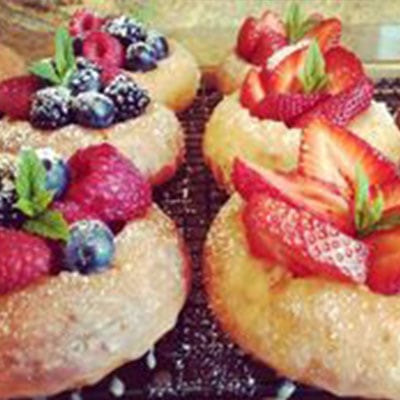
Los Angeles has more donut shops per capita than almost any other American city - a legacy of Cambodian immigrant entrepreneurs who built a massive network of independent shops throughout Southern California starting in the 1970s. The Donut Snob emerged from this rich tradition but pushed the concept in a more refined direction, focusing on seasonal flavors, high-quality ingredients, and the kind of presentation that looks effortless but requires real skill.
The Berry Best is a raised donut topped with a fresh berry compote that changes based on what is in season. In summer, you might get a mix of blueberries and blackberries. Spring often brings strawberry and rhubarb. The compote sits atop a thin layer of glaze, and the combination of warm fruit, sweet glaze, and soft yeast dough creates something that tastes closer to a fine pastry than a traditional donut.
What elevates this above a dozen other "fruit-topped donut" attempts across the city is balance. The berry compote is tart enough to cut through the sweetness of the glaze. The donut itself is light and airy without being insubstantial. Nothing overwhelms anything else. It is the kind of donut that converts people who claim they do not have a sweet tooth - the fruit provides enough acidity and freshness to keep it from feeling like a sugar bomb. If you have ever wondered why food critics bother reviewing donut shops, this is the kind of creation that answers that question.
The Doughnut Vault's Cookies and Cream - Chicago, Illinois
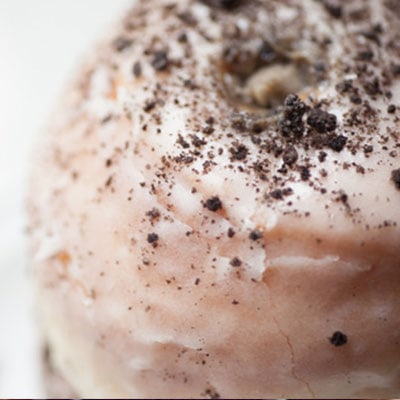
The Doughnut Vault operates out of a tiny storefront in Chicago's River North neighborhood that is easy to walk past if you are not looking for it. The space is barely large enough for a counter and a display case, which is exactly the point - everything about this operation prioritizes the product over the experience. There are no seats, no elaborate decor, and no menu board listing 40 options. They make a small number of varieties each day, and when they sell out - usually by mid-morning - the window closes.
The Cookies and Cream donut is a buttermilk old-fashioned style with a thick layer of cookies and cream frosting topped with crushed chocolate cookie pieces. The buttermilk base gives the cake a slight tang that prevents the rich frosting from overwhelming your palate. The cookie pieces add textural contrast - crunchy bits against the dense, tender crumb of the cake donut.
Chicago's donut scene tends to favor substance over flash, and The Doughnut Vault is the embodiment of that philosophy. The bakers start work in the early morning hours, and every donut is finished by hand. The small-batch approach means consistency stays high - you are not getting a donut that has been sitting under a heat lamp for four hours. You are getting one that was glazed or frosted within the hour. That freshness is what separates a great cookies and cream donut from a merely good one. The frosting stays creamy rather than crusting over, and the cake stays moist rather than drying out.
Blue Star Donuts' Chocolate Ganache - Portland, Oregon
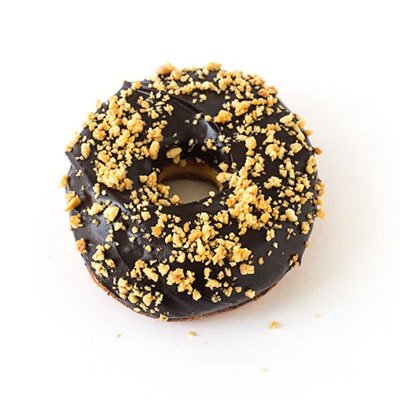
Blue Star Donuts built its reputation on a simple premise - use brioche dough instead of standard donut dough, and treat toppings with the same care a chocolatier would. The Portland shop sources high-quality chocolate, real fruit, and local ingredients whenever possible. The result is a donut that costs more than the corner shop but delivers a fundamentally different eating experience.
The Chocolate Ganache donut starts with their signature brioche base - rich, layered, and almost flaky in texture. Think croissant crossed with a donut. The ganache on top is made with high-cacao chocolate that leans bittersweet rather than sugary. It is thick enough to coat the top of the donut in a glossy layer but thin enough that it does not crack and fall off when you take a bite. The chocolate flavor is deep and complex, with the kind of slight bitterness that serious chocolate lovers chase.
Portland takes its food preparation culture seriously, and Blue Star fits right into a city that demands transparency about ingredients and process. The brioche dough requires a longer rise time and more butter than standard donut dough, which is why most shops do not bother with it. Blue Star's willingness to absorb that extra cost and effort shows in every bite. The Chocolate Ganache is not trying to be the most creative donut on this list. It is trying to be the most refined - and it succeeds.
Bill's Donut Shop's Nut Persian - Centerville, Ohio
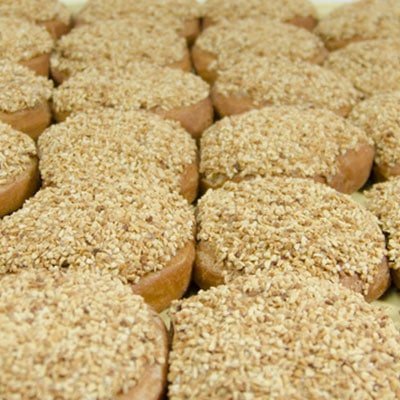
Bill's Donut Shop in Centerville, Ohio has been open 24 hours a day, seven days a week since 1960. That is not a marketing exaggeration - the shop literally never closes. The operation runs on overlapping shifts, with bakers working through the night to keep the cases full for the pre-dawn crowd. Bill's has been voted the best donut shop in America by multiple national publications, which is remarkable for a shop located in a small city outside Dayton.
The Nut Persian is Bill's most legendary creation and a style that most people outside Ohio have never encountered. A Persian is a large, flat, cinnamon-spiced pastry - bigger than a standard donut, closer in size to a small plate. Bill's version is topped with crushed nuts and a sweet glaze that soaks into the dough's crevices. The result is a pastry that hits cinnamon, nut, and caramelized sugar notes all at once. It is dense, rich, and absolutely massive - one Persian is a full breakfast by any reasonable standard.
The Persian style is a regional Midwestern creation with roots in Thunder Bay, Ontario, and it remains largely unknown outside a handful of states. Bill's has become the most famous ambassador for the format, introducing it to the constant stream of food writers and donut tourists who make the pilgrimage to Centerville. At prices that have barely budged in decades, this shop proves that a donut does not need artisan branding or a $6 price tag to be extraordinary. Sometimes the best donut in America costs two dollars and comes from a shop that has not redecorated since the Carter administration.
Congdon's Big Honey Dip - Wells, Maine
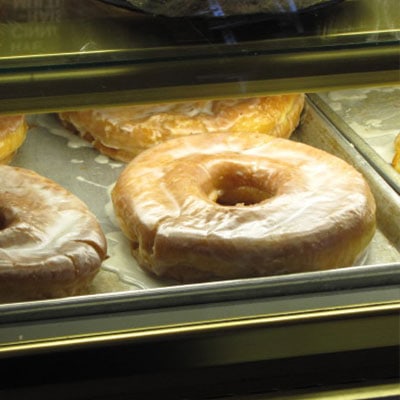
Congdon's Doughnuts has been a fixture in Wells, Maine since 1955, when the Congdon family started frying donuts and selling them from a small roadside stand. The operation has grown over the decades, but the family ownership and the recipes have stayed remarkably consistent. Congdon's sits along Route 1 - Maine's coastal highway - and catching it during summer tourist season means navigating a parking lot that was designed for 1955-era traffic volumes and now handles ten times that.
The Big Honey Dip is the flagship, and it earns its name honestly. This is an oversized yeast donut - noticeably larger than standard - dipped in a honey glaze that forms a thin, slightly tacky coating. The glaze is not aggressively sweet. The honey flavor comes through clearly, giving it a floral quality that straight sugar glazes cannot match. The donut itself is soft, airy, and light enough that the larger size does not feel heavy. You can eat the whole thing without that dense, overly-full feeling that lesser donuts produce.
What makes Congdon's special is the contrast with its surroundings. Maine's coastline is famous for lobster rolls and clam chowder, and Congdon's sits right in the middle of that world - a donut shop surrounded by seafood shacks and ice cream stands. The Big Honey Dip has become as much a part of the Maine road trip experience as the lobster itself. Generations of families stop at Congdon's on their way to the beach, and the honey-glazed donut they buy today tastes exactly like the one their parents bought in 1985.
The Donut Stop's Creme Horn - St. Louis, Missouri
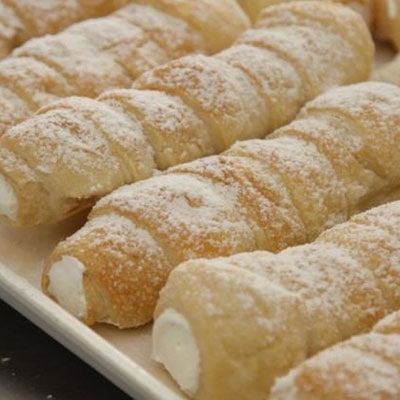
The Donut Stop in St. Louis operates on a scale that borders on absurd. On any given day, the shop offers upward of 100 different varieties - a rotating catalog of flavors, shapes, and creations that fills a display case stretching the entire length of the store. The operation has been family-owned since 1953, and the current generation has expanded the menu to include everything from classic glazed to elaborate specialty creations that look like they belong in a pastry competition.
The Creme Horn is not technically a donut in the traditional ring shape, but The Donut Stop has never been bound by narrow definitions. This is a flaky, horn-shaped pastry - crispy layered dough rolled into a cone and filled with a smooth, fresh custard cream. The pastry shatters on the first bite, sending a cascade of flaky layers across whatever surface you are eating over. The cream inside is cool, rich, and lightly sweetened - a classic pastry cream made fresh daily.
St. Louis has a long history as a bakery city - German and Eastern European immigrants brought their pastry traditions to the region in the 19th century, and those influences still show up in shops throughout the metro area. The Donut Stop carries that tradition forward with the kind of volume and variety that suggests an operation run by people who genuinely cannot stop inventing new things to fry and fill. The Creme Horn is the single best example of their craft - a pastry that requires real technique to execute properly and rewards the effort with every buttery, cream-filled bite.
What Makes a Great Donut Shop
Not every donut shop that goes viral on social media actually makes great donuts. The shops on this list share a few traits that separate genuinely excellent operations from places that are simply good at marketing.
Dough quality comes first. Every shop on this list prioritizes the base donut. Whether they are using a classic yeast dough, a rich brioche, or an old-fashioned cake batter, the foundation is never an afterthought. Toppings can mask a mediocre donut for one bite, but they cannot save it for the whole experience. Great shops know that a perfect glaze on bad dough is still a bad donut.
Freshness is non-negotiable. The best donut shops sell out rather than sell day-old product. A donut's window of peak quality is measured in hours, not days. The shops that close when they run out - like The Doughnut Vault and Donut Bar - are making a deliberate choice to prioritize quality over revenue. That discipline is what keeps every donut in the case at peak texture and flavor.
Technique matters more than ingredients. You can buy the same flour, sugar, and butter that Blue Star or Top Pot uses. The difference is in mixing ratios, proofing times, frying temperatures, and glaze timing - the kind of knowledge that comes from making thousands of donuts and paying attention to what changes when you adjust a variable by five degrees or thirty seconds. Great donut shops are run by people who have internalized these details.
Character is part of the product. Peter Pan's 70-year-old storefront, Bill's 24-hour operation, Congdon's roadside location - these are not interchangeable retail spaces. The physical shop and its history are part of what makes the donut taste better. A Peter Pan donut eaten on a Greenpoint sidewalk hits differently than the same recipe served in a sterile food court.
Donut Culture in America - A Brief History
The American donut has a surprisingly deep history that stretches back centuries and spans every region of the country.
From Dutch Settlers to Corner Shops
The donut's American origin story traces to Dutch settlers in New Amsterdam (now New York) who brought "olykoeks" - oily cakes - to the colonies in the 17th century. These early versions were balls of sweetened dough fried in pork fat. The ring shape most likely emerged in the mid-1800s, though the exact origin is disputed by at least three different claimants. By the early 1900s, donut shops were a fixture of American cities, and the format had largely settled into the two main categories that still dominate today.
Regional Styles and Traditions
| Style: | Region: | Characteristics: | Example on This List: |
| Yeast-raised | Nationwide | Light, airy, pillowy texture with a subtle yeast flavor | Peter Pan's Ice Cream Donut |
| Old-fashioned cake | Nationwide | Dense, craggy surface, buttermilk tang, crackled glaze | Top Pot's Feather Boa |
| Brioche | West Coast | Rich, buttery, layered, European-influenced | Blue Star's Chocolate Ganache |
| Persian | Midwest/Ontario | Large, flat, cinnamon-spiced, heavily topped | Bill's Nut Persian |
| Honey-dipped | New England | Classic yeast with honey-based glaze, often oversized | Congdon's Big Honey Dip |
| Artisan/creative | Urban centers | Seasonal flavors, premium ingredients, elaborate toppings | Glam Doll's Pinup Girl |
The modern donut renaissance kicked off around 2010, when a wave of new shops began treating donuts with the same seriousness that craft coffee and artisan bread had received in the previous decade. Suddenly, donuts were being made with high-quality chocolate, seasonal fruit, and carefully sourced dairy. Frying oil was chosen with the same care as the flour. Shops started using bakery packaging that reflected the premium positioning of their product.
But the old guard never went away. Shops like Bill's, Congdon's, and Peter Pan continued doing exactly what they had always done - making excellent donuts at reasonable prices, every single day, without chasing trends. The best American donut culture is not a competition between old and new. It is a spectrum where a $2 honey dip from a 1955 roadside stand and a $5 brioche ganache from a Portland artisan shop can both be legitimately great.
Frequently Asked Questions
What are the most popular donut flavors in America?
Glazed remains the most popular donut flavor by a wide margin, accounting for the largest share of sales at most shops nationwide. Chocolate frosted, Boston cream, maple, and old-fashioned round out the top five. However, regional favorites like the Persian in Ohio and honey-dipped styles in New England show that popularity varies significantly by location.
What is the difference between a yeast donut and a cake donut?
Yeast donuts use yeast as the leavening agent, which requires proofing time and produces a lighter, airier texture. Cake donuts use baking powder or baking soda and have a denser, more crumbly texture similar to a muffin or quick bread. Yeast donuts tend to be softer and chewier, while cake donuts have a firmer bite with a craggy exterior that holds glaze well. Both styles appear on this list - Peter Pan and Congdon's make classic yeast donuts, while Top Pot and The Doughnut Vault specialize in cake-style old-fashioneds.
How long do fresh donuts stay good?
Peak quality for most donuts is within 4 to 6 hours of frying. Yeast donuts lose their softness fastest and are best eaten the same morning. Cake donuts hold up slightly longer due to their denser structure but still decline noticeably after the first day. This is why the best shops on this list either sell out quickly or operate in small batches throughout the day. Storing donuts in an airtight container at room temperature extends freshness slightly, but reheating a day-old donut in a 350-degree oven for 3 to 4 minutes is the best revival method.
Why are donut shops so popular in America?
Donuts sit at a unique intersection of accessibility, nostalgia, and indulgence. They are affordable, portable, endlessly customizable, and available at virtually every hour of the day. The American donut shop also serves a social function - it is a neighborhood gathering spot, a road trip ritual, and a workplace communal offering. The low barrier to entry for opening a shop has created enormous regional variety, meaning nearly every community has a local favorite with its own loyal following.
What equipment do donut shops use?
Professional donut production requires several key pieces of equipment. Commercial deep fryers are the centerpiece - most shops use gas or electric floor fryers that maintain precise temperature control for consistent results. Commercial mixers handle the dough preparation, and proofing cabinets control temperature and humidity for yeast-raised varieties. Shops also need glazing screens, cooling racks, and proper packaging for serving and takeout orders. The most critical factor is temperature consistency in the fryer - even a 10-degree variance changes the final product dramatically.
Are the best donuts in America only in big cities?
Absolutely not. Some of the most legendary donut shops in the country operate in smaller cities and towns. Bill's Donut Shop sits in Centerville, Ohio - a suburb of Dayton. Congdon's Doughnuts is in Wells, Maine, a small coastal town. The Donut Stop is in a residential neighborhood of St. Louis rather than a trendy downtown district. Great donuts have more to do with the skill and dedication of the people making them than the size of the city they operate in.
What is a Persian donut?
A Persian is a large, flat, cinnamon-spiced pastry that originated in Thunder Bay, Ontario and spread to parts of the American Midwest. It is significantly larger than a standard donut - closer to the size of a small plate - and is typically topped with a sweet glaze, frosting, or crushed nuts. The Persian is virtually unknown outside its regional footprint, making it one of America's most interesting regional donut traditions. Bill's Donut Shop in Centerville, Ohio makes one of the most celebrated versions.
Related Resources
- Cake Boxes and Bakery Boxes - packaging solutions for bakeries and donut shops
- Commercial Deep Fryers - professional frying equipment for consistent donut production
- Commercial Mixers - heavy-duty mixers for donut dough preparation
- Coffee and Espresso Equipment - because every great donut shop needs great coffee
- Food Preparation Equipment - essential tools for commercial bakery operations
Share This!