How to Make Your Restaurant Pet Friendly
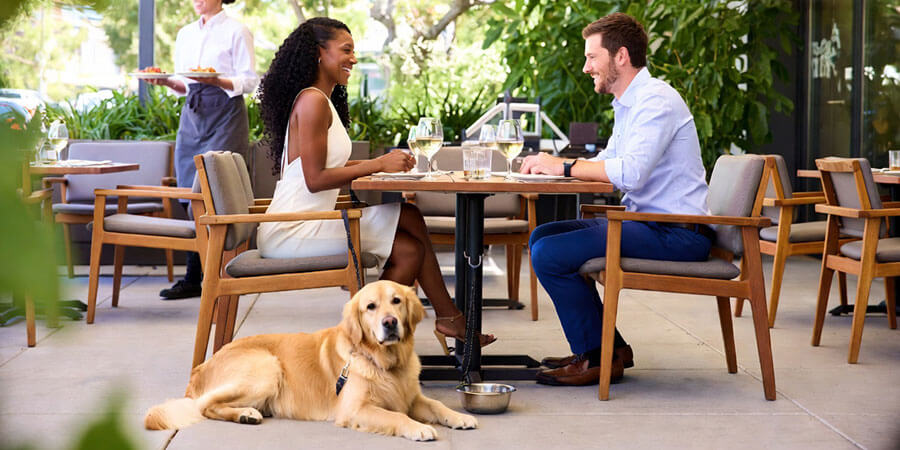
Table of Contents
A practical guide to pet-friendly dining that covers health codes, outdoor setup, pet menus, and marketing to pet owners
The pet-owning population continues to grow, and so does the expectation that restaurants will welcome four-legged guests. The American Pet Products Association reported that 66% of U.S. households owned a pet in 2024, up from 56% a decade earlier. For restaurant operators, that means roughly two out of every three potential customers are pet owners - and many of them actively seek out dining spots where their dog can join them.
Going pet friendly is a calculated business decision that can increase foot traffic, build loyalty, and differentiate your restaurant in a competitive market. But doing it well requires understanding health codes, setting up the right outdoor space, training staff, and marketing the offering so pet owners actually find you.
Understanding Health Codes and Regulations
Before you put out a water bowl, you need to understand the legal landscape. Pet-friendly dining in the United States operates within a framework of federal guidelines and state-level regulations that vary significantly by location.
The FDA Food Code is the baseline. It prohibits live animals in areas where food is prepared, served, or stored - with specific exceptions for service animals, which are protected under the Americans with Disabilities Act (ADA). However, the FDA Food Code does allow state and local jurisdictions to create their own rules for pets in outdoor dining areas.
State and local laws are where it gets specific. Many states have passed legislation explicitly allowing dogs in outdoor dining areas under certain conditions. Others leave the decision to local health departments. A few still restrict all animals from restaurant premises beyond service animals.
| Regulation Level: | What It Covers: | Key Points: |
| FDA Food Code | Federal baseline for food safety | Prohibits animals in food prep and indoor dining areas; allows state exceptions for outdoor areas |
| State legislation | State-specific pet dining laws | Many states allow dogs in outdoor areas with conditions; some require restaurant registration |
| Local health department | City or county enforcement | May require permits, inspections, or specific sanitation protocols |
| ADA (service animals) | Federal civil rights law | Service animals must be allowed in all areas, indoor and outdoor, regardless of pet policy |
Steps to get compliant:
- Contact your local health department to confirm whether pet-friendly outdoor dining is permitted in your jurisdiction
- Review your state's specific legislation - search for your state's restaurant pet dining law or patron dog statute
- Determine if you need a permit, registration, or signage
- Understand the distinction between service animals (always allowed, no documentation required) and pets (subject to your local rules)
Setting Up Your Outdoor Dining Area for Pets
The outdoor patio is where pet-friendly dining happens. Your setup needs to accommodate both human guests and their animals comfortably while maintaining cleanliness and safety standards.
Space and layout considerations:
- Designate specific pet-friendly zones so guests who prefer not to dine near animals have an alternative
- Ensure adequate spacing between tables - pets need room to lie down without blocking pathways
- Choose durable, easy-to-clean flooring like concrete or pavers that can handle accidents
- Install leash hooks at tables so pets are secured and owners have both hands free to eat
- Add shade structures because pets overheat faster than people, especially in direct sunlight
Furniture matters. Your outdoor restaurant furniture takes more wear in a pet-friendly environment. Chairs and tables need to withstand contact with claws, leashes, and the occasional enthusiastic tail. Metal and heavy-duty resin hold up better than lightweight wood or fabric-covered seating. Furniture that is easy to hose down at the end of service saves your team time during cleanup.
Water stations are a simple but essential touch. Place communal water stations in the pet-friendly zone, or provide individual water bowls tableside when a pet is present. Stainless steel bowls are the most sanitary and durable option for this purpose.
Creating a Pet Menu
A dedicated pet menu is one of the most effective ways to signal that your restaurant takes pet-friendly dining seriously. It also creates an additional revenue stream and gives pet owners a reason to choose you over the restaurant down the street that merely tolerates dogs on the patio.
Pet menu best practices:
- Keep it simple - three to five items is plenty
- Use ingredients you already have in your kitchen to minimize waste and inventory complexity
- Avoid foods that are toxic to dogs: grapes, onions, garlic, chocolate, xylitol, macadamia nuts, and avocado
- Offer a mix of protein-based options and a simple treat
- Serve in disposable or designated pet-only dishes to maintain food safety separation
| Menu Item Type: | Description: | Kitchen Complexity: |
| Plain grilled protein | Unseasoned chicken breast, ground beef patty, or turkey - no salt, garlic, or onion | Low - uses existing protein inventory |
| Rice and protein bowl | Plain white rice with a small portion of unseasoned grilled protein | Low - simple assembly |
| Frozen treat | Plain yogurt or peanut butter (xylitol-free) frozen in small cups | Low - prep ahead, serve from freezer |
| Pupcake or biscuit | Simple baked treat made from peanut butter, oats, and banana | Medium - requires dedicated prep |
| Broth bowl | Warm unseasoned bone broth or chicken broth served in a small bowl | Low - can use existing stock |
Price pet menu items modestly. The goal is not high margin on these items - it is the incremental revenue from pet owners who choose your restaurant because you offer this experience and order full meals for themselves.
Essential Supplies and Equipment
Running a pet-friendly patio requires a modest investment in supplies that keep the experience clean, safe, and pleasant for everyone.
Cleaning and sanitation supplies are the most important category. Pet accidents happen. Having the right janitorial supplies on hand - enzymatic cleaners, disposable gloves, waste bags, and paper towels - means your team can handle any situation quickly and without disrupting other guests.
Supplies checklist for pet-friendly dining:
- Stainless steel or disposable water bowls (refreshed between guests)
- Waste bag dispenser and bags near the pet-friendly zone
- Enzymatic cleaner for accidents on hard surfaces
- Disposable gloves for cleanup
- Extra paper towels or absorbent pads
- Pet treat jar at the host stand (optional but appreciated)
- Signage indicating pet-friendly rules and designated areas
Most of these items represent minimal ongoing cost and overlap with what you already stock.
Staff Training for Pet-Friendly Service
Your staff is the front line of the pet-friendly experience. Without proper training, even the best patio setup falls apart when a server does not know how to handle a nervous dog, an off-leash situation, or a guest complaint.
Core training topics:
- Service animal vs. pet distinction - Staff must understand that service animals are legally allowed everywhere and cannot be asked for documentation. Under the ADA, staff may only ask two questions: (1) Is this a service animal required because of a disability? (2) What task has the animal been trained to perform?
- Pet-friendly zone protocols - Where pets are allowed, where they are not, and how to seat guests with pets appropriately
- Handling common situations - Barking, leash management, pet-to-pet interactions, accidents, and guests who are uncomfortable near animals
- Food safety awareness - Pet menu items must be prepared and served using separate utensils and dishes from human food
- Allergy awareness - Some guests have pet allergies; staff should be prepared to relocate guests or adjust seating as needed
Role-play common scenarios during training - a barking dog disturbing other diners, an off-leash situation, a guest complaint about animals nearby, or a dog showing aggressive behavior. Teams that have practiced these situations respond calmly and consistently instead of freezing or escalating.
Liability and Insurance Considerations
Adding pets to your dining environment introduces liability considerations that you need to address before opening your patio to four-legged guests.
Key liability areas include bite incidents, trip-and-fall hazards from leashes and pets in walkways, allergic reactions from nearby guests, and property damage to furniture or other guests' belongings.
Protective measures:
- Review your general liability insurance policy and confirm it covers animal-related incidents on your premises
- Consider adding a specific endorsement for pet-friendly dining if your current policy does not cover it
- Post clear rules for pet behavior (leashed at all times, owner responsible for cleanup and behavior, management reserves the right to ask disruptive animals to leave)
- Keep incident reports for any pet-related issues, no matter how minor
- Consult with your insurance broker and an attorney familiar with hospitality law before launching your pet-friendly program
Marketing Your Pet-Friendly Restaurant
Having a pet-friendly patio is only valuable if pet owners know about it. The good news is that pet owners are an enthusiastic community that actively shares and recommends pet-friendly businesses.
Digital marketing tactics:
- Google Business Profile - Update your listing to include "pet-friendly" and "dog-friendly patio" in your business description and attributes. This directly impacts local search visibility for queries like "dog friendly restaurants near me"
- Social media - Pet content performs exceptionally well. Encourage guests to tag your restaurant in photos of their pets dining with them and feature guest pet photos on your own channels
- Online reviews - Encourage satisfied pet-owning guests to mention the pet-friendly experience in their reviews
- Your website - Add a dedicated section about your pet-friendly policy, including rules, menu, and patio photos
For a deeper look at restaurant marketing strategies that drive local visibility and repeat traffic, the Restaurant Marketing Guide covers digital, social, and community-based approaches that align well with pet-friendly promotion. You can also find practical marketing strategies and tools that work for independent restaurants looking to grow their customer base.
Offline tactics that work:
- Partner with local dog parks, veterinary offices, groomers, and pet supply stores to cross-promote
- Host pet-related community events like adoption days or yappy hours
- Place pet-friendly signage visible from the sidewalk so foot traffic with dogs knows they are welcome
The Business Case for Going Pet Friendly
The financial case for pet-friendly dining is straightforward. Pet owners spend more, visit more often, and are more loyal to businesses that welcome their animals.
Why pet-friendly pays off:
- Increased patio utilization - Pet-friendly policies drive traffic to outdoor seating areas that are often underutilized, especially during off-peak hours and shoulder seasons
- Higher average check - Guests dining with pets tend to stay longer, order more drinks, and add pet menu items to their tab
- Word-of-mouth marketing - Pet owners are a tight-knit community. A positive pet-friendly experience generates organic recommendations in local dog owner groups, social media, and review platforms
- Competitive differentiation - In markets where few restaurants welcome pets, being pet friendly is an immediate differentiator that captures a loyal customer segment
- Community goodwill - Hosting pet adoption events or partnering with local shelters builds community relationships and generates positive press
Investing in quality commercial furniture that holds up in a pet-friendly outdoor environment protects your long-term investment while creating the kind of welcoming space that keeps guests coming back. The restaurants that do pet-friendly dining well treat it as a genuine part of their brand - not an afterthought.
Frequently Asked Questions
Are dogs allowed inside restaurants?
In most U.S. jurisdictions, dogs other than service animals are not allowed in indoor dining or food preparation areas under the FDA Food Code. However, many states and local governments allow dogs in outdoor dining areas under specific conditions. Always check your local health department regulations before setting your policy.
What is the difference between a service animal and a pet at a restaurant?
Service animals are individually trained to perform tasks for a person with a disability and are protected under the ADA. They must be allowed in all areas of a restaurant, including indoors. Pets are not covered by the ADA. Staff may ask two questions about service animals: whether it is required because of a disability and what task it performs. They cannot ask for documentation or require a vest.
What foods are dangerous for dogs?
Common foods that are toxic to dogs include chocolate, grapes, raisins, onions, garlic, xylitol (a sugar substitute found in some peanut butters), macadamia nuts, avocado, and alcohol. When creating a pet menu, use only plain, unseasoned proteins, plain rice, and dog-safe ingredients like xylitol-free peanut butter and plain yogurt.
Do I need special insurance for a pet-friendly restaurant?
Review your existing general liability policy to confirm it covers animal-related incidents on your premises. Many standard policies do, but some exclude animal-related claims or have limitations. Contact your insurance broker to discuss whether you need an additional endorsement or rider. This is a critical step before launching any pet-friendly program.
How do I handle guests who complain about pets on the patio?
Designate both pet-friendly and pet-free zones in your outdoor area so guests have a choice. If a guest raises a concern, offer to reseat them in the pet-free section. Train staff to handle these situations with empathy for both parties. Having clear signage about your pet policy at the entrance also helps set expectations before guests are seated.
What supplies do I need to start a pet-friendly patio?
At minimum, you need water bowls, waste bags and a dispenser, enzymatic cleaner for accidents, disposable gloves, extra paper towels, and signage with your pet rules. Optional but recommended additions include a pet treat jar, leash hooks at tables, and dedicated pet menu dishes. Most of these items are inexpensive and many overlap with supplies you already stock.
How do I market my restaurant as pet friendly?
Start by updating your Google Business Profile with pet-friendly attributes. Encourage guests to share pet photos and tag your restaurant on social media. Ask satisfied pet-owning guests to mention the pet-friendly experience in online reviews. Partner with local dog parks, groomers, and veterinary offices for cross-promotion. Pet content consistently performs well on social media, so lean into it.
Related Resources
- Restaurant Marketing Guide - Digital and local marketing strategies to promote your restaurant and attract new customers
- Marketing Strategies and Tools for Restaurant Owners - Practical marketing approaches for independent restaurants
- Commercial Furniture - Durable tables, chairs, and seating for indoor and outdoor dining areas
- Restaurant Furniture - Full selection of furniture for restaurant dining environments
- Janitorial Supplies - Cleaning products and sanitation supplies for restaurant operations
Share This!