Leftover Easter Ham Recipes
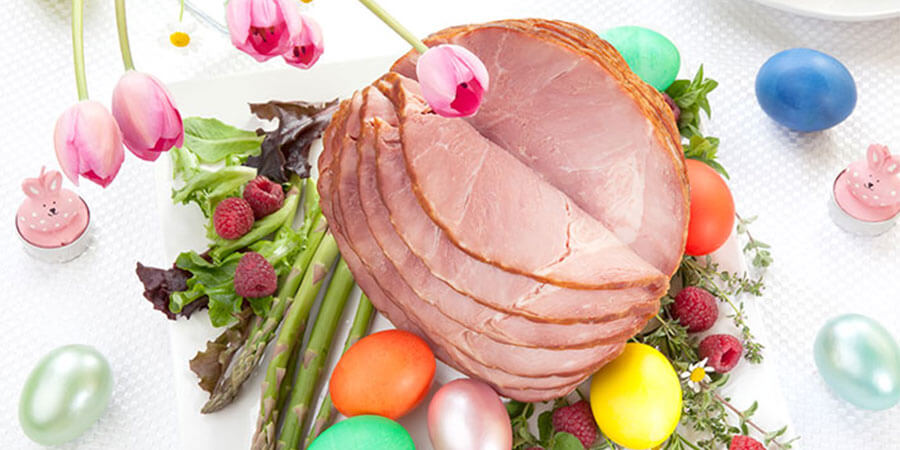
Table of Contents
Nine crowd-tested ways to turn that leftover holiday ham into soups, sliders, casseroles, and meals your family wants
Easter dinner usually ends the same way. The table is cleared, the dishes are washed, and sitting in the middle of the fridge is a container holding somewhere between two and six pounds of leftover ham. Maybe more. It happens every year, and the question is always the same - what do you actually do with all of it?
The good news is that leftover ham is one of the most versatile proteins you can work with. It is already cooked, already seasoned, and already tender. You do not need to marinate it, brine it, or babysit it on a stovetop for hours. You just need a plan and a few solid recipes that turn yesterday's centerpiece into something your family is genuinely excited to eat for the next several days.
These nine recipes cover the full range - hearty soups, quick lunches, family dinners, cookout food, and make-ahead casseroles. Each one works specifically because ham brings a salty, smoky backbone that pairs with almost anything, from pineapple and brown sugar to cheese and noodles. Some take 20 minutes. Others need an hour in the oven. All of them are better than eating cold ham slices straight from a zip-top bag at 11 PM, which - let's be honest - is also a perfectly valid option.
All 9 Recipes at a Glance
Here is every recipe on the list with its category, difficulty level, and what occasion it fits best.
| # | Recipe: | Category: | Difficulty: | Best For: |
| 1 | Ham, Potato and Pepper Chowder | Soup | Easy | Weeknight dinner, cold evenings |
| 2 | No-Crust Pizza Bites | Appetizer | Easy | Kids, snacking, game day |
| 3 | Brown Sugar Ham | Glazed entree | Easy | Second-day centerpiece dinner |
| 4 | BBQ Ham and Pineapple Kabobs | Grilled | Moderate | Cookouts, outdoor gatherings |
| 5 | Farmstand One-Pot Wonder | One-pot meal | Easy | Quick family dinner |
| 6 | Ham Salad | Cold salad | Easy | Lunch, sandwiches, meal prep |
| 7 | Hawaiian Ham and Cheese Sliders | Slider | Easy | Parties, potlucks, crowds |
| 8 | Cheesy Ham Bubble Bakes | Casserole | Easy | Breakfast, brunch, lazy weekends |
| 9 | Ham and Noodle Bake | Casserole | Easy | Comfort food, family dinner |
Ham, Potato and Pepper Chowder
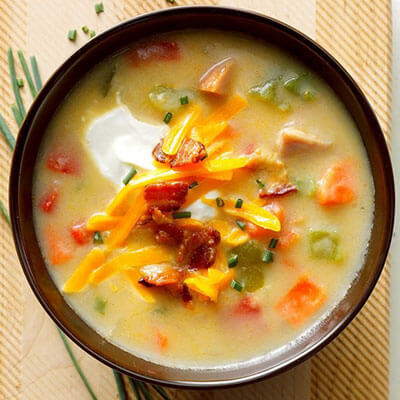
There is something deeply satisfying about turning leftover ham into a thick, creamy chowder that tastes like it simmered all day. This ham, potato, and pepper chowder does exactly that. It combines diced ham with tender potatoes, sweet bell peppers, and a rich cream-based broth that coats the back of a spoon. The peppers add a subtle sweetness that balances the saltiness of the ham, and the potatoes give the whole bowl enough body to qualify as a full meal on its own.
What makes this chowder particularly smart for leftover ham is that you want smaller, irregular pieces - the kind you get when you are cutting meat off a bone rather than slicing uniform portions. Those uneven chunks nestle into the broth and absorb flavor from every direction. The dish comes together on the stovetop in about 40 minutes, most of which is hands-off simmering time. Serve it with crusty bread and you have a dinner that feels intentional, not like you are just "using up" leftovers.
This is a perfect recipe for those first couple of chilly spring evenings after Easter when the weather has not fully committed to being warm yet. It is also an excellent option for storing leftovers in the fridge since chowder reheats beautifully the next day and arguably tastes even better after the flavors have had time to meld overnight.
No-Crust Pizza Bites
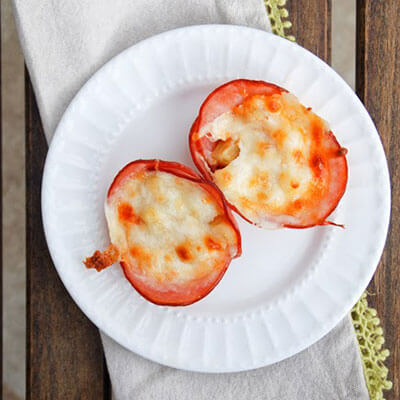
If you have kids at home during spring break, these no-crust pizza bites will disappear faster than you can make them. The concept is brilliantly simple - skip the dough entirely and build miniature pizza-style bites using ham as the base protein, topped with cheese, sauce, and whatever pizza toppings your family enjoys. They bake up in minutes and come out with melted, bubbly cheese on top and a savory ham foundation underneath.
The beauty of this recipe is its flexibility. You can set out bowls of toppings and let everyone customize their own batch, which turns a Tuesday lunch into something interactive and fun. Diced ham works perfectly here because it carries enough smoky flavor to stand in for traditional pizza meats without being overpowering. The bites are also naturally low-carb since there is no crust, which makes them a solid snack option for anyone watching their bread intake.
These work equally well as appetizers for an impromptu gathering or as an after-school snack that feels more special than reheated leftovers. The whole process from prep on a cutting board to finished bites takes under 25 minutes, and cleanup is minimal - just a sheet pan and a knife.
Brown Sugar Ham
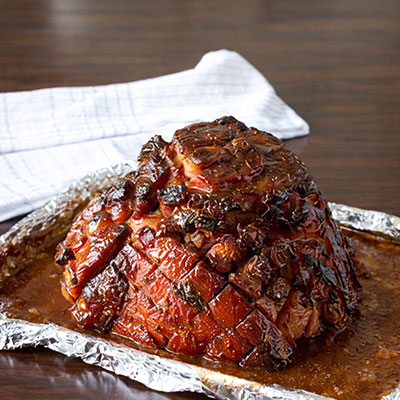
Sometimes the best thing to do with leftover ham is to give it a second life as the star of another dinner. A brown sugar glaze transforms day-old ham into something that tastes freshly made - caramelized, sticky, sweet, and deeply savory all at once. The glaze is simple: brown sugar, a touch of mustard, and a few pantry spices create a coating that bubbles and darkens in a hot oven until the surface is lacquered and slightly crispy at the edges.
This is not about cooking the ham again from scratch. It is about reheating it with intention. You are adding a new flavor layer that makes the ham feel like a completely different dish from what you served on Easter Sunday. The brown sugar caramelizes and forms a glaze that clings to every surface, and the mustard cuts through the sweetness just enough to keep it balanced.
This recipe is ideal when you have a large, intact portion of ham left over rather than small scraps. Thick slices or a partial bone-in section work best because the glaze needs surface area to do its thing. Slice it thick, fan it out on a platter, and serve it alongside roasted vegetables or a simple salad. Your family will not believe it is the same ham from two days ago.
BBQ Ham and Pineapple Kabobs
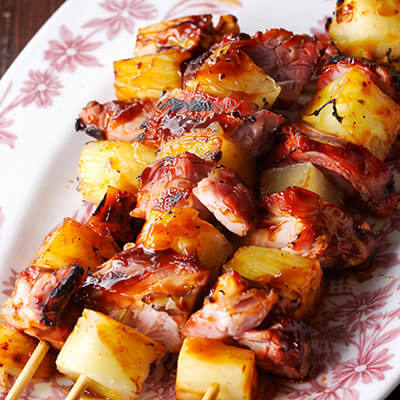
Ham and pineapple is a classic combination for a reason - the acidity and sweetness of the fruit play perfectly against the salty, smoky meat. These kabobs take that pairing and put it on a skewer with barbecue sauce, then hit it with enough heat to caramelize everything into sticky, charred perfection. The pineapple chunks soften and release their juices directly onto the ham, creating a natural basting effect that keeps the meat moist and flavorful.
This is the recipe to reach for when the weather after Easter turns warm enough to fire up the grill. Threading cubed ham and pineapple chunks onto skewers takes about ten minutes of prep, and they grill in under fifteen. The barbecue sauce adds a smoky tang that ties the sweet and savory elements together, and the char marks from the grill give the whole thing a visual appeal that cold leftover ham simply cannot match.
Kabobs are also naturally portable and easy to eat standing up, which makes them perfect for casual outdoor gatherings. You can use spatulas and turners to manage them on the grill if you prefer a flat grate instead of skewers. Either way, these kabobs transform leftover ham into something that feels like a cookout highlight rather than a fridge cleanout.
Farmstand One-Pot Wonder
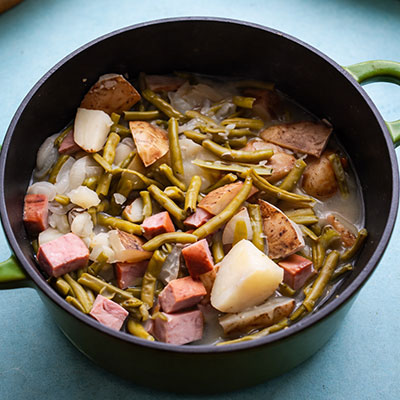
The name says it all. This one-pot recipe throws diced ham together with whatever vegetables you have on hand - think potatoes, corn, green beans, zucchini, or whatever is in season - and cooks everything together in a single pot until the flavors meld into a rustic, hearty meal. It is the kind of dish that tastes like someone spent hours on it, but the actual active cooking time is about 15 minutes of chopping followed by 25 minutes of simmering.
What makes this recipe special is its farmstand simplicity. There are no complicated sauces, no obscure ingredients, and no multi-step techniques. The ham provides the protein and the salt, the vegetables provide freshness and texture, and a little butter and seasoning bring everything together. The result is a bowl of food that feels wholesome in a way that overly processed or heavily sauced dishes never quite achieve.
This is an excellent choice for nights when you want a complete, balanced meal without dirtying every pan in the kitchen. One pot, one cutting board, one knife, and you are done. It also adapts to whatever produce you have available, so no two batches are exactly the same. Use it as a template and adjust based on what your farmers market or grocery store has fresh that week.
Ham Salad
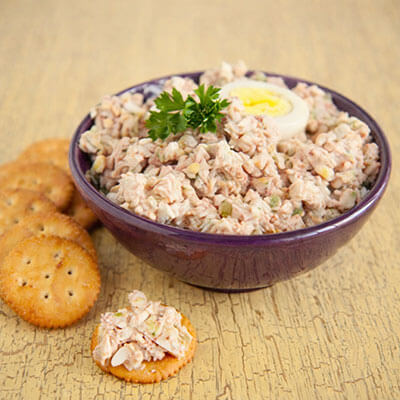
Ham salad is one of those recipes that people either grew up eating or have never heard of, and there is very little middle ground. For the uninitiated, it is essentially a finely chopped or ground ham mixture bound with mayonnaise and seasoned with pickles, mustard, and a few other ingredients that vary by family tradition. Think of it as the ham version of chicken salad or tuna salad - a cold, creamy spread that works on bread, crackers, or straight out of the bowl with a fork.
This version from Paula Deen leans into the classic Southern approach, where the ham is processed until it has a smooth, spreadable texture rather than chunky pieces. The mayonnaise and pickle relish add moisture and tang, and a touch of mustard gives it a subtle kick that keeps it from tasting one-note. The whole thing comes together in a food processor in about five minutes, which makes it one of the fastest ways to transform leftover ham into a completely new meal format.
Ham salad is the ultimate meal prep recipe. Make a big batch after Easter and you have lunch covered for the entire week. It keeps well in the refrigerator, tastes better after a few hours when the flavors have had time to blend, and travels easily in a container for work lunches. Spread it on toast, stuff it into a pita, scoop it onto a bed of greens, or just eat it with saltine crackers. There is no wrong way to serve it.
Hawaiian Ham and Cheese Sliders
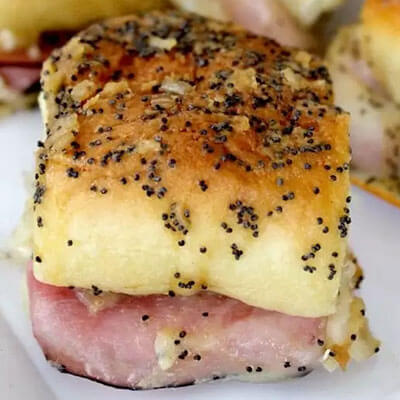
If you need to feed a crowd and you need to do it fast, Hawaiian ham and cheese sliders are the answer. These sliders use sweet Hawaiian rolls as the base, layered with sliced ham and melted cheese, then brushed with a butter mixture that soaks into the tops of the rolls and turns golden brown in the oven. The combination of sweet bread, salty ham, and gooey cheese is the kind of simple perfection that makes people eat four of them before they realize what happened.
The entire batch bakes in a single pan - you do not even need to assemble individual sliders. Split the whole sheet of rolls in half horizontally, layer the ham and cheese across the bottom, place the top half back on, brush with the butter mixture, and bake until everything is melted and the tops are toasted. It takes about 20 minutes from start to finish, and a single batch makes 12 to 24 sliders depending on the roll size.
These are potluck legends for a reason. They scale easily, they transport well, and they appeal to virtually everyone. They work for a post-Easter gathering, a sports viewing party, or a lazy Sunday lunch where nobody wants to cook a full meal. Serve them on a platter with some dinnerware and watch them vanish in minutes.
Cheesy Ham Bubble Bakes
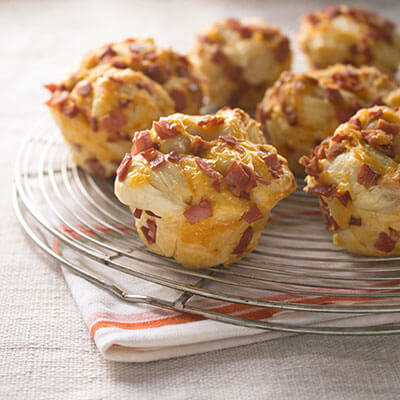
Breakfast casseroles are one of the best kept secrets for leftover ham, and this cheesy ham bubble bake might be the most satisfying version. The concept takes cubed biscuit dough, diced ham, and a generous amount of cheese, mixes them together with an egg-and-milk custard, and bakes everything until the biscuits puff up golden and the cheese melts into every crevice. The result is a bubbly, pull-apart casserole that lands somewhere between a savory bread pudding and a ham-and-cheese croissant.
The "bubble" in the name comes from the biscuit dough, which rises and creates pockets of air throughout the casserole as it bakes. Those air pockets fill with melted cheese and egg custard, so every bite has a slightly different texture - some parts are crispy on top, others are soft and custardy in the middle, and the ham adds a salty, smoky hit throughout. It is the kind of breakfast that makes people set alarms on a Saturday just so they can eat it fresh from the oven.
This is the recipe to make when you have family staying over the week after Easter. Prep it the night before, refrigerate it overnight, and pop it in the oven in the morning. By the time everyone stumbles into the kitchen, the house smells incredible and breakfast is already done. Pair it with fresh fruit and coffee and you have a brunch spread that required almost no morning effort.
Ham and Noodle Bake
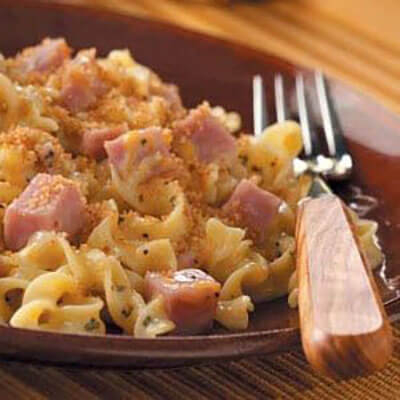
A ham and noodle bake is comfort food in its purest form. This casserole combines cooked egg noodles with diced ham, a creamy sauce, and a layer of cheese on top that bubbles and browns under the heat. It is the kind of dish that grandmothers have been making for generations because it is inexpensive, feeds a crowd, and tastes like a warm hug in casserole form.
The key to a great ham and noodle bake is the sauce. A simple mixture of cream of mushroom soup, sour cream, and milk creates a rich, clingy coating that wraps around every noodle and piece of ham without being heavy. The ham does not need to be fancy - small cubes, shredded scraps, or even thin slices all work perfectly. The noodles absorb flavor from the sauce as the casserole bakes, and the cheese on top forms a golden crust that cracks when you break through it with a serving spoon.
This is the ultimate set-it-and-forget-it dinner. Mix the ingredients, pour them into a baking dish, top with cheese, and bake for 30 to 40 minutes. It reheats well, freezes well, and tastes just as good on Wednesday as it does the day you made it. For families working through a large amount of leftover ham, this casserole can absorb two to three cups of diced meat without missing a beat. It is efficient, satisfying, and the kind of meal that everyone at the table goes back for seconds on.
How Long Does Leftover Ham Last? Storage and Safety Tips
Knowing how to store leftover ham properly is just as important as knowing how to cook with it. According to USDA food safety guidelines, cooked ham stays safe in the refrigerator for three to five days when stored at 40 degrees Fahrenheit or below. After that window, the risk of bacterial growth increases enough that the ham should be discarded regardless of how it looks or smells.
For longer storage, freezing is your best option. Properly wrapped leftover ham can be frozen for one to two months while maintaining good quality, and it remains safe indefinitely when kept at a consistent zero degrees Fahrenheit. The key is wrapping it tightly to prevent freezer burn - use heavy-duty aluminum foil, freezer-safe bags, or airtight containers and remove as much air as possible before sealing.
| Storage Method: | Temperature: | Duration: | Best Practice: |
| Refrigerator | 40 degrees F or below | 3 - 5 days | Store in airtight container or tightly wrapped |
| Freezer | 0 degrees F or below | 1 - 2 months (best quality) | Double wrap in foil and freezer bag |
| Room temperature | Above 40 degrees F | 2 hours maximum | Refrigerate promptly after serving |
| Thawing (fridge) | 40 degrees F | 24 - 48 hours | Thaw in refrigerator, not on countertop |
When reheating leftover ham, bring it to an internal temperature of 165 degrees Fahrenheit to ensure food safety. A quick check with an instant-read thermometer takes the guesswork out of it entirely. If you are incorporating leftover ham into a casserole or soup, the cooking process will generally bring everything up to a safe temperature, but it is always worth confirming with a thermometer before serving - especially when feeding children or elderly family members.
Tips for Prepping Leftover Ham
The way you cut your leftover ham determines which recipes will work best. Different dishes call for different shapes and sizes, so spending a few minutes prepping your ham before refrigerating it sets you up for a much easier week of cooking.
Diced (half-inch cubes) - This is the most versatile cut and works for soups, casseroles, one-pot meals, and pizza bites. Cube a large portion of your leftover ham and store it in a container so you can grab a cup or two whenever a recipe calls for it.
Shredded or pulled - Use two forks to pull the ham apart into rough shreds. This texture works beautifully in ham salad, chowders, and any recipe where you want the ham to blend into the dish rather than stand out as distinct pieces.
Thick slices - Keep some of the ham in slab form for recipes like the brown sugar glaze or kabobs where you need larger, intact pieces that can hold up to direct heat without falling apart.
Thin slices - Ideal for sliders and sandwiches. A sharp knife and a steady hand give you deli-style slices that layer neatly onto rolls and bread.
The smartest move is to break down your leftover ham into multiple cuts immediately after Easter dinner. Dice some, slice some, and keep a chunk intact. Store each portion separately, label them, and you will have the right cut ready for whatever recipe you choose that day.
Frequently Asked Questions
What can I do with leftover Easter ham?
Leftover Easter ham works in dozens of recipes because it is already cooked and seasoned. The most popular options include soups and chowders, casseroles like ham and noodle bake, sandwiches and sliders, cold salads, grilled kabobs, and breakfast dishes. The key is matching the cut of your leftover ham to the recipe - diced for soups and casseroles, sliced for sandwiches and sliders, shredded for salads and spreads.
How long does leftover ham last in the fridge?
According to USDA guidelines, cooked leftover ham stays safe for three to five days when stored in the refrigerator at 40 degrees Fahrenheit or below. Store it in an airtight container or wrap it tightly in aluminum foil or plastic wrap. If you cannot use it within five days, freeze it for longer storage.
Can you freeze leftover Easter ham?
Yes. Leftover ham freezes well for one to two months while maintaining good quality. Wrap it tightly in heavy-duty foil or place it in freezer-safe bags with the air pressed out to prevent freezer burn. Thaw frozen ham in the refrigerator for 24 to 48 hours before using it - never thaw ham on the countertop at room temperature.
What is the best way to reheat leftover ham?
The best method depends on the recipe. For sliced ham, wrap it in foil with a splash of water or broth and heat it in a 325-degree oven for about 10 minutes per pound. For diced ham going into a soup or casserole, simply add it during the last portion of cooking since it only needs to heat through, not cook. Always reheat ham to an internal temperature of 165 degrees Fahrenheit for food safety.
How do you keep leftover ham from drying out?
The biggest enemy of leftover ham is moisture loss. Store it in an airtight container with a damp paper towel placed on top of the ham, or wrap it tightly in foil. When reheating, add a small amount of liquid - water, broth, or even pineapple juice - to create steam that keeps the meat moist. Avoid microwaving large pieces of ham uncovered, as this pulls moisture out quickly and leaves the edges tough and rubbery.
Is it safe to eat ham that has been in the fridge for a week?
No. The USDA recommends consuming leftover cooked ham within three to five days of refrigeration. After five days, the risk of bacterial growth - particularly Listeria monocytogenes and Staphylococcus aureus - increases to unsafe levels. When in doubt, throw it out. If you know you will not finish the ham within five days, freeze the remainder on day two or three to preserve quality and safety.
Can you use leftover ham bone for soup?
Absolutely. A leftover ham bone is one of the best foundations for homemade soup. Simmer the bone in water with onions, celery, and bay leaves for two to three hours to create a rich, smoky ham stock. Use that stock as the base for split pea soup, bean soup, or any recipe that calls for broth or stock. The bone releases collagen and flavor that store-bought broth simply cannot replicate.
Related Resources
- Refrigeration Equipment - proper storage solutions to keep leftover ham fresh and safe
- Commercial Ovens - reliable heating for casseroles, glazes, and baked dishes
- Cutting Boards - essential prep surfaces for dicing, slicing, and portioning leftover ham
- Dinnerware - serving pieces for family meals and gatherings
Share This!