Serving Keto-Minded Diners in Restaurants
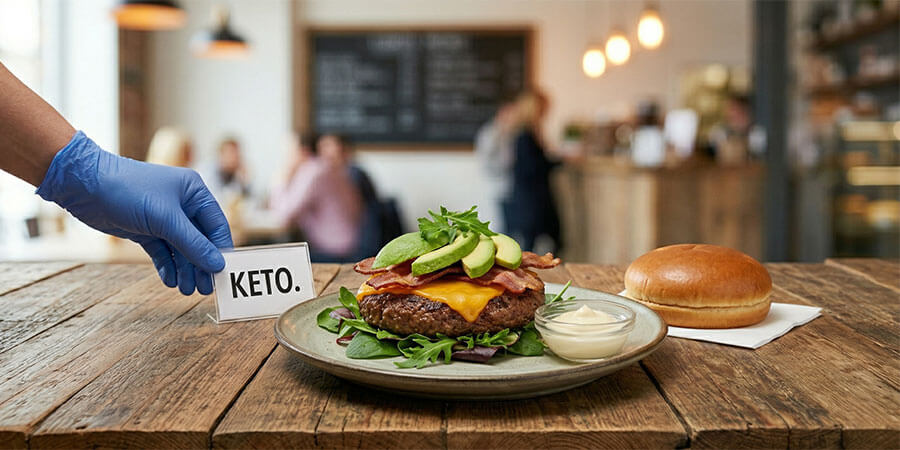
Table of Contents
Make low-carb restaurant ordering easier by focusing on flexible menu design, clearer substitutions, and better front-of-house communication
Restaurants do not have to become keto restaurants to serve keto-minded diners well. What they do need is a menu and service flow that make lower-carb ordering easier, more predictable, and less awkward for guests who are trying to avoid bread, sugar-heavy sauces, fries, rice, and other starch-heavy defaults.
That distinction matters. The strongest restaurant approach is not to promise medical outcomes or act like the kitchen is supervising someone's diet. It is to make the menu easier to navigate for guests who want protein-forward, lower-carb, or keto-style choices when they dine out.
Start With What Keto-Minded Diners Are Actually Looking For
In practical restaurant terms, keto-minded diners usually want a few things more than they want a special labeled corner of the menu:
- Clear protein-forward mains
- Easy starch swaps
- Sauces and dressings that can be controlled or served on the side
- Side dishes that are not automatically built around fries, bread, rice, or sugary glazes
- Staff who can answer simple modification questions without guessing
That means restaurants often have more keto-friendly potential than they think. The issue is usually not total lack of options. It is lack of clarity and lack of flexibility.
| What The Guest Wants: | What The Restaurant Should Make Easy: |
| Lower-carb ordering | Clear substitutions and modifiers |
| Protein-focused meals | Mains that are not dependent on bread or starch |
| Better control | Dressings, sauces, and toppings handled clearly |
| Predictability | Front-of-house answers that do not feel improvised |
This is one reason the topic belongs in restaurant operations more than in fad-diet culture. The better the menu communicates, the easier the guest can order confidently.
Flexibility Usually Matters More Than A Separate Keto Menu
A lot of restaurants assume the answer is to create a whole keto section. Sometimes that works. More often, the smarter move is to make the existing menu easier to modify.
That can mean a burger that is easy to order without the bun, a bowl that can swap out rice, a breakfast plate with different side options, or a salad where the dressing and toppings are easy to control. In other words, menu flexibility often outperforms menu fragmentation.
This matters because guests following lower-carb eating patterns do not all order the same way. Some want a clearly marked dish. Others only need a dependable swap and a server who understands the request.
Build Keto-Friendly Options From Categories You Already Run Well
Most restaurants already have categories that can support keto-minded ordering without an overhaul.
Protein-led mains are the easiest starting point. Grilled chicken, salmon, steak, burger patties, egg dishes, and similar center-of-plate items usually adapt more easily than breaded or sauce-dependent dishes.
Salads and bowls also offer good flexibility, especially when toppings and dressings are structured well. The same is true for breakfast menus, where eggs, sausage, bacon, avocado, greens, and lower-carb side swaps can create more options than many operators realize.
Side dishes are often the real bottleneck. A menu may have strong mains but still fail keto-minded diners because every side is starch-heavy. That is why substitution strategy matters so much.
| Menu Area: | Usually Easier To Adapt: | Usually Harder To Adapt: |
| Breakfast | Eggs, omelets, breakfast proteins, side swaps | Sweet baked goods, pancake-driven sets |
| Lunch and Dinner | Protein mains, salads, bowls, bunless options | Breaded items, sugary glazes, pasta-driven plates |
| Appetizers | Protein bites, vegetable-led starters, cheese-led options | Breaded starters, sweet dipping sauces |
The Best Keto-Friendly Menus Handle Substitutions Cleanly
The real operational question is not "Do we have keto dishes?" It is "Can we modify dishes cleanly without creating confusion in the kitchen?"
That usually means deciding in advance:
- Which starches can be removed without breaking the plate
- Which side swaps are the cleanest fit
- Which sauces or dressings should be easy to serve on the side
- Which dishes should not be presented as good low-carb choices because the modification becomes messy or misleading
This is where menu planning and pricing discipline meet. If the kitchen sees the same modifications repeatedly, they should stop being treated like one-off requests and start being treated like normal ordering paths.
That is also where POS modifiers start to matter. If the restaurant already sees frequent requests for bunless burgers, side-salad swaps, sauce-on-the-side orders, or bowl-based substitutions, those changes should be built into the ordering path instead of being left to handwritten notes and memory. The cleaner the modifier system is, the less likely the request is to slow the line or get lost between front and back of house.
For the broader menu-economics side of that decision, Restaurant Menu Pricing Guide is the strongest companion resource.
A Simple Keto-Friendly Modification Map Helps More Than Fancy Language
Restaurants usually do better when they simplify the modification logic rather than trying to sound highly specialized.
| Common Menu Format: | Cleaner Low-Carb Direction: | What To Watch Closely: |
| Burger or sandwich | Remove bun, shift side, clarify toppings | Sugary sauces, breaded proteins, default sides |
| Bowl or rice plate | Swap the base or reduce starch dependence | Sweet sauces, hidden starches, glaze-heavy proteins |
| Salad | Emphasize protein and topping control | Sweet dressings, crunchy toppings, candied add-ons |
| Breakfast plate | Lean into eggs, proteins, and side flexibility | Potatoes, toast, sweet breakfast sauces |
This kind of map is useful because it gives the kitchen and front-of-house team a repeatable mental model. It also keeps the menu from becoming cluttered with too many one-off labels that only confuse the guest further.
Hidden Carbs Usually Create More Guest Friction Than The Main Protein
Most lower-carb frustration does not start with the steak, eggs, chicken, or burger patty. It starts with the things built around them:
- Sweet sauces
- Glazes and marinades
- Breading
- Sugary dressings
- Default buns, wraps, fries, potatoes, or rice
This is why a restaurant can accidentally look keto-friendly from the menu title but still be hard to order from in practice. The dish may sound simple until the guest starts asking what is in the sauce, what the side options are, and whether the modification can actually be done cleanly.
The more clearly the restaurant handles those friction points, the more useful the menu becomes for this audience.
Front-Of-House Training Matters Just As Much As Recipe Design
Guests do not experience your recipe sheet. They experience the ordering conversation.
That means servers and counter staff need a few basic things:
- A simple understanding of what low-carb or keto-minded guests are usually avoiding
- Clarity on which substitutions are dependable
- A safe way to answer sauce and dressing questions without guessing
- Confidence to say when a dish is not a strong fit rather than improvising badly
This does not require a nutrition lecture. It requires menu familiarity and a clear modifier path. If staff sound uncertain or contradictory, the guest stops trusting the menu very quickly.
If team training is a weak point, How to Properly Staff Your Restaurant is a useful companion read because execution depends on training discipline as much as on menu design.
Clear Menu Language Helps Guests Order Faster And More Confidently
One of the easiest ways to improve keto-minded ordering is to reduce the amount of guessing guests have to do.
That does not mean cluttering the menu with diet jargon. It means making the menu easier to read:
- Make major proteins and side structures easy to understand
- Use modifiers consistently
- Avoid vague sauce descriptions when the sauce changes the whole low-carb profile of the dish
- Use staff scripting and POS modifiers that line up with the actual kitchen workflow
The cleaner the menu language is, the less the ordering process has to rely on memory and improvisation.
This is especially important in digital ordering. If your in-store staff understand how to guide a lower-carb request but the online menu still hides the same options behind unclear descriptions, the guest experience becomes inconsistent. A better system is one where dine-in, takeout, and online ordering all reflect the same substitution logic.
For the menu-structure side of that work, Business Tips for Aspiring Restaurateurs is a useful related post because it reinforces how menu decisions connect to operations rather than just marketing.
If modifier clarity is also a systems question for your restaurant, Restaurant Technology Guide becomes relevant for the same reason.
Keto-Friendly Restaurant Service Works Best When The Kitchen Stays Honest
There is one line restaurants should be careful not to cross: pretending to offer strict nutritional precision when they have not built the kitchen systems to support it.
The safer and more useful approach is to speak honestly about what the restaurant can do well:
- Protein-forward mains
- Lower-carb substitutions
- Sauces or dressings on the side
- Easier bunless or bowl-based ordering
- Clearer ingredient communication
That is much more helpful than acting like every dish can be turned into a true keto meal on demand. Honesty builds repeat customers better than overpromising does.
When Keto-Friendly Menu Work Makes Sense
Restaurants usually benefit from this kind of menu flexibility when:
- They already serve several protein-centered dishes
- The kitchen can support side swaps cleanly
- Guests frequently ask for lower-carb modifications
- The POS and service team can handle those requests consistently
- The menu can support the change without becoming confusing or bloated
It is usually a weaker fit when every dish depends heavily on breading, sweet sauces, pasta, or fixed plated combinations that become awkward once the starch is removed. In those cases, it is better to improve a few dependable options than to label half the menu in a way the kitchen cannot really support.
That is why keto-minded menu work is often strongest as a refinement strategy rather than a reinvention strategy. Restaurants usually get better results from making the current menu more legible and more flexible than from trying to build an entirely separate diet menu from scratch.
Frequently Asked Questions
What makes a restaurant meal keto-friendly?
In practical terms, keto-minded diners usually look for protein-forward dishes, lower-carb side options, and better control over sauces, dressings, and breaded components. The strongest restaurant options are the ones that make those choices clear and easy to order without forcing the guest to rebuild the entire plate from scratch.
Do restaurants need a separate keto menu?
Not always. Many restaurants serve keto-minded diners better by making their regular menu more flexible instead of creating a separate section. Clear substitutions, consistent modifiers, and better front-of-house training often matter more than a separate labeled menu block.
What menu items are easiest to adapt for keto-minded diners?
Protein-led mains, egg dishes, salads, bowls, and bunless or starch-swap formats are usually the easiest places to start. The hardest dishes to adapt are often the ones built around breading, sweet sauces, pasta, or fixed starch-heavy sides.
What usually causes the most confusion for keto guests in restaurants?
Hidden carbs in sauces, dressings, breading, and default sides usually create more confusion than the main protein itself. That is why better menu language and more dependable substitutions help so much.
How should restaurant staff talk about keto options?
Staff should focus on what can be modified clearly and what cannot. They do not need to give medical or nutritional advice. They do need to understand the menu well enough to guide the guest toward lower-carb choices without guessing.
Is offering keto-friendly ordering worth it for restaurants?
It often is when the restaurant can support it cleanly. Better low-carb ordering paths can make the menu more useful for guests who want flexibility, and that can build trust without requiring a total concept overhaul.
Related Resources
- Restaurant Menu Pricing Guide - Useful when menu swaps and customizations start affecting pricing logic.
- Business Tips for Aspiring Restaurateurs - Broader restaurant decision-making that supports cleaner menu strategy.
- How to Properly Staff Your Restaurant - Staff training matters when custom ordering paths increase.
- Restaurant Technology Guide - Helpful if modifiers and POS clarity are part of the menu-improvement plan.
Share This!