10 Wacky State Fair Foods
Table of Contents
Deep-fried, chocolate-dipped, and skewered creations that prove state fairs are America's wildest food laboratories
State fairs have always been about spectacle - the rides, the livestock competitions, the butter sculptures. But nothing draws a crowd quite like a food booth selling something nobody thought should exist. A cheeseburger sandwiched between glazed donuts. Pickles dipped in chocolate and impaled on a stick. Insects coated in candy.
These are not gimmicks that fade after one season. Many of these items become permanent fixtures, drawing return visitors year after year. The vendors behind them are serious food professionals who understand concession equipment, crowd flow, and the fine line between "creative" and "inedible."
This list covers 10 of the most gloriously weird state fair foods that have earned national attention - and in many cases, long lines of eager customers willing to wait 45 minutes in the summer heat for a single bite.
The Quick Rundown - All 10 Foods at a Glance
Before diving into each creation, here is every food on the list with its home fair and what makes it memorable.
| # | Food: | State Fair: | Category: | One-Line Description: |
| 1 | Hot Beef Sundae | Iowa | Savory mashup | Mashed potatoes, beef, gravy, and cheese served in a sundae cup |
| 2 | Glazed Donut Burger | Multiple | Sweet-savory fusion | A full cheeseburger wedged between two glazed donuts |
| 3 | Fried Ice Cream Burger | Florida | Deep-fried fusion | Cheeseburger topped with a scoop of deep-fried ice cream |
| 4 | Chocolate-Dipped Bacon | Multiple | Chocolate-dipped | Thick-cut bacon dunked in rich milk or dark chocolate |
| 5 | Chocolate-Dipped Insects | Multiple | Chocolate-dipped | Real crickets and mealworms coated in chocolate candy |
| 6 | Maggot Caramel Apple | Utah | Shock factor | A classic caramel apple studded with real insect larvae |
| 7 | Fried PB&J | Arkansas | Deep-fried classic | A peanut butter and jelly sandwich battered and fried golden |
| 8 | Breakfast on a Stick | Minnesota | On a stick | Pancake-wrapped sausage dipped in chocolate on a wooden skewer |
| 9 | Deep Fried Meatloaf on a Stick | Minnesota | On a stick | A thick slice of meatloaf, battered, fried, and skewered |
| 10 | Chocolate Covered Fried Pickles on a Stick | Minnesota | On a stick + chocolate | Fried dill pickles drizzled with chocolate on a stick |
Hot Beef Sundae
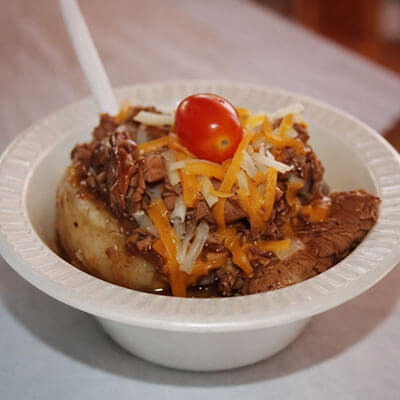
The Hot Beef Sundae is the Iowa State Fair's answer to the question nobody asked - what if a roast beef dinner looked exactly like a dessert? Served in a clear plastic sundae cup, this savory creation layers warm mashed potatoes at the base, followed by shredded slow-cooked beef, a generous ladle of brown gravy standing in for hot fudge, a mound of shredded cheddar cheese where the whipped cream should be, and a cherry tomato perched on top in place of the maraschino cherry.
The genius of this dish is the presentation. From three feet away, it looks like any other ice cream sundae from the fair. The double-take only happens when someone leans in and catches the unmistakable smell of beef gravy instead of chocolate sauce. Iowa vendors have been serving variations of this since the early 2000s, and it has become one of the fair's most photographed items - partly because people love watching the moment a friend realizes what they are actually eating.
Taste-wise, it works surprisingly well. Mashed potatoes, beef, and gravy are a proven combination. The sundae cup format just makes it portable, which is the entire point of fair food. You eat it while walking past the pig races, and it tastes like Thanksgiving dinner in a cup.
Glazed Donut Burger
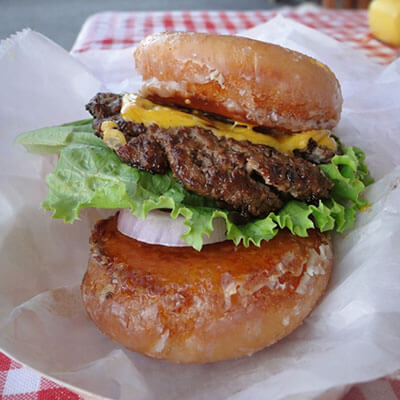
The Glazed Donut Burger - sometimes called the Luther Burger - replaces the standard hamburger bun with two halved glazed donuts. Between those sweet, sticky rounds sits a thick beef patty, melted cheese, and bacon. Some versions add lettuce and tomato, though at that point the health angle is long gone.
This creation gained national attention after appearing at multiple state fairs in the mid-2000s, and it has since become one of the most widely imitated fair foods in the country. The appeal is pure sweet-and-savory contrast. The donut glaze caramelizes slightly against the hot burger patty, creating a sticky, crunchy exterior that plays against the salty beef and smoky bacon. It is messy in every possible direction - grease from the burger, sugar glaze on your fingers, melted cheese dripping down the sides.
Fair vendors who serve this item understand that presentation matters almost as much as taste. The donut has to be fresh enough to hold together but warm enough that the glaze gets tacky. The patty needs to be thick so it does not get overwhelmed by the sweetness. Getting that balance right requires proper food preparation equipment and a vendor who has dialed in the timing. When it is done right, the Glazed Donut Burger is the kind of food that makes you question your choices and immediately take another bite.
Fried Ice Cream Burger
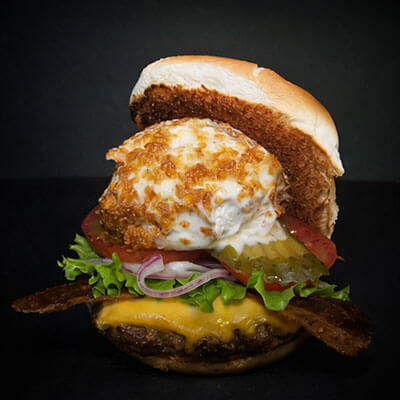
The Florida State Fair took the donut burger concept and escalated it by adding a scoop of deep-fried ice cream directly on top of a cheeseburger. This is not a metaphor. It is a fully cooked cheeseburger patty with lettuce, tomato, and condiments, topped with a ball of ice cream that has been coated in crushed cereal or cookie crumbs and flash-fried in a commercial deep fryer until the exterior is golden and crunchy while the interior stays frozen.
The engineering challenge here is real. The ice cream has to be frozen rock-solid before it hits the fryer - typically well below zero degrees - and the frying time has to be measured in seconds, not minutes. Too long and you get warm cream soup on a burger. Too short and the coating does not set. Florida vendors who have mastered this process guard their technique closely, because the margin between a showstopping dish and a soggy disaster is razor thin.
Eating it requires speed and commitment. The fried shell starts softening the moment it leaves the oil, and the ice cream begins its inevitable melt as soon as it touches the hot burger. You have maybe three minutes before the structural integrity fails completely. Most people abandon utensils entirely and just go in with both hands, which is exactly the kind of eating experience that state fairs were built for.
Chocolate-Dipped Bacon
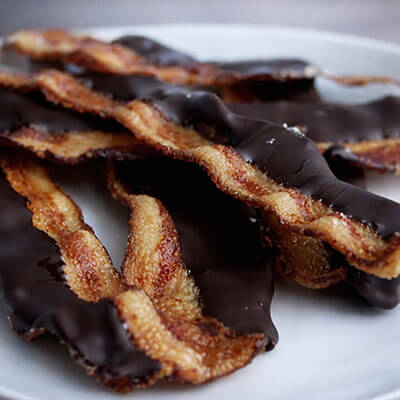
Sometimes called the "Muddy Pig," chocolate-dipped bacon is one of those fair foods that sounds strange until you actually try it - and then it makes perfect sense. Thick-cut strips of bacon are cooked until crispy, allowed to cool just enough to hold their shape, and then dipped or drizzled in melted milk chocolate, dark chocolate, or sometimes white chocolate with a sprinkle of sea salt.
The combination works because of basic flavor science. Salt amplifies sweetness. Fat carries flavor. The smoky, savory crunch of the bacon creates a textural contrast against the smooth, sweet chocolate coating. It follows the same principle as salted caramel or chocolate-covered pretzels, just with significantly more protein and drama.
Chocolate-dipped bacon has appeared at fairs across the country, from the Texas State Fair to the Big E in Massachusetts. It is one of the easier wacky fair foods to replicate at home, which has helped it cross over from novelty item to genuine food trend. You can find it at gourmet candy shops, brunch restaurants, and wedding dessert tables. But eating it at a state fair - standing in a dirt path between the Ferris wheel and a corn dog stand - remains the definitive experience. The contrast between the refined chocolate work and the absolute chaos of the fairground setting is part of what makes it memorable.
Chocolate-Dipped Insects
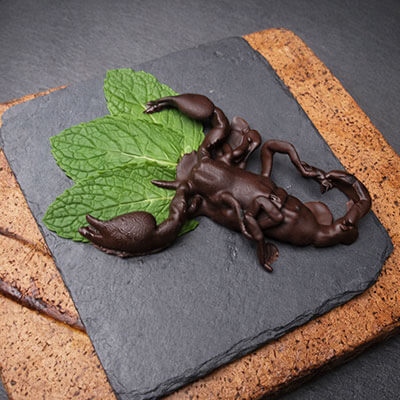
If chocolate-dipped bacon pushed the boundary, chocolate-dipped insects leapt clean over it. Several state fairs - including events in Arizona, Ohio, and Florida - have featured vendors selling real crickets, mealworms, and grasshoppers coated in chocolate. They are typically displayed in small disposable cups or bags, presented almost like trail mix, and priced as novelty snacks.
The insects used are farm-raised specifically for human consumption - the same varieties used in protein bars and cricket flour products that have gained traction in health food markets. They are roasted or dehydrated first, which gives them a light, crunchy texture similar to a puffed rice cereal. The chocolate coating does most of the heavy lifting flavor-wise, but the insects add a subtle nutty, earthy undertone that is genuinely pleasant once you get past the visual.
The real show at these booths is not the eating - it is the negotiation. Groups of friends daring each other. Parents trying to seem brave in front of their kids. Teenagers filming reactions for social media. The chocolate-dipped insect booth functions as equal parts food vendor and entertainment attraction. Most people who try one are surprised by how mild and inoffensive the flavor is. The crunch is the main sensation, and with enough chocolate, your brain mostly registers "candy" rather than "bug." Whether that is a comfort or a concern depends entirely on your perspective.
Maggot Caramel Apple
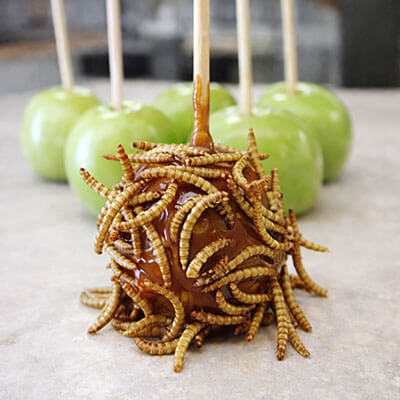
The Utah State Fair produced what might be the single most polarizing item on this list - a caramel apple studded with real insect larvae. The base is a standard caramel apple, the kind sold at every fair in America, with a thick coating of buttery caramel over a crisp apple on a stick. The twist is the addition of small, dried mealworm larvae pressed into the caramel surface before it sets.
This is not a food designed to taste good. It is designed to make people react. The larvae themselves are nearly flavorless once dried - they have a faint crunch and almost no distinct taste against the overwhelming sweetness of the caramel. But the visual impact is enormous. Seeing pale, segmented larvae embedded in the golden caramel surface triggers a primal response that no amount of rational thinking about "edible insects as sustainable protein" can fully override.
Fair vendors who sell these know exactly what they are doing. The booth signage is large and graphic. The display apples are positioned at eye level. And the real product being sold is not the apple itself - it is the experience. Buying a maggot caramel apple is a performance. You hold it up for photos. Your friends recoil. You take a bite while maintaining eye contact. It tastes like a regular caramel apple because it basically is one, but the story you tell afterward is worth the price of admission.
Fried Peanut Butter and Jelly
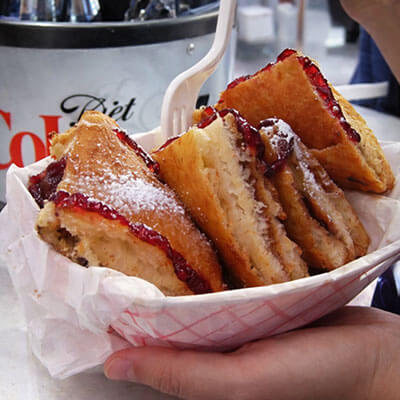
The Arkansas State Fair took America's most iconic sandwich and submerged it in hot oil. The Fried Peanut Butter and Jelly starts with a classic PB&J - nothing fancy, just peanut butter and grape or strawberry jelly on white bread. That sandwich gets sealed at the edges, dipped in a sweet batter (often similar to funnel cake batter), and dropped into a deep fryer until the exterior is golden and puffy while the interior turns into a warm, molten pocket of peanut butter and fruit preserves.
The transformation that happens during frying is what makes this special. The peanut butter, which starts as a thick paste, liquefies in the heat and becomes almost sauce-like. The jelly, already liquid, gets even thinner and hotter - approaching lava temperatures in the center, so fair veterans know to let it cool for a minute before biting in. The bread absorbs some of the fry oil and batter, losing its identity entirely and becoming part of the crispy shell.
What makes the Fried PB&J endure at fairs year after year is its accessibility. Unlike chocolate-dipped insects or maggot apples, there is nothing confrontational about this item. It is a familiar flavor wrapped in the universal appeal of deep-fried batter. Kids love it. Adults who grew up on PB&J sandwiches feel genuine nostalgia. And it pairs beautifully with a cold glass of lemonade from the next booth over. It is wacky in concept but comforting in execution, which is a rare combination in the state fair food world.
Breakfast on a Stick
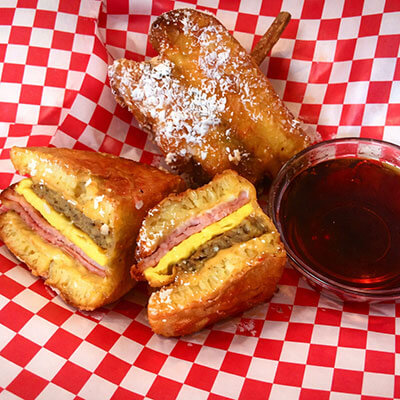
The Minnesota State Fair is the undisputed champion of "on a stick" cuisine, and Breakfast on a Stick might be its most iconic creation. The concept is straightforward - take a pork sausage link, wrap it in a fluffy pancake, skewer the whole thing on a wooden stick, and dip one end in chocolate. It is breakfast, dessert, and portable snack combined into a single handheld item.
Minnesota's obsession with putting food on sticks is not random. The state fair draws over two million visitors across its 12-day run, and the grounds cover more than 300 acres. People are walking constantly. A food item that requires a plate, utensils, and a place to sit is a food item that limits where you can go and what you can see. The stick solves everything. It is the handle, the plate, and the utensil all in one.
Breakfast on a Stick works because the flavor profile is genuinely good. Sweet maple-infused pancake, savory pork sausage, and a hit of chocolate at the tip - it covers sweet, salty, savory, and rich in one item. The pancake stays soft and slightly chewy, the sausage provides snap and fat, and the chocolate adds a finishing note that ties it together. Vendors at the Minnesota State Fair serve thousands of these daily, and the line at the Breakfast on a Stick booth is a reliable indicator that the fair is open for business. It is simple, it is portable, and it just works.
Deep Fried Meatloaf on a Stick
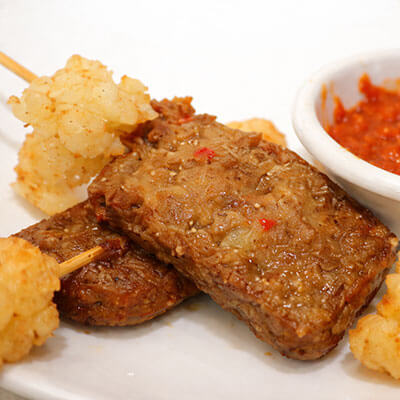
Another Minnesota State Fair original, Deep Fried Meatloaf on a Stick takes a slab of homestyle meatloaf - the same dense, seasoned ground beef mixture your grandmother might have made - and runs it through the full fair treatment. The meatloaf is sliced thick, skewered on a sturdy stick, coated in seasoned batter, and fried until the outside is crispy and the inside is hot and tender.
The key challenge for vendors is structural. Meatloaf is inherently crumbly. A thin slice falls apart in the fryer. A slice that is too thick does not cook evenly - you end up with a scorched exterior and a cold center. The vendors who have perfected this item use meatloaf recipes with higher binding ratios and let the loaf cool completely before slicing and skewering, which gives it the firmness needed to survive the batter dip and the oil bath.
What arrives in your hand is a surprisingly satisfying meal disguised as a novelty item. The crispy batter adds crunch and salt, and the meatloaf inside tastes like a concentrated version of the original - the frying process seems to intensify the seasoning and lock in moisture. Most booths serve it with a side of ketchup or a spicy dipping sauce, and some add a drizzle of mashed potato on top for the full dinner-on-a-stick effect. It is comfort food engineering at its most creative, and it proves that Minnesota vendors take their stick-based cuisine seriously.
Chocolate Covered Fried Pickles on a Stick
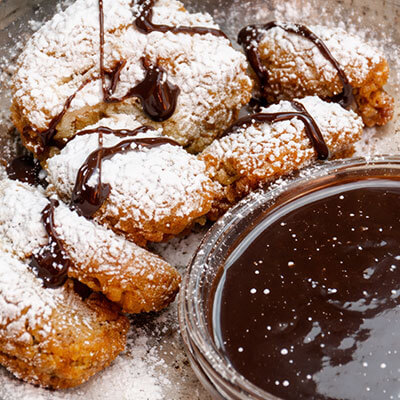
The final entry on this list might also be the most divisive. Chocolate Covered Fried Pickles on a Stick combines three distinct flavor and texture experiences - the sour brine of a dill pickle, the crispy crunch of fried batter, and the sweetness of a chocolate drizzle - into one handheld creation that makes some people grin and others grimace.
The pickle is the foundation, and it matters which type gets used. Dill spears hold up better on a stick than pickle chips, and the brine level affects how the chocolate interacts with the overall flavor. Too much vinegar and the chocolate tastes strange. The right balance gives you a salty-sweet-sour combination that hits every taste receptor at once. The fried batter in the middle acts as a neutral bridge between the two extreme flavors.
This item represents the pinnacle of state fair food philosophy - the idea that any combination of flavors is worth trying at least once, and that the experience of eating something unexpected is itself a form of entertainment. Chocolate Covered Fried Pickles on a Stick is not trying to be a balanced meal or a refined dessert. It is trying to make you laugh, make you think, and make you tell everyone you know about the weird thing you ate at the Minnesota State Fair. And on all three counts, it delivers.
Why State Fairs Became America's Food Laboratories
State fairs have been part of American culture since the 1840s, originally created as agricultural exhibitions where farmers could showcase livestock and crops. Food was always part of the experience, but for most of the 19th and 20th centuries, fair food meant practical, portable items - corn dogs, cotton candy, funnel cakes, and caramel apples.
The shift toward extreme and experimental foods started gaining momentum in the late 1990s and exploded in the 2000s, driven by two forces. First, food media - television shows, blogs, and eventually social media - turned outrageous fair foods into viral content. A vendor who created something photographable and shareable could generate free advertising worth thousands of dollars. Second, fair organizers began hosting competitive food contests, awarding prizes for the most creative new items each year. Vendors had a direct financial incentive to push boundaries.
| Decade: | Fair Food Trend: | Examples: |
| 1940s-1960s | Portable classics | Corn dogs, cotton candy, caramel apples |
| 1970s-1980s | Regional specialties | Turkey legs, funnel cakes, elephant ears |
| 1990s-2000s | Deep-fried everything | Fried Oreos, fried Twinkies, fried butter |
| 2010s-present | Extreme mashups and shock foods | Donut burgers, insect snacks, fried ice cream burgers |
Today, state fair food culture operates like a decentralized research and development network. Vendors across the country experiment independently, and successful creations spread from fair to fair through imitation and adaptation. The vendors who thrive are the ones who combine genuine cooking skill with showmanship - and who invest in reliable food preparation equipment that can handle the volume and speed that fair service demands.
The Art and Science of Deep Frying at the Fair
Deep frying is the dominant cooking method at state fairs for reasons that go beyond tradition. Frying is fast - most battered items cook in two to four minutes - which matters when you are serving hundreds of customers per hour during peak attendance. It is also forgiving. A properly heated fryer produces consistent results even when operated by seasonal staff working long shifts in outdoor heat.
The standard frying process at a fair booth works like this. The item gets coated in batter - usually a mixture of flour, cornmeal, egg, and a liquid like milk or beer. The batter serves two purposes: it creates the crispy exterior that customers expect, and it acts as insulation that protects the food inside from direct contact with the oil. That insulation layer is what makes it possible to fry delicate items like ice cream, candy bars, and even sticks of butter without them dissolving immediately.
Oil temperature is critical. Most fair vendors maintain their deep fryers between 350 and 375 degrees Fahrenheit. Below 325 degrees, the food absorbs excess oil and turns greasy and heavy. Above 400 degrees, the batter burns before the interior cooks through. Experienced fair vendors check oil temperature constantly and adjust burner settings throughout the day as weather conditions and cooking volume fluctuate.
The quality of the equipment matters as much as the recipe. Fair vendors who work the circuit - traveling from state to state throughout the summer and fall - rely on commercial-grade fryers built to handle continuous operation for 12 to 16 hours daily. These are not home kitchen appliances. They are the same professional units used in restaurant kitchens, mounted on trailers and powered by propane, and they represent a significant investment for any concession operation.
Frequently Asked Questions
What are the craziest foods you can find at state fairs?
The most extreme fair foods include items like chocolate-dipped insects, maggot caramel apples, fried ice cream burgers, and glazed donut burgers. Minnesota, Texas, Iowa, and Florida state fairs are particularly known for pushing boundaries with outrageous food creations each year.
Why is everything deep fried at state fairs?
Deep frying is fast, consistent, and portable - three qualities that matter enormously when serving thousands of fairgoers daily. A fried item cooks in minutes, holds together for walking and eating, and the batter creates a crispy shell that keeps the food warm. It is also a cooking method that works across almost any ingredient, which is why vendors can fry everything from pickles to ice cream.
Are chocolate-dipped insects safe to eat?
Yes. The insects sold at state fairs are farm-raised specifically for human consumption, not collected from the wild. They are roasted or dehydrated before being coated in chocolate. Edible insects are consumed by roughly two billion people worldwide and are recognized as a legitimate food source by the United Nations Food and Agriculture Organization. However, people with shellfish allergies should exercise caution, as insects and shellfish share similar proteins.
What state fair has the best food?
The Minnesota State Fair and the Texas State Fair consistently rank as the top two for food creativity and variety. Minnesota is famous for its "on a stick" culture, while Texas hosts an annual Big Tex Choice Awards competition that drives vendors to create increasingly inventive items. The Iowa State Fair also draws significant attention for unique foods like the Hot Beef Sundae.
How do fair vendors keep fried ice cream frozen while frying it?
The ice cream is frozen to an extremely low temperature - well below standard freezer settings - before being coated in a thick layer of crushed cereal, cookie crumbs, or bread crumbs. This coating acts as insulation. The frying time is kept to just 15 to 30 seconds, which is long enough to crisp the exterior coating but short enough that the frozen core stays intact. Timing and oil temperature are critical - even a few extra seconds can turn the dish into a warm puddle.
Can you make state fair foods at home?
Many fair foods are surprisingly replicable at home with basic kitchen equipment. Fried PB&J, chocolate-dipped bacon, and breakfast sausage wrapped in pancakes are all approachable for home cooks. Items that require precise temperature control - like fried ice cream - are more challenging without commercial equipment. For concession operators looking to add fair-style items to their menu, investing in quality commercial outdoor grills and fryers makes the difference between novelty and consistency.
How many calories are in a typical wacky fair food?
Calorie counts vary widely, but most deep-fried fair novelties fall in the 700 to 1,500 calorie range per serving. A glazed donut burger has been estimated at approximately 1,500 calories. Chocolate-dipped bacon runs around 350 to 500 calories per serving. The general rule at state fairs is that calorie counting and fair food are mutually exclusive activities - these are once-a-year indulgences, not daily meals.
Related Resources
- Concession Equipment and Supplies - equipment essentials for fair vendors and concession operators
- Commercial Deep Fryers - professional fryers built for high-volume service
- Food and Beverage Supplies - bulk ingredients and supplies for food service operations
- Disposable Serving Products - cups, trays, and containers for portable fair food service
Share This!