Eco-Friendly Food Packaging Guide
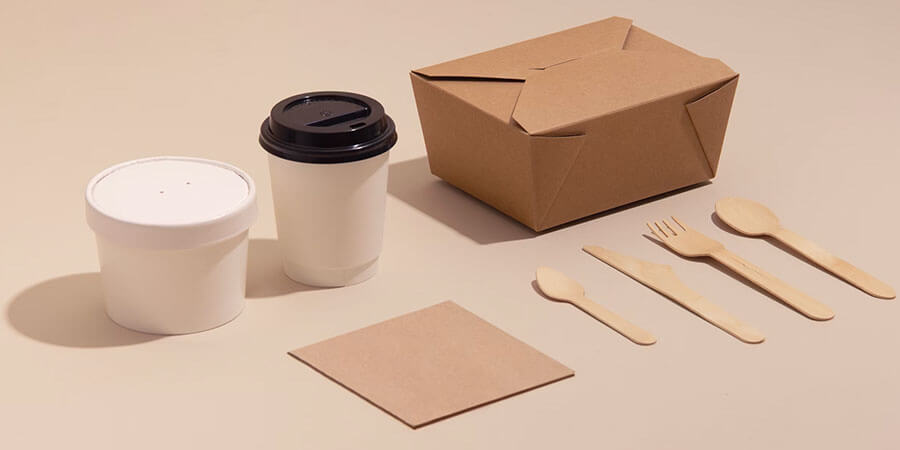
Table of Contents
Choose the right sustainable materials, certifications, and disposal methods for your operation
Eco-friendly packaging is no longer a niche preference but a critical operational requirement for modern foodservice businesses facing increasing regulatory pressure and consumer demand for sustainability. Transitioning from traditional plastics and foam to compostable, recyclable, or biodegradable alternatives requires a deep understanding of material performance, local disposal infrastructure, and total cost of ownership. This guide explores the primary types of sustainable packaging - including bagasse, PLA, and recycled paper - helping operators balance environmental impact with menu compatibility and budget constraints.
The shift toward eco-friendly packaging represents one of the most significant changes in the restaurant industry over the last decade, driven by a combination of legislative bans on single-use plastics and a fundamental shift in consumer expectations. Unlike traditional petroleum-based plastics that persist in the environment for centuries, sustainable packaging is designed to minimize ecological footprints through renewable sourcing, reduced carbon emissions during manufacturing, and responsible end-of-life disposal paths.
Implementing a successful sustainable packaging program affects four critical areas of your business:
- Regulatory Compliance - Meeting local and state bans on foam, plastic bags, and straws
- Brand Reputation - Aligning your business with the values of environmentally conscious diners
- Operational Performance - Ensuring containers maintain food quality, temperature, and structural integrity
- Financial Planning - Managing the 10-70% cost premium associated with eco-friendly materials
Choosing the right packaging involves more than just swapping one container for another; it requires a holistic look at your menu, your local waste management capabilities, and how you communicate these changes to your customers. Whether you are navigating a mandatory plastic ban or proactively seeking to reduce your environmental impact, understanding the nuances of compostable versus recyclable materials is the first step toward a successful transition.
Types of Eco-Friendly Packaging
Compostable Paper Dinnerware
Compostable paper dinnerware, often made from bagasse (sugarcane fiber) or molded wheat straw, has become the gold standard for eco-conscious operators seeking a heavy-duty alternative to foam or plastic plates. These materials are agricultural byproducts that would otherwise be discarded, making them a highly renewable resource with a significantly lower carbon footprint than virgin paper or petroleum-based products. Because they are made from natural fibers, they are fully compostable in commercial facilities, breaking down into nutrient-rich soil rather than microplastics. This transition to fiber-based dinnerware is a visible signal to customers that your operation prioritizes environmental health without sacrificing the convenience of disposables.
When selecting compostable paper dinnerware, operators must evaluate the specific needs of their menu, particularly regarding moisture and oil resistance. While bagasse is naturally grease-resistant and can handle hot foods up to 200°F, extremely saucy or heavy items may require a compostable lining to prevent soaking through over long transport times. Cost considerations are also paramount; while bagasse is generally more expensive than traditional foam, its superior strength and environmental profile often justify the investment for premium casual and quick-service brands looking to elevate their presentation. Choosing the right thickness and rim style ensures that even the heaviest entrees are supported, preventing the common "plate failure" issues associated with cheaper, non-sustainable paper alternatives.
Compostable Cutlery & Utensils

Compostable cutlery is primarily manufactured from PLA (polylactic acid), CPLA (crystallized polylactic acid), or natural wood, each offering distinct performance characteristics for different dining scenarios. PLA is a plant-based plastic derived from corn starch that looks and feels like traditional plastic but is designed to break down in industrial composting environments. CPLA is a heat-stabilized version of PLA that can withstand temperatures up to 185°F, making it the preferred choice for hot soups or coffee service where standard PLA might soften or warp. By utilizing these plant-based polymers, restaurants can provide a familiar dining experience while significantly reducing their reliance on fossil-fuel-derived plastics that persist in the environment for centuries.
The choice between plant-based plastics and wooden utensils often comes down to the desired aesthetic and the specific food being served. Wooden cutlery, typically made from birch or bamboo, offers a rustic, high-end look and is naturally biodegradable even in home composting setups, though it can sometimes impart a slight woody taste to delicate foods. For high-volume takeout where durability is the priority, CPLA provides the closest performance to traditional plastic while still meeting BPI certification standards for compostability, ensuring that your green initiative doesn't compromise the customer's ability to enjoy their meal. Operators should consider the "mouthfeel" and snap-resistance of each option, as these factors directly influence the customer's perception of quality and the overall value of the meal.
Recyclable Food Containers
Recyclable food containers, such as those made from aluminum or high-grade cardboard, remain a vital component of a sustainable packaging strategy, especially in areas where commercial composting infrastructure is limited. Aluminum is infinitely recyclable and offers the best heat retention and leak resistance in the industry, making it ideal for heavy, saucy entrees like pasta or roasted meats. Cardboard containers, particularly those made from post-consumer recycled content, provide a lightweight and cost-effective option for dry goods and fried foods where breathability is needed to maintain crispness. These materials support a circular economy by ensuring that the energy and resources used in their production can be recovered and reused in future manufacturing cycles.
The effectiveness of recyclable packaging depends heavily on the local recycling infrastructure and the cleanliness of the material after use. Food-soiled paper and cardboard are often rejected by recycling facilities, which is why many operators are moving toward "hybrid" strategies - using recyclable aluminum for heavy mains and compostable paper for sides. When selecting recyclable options, look for high percentages of post-consumer recycled (PCR) content to support the circular economy and ensure that the "recyclable" label translates into actual environmental benefits rather than just a marketing claim. Providing clear instructions to customers on how to rinse and prepare these containers for recycling is a crucial step in ensuring that your sustainable choices actually result in diverted waste.
Biodegradable Straws
Biodegradable straws have seen the most rapid innovation in the packaging sector following widespread municipal bans on traditional plastic straws. The two primary contenders are paper straws and PLA straws, each addressing the environmental crisis of marine plastic pollution in different ways. Modern paper straws have improved significantly from early versions, with multi-ply construction and food-grade coatings that allow them to remain functional in cold beverages for 30-60 minutes. PLA straws offer the exact mouthfeel and durability of plastic but require commercial composting to break down effectively. This category is often the first point of contact for customers with a restaurant's sustainability program, making the choice of a high-performing straw essential for a positive first impression.
Customer acceptance is the biggest hurdle when transitioning to biodegradable straws, as many diners have had negative experiences with "soggy" paper options. To mitigate this, operators should source high-quality, four-ply paper straws or consider "straw-on-demand" policies to reduce overall waste. For frozen drinks or thick milkshakes where paper may struggle, PLA or even reusable silicone/metal options for in-house dining provide the necessary structural integrity. Regardless of the material, the goal is to provide a functional drinking experience that doesn't end up as permanent waste in the ocean. Testing different diameters and lengths with your specific beverage menu ensures that the straw's performance matches the drink's viscosity and the cup's height.
Sustainable Cups & Beverageware
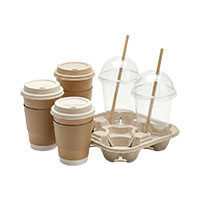
Sustainable beverageware is divided into two main categories: paper-based hot cups and plant-based cold cups. Traditional paper hot cups are often lined with PE (polyethylene) plastic to prevent leaking, which makes them difficult to recycle or compost. Sustainable alternatives use PLA linings or water-based coatings that allow the entire cup to be processed in commercial composting facilities. For cold drinks, clear PLA cups provide the transparency customers expect for iced coffees and smoothies while being derived entirely from renewable plant sources. These cups offer a premium look that reinforces the quality of the beverage while aligning with the brand's environmental commitments.
When implementing sustainable cups, branding and cost are the primary selection drivers. PLA cold cups are typically 30-50% more expensive than PET plastic, but they offer a powerful visual signal of your commitment to the environment. For hot coffee programs, switching to a compostable-lined cup often requires a corresponding switch to compostable lids to ensure the entire unit can be disposed of in the same bin. Operators should also consider the storage requirements for PLA products, as they are heat-sensitive and can warp if stored in non-climate-controlled warehouses or near hot kitchen equipment. Ensuring that your cup and lid combination provides a secure, leak-proof seal is critical for customer safety and satisfaction, especially in high-traffic takeout and delivery scenarios.
Eco-Friendly Bags & Packaging
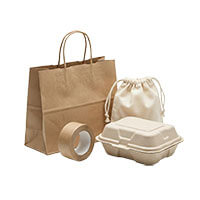
Eco-friendly bags, including heavy-duty recycled paper bags and compostable bioplastic takeout bags, are the final touchpoint in the customer's takeout experience. Recycled paper bags are a classic, reliable choice that is both recyclable and compostable, provided they aren't heavily contaminated with grease. For operations that require the leak protection of plastic, compostable bags made from PBAT or starch blends provide a "green" alternative that meets the requirements of most municipal plastic bag bans while still offering the strength needed for heavy containers. These bags serve as a mobile billboard for your brand's sustainability, carrying your message from the restaurant to the customer's home.
The strength and moisture resistance of the bag must match the weight of your heaviest menu items to avoid catastrophic failures during transport. Many operators find that a high-quality, handled paper bag made from 100% recycled content provides the best balance of cost, performance, and environmental messaging. If using compostable plastic bags, it is essential to educate customers that these are not "standard" plastic and should be disposed of in organic waste bins where available. This level of detail in your packaging choice reinforces your brand's authenticity and ensures the sustainability loop is closed. Selecting the right bag size also reduces unnecessary material use, further lowering your environmental impact and packaging costs per order.
Eco-Friendly Packaging Comparison Table
| Type: | Material: | Compostable: | Recyclable: | Heat Tolerance: | Price vs Traditional: |
| Dinnerware | Bagasse / Wheat Straw | Certified | No | Up to 200°F | +20-40% |
| Cutlery | CPLA / Wood | Certified | No | Up to 185°F | +30-50% |
| Containers | Aluminum | No | Yes | Up to 400°F | +10-25% |
| Containers | Recycled Cardboard | Depends | Yes (if clean) | Up to 180°F | +15-30% |
| Straws | Paper / PLA | Certified | No | Cold only | +50-100% |
| Cold Cups | PLA | Certified | No | Cold only | +30-50% |
| Hot Cups | PLA-Lined Paper | Certified | No | Up to 200°F | +20-35% |
| Bags | Recycled Paper | Yes | Yes | N/A | +10-20% |
Features & Specifications
When evaluating eco-friendly packaging, understanding the technical specifications and certifications is essential to ensure the products perform as expected and meet legal requirements.
Sustainable Materials
- Bagasse: Fibrous byproduct of sugarcane processing; excellent for plates and bowls.
- PLA (Polylactic Acid): A bioplastic made from corn starch or sugarcane; used for cold cups, straws, and linings.
- CPLA (Crystallized PLA): Heat-treated PLA that can withstand higher temperatures for cutlery and hot lids.
- Molded Fiber: Recycled paper or natural fibers pressed into shapes; highly absorbent and breathable.
- Recycled Paper/Cardboard: Material diverted from landfills; look for "Post-Consumer Recycled" (PCR) content.
Key Certifications
- BPI (Biodegradable Products Institute): The leading North American certification for compostable products in commercial facilities.
- CMA (Compost Manufacturing Alliance): Field-tested certification ensuring products actually break down in real-world composting environments.
- ASTM D6400: The standard specification for labeling of plastics designed to be aerobically composted in municipal or industrial facilities.
- ASTM D6868: The standard for biodegradable plastics used as coatings on paper and other compostable substrates.
- FSC (Forest Stewardship Council): Ensures that paper products come from responsibly managed forests.
Performance Specifications
- Heat Tolerance: Ranges from 130-140°F (standard PLA glass transition) to 400°F (aluminum). Always verify "Microwave Safe" or "Oven Safe" designations.
- Moisture/Grease Resistance: Measured by the material's ability to hold liquids without softening. Bagasse is naturally resistant, while paper often needs a coating.
- Compostability Timeline: Most certified products are designed to disintegrate within 90 days and fully biodegrade within 180 days in a commercial facility.
- Shelf Life: PLA products can degrade if exposed to high heat or UV light during storage; typical shelf life is 12-24 months in climate-controlled conditions.
Selecting the Right Eco-Friendly Packaging
Volume & Cost Analysis
The transition to eco-friendly packaging involves a higher unit cost compared to traditional petroleum-based products. Operators must conduct a thorough cost-benefit analysis to understand how these increases affect their bottom line. On average, you can expect to pay 20-50% more for compostable items. For a high-volume operation, this can represent thousands of dollars in additional annual expenses. However, bulk purchasing and consolidating your SKU list can help mitigate these costs.
To find the break-even point, consider the marketing value of your sustainability initiative. Many restaurants successfully offset the cost by implementing a small "sustainability fee" (typically $0.25 - $0.50 per order) or by slightly increasing menu prices. Customers are often willing to pay a small premium when they understand the environmental benefit. Additionally, reducing "automatic" inclusions - such as only providing straws or cutlery upon request - can reduce your total packaging volume by 15-30%, often covering the price gap between traditional and eco-friendly materials.
Menu Match
Not all eco-friendly materials are suitable for every type of food. A common mistake is choosing a "green" container that fails to maintain food quality, leading to customer dissatisfaction. For hot, crispy items like fried chicken or fries, molded fiber or vented cardboard is superior because it allows steam to escape, preventing sogginess. Conversely, for saucy pasta or heavy stews, bagasse with a compostable lining or recyclable aluminum is necessary to prevent leaks and maintain structural integrity during transport.
Weight capacity is another critical factor. If your menu includes heavy, dense portions, a lightweight paper plate may buckle, whereas a thick bagasse plate provides the rigidity of plastic. For beverage programs, ensure your cold cups are sized correctly for your existing lids to avoid leaks. Testing your menu items in the proposed packaging for at least 30 minutes (the average delivery time) is the only way to guarantee that your sustainable choice won't result in a messy or unappealing meal for the end user.
Disposal Infrastructure
The "eco-friendly" label is only effective if the product ends up in the correct waste stream. Before investing heavily in compostable packaging, verify that your local waste management provider offers commercial composting services. Many "compostable" items will not break down in a backyard bin or a standard landfill; they require the high heat and controlled conditions of an industrial facility. If your area only offers traditional recycling, focusing on high-PCR (post-consumer recycled) paper and aluminum may be a more responsible choice.
If you do have access to composting, your internal infrastructure must support it. This means having clearly labeled bins for "Compost," "Recycle," and "Landfill" in both the front and back of the house. Without proper sorting, your expensive compostable containers will simply end up in the landfill, negating the environmental benefit. Educating your staff and customers on which items go in which bin is as important as the packaging itself. If your local infrastructure is lacking, consider partnering with a private organics hauler to ensure your waste is processed correctly.
Compliance & Marketing
Regulatory compliance is often the primary driver for switching to eco-friendly packaging. Dozens of cities and states have implemented bans on expanded polystyrene (foam), single-use plastic bags, and plastic straws. Staying ahead of these regulations prevents last-minute supply chain disruptions and potential fines. Beyond simple compliance, your packaging is a powerful marketing tool. It is a physical manifestation of your brand's values that sits on the customer's table or in their home.
To maximize the ROI of your investment, communicate your efforts clearly. Use signage in your restaurant, notes on your digital menu, and social media posts to explain why you chose specific materials. Many compostable products feature small "Compostable" or "BPI Certified" logos; point these out to your customers so they know how to dispose of them. By framing the switch as a positive community contribution rather than a forced regulatory change, you build brand loyalty and justify the potential price increases to your customer base.
Frequently Asked Questions
What makes food packaging truly "eco-friendly"?
Truly eco-friendly packaging is defined by its entire lifecycle, including renewable sourcing (like corn or sugarcane), low-impact manufacturing, and a clear end-of-life path such as commercial composting or high-rate recycling. It must be free from harmful chemicals like PFAS and should ideally be certified by third parties like BPI or the CMA to ensure it performs as claimed in waste facilities.
What is the difference between compostable, biodegradable, and recyclable?
Compostable means a product will break down into organic matter in a specific timeframe (usually 90-180 days) in a controlled environment. Biodegradable is a broader, often unregulated term meaning something will eventually break down, but without a specific timeline or safety guarantee. Recyclable means the material can be processed and turned into new products, provided it is clean and the local infrastructure supports it.
How much more does eco-friendly packaging cost compared to traditional options?
On average, expect a 10-70% price premium depending on the item. Compostable cutlery and straws typically see the highest increases (50-100%), while paper bags and aluminum containers are closer to traditional prices (10-20%). Many operators offset this by charging a small sustainability fee or by reducing the automatic inclusion of disposables in every order.
Can I compost "compostable" plastic in my backyard bin?
Generally, no. Most compostable bioplastics like PLA require the high, sustained heat of a commercial composting facility to break down. In a backyard bin, they may remain intact for years. Always look for the "Home Compostable" certification if you intend for customers to compost at home; otherwise, they must go to an industrial facility.
Do customers actually care about sustainable packaging?
Yes, multiple industry studies show that over 60% of consumers, particularly Millennials and Gen Z, prefer ordering from restaurants that use sustainable packaging. Many diners report a higher perceived value of the food when it is delivered in high-quality, eco-friendly containers, which can lead to increased brand loyalty and repeat business.
What certifications should I look for when buying?
The most important certifications in North America are BPI (Biodegradable Products Institute) and CMA (Compost Manufacturing Alliance). These ensure the product meets ASTM standards for compostability. For paper products, look for FSC (Forest Stewardship Council) to ensure responsible forest management and "PFAS-Free" labels for health safety.
Does eco-friendly packaging hold up as well as plastic for hot or liquid foods?
Modern eco-friendly materials like bagasse and CPLA are highly functional, but you must match the material to the food. Bagasse is excellent for heat and grease but can soften over long periods with very wet foods. Aluminum is best for extreme heat and liquids. Always perform a 30-minute "soak test" with your specific menu items before committing to a new line.
How should I store PLA and other bioplastic products?
PLA is heat-sensitive and can begin to soften or warp at temperatures around 130-140°F (its glass transition point). Store these products in a cool, dry, climate-controlled area away from direct sunlight, ovens, or dishwashers. Proper storage ensures the products maintain their shape and functionality for their full 12-24 month shelf life.
Are there laws requiring me to switch to eco-friendly packaging?
Many jurisdictions have passed bans on expanded polystyrene (foam), plastic carryout bags, and plastic straws. Some areas also require that all single-use foodservice ware be compostable or recyclable. Check your local municipal and state codes regularly, as new packaging legislation is being introduced frequently across the country.
What is the ROI of switching to sustainable packaging?
While the direct material cost is higher, the ROI comes from increased customer loyalty, improved brand positioning, and compliance with potential fines. Many operators find that the "marketing lift" from being a green business attracts new customers who specifically seek out sustainable options, often resulting in a net gain in revenue that exceeds the packaging cost increase.
Shop Eco-Friendly Packaging
- Disposable Paper Dinnerware - Compostable plates, bowls, and platters made from bagasse and molded fiber
- Disposable Cutlery - BPI-certified compostable forks, knives, and spoons for hot and cold use
- Food Containers & Packaging - Full range of sustainable takeout containers, boxes, and wraps
- Disposable Drinking Straws - Eco-friendly paper and PLA straws in various sizes and colors
Related Guides
- Commercial Dishwasher Guide - Reduce your environmental impact with energy-efficient warewashing
- Commercial Kitchen Equipment Checklist - Comprehensive overview of essential kitchen equipment
- How to Design a Commercial Kitchen - Optimize your space for efficient waste sorting and workflow
Share This!