Restaurant Happy Hour Guide
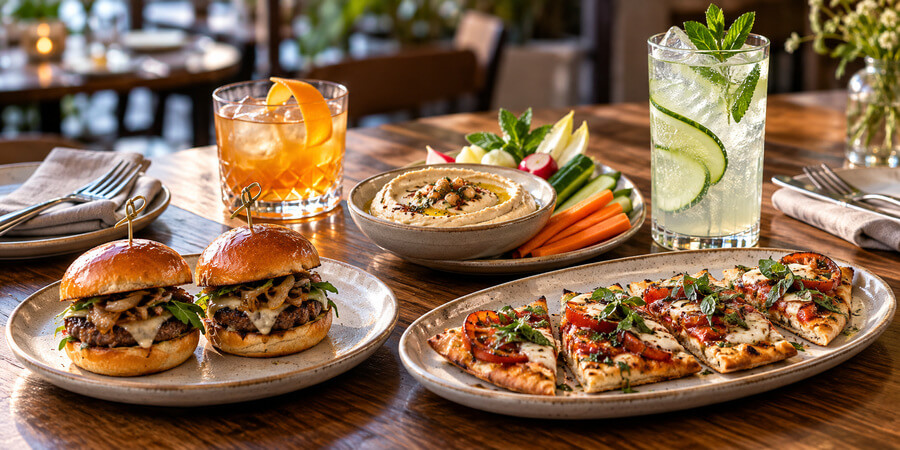
Table of Contents
How to design a happy hour program that fills your slow hours, builds your customer base, and protects your margins
Happy hour is one of the most effective tools a restaurant has for converting dead hours into revenue - but only when it is designed as a real program, not just a blanket discount. OpenTable's 2026 dining trends report found that 4:00 PM dining increased 13% year over year in early 2025 as consumers seek value during the happy hour window, and research shows that 40% of consumers attend happy hour at least once a week. With beverage margins reaching 70-80% compared to 30-40% on food, a well-structured happy hour can be your most profitable daypart. This guide covers how to build a happy hour program from scratch - menu design, pricing strategy, promotion, staffing, legal considerations, and how to turn happy hour guests into repeat dinner customers.
Every restaurant has slow hours. The window between 3:00 and 6:00 PM is the most common - the lunch rush is over, the dinner crowd has not arrived, and the staff is either standing around or being sent home early. Those hours represent fixed costs - rent, insurance, utilities, equipment depreciation - with little or no revenue to cover them.
Happy hour exists to solve this problem. But the gap between a profitable happy hour and one that bleeds money is wider than most operators realize. A poorly designed program discounts your best products to bargain hunters who never come back for dinner. A well-designed one creates a new revenue stream, introduces your concept to new customers, and builds the kind of loyalty that drives repeat visits across all dayparts.
The restaurant industry generated over one and a half trillion in sales in 2025, yet traffic has been flat or negative for extended periods. Operators who rely solely on dinner service are leaving money on the table - literally. Happy hour, when executed as a strategic program rather than a reactive discount, fills that gap.
Why Happy Hour Works - The Economics
Happy hour is not charity. It is one of the most margin-friendly dayparts a restaurant can operate, primarily because of the economics of beverage sales.
Beverage margins dwarf food margins. Alcoholic beverages typically generate gross margins of 70-80%, compared to 30-40% on food. A cocktail that costs you a few dollars in ingredients and sells at full price produces significantly more profit per transaction than most food items. Even at happy hour pricing, a discounted drink still generates stronger margins than a full-price appetizer.
Food-based happy hours extend dwell time. Research from PepsiCo Partners and Datassential found that nearly 58% of happy hour guests extend their stay beyond the discount window when food is part of the program. Longer stays mean more drinks ordered, higher total checks, and more opportunities for guests to transition into the dinner daypart. This is why offering food during happy hour is not a cost - it is a strategy for increasing total spend per guest.
Happy hour creates a fourth daypart. Most restaurants operate on three dayparts - breakfast/brunch, lunch, and dinner. Happy hour creates a fourth revenue window during hours when your fixed costs are already being paid. The incremental revenue from a well-run happy hour is almost entirely margin because the facility, equipment, and base staffing costs exist regardless.
The data supports it. A study of 400 bars found that establishments with happy hour programs had 33% higher transaction counts than those without. And this is not just about discounts attracting deal-seekers - it is about creating a reason for people to visit during hours when they otherwise would not.
| Beverage Economics: | Typical Range: |
| Alcoholic beverage gross margin | 70-80% |
| Food gross margin | 30-40% |
| Target pour cost (cocktails) | 18-22% |
| Target pour cost (high-volume bar) | 15-20% |
| Guests extending stay when food is offered | ~58% |
| Transaction increase with happy hour program | ~33% higher |
Designing Your Happy Hour Menu
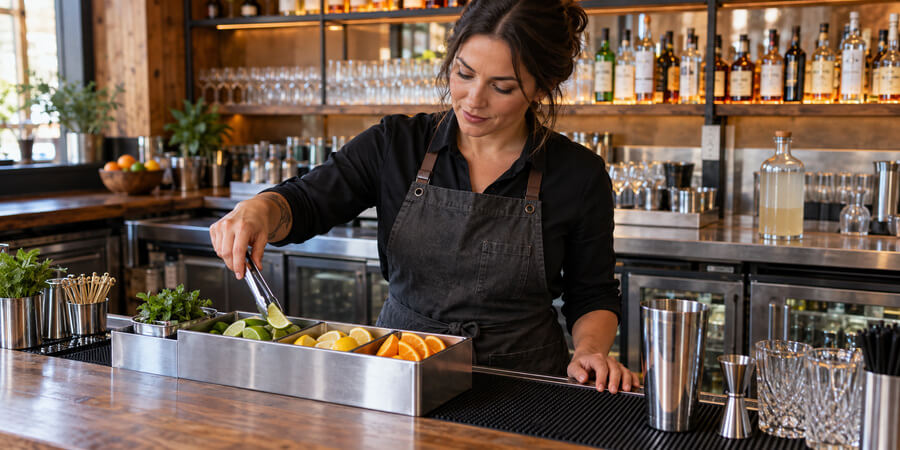
Your happy hour menu is not a discounted version of your dinner menu. It is a separate program with its own strategic purpose - to drive traffic, showcase your concept, and generate margin from items specifically designed for that daypart.
Lead with beverages, support with food. Your highest-margin items are drinks. Structure your happy hour around a curated beverage list - a selection of featured cocktails, wines by the glass, and draft beers - with food items designed to complement them and extend guest stays. Small plates, shareable appetizers, and bar snacks work better than full entrees because they encourage ordering multiple items and keep per-guest food costs low.
Design food specifically for the daypart. Happy hour food should be quick to prepare, low in food cost, and high in perceived value. Items that use ingredients already in your prep cycle reduce waste. Items that can be batch-prepped and finished to order keep labor costs manageable during what should be a lean-staffed shift. Think composed snacks, flatbreads, loaded fries, sliders, or seasonal small plates - items that feel special but do not require a full kitchen brigade.
Include non-alcoholic options. The U.S. non-alcoholic beer, wine, and spirits market has grown into a billion-dollar category, and Nielsen IQ reports it is no longer a niche. Offering mocktails, non-alcoholic beers, or creative NA drinks alongside your cocktail menu broadens your audience to include designated drivers, sober-curious consumers, and guests who simply prefer not to drink. These items carry the same high margins as their alcoholic counterparts.
Price strategically, not reflexively. Happy hour pricing should feel like a value without destroying your margins. Discounting your most expensive cocktails by half teaches guests to never pay full price. Instead, offer a curated selection of well-priced drinks that are specific to happy hour - recipes that use spirit categories with favorable pour costs, or batch cocktails that reduce labor per serving. The perception of value matters more than the depth of the discount.
Happy hour menu design principles:
- Feature 4-6 drink specials and 4-6 food items - enough variety without overwhelming the kitchen
- Use batch cocktails and draft options to reduce preparation time and labor per serving
- Choose food items that use existing prep ingredients to minimize waste
- Include at least one non-alcoholic specialty drink for inclusivity and margin
- Price food items as shareable small plates rather than individual portions
- Rotate seasonal items to create urgency and repeat visits
- Keep the happy hour menu physically separate from the dinner menu to reinforce it as a distinct program
Setting the Right Hours and Format
When and how you run happy hour determines whether it fills a slow period or cannibalizes your dinner revenue.
Start after the lunch daypart ends and stop before dinner begins. The most common and effective window is 3:00 PM to 6:00 PM. This captures the after-work crowd without encroaching on dinner service. Some operators start at 4:00 PM if their lunch service runs late, and some extend to 7:00 PM if their dinner rush does not begin until 7:30 or 8:00. Know your traffic patterns and set hours that fill the gap without competing with your primary revenue dayparts.
Consider a late-night happy hour. The window after 9:00 or 10:00 PM can be another opportunity, particularly in markets with a nightlife culture or near entertainment districts. Late-night happy hour attracts a different demographic than the after-work crowd and can generate meaningful beverage revenue during hours that would otherwise wind down to empty seats.
Choose the right days. Not every day needs a happy hour. Most programs run Monday through Friday to target the after-work crowd, but your market may call for a different approach. If your restaurant is in a tourist area or entertainment district, weekend happy hours may drive more traffic. If you are in a business district, Monday through Thursday may be your strongest days. Look at your existing traffic data before committing to a schedule.
Set clear start and stop times. Ambiguity about when happy hour ends creates friction with guests and staff. Post the hours visibly, train staff to communicate them, and have a smooth transition plan when happy hour pricing ends. Some operators use a last-call approach - announcing that happy hour is ending in 15 minutes so guests can place final orders at the discounted price.
| Format Option: | Best For: | Consideration: |
| Traditional (3-6 PM weekdays) | Business districts, after-work crowds | Most predictable traffic pattern; clean transition to dinner |
| Extended (3-7 PM) | Restaurants with late dinner rushes (8 PM+) | Higher revenue window, but requires more staffing |
| Late night (9 PM - close) | Entertainment districts, nightlife markets | Different demographic; beverage-heavy; lower food cost |
| Weekday only (Mon-Thu) | High-traffic weekend restaurants | Preserves premium weekend pricing |
| All week | Tourist areas, casual dining concepts | Maximum reach, but monitor for margin dilution |
| Reverse happy hour (late night only) | Fine dining, upscale casual | Attracts industry workers and late diners without devaluing the dinner experience |
Promoting Your Happy Hour
A happy hour that nobody knows about is just discounted drinks for your regulars. Promotion is how you turn a program into a traffic driver.
Social media is your primary channel. Diners increasingly turn to social media when deciding where to eat, making it the most direct way to reach potential happy hour guests. A well-timed photo of a happy hour cocktail posted at 3:30 PM can drive traffic within the hour. Use your accounts to post happy hour specials, limited-time items, and behind-the-scenes content of drinks being made. Consistency matters more than perfection - a daily post with the day's happy hour specials, even a simple text overlay on a photo, keeps your program top of mind.
Leverage your physical location. If your restaurant has street-facing visibility, use signage - A-frames, window displays, or digital boards - to capture foot traffic from nearby offices, retail, and residential areas. Workers walking past at 4:30 PM are your ideal target audience. Make the happy hour hours, specials, and value proposition visible from the sidewalk.
Build an email or text list. Collect contact information from happy hour guests and send a brief weekly message highlighting that week's specials or any new menu additions. A simple "This week's happy hour features..." message sent on Monday or Tuesday primes guests to plan a visit. Keep it short, keep it consistent, and always include your hours and location.
Partner with nearby businesses. Office complexes, coworking spaces, gyms, and retail stores are all potential partners. Offer to host a networking happy hour for a local professional group. Provide a small stack of happy hour cards at a neighboring business. These partnerships cost nothing and put your program in front of people who are physically close to your location during happy hour time.
Create recurring events. A weekly trivia night, live music session, or themed happy hour (wine Wednesdays, taco Tuesdays, local brewery features) gives guests a reason to return on a specific day. Recurring events create habits, and habits create loyal customers. OpenTable's 2026 dining trends report found that 51% of Americans are more likely to dine out when deals, promotions, or loyalty incentives are available - give them a specific reason to choose yours.
Staffing and Operations
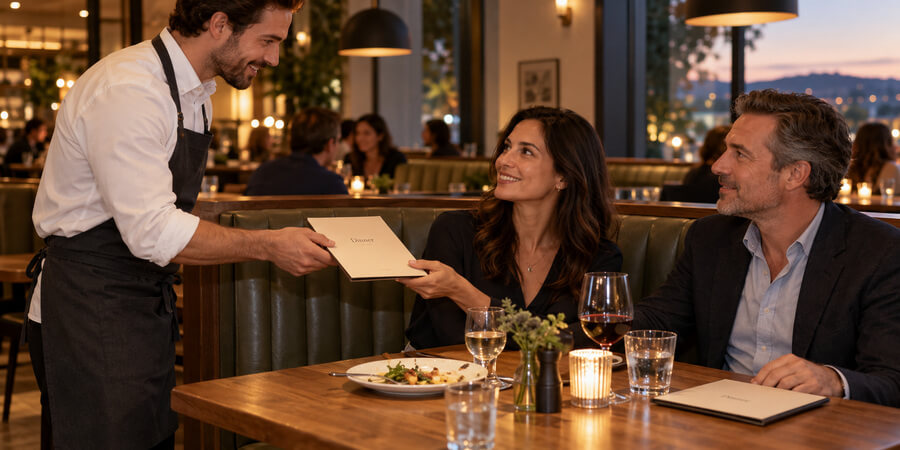
Happy hour requires a different operational approach than your lunch or dinner service. Get the staffing and flow right, and it runs smoothly. Get it wrong, and you either overspend on labor or deliver a poor experience that discourages return visits.
Staff lean but prepared. Happy hour should not require your full dinner team, but it does need enough staff to deliver a good experience. One to two bartenders, a barback, and one to two servers for the dining room is a typical setup for a mid-size restaurant. The exact number depends on your layout, expected volume, and whether your happy hour is bar-only or extends to the dining room.
Prep ahead. Batch cocktails, pre-portioned garnishes, and pre-prepped small plate components reduce the labor required during service. The goal is to minimize the number of hands needed during happy hour while maintaining the quality that brings guests back. Anything that can be made in advance should be.
Train for the transition. The shift from happy hour to dinner service is a critical moment. Staff need to know exactly when happy hour pricing ends, how to communicate it to lingering guests, and how to smoothly transition the room from a happy hour atmosphere to a dinner setting. This includes adjusting lighting, music, and table configurations if applicable.
Track everything. Use your POS system to track happy hour performance separately from other dayparts. You need to know which drinks sell, which food items move, what your average check is during happy hour, and how many happy hour guests convert to staying for dinner. This data is what separates a strategic program from a guessing game. Your restaurant technology systems should be configured to report on happy hour as its own category.
Legal Considerations
Happy hour promotions are regulated at the state and local level, and the rules vary significantly. Before launching a program, understand what your jurisdiction allows.
Seven states currently ban happy hour drink specials. Massachusetts, Alaska, Rhode Island, Utah, North Carolina, Oklahoma, and Vermont all prohibit discounted drink pricing during designated happy hour windows. Indiana lifted its ban in 2024, but operators in the remaining seven states must find alternative approaches - such as food-only specials, prix fixe pairings, or event-based promotions that do not involve discounted alcohol.
Even in states that allow happy hour, rules vary. Some states prohibit two-for-one drink specials but allow reduced pricing. Others restrict the hours during which discounted drinks can be offered. Some require that food must be available whenever alcohol is being served at a discount. Your state's alcohol beverage control (ABC) board is the authoritative source for current regulations.
Liability considerations. Serving discounted alcohol comes with responsibility. Overserving during happy hour creates legal liability - most states hold establishments responsible for injuries caused by visibly intoxicated guests. Train your staff on responsible alcohol service, set pour limits, and consider requiring food purchase with drink specials as both a revenue strategy and a liability mitigation tool.
States where happy hour drink specials are banned:
- Massachusetts
- Alaska
- Rhode Island
- Utah
- North Carolina
- Oklahoma
- Vermont
Turning Happy Hour Guests Into Dinner Customers
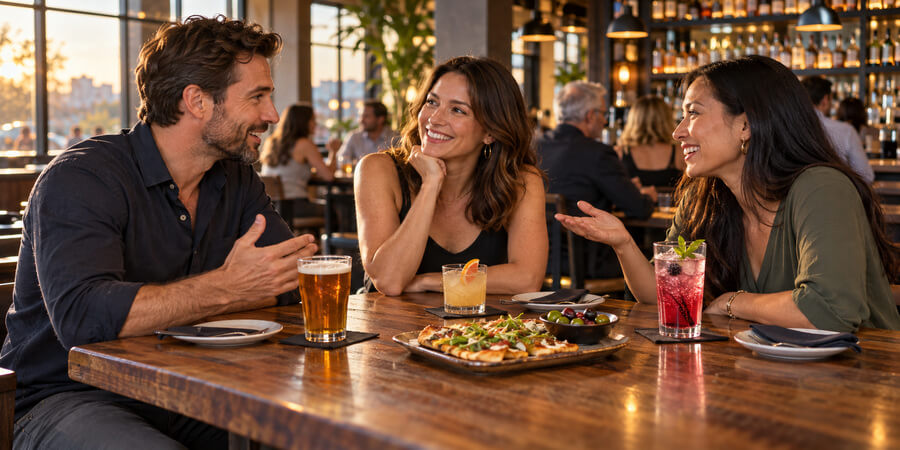
The highest-value outcome of a happy hour program is not the revenue generated during the discounted window - it is the guests who stay for dinner, return on a weekend, or recommend your restaurant to someone who becomes a regular. Happy hour is a customer acquisition channel, and the best programs treat it that way.
Make the transition seamless. When happy hour ends, guests should feel welcomed to stay rather than pushed out. Train servers to offer dinner menus as happy hour winds down - "Happy hour is wrapping up, but can I bring you a dinner menu? Our chef's special tonight is..." This soft transition converts a meaningful percentage of guests who were already comfortable and enjoying themselves.
Showcase your dinner program through happy hour. Use happy hour food items as smaller versions of dinner dishes, or offer a "preview" appetizer from an upcoming seasonal menu. When guests taste something they love during happy hour, they have a reason to return for the full dinner version. This is marketing disguised as a menu item.
Capture contact information. Offer a reason for guests to join your email list or loyalty program during happy hour - a complimentary appetizer on their next visit, early access to seasonal menus, or a birthday perk. Every email address collected during happy hour is a future marketing opportunity. A 5% increase in customer retention can boost profits by 25-95% according to industry research, and happy hour is one of the most natural environments for building that kind of relationship.
Your physical environment matters. The same commercial furniture that supports dinner service should create a welcoming atmosphere during happy hour. Comfortable seating, proper lighting, and a clean, well-stocked bar communicate quality. Guests judge whether your restaurant is "worth coming back to for dinner" based on their happy hour experience - the drinks, the food, the service, and the space itself.
Equipment and Setup
A successful bar program - happy hour or otherwise - requires the right equipment. Under-equipped bars create bottlenecks that slow service, frustrate staff, and drive guests away during the window when speed and experience matter most.
Bar refrigeration is foundational. You need sufficient cold storage for beer, wine, mixers, garnishes, and perishable ingredients. Bar refrigeration - back bar coolers, bottle coolers, and draft systems - should be sized for your peak happy hour volume, not your average Tuesday. Running out of cold product during your busiest happy hour destroys the experience.
Ice is non-negotiable. A busy happy hour can burn through ice faster than any other daypart. Ensure your ice machine capacity matches your peak demand, and consider supplemental ice storage for high-volume nights. Nothing slows a bar down like running out of ice at 5:30 PM on a Friday.
Glassware sets the tone. The right glassware elevates the experience - proper cocktail glasses, wine glasses, and beer glasses communicate that your bar program is serious, even during happy hour. Mismatched or inadequate glassware signals that drinks are an afterthought, which is the opposite of the message a profitable happy hour should send.
Blenders and specialty equipment. If your happy hour menu includes frozen cocktails, smoothie-style mocktails, or blended drinks, ensure you have the right blender equipment to handle volume without creating noise or service delays. Batch-blending before service starts can reduce both noise and wait times.
Measuring Happy Hour Success
A happy hour program without performance tracking is a gamble. Measuring the right metrics tells you whether your program is building your business or just subsidizing discounted drinks.
Key metrics to track:
- Revenue per happy hour shift (drinks and food separately)
- Average check per guest during happy hour
- Guest count during happy hour versus the same hours without the program
- Conversion rate - what percentage of happy hour guests stay for dinner
- Beverage cost percentage during happy hour versus other dayparts
- New versus repeat happy hour guests
- Social media engagement on happy hour posts
Compare against your goals, not just last week. A happy hour that generates modest revenue but converts 20% of guests to dinner reservations may be more valuable than one that generates higher revenue but produces zero conversion. Define what success means for your specific situation - traffic building, dinner conversion, beverage margin improvement, or customer acquisition - and measure accordingly.
Use your menu pricing strategy to protect margins. If your happy hour food cost is running higher than your target, adjust portion sizes, swap ingredients, or rotate items. If beverage cost is creeping above your pour cost target, review recipes and pricing. The numbers should guide the program, not the other way around.
Frequently Asked Questions
What is the best time to start happy hour?
Between 3:00 and 4:00 PM for most restaurants. The goal is to start after lunch traffic fades and end before dinner service begins. OpenTable data shows 4:00 PM dining increased 13% year over year in early 2025, suggesting strong and growing demand in the early happy hour window. Analyze your own traffic data to find the gap between your lunch and dinner dayparts.
How much should I discount drinks during happy hour?
Enough to create a perceived value without destroying your margins. Since beverage margins are 70-80% at full price, you have significant room to discount and still generate strong profit. Many operators offer specific happy hour cocktails at a set price rather than discounting their full cocktail menu - this controls costs while still delivering value.
Should I offer food during happy hour or just drinks?
Both. Research shows that nearly 58% of happy hour guests extend their stay beyond the discount window when food is part of the program, which increases total beverage spend. Small plates and shareable appetizers at moderate prices encourage multiple orders and create a social atmosphere. Food also slows alcohol absorption, which supports responsible service.
Is happy hour legal in my state?
Seven states ban happy hour drink specials entirely - Massachusetts, Alaska, Rhode Island, Utah, North Carolina, Oklahoma, and Vermont. All other states allow some form of discounted drink pricing, though specific rules on format, timing, and advertising vary. Check with your state's alcohol beverage control board for current regulations.
How do I prevent happy hour from cannibalizing dinner revenue?
Set clear end times and design your happy hour menu to complement rather than replace dinner. Use smaller portions, different items, and a separate menu. Train staff to transition guests from happy hour to dinner service. Monitor whether your dinner revenue changes after launching happy hour - if it drops, adjust your hours or menu.
What food items work best for happy hour?
Items that are quick to prepare, low in food cost, high in perceived value, and shareable. Flatbreads, sliders, loaded fries, seasonal dips, and composed small plates all work well. Avoid items that require long cook times or tie up your main kitchen line, as your dinner prep may be happening simultaneously.
How do I measure whether my happy hour is profitable?
Track revenue, guest count, average check, pour cost, and food cost separately for happy hour shifts. Compare total revenue during happy hour hours against what you were generating before the program existed. Factor in any dinner conversion - guests who stay after happy hour ends. A happy hour that generates moderate direct revenue but consistently converts 15-20% of guests to dinner is highly valuable.
Should I run happy hour on weekends?
It depends on your concept and market. If your weekends are already busy, weekend happy hour may dilute premium pricing. If your weekends start slow and pick up later, a Saturday happy hour from 3:00 to 6:00 PM can fill otherwise empty seats. Test it for a month and measure the impact on both happy hour and dinner revenue.
How important are non-alcoholic options during happy hour?
Increasingly important. The U.S. non-alcoholic beer, wine, and spirits market reached approximately one billion in 2025 and is projected to grow at 18% annually through 2028, according to Nielsen IQ and IWSR data. Offering creative mocktails and non-alcoholic options broadens your audience to include designated drivers, non-drinkers, and the growing sober-curious demographic - all while maintaining the same high margins as alcoholic beverages.
How do I promote happy hour effectively?
Social media is your most effective channel for reaching diners during the decision-making window. Post your specials daily in the early afternoon to catch people planning their after-work activities. Combine social media with physical signage for foot traffic, email marketing for your existing customer list, and partnerships with nearby businesses for cross-promotion. Consistency matters more than production value.
Related Resources
- Restaurant Marketing Guide - Build awareness and drive traffic across all dayparts
- Restaurant Menu Pricing Guide - Price your menu to protect margins
- Restaurant Menu Design Guide - Design a menu that supports your concept
- Restaurant Technology Guide - POS and systems for tracking performance
- Bar Refrigeration - Back bar coolers, bottle coolers, and draft systems
- Restaurant Glassware - Cocktail, wine, and beer glassware
- Restaurant Financing - Financing options for equipment purchases
Share This!