Commercial Cooking Release Products Guide
Table of Contents
Essential guide for selecting cooking release products that match your restaurant, bakery, or QSR operation's needs
Commercial cooking release products provide essential protection and efficiency for foodservice operations, from preventing food sticking on grills and griddles to ensuring clean releases in ovens and on baking surfaces. Understanding the seven main product types helps operators select solutions that match their specific cooking methods, equipment, and operational scale. Each type serves distinct applications while maintaining food safety and equipment longevity.
This guide covers products for restaurants, bakeries, and QSR operations, with specific recommendations for each audience type.
Types of Commercial Cooking Release Products
Commercial cooking release products fall into three primary categories, each optimized for specific applications and operational environments.
Surface Release Sheets
Disposable or reusable sheets designed for direct food contact surfaces requiring nonstick protection and easy cleanup.
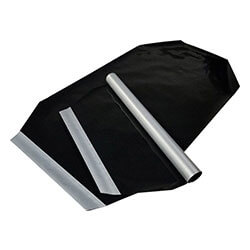
Grill & Griddle Release Sheets
PTFE-coated sheets specifically designed for clamshell griddles, contact grills, and flat-top griddles used in restaurants and QSR operations. These sheets prevent food from sticking to cooking surfaces while allowing proper heat transfer and grill marks.
- Best Uses: Burgers, paninis, grilled vegetables, sandwiches, contact-cooked items
- Key Features: PTFE/Teflon coating, equipment-specific sizing, heat-resistant to 500°F+, reusable or disposable options
- Production Capacity: Suitable for operations preparing 100-500+ grilled items daily
- Pros: Prevents sticking on high-heat surfaces, reduces cleanup time significantly, extends grill life, maintains food quality
- Cons: Requires proper sizing for equipment, may need frequent replacement in high-volume operations
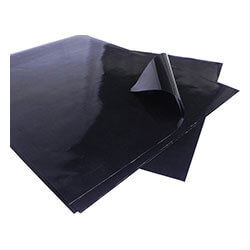
Toaster Release Sheets
Nonstick sheets designed for conveyor toaster belts and surfaces, preventing bread and pastry products from sticking during toasting operations in restaurants, bakeries, and breakfast-focused QSRs.
- Best Uses: Bread, bagels, pastries, English muffins, specialty breads
- Key Features: PTFE/Teflon coating, conveyor-compatible sizing, heat-resistant construction
- Production Capacity: Essential for operations toasting 200-1,000+ items daily
- Pros: Eliminates toast sticking, reduces jam-ups and cleaning, maintains consistent toasting quality, easy installation
- Cons: Requires equipment-specific sizing, may need daily replacement in high-volume settings
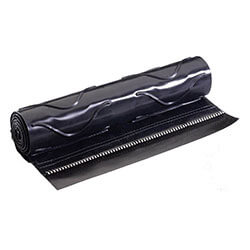
Toaster Belt Wraps
Silicone wraps designed specifically for conveyor toaster belts, providing enhanced protection and nonstick performance for high-volume toasting operations in restaurants and QSRs.
- Best Uses: Conveyor toaster belt protection, high-volume bread toasting, consistent release performance
- Key Features: Silicone construction, equipment-specific fit (Prince Castle models), heat-resistant to 500°F+, single or dual wrap options
- Production Capacity: Critical for operations toasting 500-2,000+ items daily
- Pros: Superior belt protection, prevents food buildup, extends belt life, easy installation and replacement
- Cons: Equipment-specific compatibility required, higher cost than basic sheets, requires proper belt cleaning
Oven Accessories
Specialized products designed for oven interiors and cooking processes requiring airflow management and surface protection.
Oven Baskets & Trays
PTFE-coated baskets and trays designed for high-speed ovens, convection ovens, and rapid-cook equipment used in restaurants and QSRs for crispy, evenly cooked foods.
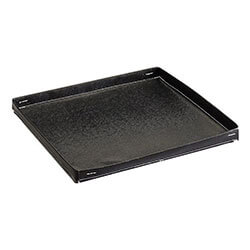
- Best Uses: French fries, chicken wings, appetizers, vegetables, frozen foods requiring crisping
- Key Features: Mesh or solid PTFE-coated construction, promotes airflow, heat-resistant to 500°F+
- Production Capacity: Critical for operations cooking 50-200 batches daily
- Pros: Improves heat circulation for crispier results, reduces oil usage, easy cleanup, promotes healthier cooking
- Cons: Requires oven-specific sizing, may limit batch sizes, initial investment higher than alternatives
Oven Liners
Full-coverage PTFE-coated liners that protect entire oven interiors in high-speed microwave ovens and rapid-cook equipment used in restaurants and QSRs.
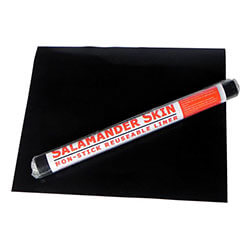
- Best Uses: Microwave-safe cooking, rapid reheating, oven-based food preparation
- Key Features: Full interior coverage, PTFE/Teflon coating, custom sizing for specific ovens
- Production Capacity: Essential for operations with continuous oven usage throughout service
- Pros: Complete interior protection, eliminates deep cleaning needs, extends oven life significantly, maintains cooking performance
- Cons: Equipment-specific fit required, higher upfront cost, may affect some oven features
Pan & Baking Liners
Flexible liners designed for baking pans, steam table pans, and general food preparation surfaces requiring nonstick protection.
Food Pan Liners
Disposable liners for steam table pans, baking sheets, and food storage containers used in restaurants, bakeries, and institutional kitchens.
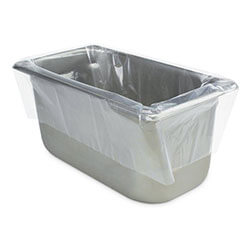
- Best Uses: Steam table food holding, baking sheet protection, food storage, transport
- Key Features: Various materials (standard, ECO-friendly), full-size to 1/6-size options, round and rectangular shapes
- Production Capacity: Suitable for operations serving 100-1,000+ meals daily
- Pros: Prevents food-to-pan sticking, simplifies cleanup, reduces cross-contamination, cost-effective for high-volume use
- Cons: Single-use design increases ongoing costs, requires proper sizing for pans
Parchment Paper & Pan Liners
Silicone or Quilon-coated paper liners and sheets for baking applications in commercial bakeries and restaurants requiring nonstick baking surfaces.
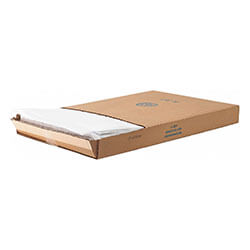
- Best Uses: Cookie sheets, cake pans, baking trays, general baking applications
- Key Features: Silicone coating, various sizes (rolls and pre-cut sheets), oven-safe to 450°F+
- Production Capacity: Essential for bakeries producing 50-500+ baked items daily
- Pros: Excellent nonstick performance, promotes even baking, easy cleanup, versatile sizing options
- Cons: May require cutting to fit, single-use increases waste, temperature limits for some applications
Product Type Comparison
| Type: | Primary Application: | Material: | Temperature Rating: | Best For: |
| Grill Release Sheets | Direct grill contact | PTFE/Teflon | 500°F+ | Restaurants, QSRs |
| Toaster Release Sheets | Conveyor surfaces | PTFE/Teflon | 400°F+ | Restaurants, bakeries |
| Toaster Belt Wraps | Belt protection | Silicone | 500°F+ | High-volume operations |
| Oven Baskets/Trays | High-speed ovens | PTFE-coated mesh | 500°F+ | Restaurants, QSRs |
| Oven Liners | Full oven interiors | PTFE/Teflon | Equipment-specific | Restaurants, QSRs |
| Food Pan Liners | Steam table pans | Various | 400°F+ | All operations |
| Parchment Paper | Baking surfaces | Silicone/Quilon | 450°F+ | Bakeries, restaurants |
Features & Accessories
Understanding technical specifications helps match release products to your operational requirements.
Material Specifications
PTFE/Teflon Coatings
- Heat Resistance: 400-500°F continuous operation
- Nonstick Performance: Low friction coefficient prevents food adhesion
- Durability: Multiple coating layers for extended service life
- FDA Compliance: Food-safe materials meet commercial standards
Silicone & Quilon Coatings
- Heat Resistance: 400-450°F for baking applications
- Flexibility: Conforms to pan shapes and contours
- Nonstick Properties: Excellent release performance for baked goods
- Environmental Options: Some products offer compostable alternatives
Size & Compatibility Specifications
Equipment-Specific Sizing
- Grill Sheets: 20"x20" to 31.5"x21" for clamshell griddles
- Toaster Sheets: 18"x20" to 33"x12.25" for conveyor belts
- Toaster Belt Wraps: Equipment-specific sizing for Prince Castle models
- Oven Baskets: 8.5"x11.5" to 14.5"x13.5" for high-speed ovens
- Pan Liners: Full-size to 1/6-size for steam table pans
Application-Specific Options
- Roll Format: Continuous feed for high-volume operations (200' rolls)
- Pre-Cut Sheets: Individual pieces for batch cooking (10-1000 packs)
- Custom Sizing: Equipment-matched dimensions for optimal coverage
Performance Characteristics
Heat Transfer & Cooking Performance
- Airflow Maintenance: Mesh designs allow proper heat circulation
- Even Cooking: Prevents hot spots and ensures consistent results
- Food Quality: Maintains texture and appearance without sticking
Durability & Maintenance
- Reusable Options: Multiple-use products for cost efficiency
- Disposable Designs: Single-use for hygiene-critical applications
- Cleaning Requirements: Water-safe, dishwasher-compatible materials
Essential Accessories
Installation Tools:
- Cutting implements for custom sizing
- Adhesive tapes for secure placement
- Storage racks for organization
Maintenance Supplies:
- Soft cleaning cloths for delicate surfaces
- Mild detergents for residue removal
- Replacement fasteners for reusable products
Selecting the Right Commercial Cooking Release Products
Matching products to your operation requires evaluating cooking methods, equipment, and production volume.
Operation Type Considerations
Restaurant Operations
- Focus Areas: Grill release sheets, oven baskets/trays, food pan liners
- Key Needs: High-heat protection, frequent cleaning, versatile applications
- Volume Considerations: 100-500 meals daily requiring multiple product types
Bakery Operations
- Focus Areas: Parchment paper, oven liners, food pan liners
- Key Needs: Baking surface protection, even heat distribution, food safety
- Volume Considerations: 200-1000+ baked items daily with specialized requirements
QSR Operations
- Focus Areas: Grill release sheets, toaster sheets, oven baskets/trays
- Key Needs: Speed of service, consistent quality, minimal downtime
- Volume Considerations: High-throughput operations with rapid equipment cycling
Production Scale Planning
Small Operation (Café, Small Restaurant, <200 servings daily):
- Grill/toaster sheets: Basic PTFE-coated options
- Oven accessories: Essential basket/tray sets
- Pan liners: Standard disposable options
Medium Operation (Restaurant, Bakery, 200-500 servings daily):
- Surface sheets: Commercial-grade reusable products
- Oven products: Full liner systems for equipment protection
- Pan liners: Bulk disposable or reusable options
Large Operation (High-Volume Restaurant/Bakery, 500+ servings daily):
- All product types: Professional-grade systems
- Custom sizing: Equipment-matched specifications
- Bulk purchasing: Cost-effective volume options
Equipment Compatibility & Integration
Grill & Griddle Matching
- Clamshell Griddles: Specific sizing for Taylor, Vulcan, Garland models
- Contact Grills: Surface-matched sheets for even coverage
- Flat-Top Griddles: Custom-cut options for various sizes
Oven System Integration
- High-Speed Ovens: Turbo Chef, Merrychef compatible baskets/liners
- Convection Ovens: Airflow-optimized tray designs
- Microwave Ovens: Full interior liner protection
Toaster Equipment Matching
- Conveyor Toasters: Belt-matched sheet dimensions and wrap compatibility
- Pop-Up Toasters: Surface protection options
- High-Volume Systems: Continuous-feed roll systems and belt wrap protection
Budget & Cost Considerations
Initial Investment
- Basic Options: $50-$200 per product type for entry-level solutions
- Commercial Grade: $200-$800 per type for professional products
- Complete Systems: $1,000-$5,000 for full operation coverage
Operating Costs
- Disposable Products: $0.05-$0.50 per use depending on type and volume
- Reusable Products: $0.01-$0.10 per use with extended service life
- Maintenance: Annual replacement costs 20-30% of initial investment
ROI Factors
- Time Savings: Reduced cleanup time allowing staff to focus on core operations
- Equipment Protection: Extends grill/oven life through surface protection
- Food Quality: Reduces waste through better release performance
- Labor Efficiency: Allows staff focus on service rather than cleaning
Safety & Compliance
Food Safety Standards
- FDA Approved Materials: All products meet food contact requirements
- Temperature Ratings: Verified for commercial cooking temperatures
- Contamination Prevention: Non-porous surfaces prevent bacterial growth
Operational Safety
- Heat Resistance: Withstands commercial cooking temperatures without degradation
- Slip Prevention: Secure placement prevents accidents during use
- Cleaning Safety: Compatible with commercial sanitizing procedures
Cooking Release Products vs Cooking Sprays
Release products and cooking sprays serve similar purposes but differ significantly in application, performance, and suitability for commercial operations.
| Aspect: | Cooking Release Products: | Cooking Sprays: |
| Application Method | Pre-applied sheets/liners | Aerosol or pump application |
| Coverage | Complete, even protection | Spot treatment, may miss areas |
| Cleanup | Minimal - remove and dispose/wash | Residue requires thorough cleaning |
| Cost per Use | $0.01-$0.50 depending on type | $0.005-$0.02 per application |
| Food Safety | No additives introduced to food | May contain oils/flavors affecting taste |
| Consistency | Reliable, professional results | Variable depending on application technique |
| Equipment Protection | Full surface coverage | Limited protection, may leave residue |
| Time Efficiency | Fast setup, minimal prep time | Requires application before each use |
| Environmental Impact | Reusable options available | Often single-use with propellant concerns |
| Best For | High-volume commercial operations | Home cooking, light commercial use |
Installation & Maintenance
Proper setup and care ensure optimal performance and maximum product life.
Installation Guidelines
Surface Release Sheets
- Verify equipment-specific sizing before installation
- Ensure clean, dry surfaces for proper adhesion
- Secure corners to prevent shifting during operation
- Test operation with empty equipment before food production
Oven Accessories
- Confirm oven model compatibility for baskets and liners
- Allow proper clearance for airflow and heat circulation
- Secure liners to prevent movement during cooking cycles
- Test temperature performance before regular use
Pan Liners
- Select appropriate size for pan dimensions
- Ensure smooth placement without wrinkles or gaps
- Verify oven-safe temperature ratings for baking applications
- Test release performance with initial batches
Care Schedule
| Task: | Frequency: | Notes: |
| Surface Cleaning | After each use | Wipe with damp cloth and mild detergent |
| Deep Cleaning | Daily/weekly | Remove and wash reusable products thoroughly |
| Inspection | Weekly | Check for wear, tears, or coating degradation |
| Replacement | As needed | Replace when nonstick performance diminishes |
| Storage | Daily | Keep in clean, dry location away from heat sources |
Troubleshooting Common Issues
Poor Release Performance:
- Check surface cleanliness before application
- Verify correct product type for cooking method
- Ensure proper temperature ranges are maintained
- Replace worn or damaged products
Product Slippage:
- Use appropriate adhesives for secure placement
- Verify correct sizing for equipment dimensions
- Check for residue buildup on equipment surfaces
- Ensure products are applied to clean, dry surfaces
Inconsistent Results:
- Confirm product compatibility with cooking temperatures
- Check for proper airflow around products
- Verify correct application techniques
- Test with small batches before full production
Frequently Asked Questions
Which release products are best for high-volume restaurant operations?
Restaurants typically need grill release sheets, oven baskets/trays, and food pan liners. Focus on reusable PTFE-coated products that withstand frequent use and provide consistent performance across busy service periods.
Can release products be used in commercial ovens?
Yes, oven-specific products like baskets, trays, and liners are designed for commercial oven use. They maintain airflow, protect surfaces, and ensure even cooking while withstanding high temperatures.
How often should release products be replaced?
Replacement frequency varies by product type and usage. Grill/toaster sheets may need daily replacement in high-volume operations, while oven liners can last months with proper care. Monitor performance and replace when nonstick properties diminish.
Are release products food-safe and FDA approved?
Yes, commercial release products use FDA-approved materials like PTFE/Teflon and silicone coatings that are safe for food contact and meet commercial foodservice standards.
What size release products do I need for my equipment?
Always match product dimensions to your specific equipment. Grill sheets, toaster sheets, and oven liners require equipment-specific sizing for proper coverage and performance.
Can release products reduce cooking oil usage?
Yes, oven baskets and trays promote natural airflow and prevent food from sticking, which can reduce the need for additional fats during cooking.
Are there eco-friendly release product options?
Yes, many pan liners and parchment papers offer compostable or recycled material options. Some products are designed for commercial composting programs.
How do I choose between reusable and disposable release products?
Reusable products suit high-volume operations where cost savings and environmental benefits are priorities. Disposable options work best for hygiene-critical applications or when cleaning time is limited.
Do release products affect cooking temperatures or times?
Properly selected release products have minimal impact on cooking performance. Oven baskets and trays may actually improve heat circulation for better results.
Shop Commercial Cooking Release Products
Featured Product Categories
[Grill & Griddle Release Sheets] - Nonstick protection for clamshell griddles and contact grills in restaurant operations
[Toaster Release Sheets] - Essential protection for conveyor toaster belts and surfaces
[Oven Baskets & Trays] - Airflow-optimized accessories for high-speed and convection ovens
[Oven Liners] - Complete interior protection for commercial ovens
[Food Pan Liners] - Disposable liners for steam table pans and baking sheets
[Parchment Paper & Pan Liners] - Silicone-coated liners for baking and general kitchen use
Shop by Operation Type
[Cooking Equipment] - Complete commercial cooking equipment for restaurants and foodservice operations
[Commercial Grills] - Professional grills requiring release sheet protection
[Commercial Ovens] - Oven systems compatible with baskets, trays, and liners
[Bakery Equipment] - Specialized equipment for commercial baking operations
Related Equipment & Resources
Complete your commercial kitchen setup with these essential resources for cooking operations.
[Commercial Griddle Buying Guide] - Comprehensive guide to selecting commercial griddles that work with release sheets.
[Cooking Equipment Parts & Accessories] - Essential accessories and replacement parts for cooking equipment.
[Food Preparation Equipment] - Professional equipment for food prep and cooking operations.
[Commercial Dishwashing Equipment] - Cleaning systems for maintaining release product effectiveness.
[Kitchen Supplies & Utensils] - Essential tools and supplies for professional kitchen operations.
Need assistance selecting the right cooking release products for your operation? Our foodservice experts provide personalized recommendations based on your menu requirements, equipment specifications, and operational volume. Contact our team for detailed product consultations.
Share This!