Types of Pizza
Table of Contents
Six iconic pizza styles explained - what defines each one, where it came from, and how to make it the right way
Pizza is one of those rare foods that means something completely different depending on where you are. Order a pizza in New York and you get a massive, foldable slice dripping with cheese. Order one in Chicago and you get what looks more like a casserole in a deep pan. Fly to Naples and the pizza arrives blistered, soft, and barely bigger than a dinner plate.
Every region that fell in love with pizza put its own stamp on it - different crusts, different sauces, different cheese, different ovens. What started as a simple flatbread with toppings in southern Italy became dozens of distinct styles across the United States and around the world. Some styles prioritize the crust. Others are all about the toppings. A few break every rule the others follow.
Understanding these differences matters whether you eat pizza or make it. For operators, the style you serve determines every equipment decision - from the type of oven in your kitchen to the pans on your prep line. For home cooks and pizza enthusiasts, knowing what separates a true Neapolitan from a New York slice makes you a better eater and a better cook.
Here are six of the most popular and distinctive pizza styles, what makes each one unique, and the techniques and tools behind them.
Pizza Style Comparison
Before diving into each style, here is a side-by-side look at what sets them apart.
| Style: | Crust Type: | Thickness: | Sauce: | Cheese: | Typical Toppings: | Origin: | Pan/Oven Type: |
| Sicilian | Focaccia-like, airy | Thick (1-1.5 in) | Thick tomato, on top | Mozzarella, pecorino | Anchovies, onions, herbs, breadcrumbs | Sicily, Italy | Rectangular sheet pan |
| Neapolitan | Soft, charred, puffy rim | Thin center, raised edge | San Marzano tomatoes | Fresh mozzarella | Basil, olive oil, minimal toppings | Naples, Italy | Wood-fired dome oven (900 F+) |
| Chicago Deep Dish | Buttery, flaky, tall sides | Very thick (2-3 in) | Chunky tomato on top | Mozzarella on bottom | Sausage, peppers, onions, mushrooms | Chicago, IL | Deep round cast iron or steel pan |
| Greek | Spongy, oily, chewy | Medium-thick | Light or no tomato sauce | Feta and mozzarella blend | Olives, peppers, onions, tomatoes | Greek-American (Northeast US) | Oiled round pan |
| New York | Hand-tossed, foldable | Thin, wide slices | Smooth tomato sauce | Low-moisture mozzarella | Pepperoni, sausage, mushrooms, peppers | New York City, NY | Screen or deck oven stone |
| Californian | Thin, crispy, artisan | Thin | Varies widely | Varies (goat cheese, fontina) | Smoked salmon, arugula, figs, BBQ chicken | California | Perforated pan or pizza stone |
Sicilian Pizza
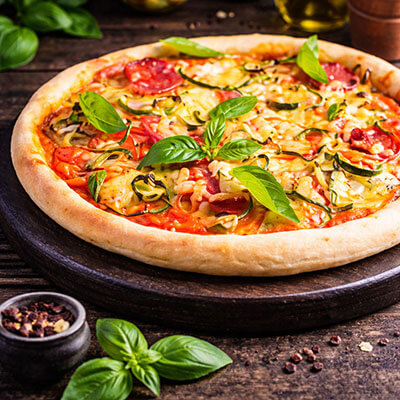
Sicilian pizza traces its roots to the island of Sicily, where it developed as a thick, hearty street food called sfincione. Italian immigrants brought the style to the United States in the early 1900s, and it became a staple of pizzerias across the Northeast - particularly in New York and New Jersey. The American version evolved over time, but the defining feature remained the same: a thick, spongy, rectangular crust that is closer to focaccia bread than anything you would call a traditional pizza base.
What makes Sicilian pizza different starts with the dough. It uses a high-hydration recipe with generous olive oil, which creates an airy interior with a crispy golden bottom. The dough gets pressed into a rectangular sheet pan and left to proof until it nearly doubles in size. That long rise is what gives the crust its signature pillowy texture. Toppings go on thick - a robust tomato sauce, a heavy layer of mozzarella or a blend of mozzarella and pecorino romano, and traditional garnishes like anchovies, onions, oregano, and toasted breadcrumbs.
The baking process is straightforward but relies on the right equipment. Sicilian pizza needs a heavy-gauge rectangular pizza pan that can handle high oven temperatures without warping. Most operators bake it at 450 to 500 degrees in a standard deck or convection oven. The pan gets oiled generously before the dough goes in, which is what creates that irresistible fried-bottom effect. Each rectangular pie typically gets cut into square slices - no triangles here.
Neapolitan Pizza
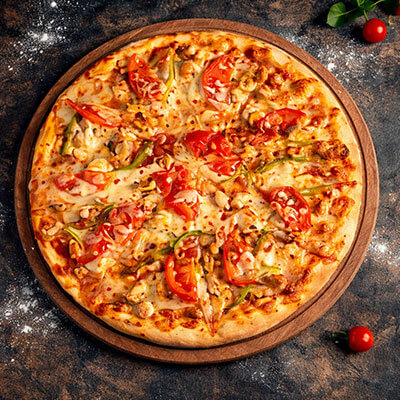
Neapolitan pizza is the original. It comes from Naples, Italy, where it has been made in essentially the same way since the 18th century. The Associazione Verace Pizza Napoletana (VPN) maintains strict guidelines for what qualifies as a true Neapolitan pizza - everything from the type of flour to the oven temperature to the exact diameter of the finished pie. It is the most regulated pizza style in the world, and that precision is what makes it so distinctive.
The crust is the star. Neapolitan dough uses only flour, water, salt, and yeast - no oil, no sugar. It ferments for 8 to 24 hours, developing complex flavor and a supple texture. The dough gets stretched by hand (never rolled with a pin) into a thin round with a puffy, raised cornicione (the outer edge). Toppings are minimal: crushed San Marzano tomatoes, fresh mozzarella di bufala or fior di latte, fresh basil, and a drizzle of extra-virgin olive oil. The classic Margherita uses just those four ingredients.
What truly defines Neapolitan pizza is the oven. Traditional pizzerias use a wood-fired dome oven that reaches 800 to 900 degrees Fahrenheit. At that temperature, a pizza cooks in 60 to 90 seconds. The intense heat creates the characteristic leopard-spotted char on the crust while keeping the center soft and slightly wet. For operators building a Neapolitan program, commercial pizza ovens designed for high-heat output are essential. A dough docker helps manage air bubbles during stretching, and a quality pizza peel is non-negotiable for launching pies into a hot oven and retrieving them quickly.
Chicago-Style Deep Dish Pizza
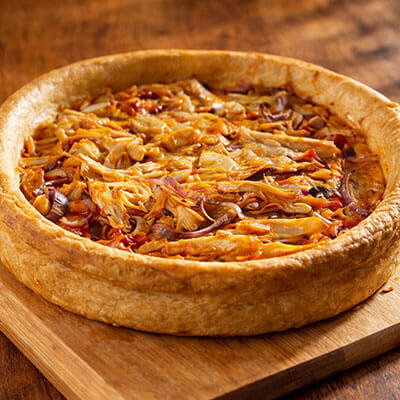
Chicago deep dish pizza is the style that sparks the most debate. Is it pizza? Is it a casserole? Chicagoans do not care what you call it - they just know it is delicious. The style was invented in 1943 at Pizzeria Uno in Chicago, and it turned every convention about pizza completely upside down. Literally. In a deep dish pizza, the usual layer order is reversed: cheese goes on the bottom, toppings go in the middle, and a thick layer of chunky tomato sauce sits right on top.
The crust is what makes the architecture work. Deep dish dough contains butter or oil (sometimes both), which gives it a rich, almost pastry-like quality. It gets pressed into a deep round pan - typically 2 to 3 inches tall - and pushed up the sides to create a bowl. That bowl holds an enormous amount of filling. A layer of sliced mozzarella goes directly on the dough, followed by cooked Italian sausage, peppers, onions, mushrooms, or whatever fillings the recipe calls for. Then the whole thing gets blanketed with a thick, chunky tomato sauce made from crushed tomatoes.
Deep dish pizza bakes at a lower temperature than most styles - around 375 to 425 degrees - because it needs 25 to 35 minutes in the oven for all those layers to cook through without burning the crust. The pan is critical. Operators use heavy-gauge deep pizza pans - often seasoned cast iron or dark steel - that conduct heat evenly and release the pie cleanly. The deep sides and heavy construction are what separate a proper deep dish pan from a standard round. Some pizzerias oil or butter the pan before pressing in the dough, adding even more richness to the finished crust.
Greek Pizza
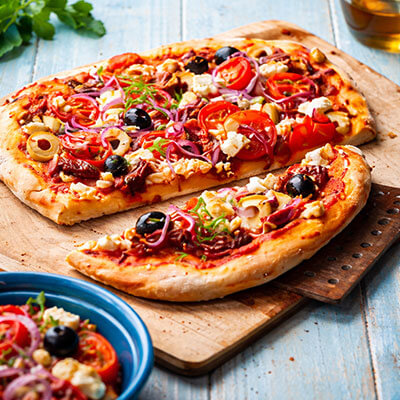
Greek pizza is one of those styles that most people have eaten without realizing it has a name. It developed in Greek-American pizzerias across the northeastern United States - particularly in Massachusetts, Connecticut, and Rhode Island - starting in the 1960s and 1970s. Greek immigrants who opened pizza shops adapted the Italian-American model to their own culinary traditions, and the result was a pizza style that is fundamentally different from anything coming out of an Italian-style pizzeria.
The crust is the giveaway. Greek pizza dough gets proofed directly in a well-oiled pan, usually a round aluminum or steel pan with low sides. The generous oil creates a fried effect on the bottom and edges of the crust, giving it a spongy, chewy, almost bread-like texture with a golden crispy exterior. The dough itself tends to be thicker than New York style but thinner than Sicilian - a medium-weight crust with serious chew.
What sits on top is where Greek pizza really diverges. Many versions use little to no traditional tomato sauce, opting instead for a light coating of olive oil or a tangy, herb-forward sauce. The cheese is typically a blend of feta and mozzarella - or sometimes just a thick layer of a cheddar-mozzarella mix that gets bubbly and golden. Toppings lean Mediterranean: Kalamata olives, roasted red peppers, red onions, sliced tomatoes, artichoke hearts, spinach, and crumbled feta. The whole pie has a richer, oilier character than most American pizza styles. For operators, the key equipment is a set of sturdy oiled pans and dough proofing pans that allow the dough to rise properly before baking.
New York Pizza
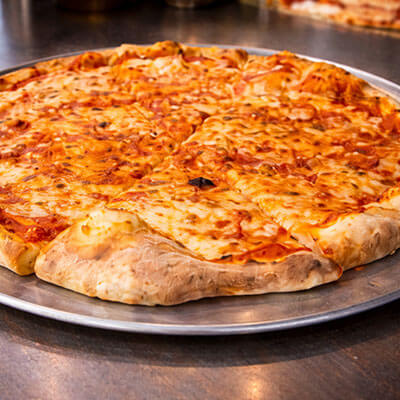
New York pizza is arguably the most iconic pizza style in America. It arrived with Italian immigrants in the early 1900s and evolved into something distinctly its own over the following century. The first pizzeria in America - Lombardi's - opened in Manhattan in 1905, and the style it helped create became the template for what most Americans picture when they hear the word pizza: big, thin, hand-tossed, foldable, and available by the slice.
The crust is hand-tossed (never rolled), thin, and sturdy enough to support a generous load of toppings without going limp. New York dough typically includes a small amount of oil or sugar, which gives it a slightly different flavor and texture than Neapolitan dough. The key technique is the fold - a proper New York slice is large enough that you fold it in half lengthwise and eat it with one hand. If the slice cannot hold its shape when folded, something went wrong with the dough or the bake.
New York pizza uses low-moisture mozzarella, which is drier and more elastic than the fresh mozzarella found on a Neapolitan pie. This cheese melts into a smooth, stretchy layer that browns evenly and does not release excess water onto the crust. The sauce is cooked and seasoned - a smooth tomato sauce with garlic, oregano, and sometimes a pinch of sugar to balance acidity. Slices come big, usually cut into 8 pieces from an 18-inch pie.
The classic New York pizza oven is a gas-fired deck oven that holds temperatures around 550 to 600 degrees. Pies bake directly on a stone deck for 8 to 12 minutes, producing a crispy bottom with a tender interior. Operators rely on pizza peels to slide pies in and out, and many use screens or pizza tools to manage multiple pies at once. A wooden cutting board is essential for slicing and serving.
Californian Pizza
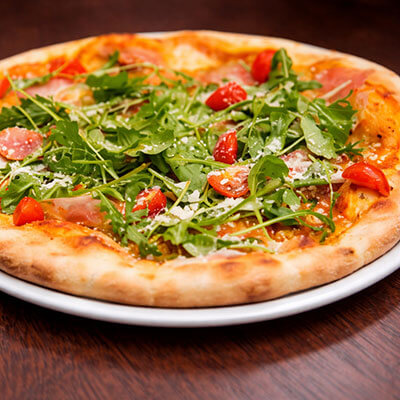
Californian pizza is the rebel of the pizza world. It emerged in the 1980s at restaurants like Chez Panisse in Berkeley and Spago in Los Angeles, where chefs like Alice Waters and Wolfgang Puck started treating pizza as a canvas for creative, non-traditional toppings. Instead of following the rules laid down by Italian and East Coast traditions, California-style pizza threw the rulebook out entirely and asked a different question: what if you could put anything on a pizza?
The crust is thin and crispy - closer to a cracker than to bread. It is meant to be a vehicle for the toppings, not the main attraction. California pizza dough is typically rolled thin, sometimes brushed with olive oil, and baked until it develops a light crunch. The crust stays neutral so it does not compete with whatever inventive combination sits on top.
And those toppings are where California pizza earns its reputation. Smoked salmon with cream cheese and capers. BBQ chicken with red onion and cilantro. Goat cheese with sun-dried tomatoes and arugula. Fig and prosciutto with gorgonzola. Roasted beet with walnut pesto. Thai peanut chicken. The style borrows from every cuisine and follows no traditional topping rules. Sauces range from classic tomato to pesto to white sauce to no sauce at all. Cheeses go well beyond mozzarella - goat cheese, fontina, gruyere, and ricotta are all common.
For operators, Californian pizza works well with perforated pizza pans that allow airflow under the crust for maximum crispness. A standard convection or deck oven at 475 to 525 degrees handles the thin crust efficiently. The focus shifts from specialized pizza equipment to quality food preparation tools for prepping the wide variety of toppings that define this style.
Great pizza - regardless of style - starts with great dough. Every style in this guide uses some variation of the same four core ingredients: flour, water, salt, and yeast. The differences come down to ratios, technique, and time.
Flour is the foundation. Most pizza dough uses high-protein bread flour or Italian-style 00 flour. Higher protein means more gluten development, which gives the dough elasticity and chew. Neapolitan pizzerias swear by 00 flour for its fine grind and soft texture. New York shops often use high-gluten bread flour for a sturdier crust.
Hydration - the ratio of water to flour - is one of the biggest variables. Low-hydration doughs (55 to 60 percent) produce a denser, crispier crust that holds its shape well. High-hydration doughs (65 to 75 percent) create an airier, more open crumb with bigger bubbles. Sicilian and focaccia-style crusts tend toward higher hydration. New York and Californian crusts stay on the lower end.
Fermentation is where flavor develops. A quick rise (2 to 4 hours at room temperature) gets the job done but produces a relatively bland dough. A cold ferment in the refrigerator for 24 to 72 hours develops complex, slightly tangy flavors that no amount of seasoning can replicate. Most serious pizzerias cold-ferment their dough for at least 24 hours.
Proofing is the final rise before baking, and it is especially important for pan styles like Sicilian, Greek, and deep dish. The dough needs to relax and expand in the pan so it fills the corners and develops the right thickness. Rushing this step produces a dense, tough crust. Proper dough proofing pans help maintain consistent temperature and humidity during this critical stage.
| Dough Element: | What It Affects: | Low Range: | High Range: | Best For: |
| Hydration | Crumb openness, crispness | 55-60% | 70-75% | Low: NY, CA / High: Sicilian, Greek |
| Fermentation time | Flavor complexity | 2-4 hours (room temp) | 24-72 hours (cold) | Longer is almost always better |
| Protein content | Gluten strength, chew | 10-11% (AP flour) | 13-14% (high-gluten) | High: NY, deep dish / Low: Neapolitan |
| Fat content | Richness, tenderness | 0% (Neapolitan) | 5-8% (deep dish) | More fat = richer, shorter crumb |
| Salt | Flavor, fermentation speed | 1.5% of flour weight | 3% of flour weight | 2-2.5% is the sweet spot |
Choosing the Right Equipment for Your Pizza Style
The pizza style you want to make dictates the equipment you need. A wood-fired oven that is perfect for Neapolitan pizza would be completely wrong for a Chicago deep dish, and a deep cast iron pan built for deep dish would be useless for a New York slice. Here is a breakdown of what each style demands.
High-heat ovens are essential for Neapolitan and New York styles. Neapolitan pizza needs 800 to 900 degrees - achievable only in a dedicated pizza oven designed for extreme temperatures. New York pizza works well in a deck oven at 550 to 600 degrees. Both styles bake directly on a stone surface, so a quality oven with good heat retention is key.
Standard ovens work for Sicilian, Greek, deep dish, and Californian styles. These pizzas bake in pans at 375 to 525 degrees, which is well within the range of a standard commercial oven. Convection ovens are particularly good for pan pizzas because the circulating air promotes even browning.
Pans vary dramatically by style. Sicilian pizza uses rectangular sheet pans. Deep dish requires deep round pans with 2 to 3 inch sides. Greek pizza uses oiled round pans. Californian pizza benefits from perforated pans. Having the right pizza pan for your style is not optional - it is what gives each pizza its characteristic shape, crust texture, and bake.
Peels, dockers, and tools round out the toolkit. Pizza peels are necessary for any style baked directly on a stone. Dough dockers prevent unwanted bubbles during baking. And a comprehensive set of pizza tools - from cutters to serving spatulas - keeps operations running smoothly no matter what style you serve.
For a complete breakdown of commercial pizza equipment, see the Commercial Pizza Ovens and Equipment Guide.
Frequently Asked Questions
What are the most popular types of pizza in the United States?
The most popular types of pizza in the United States are New York style, Chicago deep dish, Neapolitan, Sicilian, and Californian. New York style dominates the East Coast and much of the country, while Chicago deep dish is a regional specialty with national recognition. Neapolitan has surged in popularity with the rise of artisan pizzerias, and Californian-style pizza appeals to diners who want creative, non-traditional toppings.
What is a Sicilian pizza?
Sicilian pizza is a thick, rectangular pizza with a spongy, focaccia-like crust. It originated in Sicily, Italy, as a street food called sfincione and was brought to the United States by Italian immigrants. The dough is high-hydration and proofed in an oiled rectangular pan, producing a crust that is airy on the inside and crispy on the bottom. Traditional toppings include thick tomato sauce, mozzarella, anchovies, onions, and breadcrumbs.
What is pan pizza?
Pan pizza refers to any pizza style where the dough is baked inside a pan rather than directly on a stone or oven deck. Chicago deep dish, Sicilian, and Greek pizza are all forms of pan pizza. The pan gives the crust its shape and creates a different texture than oven-baked styles - usually crispier on the outside with a softer interior. The oil or butter used to coat the pan also adds flavor and prevents sticking.
What is the difference between Chicago deep dish and New York pizza?
The two styles differ in almost every way. New York pizza is thin, wide, foldable, and baked directly on a stone deck at high temperatures for 8 to 12 minutes. Chicago deep dish is thick, built in a deep pan with tall sides, and baked at lower temperatures for 25 to 35 minutes. New York pizza layers sauce on the dough, then cheese on top. Chicago deep dish reverses this - cheese goes directly on the dough, toppings go in the middle, and sauce sits on the very top. The crusts are also different: New York is hand-tossed and chewy, while deep dish is buttery and flaky.
What does pizza pie mean?
The term "pizza pie" comes from the Italian word "pizza," which some linguists trace to words meaning "a point" or "to pluck." When Italian immigrants brought pizza to America in the early 1900s, the round, sliceable format reminded Americans of a pie - hence "pizza pie." The term is used most commonly in the northeastern United States and is essentially just another way of saying pizza. In some contexts, it specifically refers to a whole pizza rather than individual slices.
What makes Neapolitan pizza different from other styles?
Neapolitan pizza stands apart because of its strict simplicity. The dough uses only flour, water, salt, and yeast - no oil or sugar. It is cooked in a wood-fired oven at 800 to 900 degrees for just 60 to 90 seconds, which creates a soft, charred crust with a puffy rim. Toppings are minimal - the classic Margherita uses only San Marzano tomatoes, fresh mozzarella, basil, and olive oil. The Associazione Verace Pizza Napoletana certifies pizzerias worldwide that meet its production standards, making Neapolitan the most formally regulated pizza style.
Can you make restaurant-quality pizza at home?
Yes, but the style you choose determines how close you can get. New York and Californian styles translate well to home ovens because they bake at 475 to 550 degrees - temperatures most home ovens reach. Sicilian and Greek styles work even better at home because they bake in pans at moderate temperatures. Chicago deep dish is also very home-friendly. Neapolitan is the hardest to replicate because it traditionally requires oven temperatures of 800 degrees or higher, though countertop pizza ovens designed for home use have made it much more accessible.
Related Resources
- Commercial Pizza Ovens and Equipment Guide - A comprehensive guide covering every type of commercial pizza oven, essential accessories, and how to match equipment to your menu and volume.
- Pizza Pans - Round, rectangular, deep dish, and perforated pizza pans for every style covered in this guide.
- Pizza Peels - Wood and aluminum peels for loading and retrieving pizzas from deck and stone ovens.
- Pizza Dough Dockers - Dock rollers that prevent air bubbles and ensure even baking across the entire crust.
- Pizza Dough Pans and Proofing Boxes - Proofing containers that maintain consistent conditions for cold-fermented and pan-proofed doughs.
- Pizza Tools and Accessories - Cutters, servers, screens, stones, and everything else needed to run a pizza program.
Share This!