The Pros and Cons of Open Kitchen Restaurants
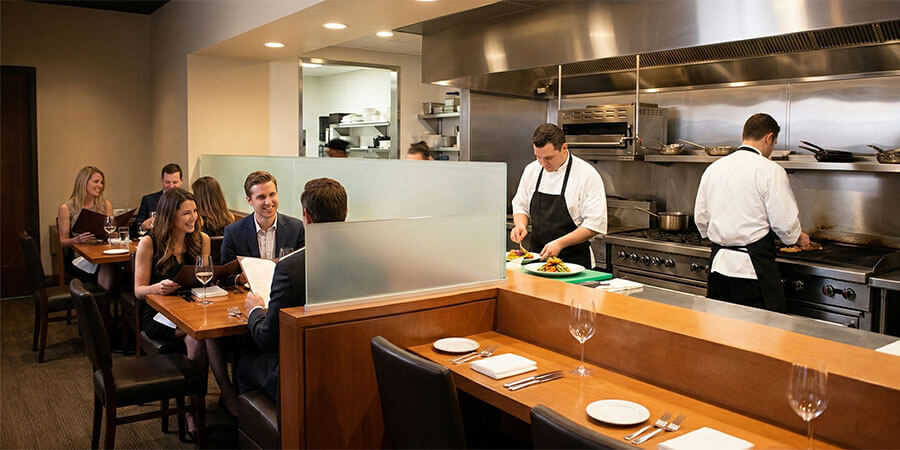
Table of Contents
Decide if an open kitchen concept fits your operation - and how to avoid the noise, heat, and mess traps
For many concepts, opening the kitchen builds trust, boosts dining-room energy, and tightens team communication - but it also raises the bar on cleanliness, noise control, and line layout. This guide breaks down the practical pros and cons of open kitchen restaurants, what a live kitchen really means operationally, and how to design the concept so it improves the guest experience instead of creating new problems.
In practical terms, an open kitchen restaurant (sometimes called an open kitchen concept or live kitchen) gives guests direct visibility into some or all of food preparation. In the right concept, that visibility adds energy and confidence. In the wrong concept, it amplifies every weakness - from clutter and noise to awkward workflow and inconsistent service.
The key is treating an open kitchen as an operational system, not a design trend. You are choosing what guests will notice, how sound and heat move through the room, how staff communicate across the pass, and how quickly your team can reset the space during a rush.
What an Open Kitchen Restaurant Means (Concept and Layout Basics)
An open kitchen means guests have a direct line of sight into the production area - the cook line, expo window, or prep stations. Some restaurants open the entire kitchen to view. Others expose only the most controlled parts: plating, pizza ovens, a grill, or a chef counter.
You may also see this called an open kitchen restaurant concept or an open concept kitchen restaurant. In practice, the goal is the same: make production visible without letting operational friction become the guest's main impression.
A live kitchen is not the same thing as an open-plan restaurant. An open-plan restaurant usually describes the dining room layout - fewer walls, more shared space. A live kitchen describes the guest-facing element of production. You can have one without the other.
When you evaluate the concept, be specific about what you want guests to see:
- Show kitchens highlight the most visual cooking and plating.
- Chef counters put guests close to the pass for an interactive experience.
- Partial visibility keeps dish and prep chaos hidden while still creating transparency.
If you are working with limited square footage, the open concept can also influence equipment selection and footprint decisions. This is especially true in small builds where the line and dining room share the same air and sound. A practical companion read is No Space? No Problem: How To Choose The Right Equipment For Your Small Commercial Kitchen.
The Biggest Pros of Open Kitchens
The benefits are real - but only if the kitchen can consistently execute at the standard guests will see.
Transparency and Trust
Guests feel more confident when they can see the process. When the line looks organized and clean, it signals professionalism. If you serve guests with food allergies or special requests, the open line can also reinforce the idea that you take procedures seriously - as long as you actually do.
A More Memorable Guest Experience
Cooking is inherently engaging. Flames, plating, and fast teamwork are part of the show. If your concept benefits from energy and theater, the open kitchen can become a differentiator without requiring entertainment programming.
Faster Feedback Loops
In a closed kitchen, the team often learns guest reactions indirectly - through servers or ticket notes. In an open kitchen, the team can see pacing, congestion, and guest reactions in real time. That visibility can improve execution, but only if the kitchen stays focused (more on that in the cons).
Communication Between Front and Back of House
When the pass is visible and staff can make eye contact, coordination can improve. A well-run expo station in an open kitchen reduces order confusion and creates cleaner handoffs.
The Biggest Cons (and Why They Surprise Operators)
The drawbacks are not just aesthetic - they are operational.
Noise Becomes a Dining Room Problem
Open kitchens increase perceived noise. You will hear ticket printers, ventilation, dish clatter, and staff callouts. Even if sound levels are technically acceptable, the dining experience can suffer if guests struggle to talk.
Noise management is a design and behavior problem:
- Design (surfaces, ceilings, upholstery, layout) determines how sound reflects.
- Behavior (callouts, music levels, dish handling) determines how loud the room feels.
Low-cost fixes can make a noticeable difference before a full remodel:
- Use rubber mats and soft landing surfaces at dish drop points.
- Move ticket printers and buzzy small equipment away from guest-facing edges.
- Standardize short, low-volume callouts at the pass during rushes.
- Use soft materials where possible (booths, acoustic panels, fabric treatments).
- Keep background music below the volume of normal table conversation.
Your furniture choices play a real role here. Booths, upholstered seating, and soft finishes can dampen sound compared to all-hard-surface rooms. The Restaurant Seating Layout Design: Complete Planning Guide covers layout and traffic flow decisions that also affect sound.
Smells and Heat Travel Further
When cooking is visible, it is also present. Some aromas sell the experience; others overwhelm it. More importantly, heat and smoke management becomes harder because you are sharing air between kitchen and dining room.
If your concept includes heavy frying, high-heat grilling, or frequent searing, you need a ventilation approach that keeps the dining room comfortable. The open kitchen does not change basic ventilation needs - it changes how unforgiving the guest experience becomes when those needs are not met.
Treat comfort as an operating metric, not just a design preference. If guests consistently feel heat near certain tables, smell fryer oil in non-bar zones, or leave doors propped open to cool the room, your airflow strategy needs adjustment.
Cleanliness Has No Off Stage
Every kitchen gets messy. In an open kitchen, guests see it.
That does not mean the kitchen must be spotless every second - but it does mean you need a reset rhythm that prevents clutter from becoming the dominant visual. If you want a practical framework for daily habits that reduce risk, Food Safety Tips for Commercial Kitchens: What Your Staff Should Do Every Shift complements the open kitchen concept well.
A practical reset rhythm can be simple: 60-90 second station resets every 20-30 minutes, plus a full visual reset at shift handoff. Assign ownership by station so cleanup is not "everyone's job" and therefore no one's job.
Staff Can Get Distracted
Some teams thrive under visibility. Others lose focus.
If the line is close to guests, staff may slow down, get self-conscious, or engage with diners at the wrong moments. That is a leadership and training issue, not a character flaw.
Not Every Menu Looks Good in Public
Some food is visually compelling. Some production is repetitive, messy, or unappealing. If your main cooking process looks like "drop item into fryer," an open kitchen may not add value.
Open Kitchen Fit Scorecard (Use This Before You Remodel)
Use this table to pressure-test your concept. If you see multiple "risky" boxes, you do not need to abandon the idea - you may need a partial-view design instead.
| Factor: | Strong Fit: | Risky Fit: | Practical Mitigation: |
| Menu visuals | Plating, fire, fresh prep | Mostly reheating or fryer-only | Expose plating, hide prep and dish |
| Ventilation | Strong capture, comfortable dining | Heat/smoke drifts into dining room | Upgrade hood capture and airflow balance |
| Noise | Soft finishes, controlled callouts | Hard surfaces and loud equipment | Add acoustic surfaces + change staff habits |
| Service model | Clear expo and pass flow | Pass is a bottleneck | Dedicated expo + staging for runners |
| Staffing | Calm, trained, consistent | High turnover or low training time | Standardized stations and checklists |
| Cleaning rhythm | Frequent micro-resets | Clutter builds during rush | Assign reset responsibilities by station |
| Dish flow visibility | Dish handling stays out of guest sightlines | Dish pit chaos visible from tables | Screen dish zone and reroute bussing paths |
| Back-up storage access | Restocking happens off-stage | Frequent restocking crosses dining-room sightlines | Add undercounter backups and timed restock windows |
How to Design an Open Kitchen Restaurant Concept That Actually Works
This is where most open kitchen projects succeed or fail.
Choose What Guests See
Expose the best 20%. Hide the rest. Many operators assume the choice is "open" or "closed." In practice, you can design a view that showcases what is attractive while keeping dish, storage, and prep mess out of sight.
Build the Pass Like a System
The pass is the interface between kitchen and dining room. In an open kitchen, it is also part of the visual experience.
Make the pass predictable:
- One clear place for finished plates
- Dedicated landing space for runners
- Tools staged so staff are not digging through drawers in view
- One-way runner traffic during rushes whenever possible
- A separate staging point for problem plates and remakes
Separate Guest Traffic from Production Shortcuts
When guest paths and kitchen shortcuts overlap, service slows and the room feels chaotic. Keep host routes, server cut-throughs, and guest walk paths distinct from production movement.
Simple layout rules help:
- Keep bussing routes behind or beside sightlines, not through them.
- Avoid placing service stations where guests queue or pause.
- Keep high-frequency restock items closer to the line to reduce crossings.
Treat Sound as a Design Input
If you are using hard floors, hard tables, and bare ceilings, the room will be loud. Plan for sound absorption early - it is much harder to retrofit.
Align Equipment to the Concept
If you are building or remodeling, your equipment plan should match the workflow you want visible. The New Restaurant Kitchen Equipment: Complete Startup Guide is helpful for thinking in systems rather than buying items one at a time.
Operational Readiness Checklist Before You Commit
Use this table during planning meetings so the concept decision stays practical.
| Readiness Check: | Minimum Standard: | Why It Matters: |
| Station reset standard | Timed reset rhythm with named owners | Prevents visible clutter buildup |
| Pass workflow | Defined handoff points and runner routes | Reduces bottlenecks and confusion |
| Sound plan | At least 3 concrete noise controls in place | Protects guest conversation quality |
| Ventilation comfort | No persistent heat/smell complaints by zone | Prevents avoidable guest friction |
| Training consistency | New staff can run service sequence unaided | Keeps visibility from becoming distraction |
When an Open Kitchen Is the Right Move
An open kitchen is usually a strong fit when:
- Your concept benefits from energy and visual cooking
- Your team can keep stations organized under pressure
- You can manage ventilation and comfort in the dining room
- Your service model is built around a clean pass and fast handoffs
If you want the benefits without the full risk, partial visibility is often the simplest win: expose the pass or a show station, but keep dish and storage out of sight.
Frequently Asked Questions
What is an open kitchen restaurant?
An open kitchen restaurant is a concept where guests can see some or all of the food preparation and cooking process from the dining room. Some restaurants expose the full line, while others show only a controlled area like the pass, a grill station, or a chef counter.
Is an open kitchen more sanitary?
An open kitchen is not automatically more sanitary - it is just more visible. The concept can encourage better habits because everything is in view, but sanitation still depends on procedures: handwashing, surface cleaning, temperature control, and a consistent reset rhythm throughout service.
What are the disadvantages of an open kitchen?
The most common disadvantages are higher perceived noise, more heat and odors in the dining room, and the fact that clutter or mess is visible to guests. Open kitchens can also distract staff if training and leadership are not strong.
Does an open kitchen make a restaurant louder?
Usually, yes. Kitchens generate constant sound from ventilation, callouts, dish handling, and equipment. In an open concept, that sound enters the dining room directly. Soft finishes and good layout decisions can reduce the impact, but you should assume noise management will be part of the project.
What does "live kitchen" mean?
A live kitchen generally means guests can watch food being cooked or finished in real time. It is often used interchangeably with open kitchen, but it can also describe a smaller show station (like a grill or pizza oven) even when the rest of the kitchen is closed.
How do you design an open kitchen concept in a restaurant?
Start by choosing what guests will see (pass, show station, or full line). Then design a clean pass with clear landing zones, plan ventilation so heat and smoke stay controlled, and treat sound as a design requirement by using absorption and spacing instead of only hard surfaces.
What is an open plan restaurant vs an open kitchen restaurant?
An open plan restaurant describes the overall room layout with fewer walls and more shared space. An open kitchen restaurant specifically means guests can see food preparation and cooking. A concept can be open plan without showing the kitchen, and it can show the kitchen without fully open-plan dining-room design.
Related Resources
- Restaurant Seating Layout Design: Complete Planning Guide - Layout, traffic flow, and comfort decisions that affect guest experience
- New Restaurant Kitchen Equipment: Complete Startup Guide - Systems-first equipment planning for new builds and remodels
- Food Safety Tips for Commercial Kitchens - Daily habits that reduce risk and improve consistency
Share This!