Easter Restaurant Marketing Ideas
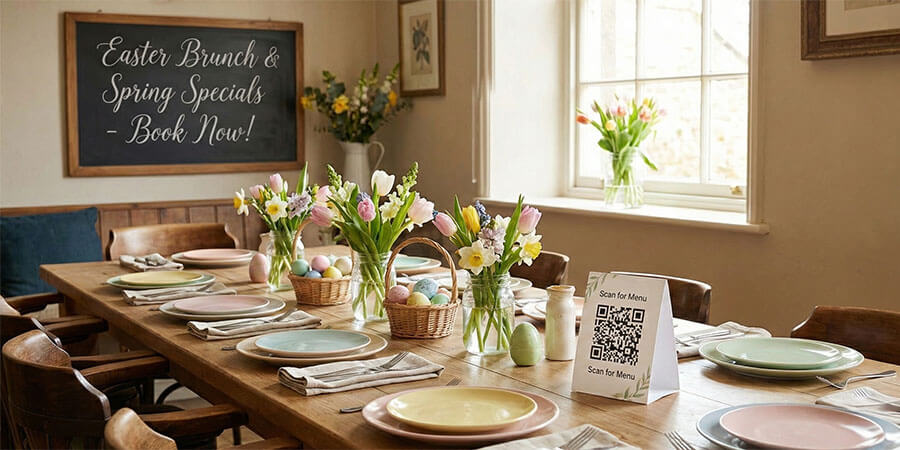
Table of Contents
Turn Spring's Biggest Dining Holiday into Your Most Profitable Weekend
Sixty-eight percent of consumers plan to celebrate holidays at restaurants, and Americans spend seven point four billion on food for Easter alone. Strategic menu design, experience creation, and targeted marketing can transform this single-day surge into lasting customer relationships.
Few holidays pack as much dining-out revenue potential into a single weekend, but success requires more than adding a few pastel decorations. With seventy-nine percent of Americans celebrating and spending an average of one hundred eighty-nine dollars per person, restaurants face both opportunity and intense competition. The challenge isn't just filling seats on Easter Sunday - it's creating experiences compelling enough to convert holiday-only diners into year-round regulars.
This guide focuses on the creative and marketing strategies that make Easter service memorable and profitable. For operational planning including staffing, reservation management, and food safety protocols, see our companion resource on preparing your restaurant for Easter. Together, these resources provide a complete framework for Easter success.
The restaurants that thrive during Easter weekend don't just serve meals - they craft experiences that justify premium pricing while building foundations for future visits. From menu engineering to sustainability messaging, every decision shapes whether guests return in May or disappear until next spring.
Seasonal Menu Strategy
Menu design drives Easter profitability more than any other factor. With fifty-eight percent of Americans cooking at home for Easter, restaurants must offer something beyond what guests can replicate in their own kitchens. The most successful Easter menus balance familiar comfort with seasonal innovation, creating dishes that feel both celebratory and approachable.
Brunch-Forward Approach
Brunch continues to grow as a major dining occasion, and Easter amplifies this trend. Sixty percent of Easter Sunday reservations occur during lunch hours, making brunch the primary revenue opportunity. Build your menu around elevated breakfast and lunch items rather than traditional dinner fare. Think brioche French toast with spring berry compote, asparagus and goat cheese frittatas, or smoked salmon Benedict with lemon-dill hollandaise.
Menu Format Selection
Your service format shapes everything from kitchen workflow to guest experience. Each approach offers distinct advantages depending on your operation's strengths and target audience.
| Format: | Best For: | Pros: | Considerations: |
| Prix Fixe | Fine dining, controlled costs, predictable prep | Streamlined kitchen operations, premium pricing justification, consistent quality | Less flexibility for picky eaters, requires strong menu engineering |
| Buffet | High-volume operations, families with children | Maximum throughput, appeals to variety-seekers, self-service reduces labor | Food cost volatility, quality control challenges, requires significant space |
| Hybrid (Prix Fixe + Add-Ons) | Upscale casual, maximizing per-person spend | Balances control with customization, upsell opportunities | Menu complexity, requires clear communication |
| Family-Style | Community-focused concepts, group bookings | Encourages sharing, reduces plating labor, creates abundance perception | Portion control difficulty, not ideal for solo diners |
Dietary Accommodations as Differentiators
Allergen-friendly menus ranked sixth in the National Restaurant Association's What's Hot 2026 culinary trends. Easter menus traditionally lean heavily on eggs, dairy, and gluten - creating barriers for guests with restrictions. Offering clearly marked vegan, gluten-free, and allergen-friendly options doesn't just accommodate dietary needs; it positions your restaurant as inclusive and thoughtful. A well-executed plant-based spring vegetable tart or gluten-free lemon poppy seed pancakes can become signature dishes that drive repeat visits.
Limited-time offers create urgency and excitement. Industry data shows LTO launches increased nineteen percent year-over-year, reflecting consumer appetite for novelty. Frame Easter specials as exclusive seasonal experiences available only through early April, encouraging immediate bookings rather than "maybe next year" thinking.
Creating Memorable Experiences
Food quality alone won't differentiate your Easter service. Guests remember how they felt, what they photographed, and whether their children stayed entertained. The restaurants that command premium pricing and generate social media buzz build experiences around the meal, not just the meal itself.
Interactive food stations transform passive dining into engagement. Live carving stations featuring herb-crusted lamb or honey-glazed ham create theater and perceived value. Guests appreciate watching skilled preparation, and carving stations allow portion control while maintaining the abundance aesthetic families expect. Dessert bars with spring-themed treats - mini lemon tarts, strawberry shortcake cups, pastel macarons displayed on tiered cake stands - encourage sampling and create photo-worthy moments.
Family-friendly activities keep children engaged while adults enjoy their meals. Consider these low-cost, high-impact additions:
- Coloring stations with spring-themed activity sheets and crayons
- Photo opportunities with seasonal backdrops (flower walls, spring garden scenes)
- Take-home craft kits (plant a seed, decorate a wooden egg)
- Scavenger hunts with small prizes hidden throughout dining areas
- Character appearances during specific time slots (costumed performers, not branded characters)
Multi-generational appeal requires intentional design. Easter brings together grandparents, parents, and children - each with different expectations. Create quiet corners for older guests seeking conversation alongside lively sections where children's energy won't disturb others. Offer both sophisticated cocktails and kid-friendly mocktails. Design menus with options spanning from adventurous (spring pea panna cotta with mint oil) to comforting (classic buttermilk pancakes).
Photo-worthy moments drive organic social media reach. Holiday occasions amplify diners' desire to photograph and share their experiences. Invest in a few high-impact visual elements: a floral installation near the entrance, artfully plated signature dishes with vibrant colors, or a spring garden tablescape that begs to be shared. If weather permits, outdoor seating with spring flowers and natural light creates the most shareable environment.
Marketing Your Easter Service
Digital Channels
Email campaigns remain the highest-ROI marketing channel for restaurants, but timing and segmentation determine success. Begin outreach six weeks before Easter with a save-the-date message to your full list. Four weeks out, send detailed menu previews and reservation links to past holiday diners and VIP segments. Two weeks before, deploy urgency-focused messages highlighting limited availability. For comprehensive email strategy, consult our restaurant email marketing guide.
Social media content should shift from promotional to inspirational. Rather than repeatedly posting "Book now for Easter," share behind-the-scenes kitchen prep, chef interviews about seasonal ingredients, sneak peeks of table settings, and user-generated content from past Easter services. Video content showing your team preparing signature dishes or arranging floral centerpieces performs better than static promotional graphics. Our social media guide provides platform-specific tactics for maximizing organic reach.
Local Partnerships
Churches, community centers, and complementary businesses offer untapped marketing channels. Partner with local florists to cross-promote: they display your Easter menu cards, you recommend their arrangements for table centerpieces. Approach nearby hotels about including your Easter brunch in guest welcome packets. Contact corporate offices about group bookings for employees and their families. These partnerships cost nothing but coordination time while reaching audiences already planning Easter celebrations.
In-Store Visibility
Don't underestimate physical signage's power in high-traffic areas. Place A-frame signs on sidewalks outside your restaurant six weeks before Easter with compelling messages: "Easter Reservations Open" or "Spring Brunch Is Back - Reserve Your Table." Window clings featuring menu highlights catch attention from passing pedestrians and drivers. If you're in a shopping center or downtown district, coordinate with neighboring businesses to create a spring-themed corridor that draws foot traffic to all participants.
| Timeframe: | Marketing Action: |
| 8 weeks before | Finalize menu, create marketing assets, update website with Easter landing page |
| 6 weeks before | Launch email campaign to full list, begin social media content series, place outdoor signage |
| 4 weeks before | Send targeted emails to past holiday diners, activate local partnerships, start paid social ads |
| 2 weeks before | Deploy urgency messaging (limited availability), increase social posting frequency, confirm media coverage |
| 1 week before | Final email to unconverted prospects, share last-minute availability on social, prepare staff for service |
| Day after Easter | Thank-you email with feedback request, social media recap with guest photos, plan follow-up campaign |
To-Go and Catering Revenue
Not every Easter celebration happens in a dining room. Families hosting at home, corporate events, and guests preferring private gatherings represent significant revenue opportunities that don't compete with your dine-in service. The key is positioning to-go and catering as premium experiences, not afterthoughts.
Family meal packages should mirror your dine-in quality while solving home hosts' biggest pain points: time, skill, and cleanup. Consider these package structures:
- Complete Easter Dinner for 6-8: Whole glazed ham or roasted lamb, three seasonal sides, rolls, dessert, reheating instructions
- Brunch Box for 4: Quiche or frittata, pastry assortment, fresh fruit salad, coffee service kit
- Dessert Collection: Assorted spring desserts, take-out boxes designed for gifting
- A La Carte Sides: Individual portions of signature dishes for guests supplementing home cooking
Pre-order strategy prevents last-minute chaos and ensures ingredient availability. Open online ordering six weeks before Easter with early-bird incentives for orders placed three or more weeks before pickup. Set clear cutoff dates - typically 72 hours before pickup - and communicate them prominently. Require deposits for large orders to reduce no-shows.
Packaging and presentation separate premium catering from grocery store alternatives. Invest in sturdy, attractive containers that maintain food temperature and presentation during transport. Include garnishes, serving utensils, and reheating instructions. A simple touch like tying packages with ribbon or including a handwritten thank-you note elevates perceived value and encourages repeat orders.
Delivery and pickup logistics require as much planning as dine-in service. Designate specific pickup windows (10-11 AM, 11 AM-12 PM, etc.) to prevent bottlenecks. Create a separate pickup area away from dine-in traffic. For delivery, partner with reliable services or hire dedicated drivers for the day. Build delivery fees and minimum order requirements into your pricing structure to protect margins.
Sustainability as a Differentiator
Local sourcing ranked as the number one culinary trend in the National Restaurant Association's What's Hot 2026 report, reflecting growing consumer demand for transparency and environmental responsibility. Easter's timing - peak spring produce season - makes local sourcing both practical and marketable. Highlighting relationships with nearby farms, dairies, and producers tells a story that resonates with environmentally conscious diners while supporting your community.
Menu descriptions should name sources when possible. "Asparagus from Johnson Family Farm" or "Eggs from Heritage Hen Collective" communicate freshness and values without preaching. These details justify premium pricing while differentiating your offering from competitors using generic suppliers. Guests increasingly view local sourcing as a quality indicator, not just an ethical choice.
Waste reduction strategies protect margins while appealing to eco-conscious guests. Easter's concentrated demand creates food waste risks if you over-prep for uncertain turnout. Combat this through precise reservation management, flexible menu components that can be repurposed, and partnerships with food rescue organizations for excess prepared food. Communicate these efforts subtly - a small note on menus mentioning your composting program or food donation partnerships reinforces your values without virtue signaling.
Eco-friendly packaging for to-go orders costs more upfront but builds brand equity with a growing customer segment. Compostable containers, recyclable materials, and minimal plastic use signal thoughtfulness that guests notice and appreciate. Fifty-five percent of Americans plan to spend more on dining out in 2026, with sixty-one percent viewing restaurant visits as special occasions - meaning they're willing to pay premium prices for brands aligned with their values.
Communicating sustainability requires finesse. Heavy-handed environmental messaging can feel preachy or performative. Instead, weave sustainability into your broader story: "We partner with local farms because spring asparagus tastes better when it's harvested yesterday, not last week." Focus on quality and flavor benefits while letting the environmental advantages speak for themselves.
Turning Easter Guests into Regulars
Easter attracts diners who might visit your restaurant once annually - or never again. The difference between one-time holiday traffic and lasting customer relationships comes down to intentional conversion strategies implemented before, during, and after service.
Capture contact information at every opportunity. Reservation systems should collect email addresses and phone numbers. Train hosts to mention your email list during check-in: "Would you like to join our list for exclusive offers and event announcements?" Table tents or check presenters can include QR codes linking to signup forms with immediate incentives (ten percent off your next visit, free appetizer on your birthday). The goal is building your database while guests are most engaged with your brand.
| Retention Tactic: | Implementation: | Why It Works: |
| Post-Easter Thank You Email | Send within 48 hours with feedback survey and next-visit incentive | Time-sensitive offer while experience is fresh; captures feedback for improvement |
| Mother's Day Preview | Email Easter guests 3 weeks before Mother's Day with early reservations | Easter and Mother's Day diners overlap significantly; natural conversion opportunity |
| Loyalty Program Enrollment | Enroll at checkout with immediate benefit (free appetizer on next visit) | Guests are most receptive when engaged with your brand during a positive experience |
| Seasonal Menu Updates | Monthly emails showcasing new dishes, chef specials | Maintains top-of-mind awareness between holidays; drives quarterly visits |
| Birthday Club | Collect birth dates at reservation, send personalized offers | Birthday offers drive high redemption rates due to personal relevance and urgency |
Follow-up strategy should feel personal, not automated. Within 48 hours of Easter service, send a thank-you email acknowledging their visit and requesting feedback. Include a time-limited offer for their next visit (valid through May 31) to create urgency. Three weeks later, preview your Mother's Day service to the same list - Easter and Mother's Day diners overlap significantly, making this a natural conversion opportunity.
Loyalty programs work best when benefits are immediate and understandable. "Earn double points on your Easter visit" means nothing if guests don't know what points are worth. Instead, frame it clearly: "Join today and your next appetizer is on us, plus you'll get exclusive access to special events." Simplicity drives enrollment better than complex tier structures.
Converting one-time holiday diners requires understanding their motivations. Some chose your restaurant because you were available when their first choice was booked. Others came specifically for your Easter menu or reputation. Post-service surveys help identify which guests are conversion-worthy. Ask: "What brought you to us for Easter?" and "What would bring you back?" Segment responses and tailor follow-up accordingly. For comprehensive strategies on building repeat business, see our guide on creating repeat customers.
The restaurants that view Easter as a single-day revenue spike miss the bigger opportunity. Those that see it as an annual customer acquisition event - with intentional systems for conversion - build sustainable growth that compounds year after year. Every Easter guest represents potential lifetime value if you create experiences worth returning for and systems that keep you top of mind.
Frequently Asked Questions
When should I start marketing Easter brunch or dinner?
Begin marketing six to eight weeks before Easter Sunday. Early outreach captures planners who book holiday celebrations months in advance, while staged campaigns through the final week convert last-minute decision-makers. Data shows reservation volume peaks four weeks before Easter, making late February through early March critical for outreach.
Should I offer prix fixe menus, buffets, or a la carte options for Easter?
Your decision should align with your operation's strengths and target audience. Prix fixe menus streamline kitchen operations and justify premium pricing for upscale concepts. Buffets maximize throughput for high-volume family restaurants. Hybrid approaches (prix fixe with optional add-ons) balance control with customization. Consider your kitchen capacity, service style, and whether your guests prioritize variety or curated experiences.
How can I make my Easter service family-friendly without alienating adult diners?
Create distinct zones or time slots for different guest types. Designate quieter sections for couples and adult groups while concentrating families with children in livelier areas. Offer both sophisticated and kid-friendly menu options. Provide activities that keep children engaged (coloring sheets, small take-home crafts) without creating chaos that disrupts other guests' experiences.
What's the best way to handle Easter reservations and walk-ins?
Reserve seventy-five to eighty percent of capacity for advance reservations, holding the remainder for walk-ins and VIP guests. Implement time limits (90 minutes for parties of two to four, two hours for larger groups) to maximize table turns. Use reservation deposits for large parties to reduce no-shows. Communicate policies clearly during booking to set expectations.
How do I price Easter menus to maximize profit without seeming greedy?
Premium holiday pricing is expected and accepted when value is clear. Price prix fixe menus twenty-five to thirty-five percent above your typical per-person spend, ensuring portion sizes, ingredient quality, and experience justify the increase. Buffets should be priced to cover food cost at twenty-eight to thirty-two percent (accounting for waste) plus desired profit margin. Frame pricing around value and exclusivity rather than scarcity.
What are the most effective ways to promote Easter to-go and catering packages?
Promote to-go options through email campaigns to your full list (many dine-in regulars host at home for holidays), social media posts showcasing package contents, and partnerships with local businesses and corporate clients. Create dedicated landing pages with easy online ordering. Offer early-bird discounts for orders placed weeks in advance to aid planning and cash flow.
How can I turn Easter-only diners into year-round customers?
Capture contact information during reservations and service. Send personalized thank-you emails within 48 hours with feedback requests and next-visit incentives. Preview upcoming events (Mother's Day, summer patio season) to the same audience. Enroll guests in loyalty programs with immediate benefits. Track which acquisition channels bring the highest lifetime value and invest accordingly. For detailed retention strategies, consult our restaurant marketing guide.
Related Resources
- Preparing Your Restaurant for Easter - Operational planning, staffing, and food safety for Easter service
- Restaurant Marketing Ideas for Christmas and the Holiday Season - Seasonal marketing strategies for peak holiday periods
- 4th of July Restaurant Marketing Ideas - Summer holiday promotion tactics and menu strategies
- Restaurant Coupons and Promotions Guide - Discount strategies that protect margins while driving traffic
- How to Create Repeat Customers for Your Restaurant - Retention systems and loyalty program frameworks
Share This!