Everything You Need to Make the Perfect Waffle Cone
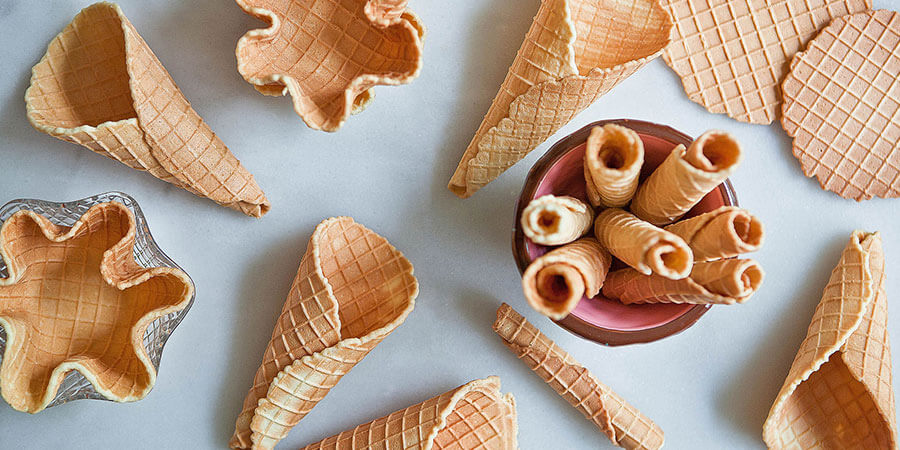
Table of Contents
House-Made Waffle Cones Boost Margins, Create Theater, and Tap Into the #1 Consumer Preference for Ice Cream Serving Format
Waffle cones are the most preferred ice cream serving format among American consumers, yet most operations still rely on pre-packaged cones that offer no differentiation. This post walks foodservice operators through the business case, equipment needs, batter fundamentals, and service station setup for adding house-made waffle cones as a menu item - including seasonal strategy and creative applications beyond the classic scoop.
According to a May 2024 survey by the International Dairy Foods Association (IDFA) and Morning Consult, 29% of consumers prefer waffle cones - more than double the 12% who prefer sugar cones. Another 27% prefer a bowl. That means cones of any kind are the top choice for four in ten ice cream eaters, and waffle cones lead the pack by a wide margin.
The same survey found that 97% of Americans love or like ice cream, and 73% eat it at least once per week. You're not trying to create demand here. The demand already exists. The question is whether your operation captures it with a forgettable pre-packaged cone or a house-made one that smells incredible, tastes better, and gives guests a reason to talk about you.
Making waffle cones in-house isn't complicated. It requires one dedicated piece of equipment, a simple batter, and a bit of technique. What it delivers in return - lower per-unit cost, quality control, menu differentiation, and genuine sensory theater - is hard to replicate any other way.
The Business Case for Making Waffle Cones In-House
Pre-packaged cones are convenient, but they're a commodity. Every operation using the same supplier is offering the same product. House-made cones break that pattern immediately.
The artisanal market is growing fast. Fortune Business Insights data cited by IDFA projects the artisanal ice cream market to grow at a 6.67% compound annual growth rate through 2034, driven by rising consumer demand for premium, authentic, and handcrafted food products. North America leads with 36% of global market share. Consumers are actively seeking out operations that make things from scratch, and a house-made waffle cone signals that commitment before the first bite.
The aroma is a marketing tool. Fresh waffle cones produce a warm, caramelized smell that travels. In a retail setting, that scent draws people in from outside. In a restaurant, it signals to nearby tables that something special is happening. You can't buy that effect with a pre-packaged cone.
Cost per unit drops significantly. Waffle cone batter uses flour, sugar, butter, eggs, milk, and vanilla - pantry staples you likely already stock. The per-unit ingredient cost for a house-made cone is typically a fraction of what you pay for pre-packaged alternatives, even accounting for labor. As volume increases, that gap widens.
Quality and size are yours to control. Pre-packaged cones come in fixed sizes and flavors. Make your own and you decide the thickness, diameter, sweetness level, and whether to add flavoring like cinnamon, cocoa, or matcha. That flexibility opens up menu possibilities that simply don't exist with purchased cones.
| Serving Format: | Consumer Preference (IDFA/Morning Consult, 2024): | Customization Potential: | Storage Requirements: |
| Waffle cone | 29% | High - size, flavor, dip, rim | Short (best same-day) |
| Sugar cone | 12% | Low | Long (shelf-stable) |
| Waffle bowl | Included in waffle category | High - same as cone | Short (best same-day) |
| Regular bowl | 27% | Medium - toppings only | Long (shelf-stable) |
| Cup | Remaining preference | Low | Long (shelf-stable) |
Essential Equipment for Waffle Cone Production
The foundation of any waffle cone program is a dedicated commercial waffle cone maker. This is not the same as a standard waffle iron. Waffle cone makers have shallower, thinner plates designed to produce a crisp, crepe-like waffle rather than a thick, fluffy breakfast waffle. The batter is thinner, the cook time is shorter, and the result needs to be pliable enough to roll immediately after cooking.
Waffle Cone Maker Options
Single-plate units are the right starting point for most operations. They produce one cone at a time, which is sufficient for moderate volume and lets you dial in your technique before scaling. They take up minimal counter space and are easy to clean.
Double-plate units make sense once you've established demand and need to keep up with rush-hour volume. Two cones cooking simultaneously doubles your throughput without doubling your footprint or labor.
For a deeper look at commercial waffle equipment - including plate materials, temperature controls, and what separates a quality unit from a frustrating one - the commercial waffle maker buying guide covers the full picture.
Rolling and Forming Tools
The cone doesn't form itself. You'll need:
- A cone mandrel or rolling form - the tapered metal or wooden tool you wrap the hot waffle around to create the cone shape. Diameter determines your finished cone size.
- Heat-resistant gloves - the waffle comes off the iron at high temperature and you have only a few seconds to roll it before it hardens.
- A flat work surface next to the iron where you can roll quickly without reaching.
Some operations use a cone press attachment that shapes the cone automatically, which speeds up production and improves consistency. Worth considering once volume justifies it.
Beyond the Cone Maker
Your waffle cone station doesn't operate in isolation. You'll also need:
- Ice cream scoops and dippers - the right scoop size matters for portion control and presentation
- Ice cream dipper wells - keep scoops clean and ice cream from sticking between servings
- Cone holders and dispensers - hold finished cones upright while you scoop, and store extras for service
- A dipping cabinet or display freezer - for the ice cream itself; see the commercial ice cream freezer guide for selection guidance
If you're running soft serve alongside hand-dipped, the soft serve machine buying guide is worth a read before you finalize your station layout.
Batter Basics and Technique
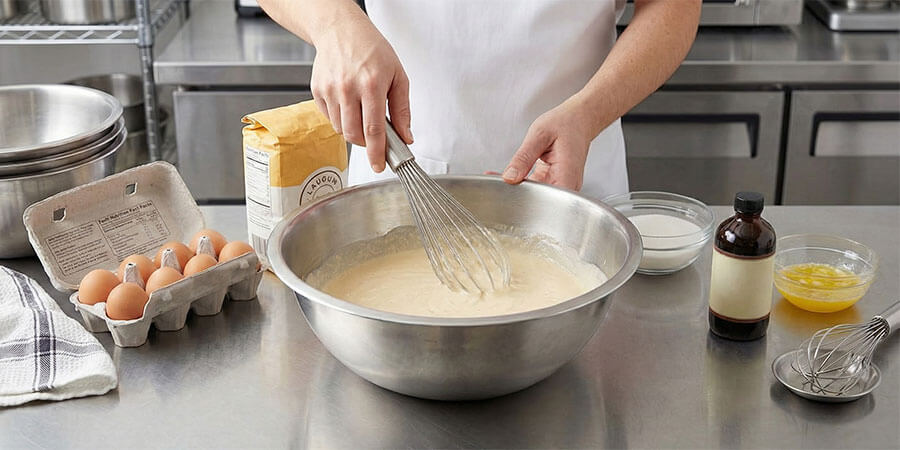
Waffle cone batter is simple. The technique is where most operations either get it right or struggle.
Standard Batter Ingredients
A classic waffle cone batter uses:
- All-purpose flour
- Granulated sugar (higher ratio than pancake batter - this is what creates the crisp, caramelized texture)
- Eggs
- Melted butter
- Milk
- A pinch of salt
- Vanilla extract
The batter should be thin - thinner than pancake batter, closer to crepe batter in consistency. If it's too thick, the cone will be chewy rather than crisp. Mix until smooth, then let it rest for at least 15 minutes before cooking. Resting allows the flour to hydrate fully and produces a more consistent result.
Scratch vs. commercial mix: Commercial waffle cone mixes simplify production for high-volume operations or those with limited prep time. The tradeoff is less control over flavor and customization. Many operators start with a mix to learn the technique, then move to scratch once they're comfortable.
Temperature and Timing
Most commercial waffle cone makers operate between 350°F and 400°F. The right temperature for your batter and plate combination takes a few test runs to dial in. Signs you're in the right range:
- The waffle releases cleanly from the plates without sticking
- Color is golden to light amber - not pale (undercooked) and not dark brown (overcooked)
- The waffle is pliable for 5 to 10 seconds after coming off the iron before it begins to harden
Rolling window is short. Once the waffle comes off the iron, you have roughly 5 to 8 seconds to roll it around the mandrel before it sets. Work quickly, apply even pressure as you roll, and hold the seam closed for a few seconds until it holds. The cone fully hardens within 30 to 60 seconds.
Common mistakes to avoid:
- Too cool: The waffle won't roll - it cracks instead of bending. Increase temperature or extend cook time slightly.
- Too hot: The waffle tears when you try to roll it. Reduce temperature or shorten cook time.
- Batter too thick: Results in a chewy, soft cone that doesn't crisp up properly.
- Rolling too slowly: The cone sets before you finish and the seam won't hold.
Train staff on a few practice cones before service. The technique clicks quickly once someone has done it a handful of times.
Beyond the Classic Cone - Creative Applications
A waffle cone program doesn't have to stop at a plain cone with a scoop of ice cream. The same equipment and batter open up a range of applications that can differentiate your menu and support higher check averages.
Waffle Bowls
Use a bowl-shaping press instead of a mandrel and you get a waffle bowl - perfect for sundaes, banana splits, or larger portions. The bowl format appeals to guests who want more ice cream than a cone holds, and it photographs beautifully for social media. The same batter works for both cones and bowls.
Dipped and Decorated Cones
Dipping the rim of a finished cone in chocolate and rolling it in toppings adds visual appeal and perceived value. Options include:
- Chocolate dip with crushed nuts, sprinkles, or cookie crumbles
- White chocolate with freeze-dried fruit
- Caramel drizzle with sea salt
These decorated cones can command a premium and give guests a reason to choose your operation over a competitor. Stock your ice cream toppings station with a variety of options to support this.
Flavored Cone Variations
Adjust the batter to create signature flavors:
- Chocolate cones - add cocoa powder to the batter
- Cinnamon cones - add ground cinnamon and a touch of brown sugar
- Matcha cones - add culinary-grade matcha powder for a green tea flavor
- Sesame cones - add black sesame paste for a nutty, distinctive flavor
Rotating seasonal flavors keeps your menu fresh and gives regulars a reason to come back. A pumpkin spice cone in fall or a peppermint cone in December creates limited-time appeal without requiring new equipment.
Savory Cone Applications
This is a growing trend worth watching. Waffle cones made with reduced sugar and savory seasonings work as vessels for:
- Chicken salad or tuna salad
- Pulled pork with slaw
- Shrimp cocktail
- Charcuterie-style fillings for catering and events
The cone format is portable and visually interesting - well-suited for catering, food trucks, and event service. It's a conversation starter that differentiates your operation from anyone serving the same fillings in a standard format.
Setting Up Your Service Station
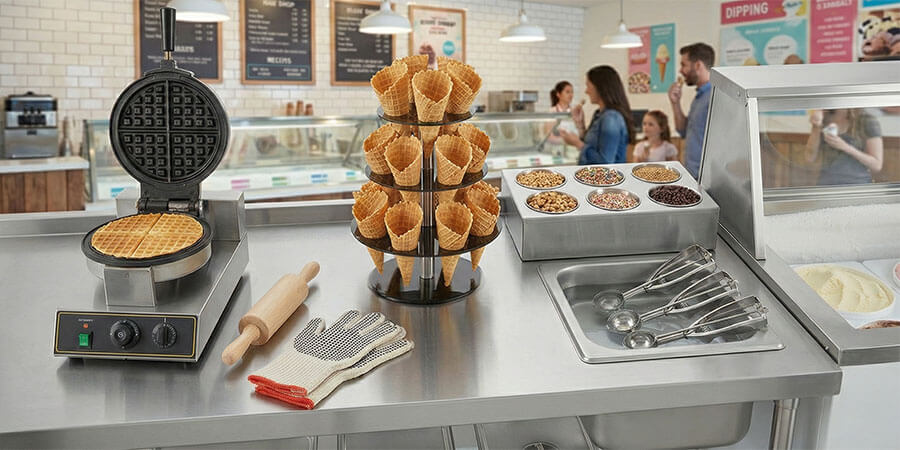
Smooth waffle cone production depends on station design. Improvised setups create bottlenecks during rush periods.
Station Layout
Position your waffle cone maker on a stable, heat-resistant surface with adequate ventilation. You need clear workspace on both sides:
- Left side (or dominant hand side): Batter, ladle, and any flavoring additions
- Right side: Rolling mandrel, heat-resistant gloves, finished cone holder
Keep the cone maker close enough to the rolling surface that you can transfer the hot waffle in one motion. Every extra second of travel time is a second of your rolling window gone.
Cone holders and dispensers serve double duty here - they hold finished cones upright while you scoop, and they keep pre-made cones organized and accessible during high-volume service. Don't underestimate how much a good holder improves workflow.
Managing Rush-Hour Production
During peak periods, you have two options:
- Make to order - cone goes on the iron as the order comes in. Freshest possible product, but adds 2 to 3 minutes to service time.
- Batch ahead - make cones in advance and store them in a covered container or cone dispenser. Slight quality tradeoff, but service stays fast.
Most operations use a hybrid approach: batch a supply of cones before the rush, then make to order when volume drops. Cones hold well for several hours at room temperature in a dry environment. Humidity is the enemy - a humid kitchen will soften cones quickly, so store them in a covered container or sealed dispenser.
Workflow Considerations for Soft Serve Operations
Pairing waffle cones with soft serve changes the workflow. Soft serve machines dispense quickly, so the bottleneck is cone production. Batching cones ahead of service is almost always the right call - a steady supply of pre-made cones lets one person run the machine efficiently without stopping to roll between orders.
Seasonal Strategy and Year-Round Opportunity
Ice cream production in the U.S. peaks between March and September, according to IDFA - but that doesn't mean waffle cones are a summer-only item. The IDFA/Morning Consult survey found that 73% of consumers eat ice cream at least once per week, and 2 out of 3 consume it in the evening. That's year-round, evening-driven demand.
Seasonal Cone Rotations
Rotating your cone flavors by season keeps the menu interesting and gives you a built-in reason to promote new offerings:
- Spring: Lemon zest cones, honey lavender cones
- Summer: Classic vanilla, coconut, or toasted sesame
- Fall: Pumpkin spice, cinnamon brown sugar, maple
- Winter: Peppermint, gingerbread, dark chocolate
Pair seasonal cones with complementary ice cream flavors and toppings for a cohesive limited-time offer. A gingerbread cone with eggnog ice cream and caramel drizzle in December is a menu item that sells itself.
Pairing with Hot Beverages in Cold Months
One underused strategy: pair waffle cones with hot drinks in colder months. A small cone with a single scoop alongside a hot chocolate or specialty coffee creates a dessert pairing that feels premium. It keeps ice cream on the menu year-round without requiring guests to commit to a full portion.
Limited-Time Offers and Menu Freshness
The artisanal ice cream market's projected 6.67% CAGR through 2034 (Fortune Business Insights) is driven by consumers seeking premium, authentic experiences. Seasonal cone flavors tap directly into that motivation - guests who know your cone changes with the season have a reason to return and a reason to tell others.
For guidance on timing menu changes and LTO strategy, the restaurant menu design guide covers menu engineering principles that apply directly to dessert programs.
Frequently Asked Questions
Do I need a dedicated waffle cone maker, or can I use a standard waffle iron?
A dedicated waffle cone maker is strongly recommended. Standard waffle irons have deeper plates designed for thick, fluffy waffles - they produce a product that's too thick and too soft to roll into a cone. Waffle cone makers have shallower plates that produce a thin, crisp waffle similar to a crepe, which is what you need for rolling. Using the wrong equipment leads to frustration and inconsistent results.
How long do house-made waffle cones stay fresh?
Waffle cones are best the day they're made. Stored in a dry, covered container at room temperature, they hold well for 4 to 6 hours. Humidity is the main enemy - a humid kitchen environment will soften cones within an hour or two. For operations in humid climates or during summer months, batch smaller quantities more frequently rather than making a large batch at the start of the day.
What's the right batter consistency for waffle cones?
Thinner than pancake batter - closer to crepe batter. It should pour easily from a ladle and spread across the plate in a thin, even layer. If the batter is too thick, the cone will be chewy rather than crisp. If it's too thin, it may not hold together during rolling. A few test cones at the start of each day lets you adjust consistency before service.
How do I train staff to roll cones quickly enough?
Practice is the answer. Keep the mandrel right next to the iron so there's no travel time. Use heat-resistant gloves so staff aren't hesitating due to heat. Have them run through a few practice cones before service each day until the motion becomes automatic. Most people get comfortable within 10 to 15 practice cones - the 5 to 8 second rolling window feels short at first but becomes natural quickly.
Can I offer waffle bowls with the same equipment?
Yes, with a bowl-shaping attachment or press. The same batter works for both - the difference is in the forming tool. A bowl press shapes the hot waffle into a bowl form rather than rolling it around a mandrel. Waffle bowls work well for sundaes and larger portions, and they photograph well for social media. Adding bowl capability is a low-cost way to expand your menu without new equipment.
How do I prevent cones from getting soggy after scooping?
A few techniques help. First, make sure cones are fully cooled and crisp before scooping - a warm cone softens faster. Second, a thin layer of chocolate on the inside of the cone creates a moisture barrier that slows softening significantly. Third, serve promptly - a cone sitting with ice cream for more than a few minutes will start to soften regardless. For soft serve operations, the lower temperature of soft serve is gentler on cones than hard-dipped ice cream.
Is it worth making waffle cones in-house for a low-volume operation?
It depends on your concept. For an ice cream shop or dessert-focused restaurant, house-made cones are a clear differentiator worth the effort even at lower volumes. For a casual operation where ice cream is a minor menu item, pre-packaged cones may be more practical. The break-even comes down to volume, labor cost, and how much the house-made experience matters to your customer base. Many operators find the aroma alone - which draws people in and signals quality - justifies the program at moderate volume.
Related Resources
- Commercial Waffle Cone Makers - Single and double-plate units for every operation size
- Commercial Waffle Maker Buying Guide - In-depth guide to waffle equipment selection, plate types, and features
- Commercial Ice Cream Freezer Guide - How to choose the right dipping cabinet or display freezer for your operation
- Ice Cream Cone Holders & Dispensers - Keep cones organized and service moving during peak volume
- Adding Crepes to Your Restaurant Menu - Similar equipment investment, similar theater - how crepes work as a companion menu item
Share This!