Creative Uses for an Immersion Blender
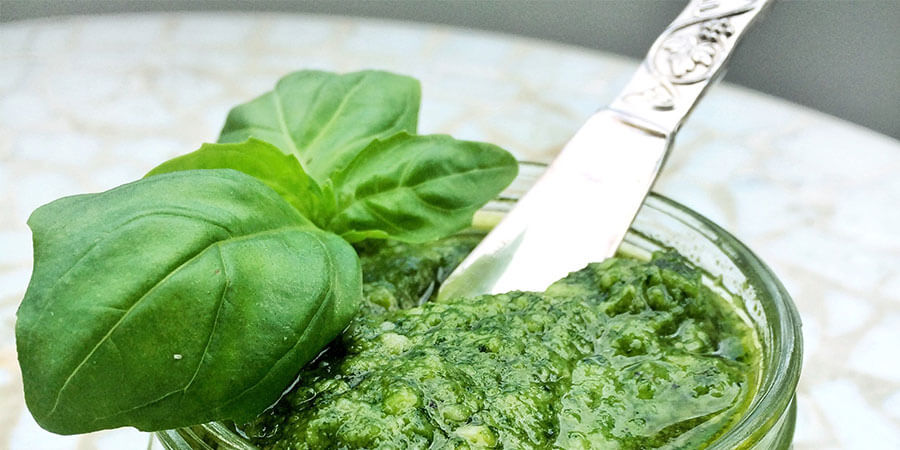
Table of Contents
Use an immersion blender more effectively by matching it to the jobs it handles best instead of treating it like a smaller countertop blender
An immersion blender is one of the easiest kitchen tools to underestimate. People often buy one for soup, use it once or twice, then forget how useful it can be for sauces, small-batch prep, and quick mixing jobs that do not justify dragging a full blender onto the counter.
That is why the most useful question is not whether an immersion blender is powerful. It is whether the job fits the tool. When the task is right, a stick blender is faster to set up, easier to clean, and often less messy than a countertop blender or food processor.
What An Immersion Blender Is Actually Best At
An immersion blender - also called a stick blender or hand blender - works best when the product can be blended directly in the pot, cup, or container you are already using. That is its biggest advantage.
| Task Type: | Why an Immersion Blender Works Well: | Where It Starts To Struggle: |
| Pureed soups | Blend directly in the pot with fewer transfers | Very large or fibrous batches can need more time |
| Sauces and dressings | Fast blending for small to medium batches | Thick, very coarse mixtures may need more patience |
| Pesto and salsa | Easy small-batch blending with quick cleanup | Texture control can be rougher than a food processor |
| Mayo and emulsified mixes | Good for quick emulsions in a tall container | Large-volume production is better with dedicated equipment |
| Whipped cream or soft batters | Useful when the attachment and volume fit | Heavy doughs are not the right job |
The biggest win is usually cleanup. You are often cleaning the blending head and container instead of a full pitcher, base, and lid system.
If you are comparing restaurant-grade blender tools more broadly, Commercial Blender Buying Guide is the best related overview.
Pureed Soups Are The Most Obvious Use - For Good Reason
If there is one job that explains why people keep an immersion blender around, it is soup.
Blending soup directly in the pot can reduce transfers, reduce splashing from moving hot liquid into a pitcher, and make it easier to stop at the texture you actually want. That matters whether you want a fully smooth soup or a partly rustic texture.
This is also where an immersion blender often beats a countertop blender for convenience, especially on smaller or medium-size batches. You get less handling and less cleanup, which is usually the whole point.
Pesto Is One of the Best Small-Batch Wins
Pesto is a great example of where a stick blender earns its keep. It can handle a practical small batch quickly, and it keeps the process simple when you do not want to set up a larger machine.
That does not mean every pesto texture will be identical to a food-processor batch. A food processor can sometimes give you a chunkier, more controlled texture. But if the goal is a quick pesto for home cooking or prep work, an immersion blender is often more than capable.
Salsa, Dressings, And Dips Are Natural Fits
An immersion blender is especially useful for recipes that fall between chopping and full pureeing.
That can include:
- Salsa with a looser texture
- Salad dressings
- Vinaigrettes
- Yogurt-based sauces
- Small-batch dips
The advantage is speed and simplicity. The caution is texture control. If you want a chunkier final result, blend in short bursts and stop early. If you run too long, you can lose the texture you wanted.
Homemade Mayo And Other Emulsions Are Easier Than Many People Expect
This is one of the most satisfying immersion blender uses because the tool matches the task so well.
In a narrow, tall container, an immersion blender can bring oil and yolk-based mixtures together quickly. That makes it useful for:
- Mayonnaise
- Aioli-style sauces
- Some creamy dressings
- Quick emulsified finishing sauces
The key is not magic. It is control. A tall container and a small batch make it easier for the blender head to keep the ingredients moving where you want them.
Smoothies Work - But Only If The Blender Matches The Job
Many people ask what they can make with an immersion blender and immediately think about smoothies. The honest answer is yes, sometimes.
Immersion blenders are generally better for lighter smoothies, soft fruit mixtures, protein shakes, and quick one-off blends than for very heavy frozen-drink work. If your routine involves ice-heavy, frozen-fruit-heavy drinks every day, a countertop blender is often still the better fit.
That is why an immersion blender should be judged by the hardest thing you expect it to do regularly. If the daily job is thick frozen blending, choose accordingly.
Pancake Batter, Whipped Cream, And Soft Mixing Jobs Can Be Worth It
An immersion blender can also help with lighter mixing jobs when the batch size is modest and the texture target is simple.
Useful examples include:
- Smoothing pancake batter
- Whipping cream when the attachment and volume fit
- Blending soft dessert bases
- Combining sauces and marinades evenly
The caution is simple: an immersion blender is not a stand mixer and it is not a dough machine. It helps with lighter mixing and blending, not heavy kneading or dense dough work.
When An Immersion Blender Is Better Than A Countertop Blender
| Situation: | Better Tool: | Why: |
| Hot soup already in a pot | Immersion blender | Fewer transfers and faster cleanup |
| Small sauce or dressing batch | Immersion blender | Better for quick, low-volume work |
| Thick frozen drinks all day | Countertop blender | Better power and jar design for harder loads |
| Chopped or chunkier pesto texture | Food processor | Better texture control for some recipes |
| Direct-in-container prep | Immersion blender | Fast and practical for small tasks |
This is the easiest way to think about the tool. It wins on convenience, direct blending, and small-batch speed. It loses when the job is heavy, frozen, or very texture-specific.
Safe Use Matters More Than Most Quick Recipe Lists Admit
An immersion blender is simple, but it still needs basic discipline.
Good habits include:
- Keeping the blade end immersed before powering on
- Using a container deep enough to limit splashing
- Being extra careful with hot liquids
- Unplugging or powering off fully before cleaning or changing attachments
- Following the manufacturer instructions for hot blending and cleaning
The goal is not to make the tool feel complicated. It is to keep a very simple tool from creating unnecessary mess or risk.
What To Make First If You Want To Use Yours More
If you are trying to get more value from the tool, start with the jobs where it is easiest to succeed:
- Soup
- Pesto
- Salsa
- Mayo
- Dressings
- Whipped cream or light batter
Those recipes show the main advantage clearly: less transfer, less cleanup, and faster small-batch blending.
If you are shopping by category instead of recipe, Immersion Blenders & Hand Mixers is the most natural product-side follow-up.
Frequently Asked Questions
What is an immersion blender used for?
An immersion blender is used for blending directly in a pot, cup, or container instead of transferring food into a pitcher blender. It is especially useful for soups, sauces, dressings, small-batch dips, pesto, mayo, and other jobs where quick cleanup and direct blending matter more than maximum power.
What can you make with an immersion blender?
Common starting points include pureed soups, pesto, salsa, dressings, mayonnaise, whipped cream, softer batters, and lighter smoothies. The best results usually come from small to medium batches where the blender can stay fully immersed and the texture target is clear.
Is an immersion blender the same as a stick blender or hand blender?
Yes. Those terms are commonly used for the same general tool. Exact attachments and features vary by model, but the core format is the same: a handheld blending shaft designed to work directly in the vessel.
Can you make pesto with an immersion blender?
Yes. Pesto is one of the easiest small-batch uses for an immersion blender. A food processor may still give you more texture control for some styles, but an immersion blender is often a very practical way to make pesto quickly with less cleanup.
Can you make mayo with an immersion blender?
Yes, especially in a tall narrow container where the ingredients stay concentrated around the blending head. It is one of the most natural uses for the tool because the small-batch format and emulsifying action match the design well.
When should I use a countertop blender instead?
A countertop blender is usually the better choice for harder frozen blending, larger repeated batches, and jobs that need stronger vortex action or more power under load. An immersion blender is better when convenience, direct blending, and quick cleanup are the priority.
Related Resources
- Immersion Blenders & Hand Mixers - Product category for stick blenders and related tools.
- Commercial Blender Buying Guide - Broader blender selection help for higher-volume or harder workloads.
- Commercial Blender Checklist for Restaurants - Helpful if you are comparing immersion and countertop workflows.
- Commercial Blenders - Countertop blender category for heavier blending tasks.
Share This!