Summer Seafood Trends for Your Restaurant Menu
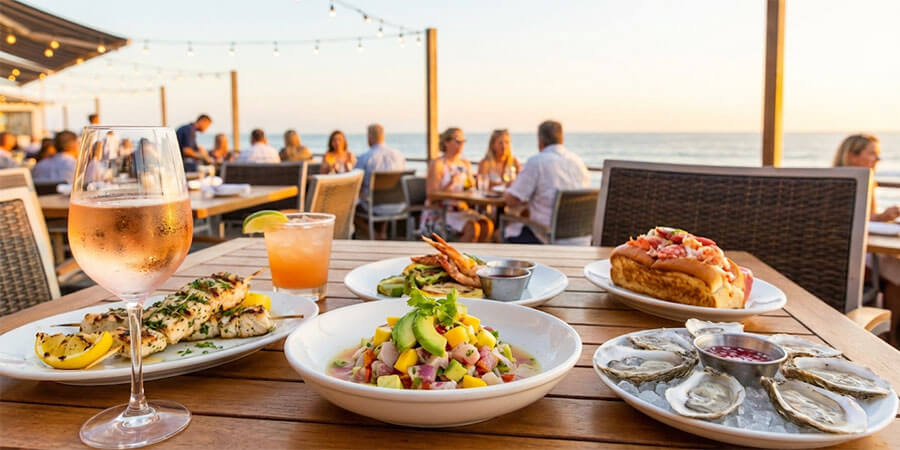
Table of Contents
Boost Revenue and Customer Satisfaction with Strategic Summer Seafood Offerings That Drive Repeat Visits
Warmer months bring peak demand for fresh seafood as diners seek lighter, healthier options. This post helps restaurant operators capitalize on seasonal seafood trends through strategic menu planning, sustainable sourcing practices, critical food safety protocols, and the right equipment investments. Learn how to add profitable seafood items whether you run a seafood-focused concept or want to test seasonal specials, plus proven strategies for turning limited-time offerings into repeat customer visits.
Restaurants that strategically add seafood during warmer months tap into a proven revenue opportunity. Americans consumed nineteen point seven pounds of seafood per capita according to the most recent comprehensive data from NOAA and the National Fisheries Institute, with forty-one percent of that consumption happening at restaurants. As temperatures rise and diners gravitate toward lighter fare, operators who strategically add seasonal seafood can capture increased traffic, higher check averages, and stronger customer loyalty.
The opportunity extends beyond traditional seafood restaurants. Seventy-four percent of seafood shoppers value sustainability when choosing where to buy according to the Food Marketing Institute, making sustainable sourcing a differentiator across all segments. Whether you're adding your first seafood special or refreshing an established menu, this post covers the trends, operations, and equipment to capitalize on summer demand.
Understanding Summer Seafood Demand
Consumer seafood preferences shift during summer months, driven by multiple factors that create predictable demand patterns.
Health and nutrition drive demand. Sixty-six percent of consumers prioritize nutrition and health when choosing seafood according to the Food Marketing Institute's Power of Seafood report. Despite this interest, only twenty-four point three percent of American adults eat seafood at least twice per week per CDC data - well below dietary guidelines recommending twice-weekly consumption. This gap represents significant opportunity for restaurants to meet unmet demand, especially in summer when diners naturally gravitate toward lighter proteins.
Seasonal availability supports quality and sourcing. Many popular species reach peak season during summer months, offering better quality, flavor, and often more favorable pricing. Local sourcing ranks as the number one macro trend for twenty twenty-five through twenty twenty-six according to the National Restaurant Association, and summer provides the widest window for regional seafood availability in most markets. Summer also brings increased tourist traffic, and travelers frequently seek regional seafood specialties. For strategies on capturing summer tourism, see our guide on how to attract tourists to your restaurant.
Top Species Driving Consumer Interest
Shrimp maintains its position as the most consumed seafood species in America at three point twenty-two pounds per capita, followed by salmon as the second most popular choice. Together with eight other species, these top ten varieties account for seventy-nine percent of total seafood consumption. Notably, oysters joined the top ten for the first time ever in the most recent data, reflecting growing consumer sophistication and willingness to explore premium offerings.
Featuring familiar top species ensures broad appeal, while incorporating trending items like oysters can attract adventurous diners and command premium pricing.
Building Your Summer Seafood Menu
Summer seafood menus work across multiple restaurant types when approached thoughtfully.
Approach by Restaurant Type
The right strategy depends on your concept. Seafood-focused restaurants should refresh offerings to highlight peak-season species with rotating specials that showcase different items weekly or bi-weekly. Limited-time offer launches increased nineteen percent year-over-year according to National Restaurant Association and Technomic data, demonstrating growing operator confidence in seasonal rotation.
Casual dining concepts can test seafood through targeted additions rather than menu overhauls - start with one or two broadly appealing items like grilled salmon, fish tacos, or shrimp preparations that leverage existing kitchen capabilities. Fine dining operations should emphasize sourcing stories, preparation techniques, and seasonal availability to justify premium positioning.
Popular Summer Seafood Menu Items
Successful summer seafood menus typically include a mix of these proven categories:
- Grilled and Charred Preparations - Grilled salmon, swordfish steaks, whole grilled fish, and charred octopus deliver smoky flavors that pair well with summer dining
- Raw and Chilled Offerings - Oysters, ceviche, crudo, poke bowls, and seafood towers appeal to diners seeking refreshing options
- Tacos and Handheld Formats - Fish tacos, shrimp po'boys, lobster rolls, and seafood sliders offer approachable entry points and casual appeal
- Salads and Bowls - Seared tuna salads, shrimp and grain bowls, and seafood-topped greens meet health-conscious demand
- Shareable Appetizers - Calamari, shrimp cocktail, steamed mussels, and seafood dips drive appetizer sales and check averages
When selecting items, evaluate your kitchen's existing capabilities. Grilled preparations work well with existing char-grills, raw offerings require specific food safety protocols but command premium pricing, and fried applications leverage existing fryer capacity with minimal additional training.
Pricing and Positioning
Seafood typically carries higher food costs but supports premium pricing when positioned correctly. Emphasize quality indicators like "wild-caught," "day-boat," "sustainable," or "local" to justify pricing. For detailed pricing strategies, review our menu pricing guide. Limited-time positioning creates urgency and allows testing without permanent commitment - our menu design guide covers techniques for highlighting seasonal offerings.
Sourcing and Sustainability
Seventy-four percent of seafood shoppers value sustainability according to the Food Marketing Institute, while forty-eight percent of consumers report willingness to buy more sustainable seafood per Marine Stewardship Council research. Ninety-one percent express worry about the state of the world's oceans - up from eighty-two percent just two years earlier.
Building Reliable Supplier Relationships
Summer brings peak demand, making reliable supplier relationships critical. Work with distributors who provide transparent sourcing information (origin, catch method, harvest date), consistent quality standards, and flexible ordering with proactive communication about availability changes. Establish clear specifications for acceptable product and reject deliveries that don't meet standards.
Local Sourcing and Sustainability
Local sourcing delivers fresher product, lower transportation costs, reduced environmental impact, and compelling menu storytelling. Identify local fisheries, aquaculture operations, and specialty distributors in your region. Even inland operators can often source regional freshwater species or farm-raised options. Feature origin stories on menus and train servers to discuss sourcing as a point of differentiation.
Third-party certifications help navigate sustainability questions - look for Marine Stewardship Council for wild-caught seafood, Aquaculture Stewardship Council for farmed species, or Best Aquaculture Practices certification. Communicate certifications through menu callouts and digital channels, as sustainability messaging resonates particularly with younger diners.
Food Safety Essentials for Seafood
Seafood presents unique food safety challenges that intensify during summer when ambient temperatures increase risk of temperature abuse and bacterial growth.
Critical Temperature Control
Fresh seafood must be stored at forty degrees Fahrenheit or below according to FDA guidelines, with product used within two days of receipt. This narrow window demands rigorous receiving procedures, proper storage equipment, and effective inventory rotation.
Key protocols for maintaining the cold chain:
- Receiving - Check product temperature immediately upon delivery. Reject anything above forty degrees or showing signs of temperature abuse (excessive ice melt, soft texture, off odors)
- Storage - Store in the coldest part of your refrigeration, bottom shelf toward the back. Never store above ready-to-eat foods
- Display and Holding - Maintain product on ice beds with drainage during display. Never leave at room temperature more than two hours, or more than one hour when ambient temperatures exceed ninety degrees
Cooking and Holding Temperatures
Cook all seafood to an internal temperature of one hundred forty-five degrees Fahrenheit, measured in the thickest part of the product. For hot-held items, maintain at one hundred forty degrees or above. For cold items like ceviche or poke, keep at forty degrees or below until service. The danger zone between forty and one hundred forty degrees allows rapid bacterial growth, so minimize time in this range through proper cooking, rapid cooling, and appropriate holding equipment.
Histamine and Scombroid Poisoning Prevention
Histamine poisoning represents the number one finfish illness risk in the United States according to FDA HACCP guidance. Certain species - tuna, mahi-mahi, bluefish, and mackerel - naturally contain high levels of histidine, an amino acid that bacteria convert to toxic histamine when fish is temperature-abused.
The critical danger: bacteria can produce toxic histamine levels in just six to twelve hours without proper refrigeration. Once formed, histamine cannot be removed by cooking, freezing, or washing - the product is permanently contaminated. Reject any high-histidine species showing signs of temperature abuse. Though contaminated fish often appears and smells normal, when in doubt, throw it out.
| Safety Requirement: | Standard: | Source: |
| Cold storage temperature | 40 degrees Fahrenheit or below | FDA |
| Use fresh seafood within | 2 days of receipt | FDA |
| Cooking internal temperature | 145 degrees Fahrenheit | FDA |
| Hot holding minimum | 140 degrees Fahrenheit | FDA |
| Max time at room temperature | 2 hours (1 hour above 90 degrees) | FDA |
| Danger zone | 40 to 140 degrees Fahrenheit | FDA |
| Histamine formation window | 6 to 12 hours without refrigeration | FDA HACCP |
| High-histamine species | Tuna, mahi-mahi, bluefish, mackerel | FDA HACCP |
Cross-Contamination Prevention
Designate separate cutting boards, knives, and prep surfaces for raw seafood - use color-coded equipment to prevent confusion during busy service. Clean and sanitize all surfaces and utensils that contact raw seafood before using for other products, paying special attention to mechanical equipment where particles can lodge in hard-to-clean areas.
Equipment for Seafood Prep and Service
Proper equipment supports food safety, efficiency, and product quality. Strategic investments pay dividends through reduced waste, improved consistency, and better customer experience.
Prep and Storage Equipment
Specialized seafood prep appliances and tools streamline processing and improve yield - fish scalers, fillet knives, oyster shuckers, and shellfish crackers enable efficient breakdown of whole product. Refrigerated food prep tables provide critical temperature control during prep, with refrigerated rail systems keeping garnishes and accompaniments at safe temperatures during plating.
Adequate refrigeration capacity is non-negotiable. Calculate storage needs based on peak inventory levels and delivery schedules. For operations featuring raw bars or display service, cold food tables maintain proper temperatures while showcasing product. Refrigerated sushi cases work well for raw preparations, poke bowls, or grab-and-go seafood items.
Ice Production and Cooking Equipment
Ice machines with sufficient capacity are essential for seafood operations - ice serves triple duty cooling product during storage, creating attractive display presentations, and maintaining temperatures during service. Flake ice works best for seafood display due to its ability to conform around product and maintain consistent contact.
For cooking, dedicated seafood fryers prevent flavor transfer to other fried items. Char-grills and flat-tops support the grilled preparations that are most popular in summer. If using shared equipment, establish protocols for more frequent oil filtering and cleaning between seafood and other proteins.
Turning Seasonal Items Into Repeat Visits
Limited-time seafood offerings create urgency and drive trial, but strategic execution converts one-time visitors into repeat customers. The nineteen percent year-over-year increase in limited-time offer launches demonstrates growing operator sophistication with seasonal programming.
Effective Limited-Time Offer Strategy
Duration and Timing - Run seafood LTOs for four to eight weeks to build awareness and allow word-of-mouth marketing while maintaining urgency. Launch early in the season to capture peak demand and avoid late-season fatigue. Consider whether to announce end dates upfront or maintain flexibility based on performance.
Menu Integration - Feature LTO items prominently on menus through callout boxes, special sections, or server recommendations. Train staff thoroughly on preparation methods, ingredients, sourcing stories, and pairing suggestions. Enthusiastic, knowledgeable servers drive trial more effectively than passive menu placement.
Marketing and Promotion - Announce new seafood offerings through email, social media, and in-restaurant signage. High-quality food photography drives engagement on visual platforms. Consider soft launches for loyalty members to build momentum before full rollout.
Measuring Performance and Building on Success
Track sales data, customer comments, and server observations throughout the LTO period. Use point-of-sale data to analyze attachment rates, check averages, and repeat purchase patterns. Items that drive higher overall checks or encourage repeat visits demonstrate strong performance beyond simple unit sales.
Top-performing items earn consideration for permanent menu placement or annual seasonal rotation. For items tied to summer seasonality, plan annual returns with refinements based on previous performance. Build anticipation through "coming soon" messaging and early-access offers for loyal customers - annual seasonal favorites create traditions that drive predictable traffic.
Cross-Selling Opportunities
Seafood items create natural pairing opportunities that increase check averages. Train servers to suggest wine pairings, premium sides, or appetizers that complement seafood entrees. Offer seafood add-ons to salads, pastas, or other dishes to introduce the protein to hesitant diners at lower commitment levels.
Bundle seafood items with complementary offerings for prix fixe or tasting menu formats that simplify decision-making while driving higher per-person spending. For strategies on managing food costs while maximizing profitability, see our guide on how to lower restaurant food costs.
Frequently Asked Questions
What seafood sells best in restaurants during summer?
Shrimp consistently ranks as the most consumed seafood species, followed by salmon. Summer menus also see strong performance from grilled fish like swordfish and mahi-mahi, raw bar offerings including oysters, and lighter preparations like ceviche, poke bowls, and seafood salads. Regional preferences vary significantly, so consider local availability and customer familiarity when selecting items.
How do I add seafood to my menu if I'm not a seafood restaurant?
Start with one or two broadly appealing items that leverage your existing kitchen equipment and staff skills. Grilled salmon works well if you operate a grill, while fish tacos or shrimp preparations can utilize existing fryers or sauté stations. Test items as limited-time specials to gauge customer response before committing to permanent menu placement. Focus on quality execution of a few items rather than extensive seafood variety.
What temperature should fresh seafood be stored at?
Fresh seafood must be stored at forty degrees Fahrenheit or below according to FDA guidelines. Check product temperature immediately upon delivery and reject anything above forty degrees. Store seafood in the coldest part of your refrigeration and use within two days of receipt. Monitor storage temperatures continuously and maintain detailed logs for food safety compliance.
How can I source sustainable seafood for my restaurant?
Work with suppliers who provide transparent sourcing information and look for third-party certifications like Marine Stewardship Council for wild-caught seafood or Aquaculture Stewardship Council for farmed species. Prioritize local and regional sources when available, as shorter supply chains typically mean fresher product and lower environmental impact. Ask suppliers about fishing methods, farming practices, and supply chain traceability.
What are the biggest food safety risks with seafood in summer?
Temperature abuse represents the primary risk, as warm summer temperatures accelerate bacterial growth and increase likelihood of product entering the danger zone between forty and one hundred forty degrees. Histamine poisoning from species like tuna and mahi-mahi poses particular danger because bacteria can produce toxic levels in six to twelve hours without refrigeration, and cooking cannot eliminate the toxin once formed. Maintain strict cold chain control from receiving through service.
Are seasonal seafood specials worth adding to my menu?
Seasonal seafood specials create multiple benefits including increased customer interest, higher check averages, menu variety, and opportunities to test new items with limited risk. Limited-time offers increased nineteen percent year-over-year, demonstrating growing operator confidence in seasonal programming. Success requires proper execution including staff training, quality sourcing, appropriate pricing, and effective marketing to drive awareness and trial.
How often should I change my seafood menu offerings?
Change frequency depends on your restaurant concept and operational capacity. Seafood-focused restaurants often rotate specials weekly or bi-weekly to showcase different species and maintain customer interest. Casual concepts might refresh seasonal offerings monthly or quarterly. The key is balancing variety with operational consistency - only change as frequently as you can maintain quality execution and staff knowledge. For more guidance on menu rotation timing, see our article on when to change your restaurant menu.
Related Resources
- Restaurant Menu Design Ultimate Guide for Better Menus - Comprehensive strategies for designing menus that highlight seasonal offerings and drive profitability
- Guide to Pricing Menu Items at Your Restaurant - Proven pricing strategies for premium proteins and seasonal specials
- How Often Should I Change My Restaurant's Menu - Expert guidance on menu rotation timing and seasonal refresh strategies
- How to Attract Tourists to Your Restaurant in Summer - Marketing tactics for capturing summer tourist traffic with seasonal offerings
- 6 Smart Tips to Help Keep Restaurant Food Costs Low - Cost management strategies for high-cost proteins and seasonal ingredients
Share This!