Preparing Your Restaurant for Easter
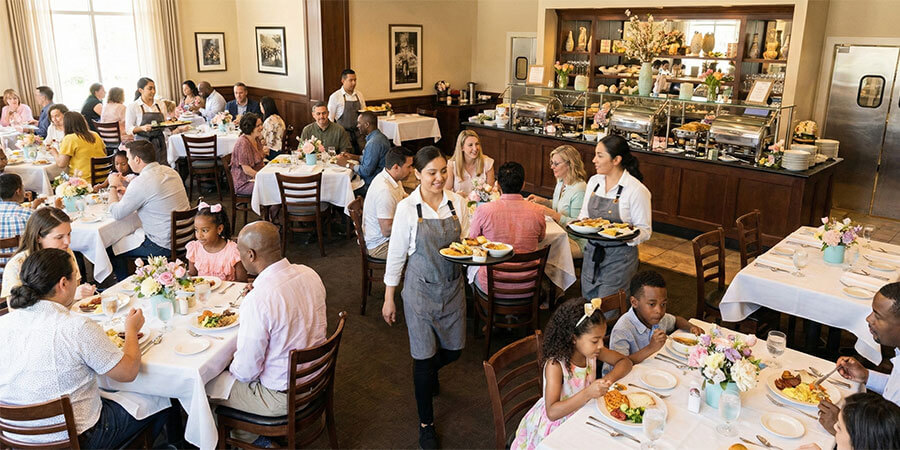
Table of Contents
Master the logistics of Easter service with a proven timeline, staffing strategies, and operational protocols that turn holiday chaos into profit
April 5, 2026 marks this year's Easter - and restaurants that plan early capture the biggest share of the seven point four billion dollars Americans spend on holiday food. This operational guide covers your eight-week planning timeline, reservation management, staffing strategies, kitchen prep, food safety protocols, and family-friendly service tactics.
Few holidays pack as much revenue potential into a single service day. Seventy-nine percent of Americans celebrate Easter, with average per-person spending reaching one hundred eighty-nine dollars and twenty-six cents according to the National Retail Federation's 2025 Survey. While fifty-eight percent plan to cook at home, that leaves a massive market for restaurants that execute flawlessly.
The difference between a chaotic holiday service and a profitable one comes down to planning. Operators who open reservations early, finalize menus six to eight weeks in advance, and run service simulations capture more revenue with less stress. This guide walks through the operational essentials: when to recruit staff, how to manage reservation surges, what food safety protocols matter for buffet service, and how to accommodate families while maximizing table turns.
With Good Friday on April 3 and Palm Sunday on March 29, you have a clear timeline to work backward from. Let's break down exactly what needs to happen and when.
Your Eight-Week Easter Planning Timeline
Start planning no later than early February. The restaurants that win Easter weekend are the ones that treat it like a project with milestones, not a date that sneaks up on them.
Eight weeks before (early February): Finalize your Easter menu. Test new dishes during regular service to work out timing and plating issues. This is when you decide whether you're running a prix fixe brunch, an à la carte menu, a buffet, or a combination. Lock in your concept now so you can order specialty ingredients and train staff on execution.
Six weeks before (mid-February): Open reservations. Data from OpenTable shows that over thirty-five percent of Mother's Day bookings come within two days of the holiday, with nineteen percent booked day-of. Easter follows similar patterns. Opening reservations early captures the planners and gives you visibility into demand. Use that data to adjust staffing and prep.
Four to six weeks before (late February to early March): Begin recruitment and schedule planning. Budget for a twenty to twenty-five percent labor increase during holiday service. Post shifts, reach out to reliable on-call staff, and confirm availability. Cross-train servers on buffet protocols, family service, and to-go packaging if you're offering takeout meals.
Three to four weeks before (mid-March): Order specialty ingredients. Lamb, ham, seasonal produce, and premium proteins need lead time. Confirm delivery dates with suppliers and have backup sources identified. This is also when you should inspect and test equipment like chafing dishes, steam tables, and beverage dispensers.
Two to three weeks before (late March): Run menu testing and staff training. Cook every dish on your Easter menu during a slow service to confirm timing, yields, and quality. Train front-of-house staff on menu details, wine pairings, and how to handle families with young children. Review reservation policies and deposit requirements.
One week before (March 29-31): Conduct a full service simulation. Run a mock Easter service with your team to identify bottlenecks in kitchen flow, table turns, and buffet replenishment. Confirm final headcount with reservations and prepare contingency plans for walk-ins.
Three days before (April 2): Prep non-perishables and set up stations. Organize buffet tables, test holding equipment, portion sauces and garnishes, and stage serviceware. Confirm all reservations and send reminders with your cancellation policy.
Day before (April 4): Execute final prep. Marinate proteins, prep vegetables, bake desserts that hold well, and set tables. Brief staff on the game plan, review station assignments, and do a final equipment check.
| Timeline: | Action Items: |
| 8 weeks before | Finalize menu, test new dishes |
| 6 weeks before | Open reservations, begin marketing |
| 4-6 weeks before | Recruit staff, plan schedules, budget labor increase |
| 3-4 weeks before | Order specialty ingredients, test equipment |
| 2-3 weeks before | Menu testing, staff training, review policies |
| 1 week before | Service simulation, confirm reservations |
| 3 days before | Prep non-perishables, set up stations |
| Day before | Final prep, staff briefing, equipment check |
Reservation Management for Peak Demand
Open reservations thirty days or more in advance. The earlier you open, the more data you collect about demand patterns. That visibility lets you adjust staffing, prep quantities, and table configurations before it's too late to make changes.
Credit card holds significantly reduce no-shows and late cancellations according to OpenTable data. For Easter, consider requiring deposits for all reservations or at minimum for large parties of six or more. Make your cancellation policy clear: twenty-four or forty-eight hours' notice required for refund.
Stagger Seatings to Maximize Covers
Zonal's 2025 Easter data shows that fifty-six percent of Easter weekend reservations were for lunch versus twenty-eight percent for dinner, with sixty percent of Easter Sunday bookings specifically targeting lunch. Don't just offer noon slots - spread demand across the day:
- Early brunch (9-10 AM) - Ten AM reservations are showing nineteen percent growth as a brunch time according to OpenTable
- Mid-service (11:30 AM-12:30 PM) - Peak demand window; reserve your largest section for this block
- Late brunch (1:30-2:30 PM) - Captures families who slept in or attended morning church services
Managing Walk-Ins and No-Shows
Even with full reservations, you'll have walk-ins and early arrivals. Use a digital waitlist to manage overflow and capture contact information for future marketing. Train hosts to quote realistic wait times and offer to-go options for guests who don't want to wait.
Confirm all reservations forty-eight hours in advance via email or text with your address, parking information, and cancellation policy. Follow up with phone calls for large parties. This reduces no-shows and gives you time to fill cancelled slots.
Nineteen percent of Mother's Day bookings happen day-of, and Easter follows similar patterns. Reserve a few tables for walk-ins or late bookers, especially if you're in a high-traffic area. Have a plan for overflow: a bar waiting area, outdoor seating if weather permits, or a quick-turn counter service option.
Staffing and Training for Holiday Service
Weeks Before: Recruit and Prepare
Post Easter shifts four to six weeks in advance and offer incentives for staff who commit early: shift meals, first pick of future schedules, or bonuses for perfect attendance. Reach out to reliable on-call staff and alumni who've worked holidays before.
Holiday service is unpredictable, so cross-training is essential. Train servers to run food, bus tables, and assist with buffet replenishment. Train kitchen staff to plate desserts or handle to-go packaging. The more versatile your team, the easier it is to adapt when one station gets slammed.
Run a service simulation one week before. Cook the full menu, set up buffet stations, and walk through service flow with your team. Identify bottlenecks: Is the coffee station too far from tables? Are servers unclear on buffet replenishment protocols? Fix these issues before guests arrive.
Fifty-four percent of families with kids plan Easter egg hunts according to the National Retail Federation's 2025 survey, which means you'll see more children than usual. Brief your team on family service expectations - bringing high chairs and booster seats proactively, offering kid menus quickly, and handling spills and noise with patience. Speed matters: families with young children appreciate fast drink service and quick appetizers.
Day-Of: Shifts and Communication
Stagger start times instead of scheduling everyone for a twelve-hour shift:
- Early crew - Handles setup and first seating
- Mid-shift crew - Covers peak service
- Late crew - Manages breakdown and to-go orders
This keeps labor costs manageable while maintaining full coverage. Hold a pre-shift meeting Easter morning to review reservations, walk-in strategy, buffet protocols, and station assignments. Assign a floor manager to handle guest issues so servers can focus on service.
For more on building a strong team, see our guide on how to properly staff your restaurant and customer service training strategies.
Kitchen Prep and Inventory Planning
Finalize your menu six to eight weeks before Easter. Decide whether you're offering a prix fixe brunch, buffet, a la carte menu, or family-style service. Test every dish during regular service to confirm timing, yields, and quality. Lock in recipes so you can calculate ingredient quantities accurately.
Order specialty ingredients three to four weeks in advance. Lamb, ham, seasonal produce, and premium proteins need lead time, especially if you're sourcing from specialty suppliers. Confirm delivery dates and have backup sources identified. Don't assume your broadline distributor will have everything in stock the week of Easter.
Quantity Planning and Prep Sequence
Calculate quantities based on reservation data. If you have eighty reservations for brunch and expect twenty walk-ins, prep for one hundred ten to one hundred twenty covers to account for no-shows and over-ordering. Build in a ten to fifteen percent buffer for popular items like carved ham or signature desserts.
Once quantities are locked, work backward from service day:
- Two days before - Marinate proteins, begin slow-cook items
- Day before - Prep vegetables, portion sauces, bake desserts that hold well, set tables
- Morning of - Execute final cooking, plate garnishes, stage mise en place so line cooks focus on execution
Equipment and Packaging
If you're running a buffet, test chafing dishes, steam tables, and beverage dispensers three to four weeks before Easter. Replace worn fuel canisters, check thermostats, and confirm you have enough backup equipment. Set up buffet tables the day before to streamline morning setup.
Easter takeout is a growing revenue stream. Stock commercial food take-out boxes that keep food hot and presentable. Prep family-style portions that reheat well: carved ham, roasted vegetables, potato gratin, and desserts. Market these packages two to three weeks in advance to capture orders early.
Don't overlook beverage service. Brunch means coffee, juice, mimosas, and bloody marys. Ensure you have enough coffee brewers, juice dispensers, and glassware. Pre-batch mimosa mix and bloody mary base to speed service. Assign a dedicated bartender or server to beverage stations so guests aren't waiting.
For menu planning strategies, explore our restaurant menu design guide and menu pricing guide.
Food Safety for Buffet and High-Volume Service
Buffets are high-risk if you don't follow protocols. FDA food safety guidelines are non-negotiable, and the core rules are straightforward:
- Hot food must be held at 135°F or above (use chafing dishes or electric steam tables)
- Cold food must stay at 41°F or below (use ice baths or refrigerated display cases)
- Danger zone is 41°F to 135°F - discard any food left in this range for more than two hours
- Never mix fresh food into old food on the buffet line
Test all holding equipment with a thermometer before service to confirm it's maintaining safe temperatures. For cold items, use ice baths or refrigerated display cases. Store backup dishes in the refrigerator for cold items or in the oven at two hundred to two hundred fifty degrees for hot items.
Prepare multiple small platters instead of one large one. Smaller platters let you rotate food more frequently, ensuring freshness and reducing waste. When a platter runs low, remove it entirely, clean the serving dish, and replace it with a fresh batch from the kitchen. This also makes it easier to monitor temperatures and replenish items before they sit too long.
Assign a staff member to monitor buffet stations continuously - checking temperatures every thirty minutes, replenishing items, and clearing used plates. This person should also watch for cross-contamination: guests using serving utensils incorrectly, children touching food, or spills that need immediate cleanup.
Don't forget allergen labeling. Easter menus often include nuts, dairy, gluten, and shellfish. Use clear signage to identify common allergens and train staff to answer questions about ingredients. This protects guests and reduces liability.
| Food Type: | Safe Holding Temperature: | Maximum Time in Danger Zone: |
| Hot food (carved ham, casseroles, etc.) | 135°F or above | 2 hours |
| Cold food (salads, desserts, etc.) | 41°F or below | 2 hours |
| Danger zone (bacteria growth) | 41°F to 135°F | Discard after 2 hours |
Family-Friendly Service and To-Go Revenue
Accommodating Families
Easter brings more children than typical services. Stock high chairs and booster seats near the host stand so servers can grab them quickly. Offer kid menus or simplified portions of adult dishes. Train servers to bring crayons, coloring sheets, or small activities to keep children occupied while adults enjoy their meal.
Multi-generational groups are the norm on this holiday - grandparents, parents, and kids dining together. Offer flexible seating - booths for smaller families, large tables for extended groups. Keep noise tolerance high and train staff to handle chaos with patience and humor. If possible, designate a family-friendly section. Grouping families together reduces noise complaints from other diners and makes it easier for staff to manage high chairs, spills, and special requests.
Building To-Go Revenue
Many families want a special holiday meal without the hassle of cooking or dining out with young children. To-go packages capture this demand with minimal additional labor:
- Family-style meals (carved ham, sides, rolls, and dessert for four to six people) - market these two to three weeks in advance via email, social media, and A-frame sign boards outside your restaurant
- Beverage add-ons (bottled mimosas, fresh-squeezed juice) - high-margin upsells that boost ticket averages
- Dessert extras (whole pies, pastry boxes) - easy to prep ahead and package
Designate a pickup area separate from the dining room and assign a staff member to manage orders, confirm contents, and handle payment. Use insulated bags or boxes to keep food at safe temperatures during transport.
For more on building catering and to-go revenue, see our catering menu ideas guide.
Frequently Asked Questions
When should I open Easter reservations?
Open reservations at least thirty days in advance, ideally six weeks before Easter. This captures early planners and gives you visibility into demand so you can adjust staffing and prep. Data shows that over thirty-five percent of holiday bookings come within two days of the event, so keep availability open for last-minute guests as well.
Should I require deposits for Easter reservations?
Yes, especially for parties of six or more. Credit card holds significantly reduce no-shows and late cancellations. Make your cancellation policy clear (twenty-four or forty-eight hours' notice) and communicate it when guests book.
How much should I increase staffing for Easter service?
Budget for a twenty to twenty-five percent labor increase compared to a typical Sunday brunch. Stagger shifts to minimize overtime: early crew for setup and first seating, mid-shift crew for peak service, late crew for breakdown and to-go orders.
What's the safest way to run a buffet on Easter?
Follow FDA guidelines: hot food at one hundred thirty-five degrees or above, cold food at forty-one degrees or below. Never add fresh food to old food on the buffet line. Prepare multiple small platters and replace them frequently. Assign a staff member to monitor temperatures every thirty minutes and replenish items.
How do I handle families with young children during Easter service?
Stock high chairs and booster seats near the host stand for quick access. Offer kid menus or simplified portions. Train servers to bring activities like crayons or coloring sheets. Group families together in a designated section if possible to reduce noise complaints from other diners.
Should I offer to-go meal packages for Easter?
Absolutely. To-go packages capture revenue from families who want a special meal without dining out. Create family-style portions (carved ham, sides, dessert for four to six people) and market them two to three weeks in advance. Designate a separate pickup area to avoid bottlenecks in the dining room.
How far in advance should I finalize my Easter menu?
Finalize your menu six to eight weeks before Easter. This gives you time to test dishes during regular service, order specialty ingredients, and train staff on execution. Lock in recipes early so you can calculate ingredient quantities accurately based on reservation data.
Related Resources
- Easter Restaurant Marketing Ideas - Creative menu ideas, themed experiences, and marketing tactics to differentiate your Easter offering
- How to Prepare Your Restaurant for Valentine's Day - Operational planning strategies for another major holiday service
- Chafing Dish Buying Guide - Equipment selection for buffet service
- Restaurant Marketing Guide - Comprehensive strategies for promoting holiday events
- How to Lower Restaurant Food Costs - Control costs during high-volume holiday service
Share This!