How to Attract Tourists to Your Restaurant
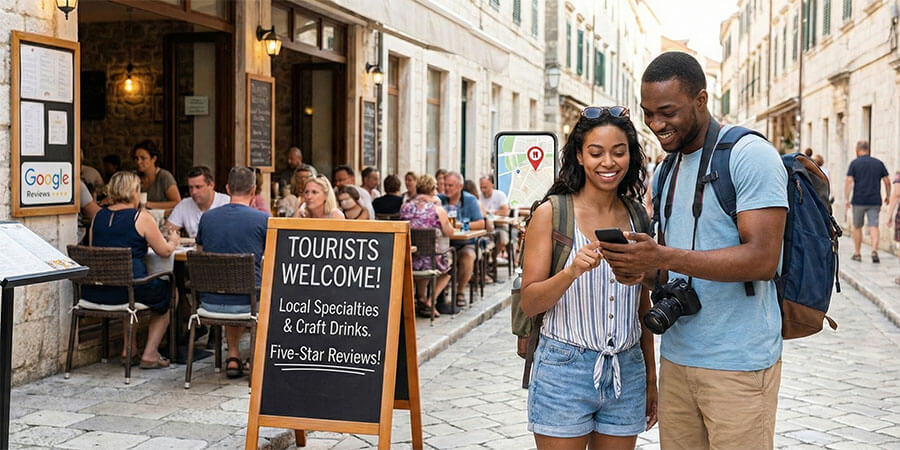
Table of Contents
Proven Strategies to Capture Tourist Spending Year-Round
Travel and tourism accounts for 3 in 10 dollars spent at U.S. restaurants, with domestic travelers forecast to spend one point two trillion dollars in 2025. This guide covers year-round strategies to attract tourists through optimized online presence, strategic signage, local partnerships, tourist-friendly experiences, and social media marketing that turns one-time visitors into loyal customers.
If your restaurant is located in a tourist destination or near attractions, you're sitting on a significant revenue opportunity. Tourism represents nearly one-third of all restaurant spending nationwide, with the share climbing even higher for fine dining establishments at 41% compared to 25% for quick-service restaurants. Summer traditionally brings the highest volume of leisure travelers, with 53% of Americans planning summer vacations in 2025, up from 48% the previous year.
However, many restaurant operators are missing this opportunity. Nearly half of operators report that tourism sales in 2025 are lower than typical levels, suggesting that simply being in a tourist area isn't enough. You need deliberate strategies to make your restaurant visible, appealing, and accessible to travelers who are unfamiliar with your area and making quick dining decisions on the go.
The good news? Tourists behave differently than local diners in ways you can leverage. They rely heavily on mobile search and online reviews, make same-day dining decisions, seek authentic local experiences, and are more likely to share their discoveries on social media. Understanding these behaviors allows you to position your restaurant exactly where tourists are looking and create experiences they'll remember and recommend.
| Tourist Acquisition Channel: | Cost Level: | Setup Effort: | Tourist Reach: | Best For: |
| Online Listings & Reviews | Low | Medium | Very High | All restaurant types |
| Sidewalk Signage & A-Frames | Low | Low | High | High foot-traffic areas |
| Hotel & Concierge Partnerships | Low | Medium | Medium | Fine dining, unique concepts |
| Social Media Marketing | Low-Medium | High | Very High | Visually appealing restaurants |
| Tourism Bureau Partnerships | Low | Low | Medium | Destination restaurants |
| Local Event Participation | Medium | High | Medium | Community-focused restaurants |
Optimize Your Online Presence for Travelers
Tourists planning their trips and searching for dining options while traveling rely almost entirely on online information. Businesses with complete online profiles are 70% more likely to attract visits, and 91% of consumers say local reviews impact their perception of a brand. Your online presence is often the first and only impression you'll make before a tourist decides whether to visit.
Start with your Google Business Profile, which appears in Google Maps and local search results where tourists actively look for nearby restaurants. Ensure every field is complete: accurate hours, phone number, website, menu link, price range, and cuisine type. Upload high-quality photos of your most photogenic dishes, dining room, and exterior so travelers can visualize the experience. Update your profile with seasonal specials, holiday hours, and any tourist-specific offerings like takeout options for beach trips or quick service for families on tight schedules.
Reviews are equally critical. Research shows that 85% of consumers consider contact information and hours important when researching local businesses, but they're also reading what others say about their experience. Actively request reviews from satisfied customers, especially tourists who had positive experiences. Respond to all reviews, both positive and negative, to show you're engaged and care about customer experience. A restaurant with recent, authentic reviews and owner responses signals reliability to travelers making quick decisions.
Claim and optimize your profiles on major review platforms beyond Google. While you shouldn't link to these platforms externally, ensure your restaurant appears with complete, consistent information across Yelp, TripAdvisor, and other services tourists commonly use. Consistency in your name, address, phone number, and hours across all platforms improves your visibility in local search results.
Consider the tourist perspective when crafting your online descriptions. Highlight what makes your restaurant special for visitors: local ingredients, regional specialties, family-friendly atmosphere, quick service, outdoor seating, or proximity to attractions. If you're near popular tourist sites, mention them by name. Tourists searching for "restaurants near [landmark]" should find you easily.
For more comprehensive guidance on managing your online presence, see our local listings guide, which covers optimization strategies for Google Business Profile and other platforms.
Make Your Restaurant Easy to Find on Foot
Many tourists explore on foot, especially in downtown areas, beach towns, and historic districts. Your physical visibility can be the difference between a tourist walking past or walking in. A 2025 survey of restaurant diners found that 82% had visited a restaurant for the first time because signage caught their eye, and 79% said they would be less likely to enter a restaurant with no signage at all (Custom Neon, 2025). For tourists unfamiliar with your area, clear and appealing signage is essential.
Invest in prominent exterior signage that's visible from a distance and clearly identifies your restaurant type and cuisine. Tourists scanning an unfamiliar street need to quickly understand what you offer. A well-lit sign visible at night extends your discoverability into evening hours when many tourists are searching for dinner options.
Sidewalk A-frame sign boards are particularly effective for capturing foot traffic. Place them strategically on the sidewalk with your most appealing offerings: daily specials, happy hour times, signature dishes, or tourist-friendly features like "air-conditioned dining" on hot summer days or "family-friendly" for traveling families. Change your A-frame messaging regularly to highlight seasonal items and create a sense of freshness.
Your exterior appearance matters enormously for first impressions. Tourists won't give you a second chance if your entrance looks uninviting. Keep your entrance clean, well-maintained, and welcoming. If you have outdoor seating, make it visible and attractive with quality outdoor restaurant furniture that signals a pleasant dining experience. Even if you don't serve on your patio, an attractive outdoor setup draws eyes and creates curb appeal.
Window displays and menu boards visible from outside help tourists make quick decisions. Display your menu with prices clearly visible so travelers can assess whether your restaurant fits their budget and preferences without entering. Highlight any tourist-friendly features: quick service, takeout available, vegetarian options, or local specialties.
Consider additional advertising signs and boards that direct foot traffic from nearby attractions. If you're a block off the main tourist strip, directional signage can guide visitors to your location. Coordinate with local regulations and property owners to place tasteful directional signs where permitted.
For more ideas on making your exterior inviting, our patio seating blog offers strategies that apply to overall curb appeal even if you don't have a full patio.
Build Strategic Local Partnerships
Tourists often rely on recommendations from locals and hospitality professionals when choosing where to eat. Building relationships with hotels, concierges, short-term rental hosts, and tourism organizations creates referral channels that deliver pre-qualified customers who trust the recommendation.
Start with nearby hotels and bed-and-breakfasts. Introduce yourself to front desk staff and concierges, provide them with menus and business cards, and offer a small incentive for referrals if appropriate. Many hotels maintain lists of recommended restaurants for guests, and getting on that list provides steady tourist traffic. Consider creating a special offer for hotel guests, such as a complimentary appetizer or dessert, that encourages concierges to recommend you specifically.
Short-term rental hosts are another valuable connection. Hosts of vacation rentals often provide dining recommendations to their guests, and they appreciate having reliable restaurant partners to suggest. Reach out to hosts in your area, offer to provide menus or discount codes their guests can use, and ask to be included in their welcome materials or recommendation lists.
Partner with local tourism bureaus and visitor centers. These organizations actively promote local businesses to tourists and often maintain dining guides, websites, and physical brochures distributed to visitors. Contact your local convention and visitors bureau to ensure your restaurant is included in their materials and website. Many tourism organizations offer free or low-cost listings for local businesses.
Collaborate with nearby attractions, museums, theaters, and entertainment venues. Tourists visiting these locations need to eat before or after their activities. Explore cross-promotion opportunities: you promote their attraction, they recommend your restaurant. Consider offering pre-theater menus, post-museum specials, or family packages that appeal to attraction visitors.
Participate in local restaurant weeks, food festivals, and culinary events that attract tourists specifically interested in dining experiences. These events provide exposure to food-focused travelers and position your restaurant within the local culinary scene. Even if the events themselves don't generate huge revenue, the exposure and social media content they create extends your reach.
Build relationships with local tour operators, especially food tours, walking tours, and bus tours that include dining stops. Getting included in a regular tour route provides consistent tourist traffic and exposes your restaurant to visitors who might not have found you otherwise.
Create a Tourist-Friendly Dining Experience
Tourists have different needs than regular customers. They're often on tight schedules, unfamiliar with local customs, traveling with families or groups, and looking for experiences they can't get at home. Adapting your service and offerings to accommodate these needs makes your restaurant more appealing to travelers.
Speed and efficiency matter enormously to tourists. Research shows that 66% of diners wait until the day of to secure a table, and tourists are even more likely to make last-minute decisions. Offer online reservations or walk-in friendly policies that accommodate spontaneous dining decisions. If you have wait times, provide realistic estimates and comfortable waiting areas. Consider express lunch options for tourists on tight sightseeing schedules.
Menu accessibility helps tourists make confident choices. Provide clear descriptions of dishes, especially regional specialties that travelers might not recognize. Indicate dietary accommodations prominently: vegetarian, vegan, gluten-free, and allergen information. Tourists dining out multiple times during a trip appreciate knowing their dietary needs can be met. If your area attracts international visitors, consider menu translations or picture menus.
Seasonal and local specialties appeal strongly to tourists seeking authentic experiences. Highlight regional ingredients, local seafood, farm-to-table offerings, or dishes unique to your area. Summer visitors especially appreciate refreshing options: cold soups, fresh salads, seafood, and frozen beverages. Stock frozen drink machines for signature frozen cocktails or beverage dispensers for infused waters and fresh lemonades that provide relief from summer heat.
Takeout and grab-and-go options serve tourists heading to beaches, parks, or hotel rooms. Offer packaged meals, picnic boxes, or family-style takeout that travels well. Tourists staying in vacation rentals particularly appreciate takeout options they can enjoy in their accommodations.
Shareable dishes and family-style options work well for tourist groups. Travelers often dine in larger parties than typical local customers, and they appreciate menus designed for sharing. Appetizer platters, family meals, and dishes designed for the center of the table encourage group dining and increase check averages.
Create Instagram-worthy presentations and atmospheres. With 58% of TikTok users visiting restaurants after seeing them on the platform, visual appeal translates directly to tourist traffic. Signature dishes with striking presentations, unique decor, or photo-worthy spaces encourage social sharing that attracts more visitors.
Train your staff to be welcoming and helpful to tourists. Encourage servers to offer recommendations, explain local specialties, and provide directions or suggestions for other activities. Exceptional service creates memorable experiences that tourists share in reviews and recommendations.
Leverage Social Media to Reach Visitors
Social media allows you to reach tourists before they arrive and while they're actively searching for dining options in your area. With more than half of social media users visiting restaurants after seeing them online, a strategic social media presence directly drives tourist traffic.
Focus on visual platforms where food content thrives: Instagram, TikTok, and Facebook. Post high-quality photos and videos of your most photogenic dishes, dining atmosphere, and seasonal specials. Tourists scrolling through social media while planning trips or looking for dinner options are drawn to appealing food imagery. Consistency matters more than perfection - regular posts keep your restaurant visible.
Use location tags and local hashtags extensively. When tourists search for restaurants in your area or browse location tags for your city or neighborhood, your tagged content appears in their results. Tag your exact location on every post, and use popular local hashtags like #[YourCity]Eats, #[YourCity]Foodie, or #Visit[YourCity]. Research which hashtags tourists and food bloggers use in your area and incorporate them.
Create content specifically for tourists. Highlight features that appeal to travelers: outdoor seating, quick service, local specialties, family-friendly atmosphere, or proximity to attractions. Post about seasonal offerings, summer specials, or limited-time items that create urgency for tourists with limited time in your area.
Encourage and share user-generated content. When customers tag your restaurant or use your branded hashtag, reshare their content with credit. Tourists trust authentic customer photos more than professional marketing images. Create a branded hashtag and display it prominently in your restaurant so customers know how to tag their posts.
Run geo-targeted social media advertising during peak tourist seasons. Platforms like Facebook and Instagram allow you to target ads to people currently in your area or planning to visit. A small advertising budget focused on tourists within a few miles of your restaurant during summer months can generate significant returns.
Engage with local food bloggers and influencers. Invite them to experience your restaurant and share their honest reviews. Micro-influencers with local followings often provide better ROI than major influencers because their audiences are more likely to actually visit your area.
Post timely content that captures immediate opportunities. If there's a festival, concert, or event happening nearby, post about your availability, specials, or proximity to the event. Tourists searching for dining options near events will find your timely content.
For comprehensive social media strategies, our social media guide provides detailed tactics for building your online presence and engaging with customers.
Turn One-Time Tourists into Return Visitors
While tourists may only visit your area occasionally, turning them into repeat customers and advocates multiplies the value of every tourist you attract. Even if they only return once a year, annual repeat visitors are far more valuable than one-time customers, and their recommendations to friends and family extend your reach.
Capture contact information for follow-up marketing. Offer a small incentive for joining your email list: a discount on their next visit, a free appetizer, or entry into a monthly drawing. Email marketing allows you to stay connected with tourists after they leave, reminding them of your restaurant when they plan their next trip or visit your area again.
Request reviews before tourists leave town. The best time to ask for a review is immediately after a positive dining experience, while the memory is fresh and the customer is still in your area. Train staff to mention review platforms when thanking customers, or include a review request on receipts with a QR code linking directly to your Google Business Profile or preferred review platform.
Create a loyalty program that works for occasional visitors. Traditional punch cards don't work well for tourists who may not return for months or years, but digital loyalty programs that track visits over time can reward return customers whenever they come back. Even a simple "welcome back" discount for return visitors encourages repeat business.
Follow up with email marketing that keeps your restaurant top of mind. Send seasonal emails highlighting new menu items, special events, or reasons to visit during different times of year. If a tourist visited during summer, an email in fall showcasing your autumn menu might inspire a return trip. Keep emails infrequent enough to avoid annoyance but regular enough to maintain awareness.
Encourage social media follows before customers leave. Customers who follow your social accounts see your posts in their feeds long after they've left your area, keeping your restaurant in their awareness. When they plan their next trip or recommend restaurants to friends visiting your area, your restaurant comes to mind.
Provide exceptional experiences worth recommending. Word-of-mouth remains the most powerful marketing tool, and tourists who have memorable experiences become ambassadors who recommend your restaurant to friends and family planning trips to your area. Focus on creating moments worth talking about: exceptional service, surprising presentations, or genuine hospitality that stands out.
For broader marketing strategies that complement your tourist-focused efforts, see our restaurant marketing guide, which covers comprehensive approaches to building your customer base.
Frequently Asked Questions
How can I attract tourists without a large marketing budget?
Focus on free and low-cost strategies with high impact: optimize your Google Business Profile completely, claim listings on all major review platforms, place eye-catching sidewalk A-frame signs, build relationships with nearby hotels and tourism bureaus, and post consistently on social media with location tags. These tactics require time rather than money and directly reach tourists searching for dining options.
What's the most important factor for attracting tourists to my restaurant?
Online visibility through complete, optimized listings with positive reviews. The majority of tourists search online for restaurants, and businesses with complete profiles are 70% more likely to attract visits. Ensure your Google Business Profile, review platform listings, and social media presence are comprehensive, current, and showcase what makes your restaurant appealing to visitors.
Should I offer tourist-specific discounts or promotions?
Tourist-specific promotions can work, but focus on value-added offers rather than deep discounts that erode margins. Consider complimentary items for hotel guests, family meal packages, or quick lunch specials that address tourist needs. Avoid discounting so heavily that you attract only price-sensitive customers or devalue your offerings in the eyes of local diners.
How do I compete with chain restaurants that tourists recognize?
Emphasize what chains can't offer: authentic local experiences, regional specialties, unique atmosphere, and personal service. Tourists often seek local dining experiences they can't get at home. Highlight your local ingredients, regional dishes, and connection to the community. Many tourists actively avoid chains when traveling and specifically search for independent local restaurants.
What menu items appeal most to tourists?
Regional specialties and local ingredients top the list, followed by shareable dishes for groups, family-friendly options, and lighter fare for summer visitors. Tourists want to taste what's unique to your area while also having familiar options for less adventurous diners in their group. Clearly describe regional dishes so tourists understand what makes them special.
How can I encourage tourists to leave reviews?
Ask at the right moment - when customers express satisfaction during their meal or when paying their check. Make it easy by providing direct links or QR codes to your review profiles. Train staff to mention reviews naturally: "If you enjoyed your meal, we'd appreciate a review on Google - it really helps other travelers find us." Follow up with email requests to customers who provided contact information.
Is social media really worth the effort for attracting tourists?
Yes, especially visual platforms like Instagram and TikTok. With 58% of TikTok users visiting restaurants after seeing them on the platform, social media directly drives tourist traffic. Focus on consistent posting with location tags, appealing food photography, and local hashtags. Even modest social media efforts increase your visibility to tourists researching dining options in your area.
Related Resources
- Restaurant Local Listings Guide - Complete guide to optimizing Google Business Profile and review platforms for maximum visibility
- Restaurant Social Media Guide - Strategies for building your social media presence and engaging with customers online
- Restaurant Marketing Guide - Comprehensive marketing strategies for growing your restaurant business
- 6 Ways to Make Patio Seating More Attractive - Tips for creating appealing outdoor dining spaces that attract foot traffic
- Outdoor Restaurant Furniture - Quality outdoor furniture options for creating inviting patio spaces
Share This!