How to Make Patio Seating More Attractive for Customers
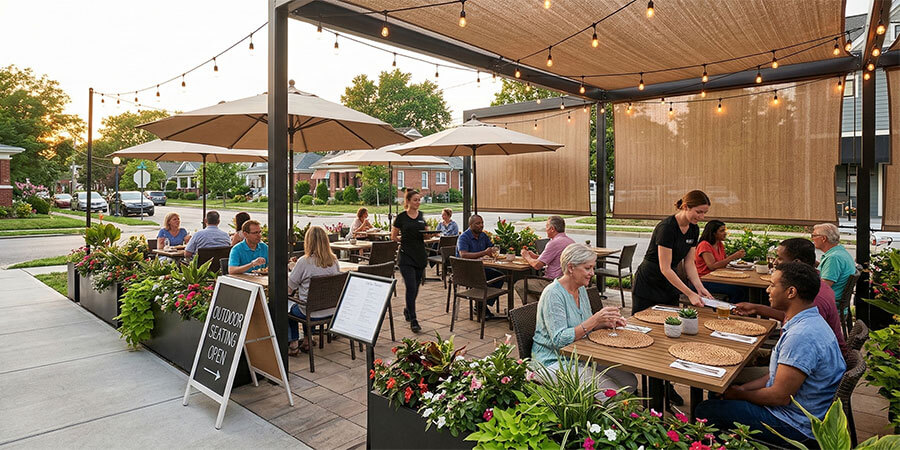
Table of Contents
Make Outdoor Restaurant Seating More Appealing By Improving Comfort, Visibility, Layout, And The Details That Influence First Impressions
Customers do not choose a patio just because it exists. They choose it because it looks comfortable, feels intentional, and makes the restaurant seem like a better place to spend time.
Attractive patio seating is a mix of design and operations. Shade matters, along with traffic flow, cleanliness, noise, accessibility, weather planning, and the way the patio looks from the sidewalk. A few thoughtful upgrades can make the space feel more inviting without turning it into a construction project.
The best patio improvements also stay practical. A patio should help the business, not create a harder service environment than the dining room.
Below are six practical upgrades that improve comfort, visibility, and service flow without overcomplicating operations.
Make Comfort Obvious From The Street
People usually decide whether a patio looks appealing before they sit down. In many cases, they decide before they even slow down.
The first job of patio seating is visual comfort. Guests should be able to glance at the space and immediately understand that it offers shade, stable seating, enough room, and a pleasant place to linger.
Comfort cues often include:
- Tables that do not look crowded together
- Seating that looks sturdy and intentionally matched
- Shade elements that are visible at a glance
- A clean edge between the patio and the street or parking area
- Enough space that people do not feel exposed or squeezed in
If the patio already looks hot, cramped, or neglected, customers often decide against it before the host ever speaks to them.
Use Shade, Wind Control, And Weather Planning To Keep The Patio Usable
Attractive patios are not just pretty in ideal weather. They are usable in real weather.
Manage sun, heat, glare, light rain risk, and wind as far as your setup allows. The right approach depends on climate and local rules, but the principle is consistent: guests choose the outdoor seat when it feels comfortable enough to stay there.
| Comfort Factor: | What Helps: | What To Avoid: |
| Sun exposure | Umbrellas, overhead shade, thoughtful table placement | Tables left in direct sun during peak hours |
| Heat | Air movement, hydration support, seasonal service adjustments | Treating summer patios like indoor rooms |
| Wind | Screens, planters, barriers, layout choices | Loose items and unstable table settings |
| Cold shoulder seasons | Heaters where appropriate and allowed, blankets only if operationally realistic | Extending season without a comfort plan |
Outdoor comfort should also be managed responsibly. Weather conditions, heat stress, and lightning risk are not design details - they are operational decisions. If conditions become unsafe or unpleasant, the best move may be to reduce patio use temporarily rather than force it.
If your patio relies on flexible shade, Outdoor Table Umbrellas & Bases is one of the most relevant product categories for this topic.
Choose Furniture That Looks Welcoming And Works For Service
Attractive patio seating should photograph well, but it also has to survive actual service.
The best furniture choices support both curb appeal and operations:
- Easy-to-clean surfaces
- Stable tables that do not wobble
- Seating that feels comfortable enough for a full meal
- Layouts that let staff move through the patio without constant collisions
- A style that fits the concept instead of feeling borrowed from somewhere else
Furniture condition matters more than many operators expect. Faded, mismatched, unstable, or visibly worn pieces make the patio feel second-tier even when the food and service are strong.
For product-side planning, start with Restaurant Patio Furniture. If you want broader seating options beyond patio-specific pieces, Commercial Furniture is the better companion category.
Make The Patio Easy To Notice And Easy To Enter
A patio can be attractive and still underperform if people do not realize it is available or do not understand how to access it.
The strongest patios often do two things well:
- They create visible energy from the street
- They remove confusion about where guests should go
Helpful tactics include:
- Clear host or seating cues
- A-frame signage that highlights outdoor seating when relevant
- Clean, readable menu or service messaging near the patio entrance
- A visible transition from sidewalk to seating area
This is especially important for restaurants that benefit from walk-in traffic. Outdoor seating acts as both capacity and marketing, but only when people can read it quickly.
For visibility ideas, start with A-Frame Sign Boards and Advertising Signs & Boards. For a broader curb-appeal angle, see How to Draw Tourists to Your Restaurant this Summer.
Design The Layout For Accessibility, Clearance, And Service Flow
A patio is less attractive when it is hard to move through.
Guests notice when chairs hit each other, servers have no lane, strollers or mobility devices struggle to pass, or tables feel jammed together just to gain one more seat. Those issues make the space feel stressful instead of inviting.
The layout should consider more than seat count. The better question is whether the patio is comfortable, readable, and usable for different guests.
| Layout Priority: | Why It Matters: | Better Approach: |
| Clear paths | Guests and staff need to move without awkward contact | Leave visible travel lanes and entry points |
| Accessible seating options | Some guests need easier table access and approach space | Include layouts that work for a wider range of users |
| Service reach | Staff need to carry trays, drinks, and checks safely | Avoid dead ends and over-packed corners |
| Edge definition | Outdoor rooms feel calmer with visual boundaries | Use planters, rails, or layout cues where appropriate |
Since requirements vary by jurisdiction, design the patio with ADA accessibility requirements and local permitting rules in mind rather than assume one universal setup fits everywhere.
Create An Atmosphere Worth Choosing, Not Just Extra Seating
The patios that attract attention usually feel like a deliberate part of the brand, not just overflow tables.
That atmosphere can come from several small choices working together:
- Consistent color and furniture style
- Planters or greenery used with restraint and maintenance in mind
- Lighting that supports evening service without looking harsh
- Tabletop presentation that feels as considered outside as it does inside
- Seasonal touches that fit the concept without turning the patio into clutter
The point is not decoration for decoration's sake. It is making the patio feel like a place guests would prefer, not settle for.
If local traffic and curb appeal matter to your concept, this topic overlaps naturally with 5 Ways to Attract New Customers to Your Restaurant and Restaurant Marketing Guide.
Keep The Patio Clean, Maintained, And Ready Every Day
Outdoor seating loses appeal quickly when maintenance slips.
Because patios are exposed to weather, dust, pollen, water spots, blown debris, and heavier wear, they need a slightly different daily reset than interior dining spaces. Attractive patios usually have:
- Wiped tables and chairs before service
- Stable furniture checks built into opening
- Clean planters, barriers, and signage
- A clear weather response plan for cushions, paper goods, and movable items
- Fast cleanup between parties so the space always looks claimed and cared for
This is also where heaters, umbrellas, and decorative items should be managed realistically. Anything you add to improve the patio also adds maintenance responsibility.
Use Lighting And Evening Ambience To Extend Patio Appeal
Many patios look strongest during daylight and weakest once the sun drops.
If evening service matters, lighting should make the patio feel warmer and easier to choose without creating glare or visual clutter. Guests generally respond well to patios that feel calm, readable, and intentionally lit instead of harshly bright or dim enough to feel forgotten.
Practical lighting priorities include:
- Making entrances and paths easy to read
- Giving tables enough light for menus and food without making the space feel stark
- Highlighting the patio boundary so it feels like a real dining zone
- Keeping decorative lighting simple enough to maintain
This is one of the most overlooked ways to make a patio more attractive because it changes how the space feels during an entire daypart, not just how it photographs.
Give The Patio A Stronger Sense Of Place
Customers are more likely to choose outdoor seating when it feels like part of the restaurant's identity instead of a spillover area.
That sense of place can come from:
- Planters or barriers that define the room
- A consistent tabletop look
- Menu cues that fit outdoor dining naturally
- Music and service pacing that match the concept
- Visual details that feel maintained instead of improvised
The best version of this is subtle. It should not feel staged or theme-heavy. It should simply feel like the patio belongs to the same restaurant the guest thought they were choosing when they walked up.
Let The Patio Support Marketing Without Feeling Like A Promotion Gimmick
Outdoor seating can attract attention from the street, but it works best when the experience matches the promise.
If the patio is part of your draw, show that clearly in your signage, listings, and seasonal messaging. Guests looking for fresh air, sunshine, evening seating, or casual curbside energy often make their decision quickly, so visible cues matter. That does not mean over-promoting. It means making sure the outdoor option is obvious, current, and worth choosing.
This is also where marketing and operations meet. If the patio is being promoted, it has to be clean, staffed, and ready enough to support the expectation being created.
Match Patio Ambition To Your Team's Real Capacity
One of the easiest ways to make a patio less attractive is to build a space the staff cannot support well.
Before adding more tables or more decorative complexity, ask:
- Can the host manage the extra seating cleanly?
- Can servers cover the patio without hurting the dining room?
- Can runners and bussers reach the space efficiently?
- Can the team reset the patio fast enough to keep it looking full but controlled?
An attractive patio is not just a design win. It is an operating win. If service breaks down outside, the space stops helping the business no matter how nice it looks.
Frequently Asked Questions
What makes restaurant patio seating more attractive to customers?
Comfort, visibility, layout, and atmosphere matter most. Customers usually choose patios that look shaded, clean, easy to access, and intentionally designed rather than improvised.
What is the easiest patio improvement for a restaurant?
In many cases, it is improving visible comfort first - better shade, cleaner furniture, stronger layout, and a clearer entrance. Those changes usually affect first impressions faster than decorative add-ons alone.
Does outdoor restaurant furniture really affect customer decisions?
Yes. Furniture condition and layout strongly influence whether the patio feels welcoming or neglected. Stable, clean, well-matched seating creates a much better first impression than worn or crowded furniture.
How important is shade for patio seating?
Very important in many climates. Guests are less likely to choose or stay in outdoor seating when the space feels too hot, too bright, or too exposed. Shade is one of the clearest comfort signals a patio can offer.
Do restaurants need to think about accessibility on a patio?
Yes. Clear routes, usable seating layouts, and practical access matter both for guest experience and for compliance considerations. The best approach is to design with ADA accessibility requirements and local permit rules in mind.
Should I add more patio seats to attract more customers?
Only if the team can support them well. A smaller patio that feels comfortable and runs smoothly is usually more attractive than a crowded patio with weak service flow.
Related Resources
- How to Draw Tourists to Your Restaurant this Summer - Improve curb appeal and outdoor visibility for walk-in traffic
- 5 Ways to Attract New Customers to Your Restaurant - Use outdoor seating as part of a stronger acquisition strategy
- Restaurant Marketing Guide - Connect patio improvements to broader customer-growth planning
- Restaurant Patio Furniture - Browse furniture options for outdoor dining spaces
- Outdoor Table Umbrellas & Bases - Add flexible shade to outdoor tables where appropriate
Share This!