Perfect Cheese Pizza
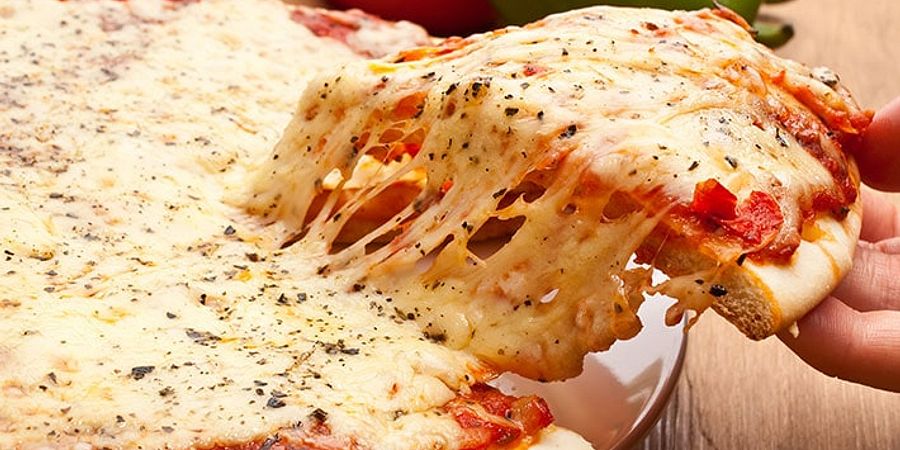
Table of Contents
Build a better cheese pizza by balancing crust, sauce, cheese, and oven heat instead of relying on one trick or one ingredient
Cheese pizza looks simple, which is why it exposes mistakes so clearly. When there are fewer toppings to hide behind, the crust, sauce, melt, and bake all have to carry the whole slice.
That is why a better cheese pizza usually comes from balance, not complexity. The goal is a crust that holds up, sauce that supports without flooding, cheese that melts the way you want, and enough heat to bring everything together cleanly.
Start With A Crust That Can Hold The Pizza Up
Many cheese-pizza problems begin underneath the cheese.
If the crust is weak, pale, or wet, the whole slice suffers. The cheese may slide, the sauce may dominate, and the bottom never gets the crispness or structure that makes the pizza satisfying.
That means your baking surface and dough handling matter from the start. Pizza stones, screens, decks, and properly heated oven surfaces all support the same outcome: a crust firm enough to carry the sauce and cheese without collapsing.
If you are comparing equipment rather than technique, Pizza Ovens and Pizza Tools are the most useful product-side categories.
Sauce Balance Matters More Than People Think
One of the easiest ways to lose a cheese pizza is to overload the sauce.
Too much sauce can:
- make the center heavy
- slow the bake
- increase moisture under the cheese
- make the slice harder to hold cleanly
The best cheese pizza sauces usually support the cheese instead of competing with it. Enough to bring tomato character, not enough to swamp the crust.
That is especially important for anyone troubleshooting why the cheese does not feel connected to the slice. Excess moisture and imbalance under the cheese are often part of the reason.
Cheese Choice Changes Melt, Browning, And Slice Behavior
Not every cheese behaves the same way in the oven.
| Cheese Approach: | What It Usually Does: |
| Low-moisture mozzarella | Strong melt, stretch, and more controlled bake behavior |
| Fresh mozzarella | Softer, wetter result that often needs more moisture control |
| Blended cheeses | Adds flavor complexity and changes browning or texture |
| Too much cheese overall | Can create slide, grease, and a heavy top layer |
The most practical takeaway is simple: if your cheese pizza feels watery, slippery, or heavy, the issue may be the cheese style, the moisture level, or the total amount used - not just the oven itself.
Placement And Coverage Matter, Too
Even when the cheese is right, how it is applied still matters.
The strongest cheese pizzas usually avoid two extremes:
- too little cheese, which leaves dry or disconnected spots
- too much cheese, which turns the top heavy and harder to bake evenly
The goal is even coverage with enough contact across the pizza that the slice feels unified instead of layered loosely.
Heat Should Be High Enough To Set The Slice Cleanly
Cheese pizza usually improves when the oven is hot enough to bake with intent instead of drifting through a slow cycle. In many setups, higher heat helps the crust set, helps the cheese melt decisively, and helps the finished pizza feel more integrated.
That does not mean there is one universal bake temperature for every dough and oven. It means the oven needs to be fully ready and the pizza should bake in a way that gives you structure and melt together rather than a sluggish, damp finish.
This is one reason pizza often bakes better on an intentionally heated surface than on a casual cold pan approach.
If Cheese Slides Off, Look At Moisture First
One of the most common cheese-pizza problems in the query set is cheese not sticking or sliding off the slice. When that happens, the issue is usually not one single dramatic mistake. It is more often a moisture-and-balance problem.
Common contributors include:
- too much sauce
- wetter cheese than the bake can support
- a crust that did not set firmly enough
- too much top weight overall
That is why fixing slide usually starts with restraint and control, not more topping.
Final Finishing Steps Matter More On Cheese Pizza Than On Busy Pizzas
With a cheese pizza, the finish is part of the experience.
Useful finishing habits include:
- letting the pizza rest briefly before cutting
- using a surface that does not trap steam underneath the crust
- cutting cleanly instead of dragging the topping around
That brief pause after baking can help the slice settle and makes the final texture feel more deliberate.
Better Cheese Pizza Usually Comes From Restraint, Not More Ingredients
This is what makes cheese pizza such a good teacher. It rewards cleaner choices:
- enough sauce, not too much
- enough cheese, not overload
- enough heat, not a lazy bake
- enough structure in the crust to hold the slice together
Once those fundamentals are right, the pizza does not need much else.
Frequently Asked Questions
What cheese is best for cheese pizza?
A low-moisture mozzarella style is often the most practical starting point because it gives a controlled melt and more predictable bake behavior. Other cheeses can add flavor, but the best choice depends on the texture, browning, and slice behavior you want.
Why does cheese slide off my pizza?
Cheese often slides when the pizza has too much moisture or too much top weight. Common causes include too much sauce, wetter cheese, a crust that did not set firmly enough, or simply too much cheese for the bake to support cleanly.
How do I make cheese pizza better in the oven?
Focus on balance. Use a crust setup that can hold the slice up, avoid flooding the pizza with sauce, choose cheese that matches the bake style you want, and make sure the oven and baking surface are fully ready before the pizza goes in.
Should I use a pizza stone or a pan for cheese pizza?
A well-heated stone, screen, deck, or similar pizza-oriented baking surface usually helps the crust set more decisively than a casual pan approach. The key idea is giving the bottom of the pizza a better chance to bake cleanly and hold structure.
What causes a soggy cheese pizza?
Too much moisture is the usual problem. That can come from excess sauce, wetter cheese, a weak crust setup, or a bake that is too slow to set the pizza properly. Soggy pizza is usually a balance issue more than a mystery.
Should I let cheese pizza rest before cutting it?
Yes, a short rest usually helps. It gives the cheese and slice time to settle slightly, which can make cutting cleaner and help the crust avoid trapping as much steam immediately after the bake.
Related Resources
- Pizza Ovens - Compare pizza oven types if bake performance is part of the problem.
- Pizza Tools - Peels, screens, stones, cutters, and related pizza-prep tools.
- Types of Commercial Ovens - Helpful if the oven itself is part of the pizza-quality question.
- Baking Wars: Convection Ovens vs. Conventional Ovens - Better detail on how oven behavior changes the bake.
Share This!